
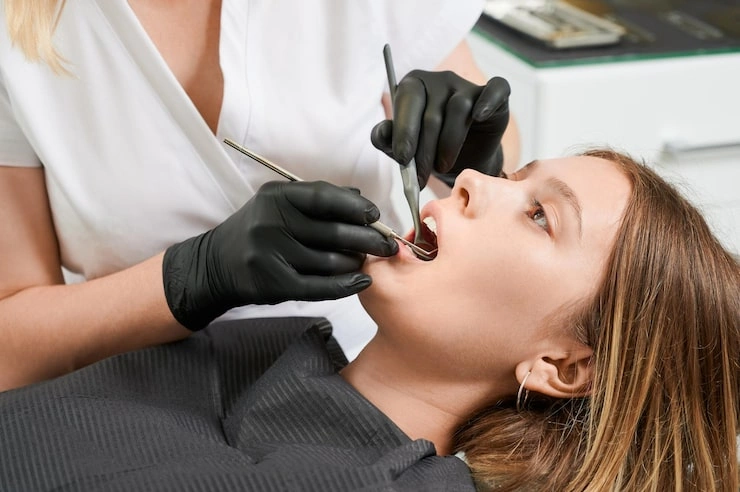
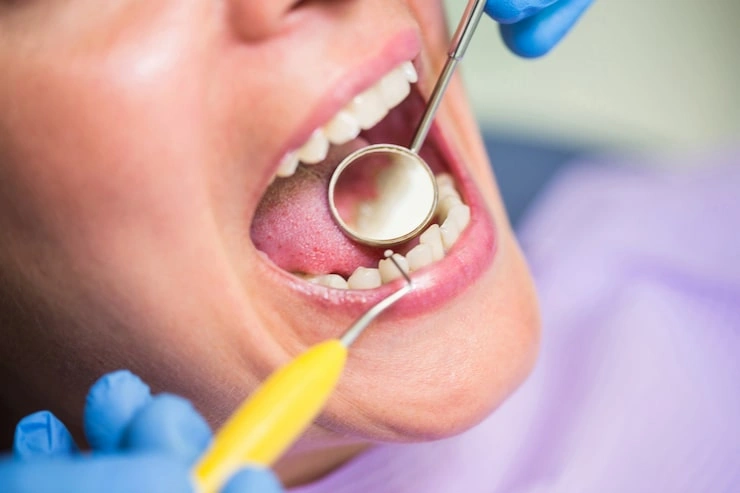
Dental sealants are a clear or tooth-coloured plastic material that is carefully applied to the chewing surfaces of molars and premolars. These back teeth have deep crevices that can trap food and bacteria, making them more susceptible to cavities. The sealant creates a smooth, protective barrier, making it easier to keep these areas clean.
The process for applying dental sealant is quick, painless, and non-invasive. It might not need any type of sedation to calm the patient. The teeth are dried after routine dental cleaning, and a special gel is applied to prepare the surface. Once the gel is rinsed off and the tooth is dried again, the sealant is carefully brushed onto the enamel and hardened with a curing light. This creates a durable shield that can last for several years with proper care.
One of the most common questions patients ask is about dental sealants’ cost. The cost of sealants is generally affordable, especially when you compare to the expense of treating cavities and decay. Many dental insurance plans provide financial coverage for sealants for children and even for adults; the investment can help prevent costly restorative treatments in the future.
While sealants provide an extra layer of protection, maintaining good oral hygiene is still essential. Brushing twice a day, flossing, and attending regular dental checkups will help ensure your teeth remain strong and healthy. Avoid teeth removal and regularly see your dentist.
Sealants can protect teeth for up to 5–10 years, though they may need to be checked and reapplied during routine dental visits.
Yes, sealants are safe and commonly recommended for kids once their permanent molars appear, usually around ages 6 and 12.
No. The process is quick, painless, and non-invasive, no drilling or needles are required.
Absolutely. Adults with healthy molars free of cavities or large fillings can benefit from sealants for added protection.
Sealants are generally affordable, especially compared to the cost of treating cavities. Many insurance plans cover them, particularly for children.
Yes, sealants add extra protection but don’t replace daily oral hygiene and regular dental checkups.