Dental sealants are most commonly associated with children’s dentistry, but they are an effective and underutilised preventive tool for adults as well. A dental sealant is a thin plastic or resin coating applied to the chewing surfaces of the back teeth, filling in the deep grooves and pits where food particles and bacteria accumulate and decay is most likely to begin. If you are an adult who has never had sealants or whose existing sealants have worn away, visiting a Dental Clinic in Aurora for an assessment can help you determine whether this preventive option is right for you.
The deep grooves of molars and premolars are notoriously difficult to clean thoroughly with a toothbrush. Bristles simply cannot reach into the narrowest crevices, and even people with excellent oral hygiene can develop cavities in these areas. Sealants physically prevent food and bacteria from settling in these grooves, providing lasting protection from the most common site of tooth decay in adults.
What Are Dental Sealants?
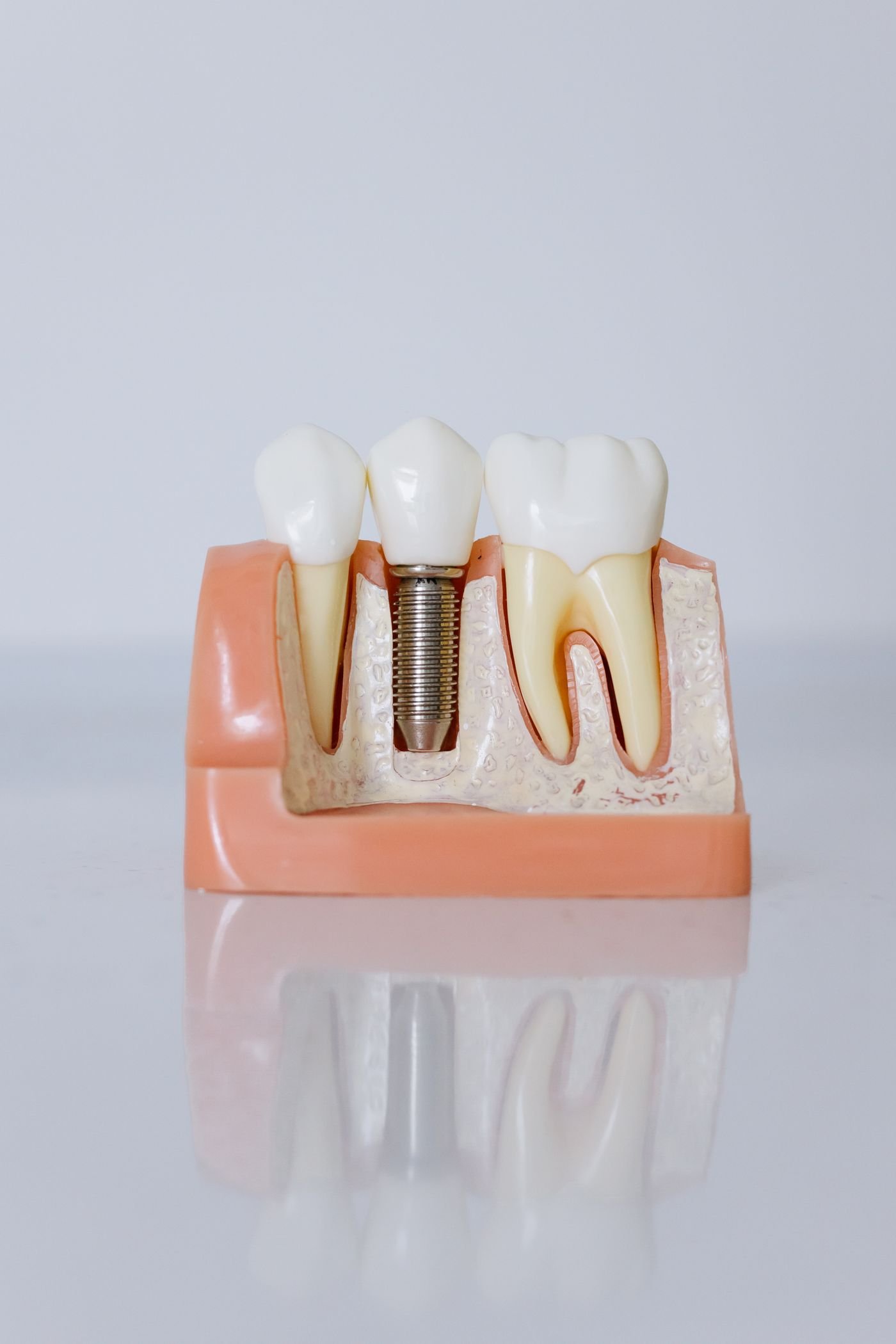
Dental sealants are made from a plastic resin that bonds to the enamel of the tooth’s chewing surface. The material flows into the pits and fissures of the tooth and hardens, creating a smooth, easier-to-clean surface. The procedure is quick, painless, and non-invasive. It requires no drilling, no removal of tooth structure, and no anaesthetic. Patients accessing Dental Care in Aurora can have sealants placed in a single appointment as part of a routine preventive visit.
There are two main types of sealants: resin-based and glass ionomer. Resin-based sealants are more durable and longer-lasting, typically remaining effective for five to ten years with proper care. Glass ionomer sealants release fluoride and bond better in slightly moist conditions, making them useful in specific clinical situations. Your dentist will recommend the most appropriate type based on the condition of your teeth and your individual risk factors.
Why Adults Benefit From Sealants
Dental sealants are not just for children. Adults with decay-free back teeth that have never been sealed can benefit significantly from the procedure. Those who have had sealants placed in childhood may find that their sealants have worn down and need replacement. Adults with a history of frequent cavities in their back teeth, a high-sugar diet, dry mouth, or limited ability to clean their back teeth effectively due to physical limitations are particularly good candidates.
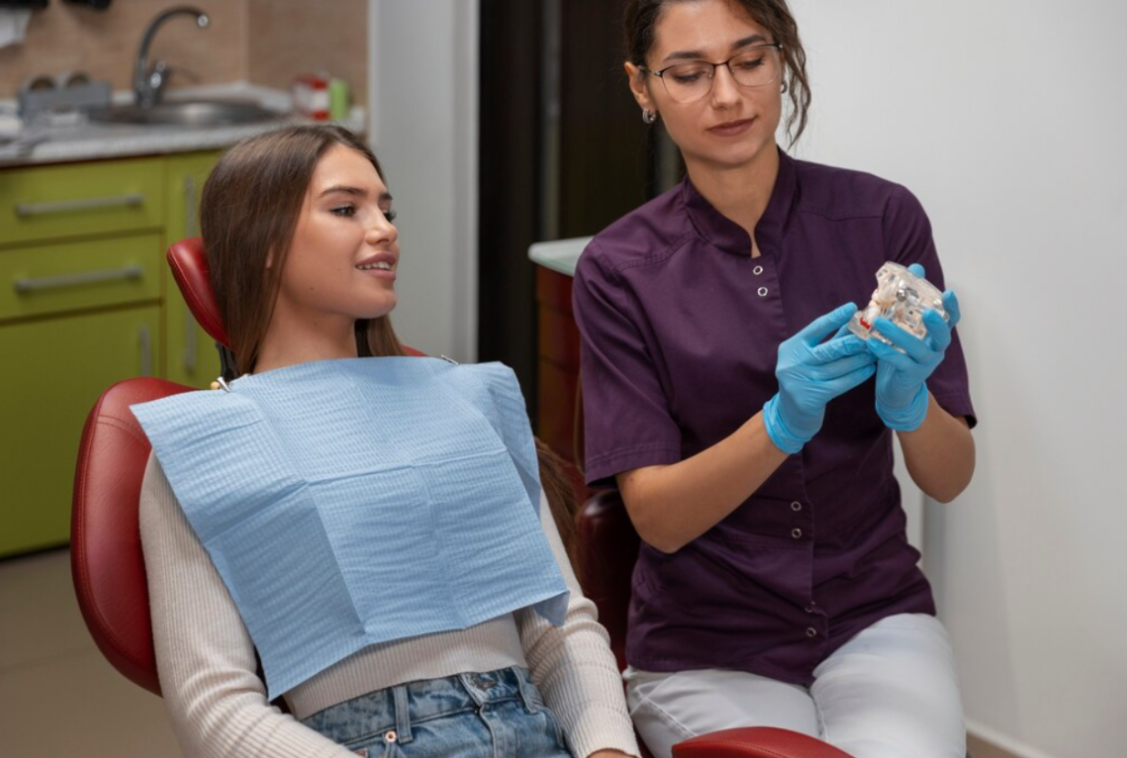
Consulting a Dentist in Aurora for an evaluation of your sealant candidacy is the most reliable way to determine whether this investment in prevention makes sense for your situation. Your dentist can examine the current state of your tooth surfaces and advise whether the grooves are deep enough and decay-free enough to seal effectively.
How Sealants Are Applied
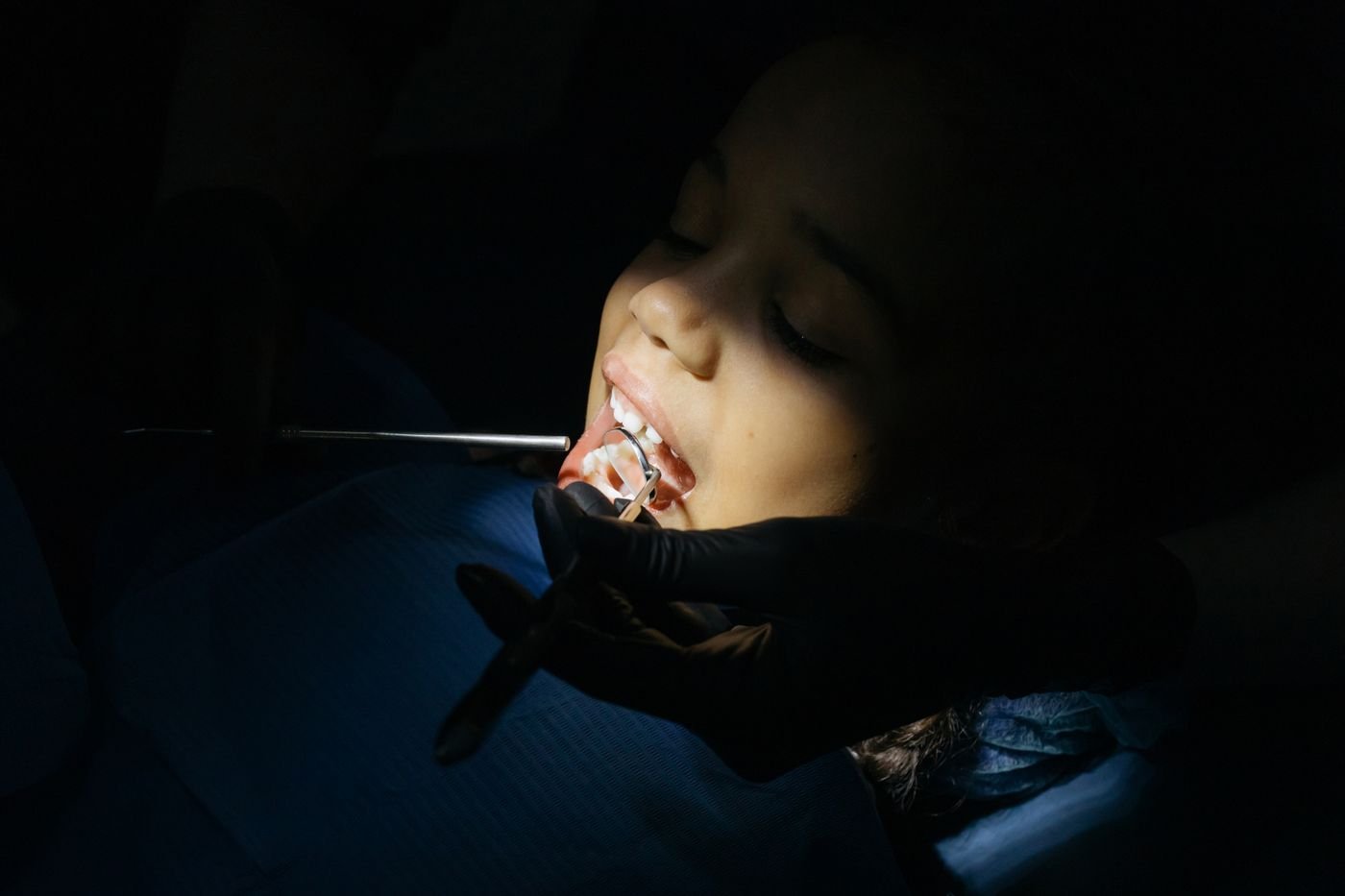
The sealant application process is straightforward and takes only a few minutes per tooth. Your dentist or hygienist will first clean and dry the teeth to be sealed. An acid etching solution is then applied briefly to the chewing surface to create a slightly rough texture that helps the sealant bond securely. The surface is rinsed and dried again, and the liquid sealant material is applied directly into the grooves.
The sealant either hardens on its own or is cured with a special light, depending on the type used. Once hardened, your dentist checks the bite to confirm that the sealant does not interfere with your natural bite. The entire process is painless and causes no alteration to the tooth structure itself.
How Long Do Sealants Last?
With good oral hygiene and regular dental checkups, sealants can last many years. Resin-based sealants typically last five to ten years, after which they may need to be reapplied if significant wear or loss is detected. At Dana Dental, one of the best dental clinics in Aurora, sealant integrity is checked at every routine visit. If a sealant begins to chip, wear, or detach, it can be repaired or replaced before the underlying tooth becomes vulnerable. Dana Dental is at 15277 Yonge St Suite 1 and 2, Aurora, ON L4G 1Y3; call (647) 494-5006 or email info@danadentalaurora.ca to schedule.
Sealants can be chipped by very hard foods or ice chewing, which is worth avoiding not just for sealant longevity but for tooth preservation in general. Grinding teeth can also cause sealants to wear prematurely. If you have bruxism, discuss this with your dentist, as a night guard protects both the sealants and the underlying tooth structure.
Are Sealants Worth the Investment?
From a cost-benefit perspective, sealants are among the most cost-effective preventive dental investments available. The cost of a sealant is a fraction of the cost of a filling, and significantly less than a crown or root canal that becomes necessary when a cavity progresses untreated. For adults with a history of decay in their back teeth, sealants are a logical preventive measure that directly reduces the likelihood of needing more expensive treatment.
Consider sealants on a tooth with Dental Sealants in Aurora as an early protective measure that locks in healthy enamel. Once a cavity forms, that tooth requires treatment for life: fillings may eventually need replacement, and repeated treatment weakens the tooth structure over time. Preventing the first cavity with a sealant is always the most conservative outcome.
Frequently Asked Questions
Can adults get dental sealants?
Yes, adults can and do benefit from dental sealants. Any adult with healthy, decay-free back teeth that have deep pits and fissures is a potential candidate. Adults with a history of frequent cavities or those who have difficulty cleaning their back teeth effectively are particularly good candidates.
Do sealants protect teeth from all cavities?
Sealants protect the chewing surfaces of back teeth, which is where the majority of cavities form. They do not protect the sides of teeth or the areas between teeth, which is why brushing and flossing remain essential even with sealants in place.
Can a sealant be placed over an early cavity?
Sealants are most appropriate for healthy tooth surfaces. Placing a sealant over an active cavity is not standard practice because it seals bacteria inside the tooth. However, some research supports the use of sealants over very early, non-cavitated lesions as part of a monitoring approach. Your dentist will make this decision based on the clinical picture.
Do sealants feel strange?
Most patients do not notice their sealants at all once they are placed. Occasionally, if a sealant adds a slight thickness to the chewing surface, patients may need a day or two to adjust. If your bite feels off after a sealant placement, return to your dentist for a quick adjustment.
How do I care for my teeth after getting sealants?
Sealants require no special care. Continue brushing twice daily, flossing, and attending regular dental checkups. Avoid chewing on ice or very hard objects. Your dentist will check your sealants at each routine visit and repair any that have worn or chipped.
Conclusion
Dental sealants are a valuable and underused preventive tool for adults as well as children. They are quick, painless, and highly effective at protecting the back teeth where most cavities develop. For adults who want to protect their dental health investment and avoid costly restorative work, sealants represent one of the most practical preventive options available.