
Cavity Treatment in Aurora

Dana Dental Clinic in Aurora

Cavity Treatment in Aurora

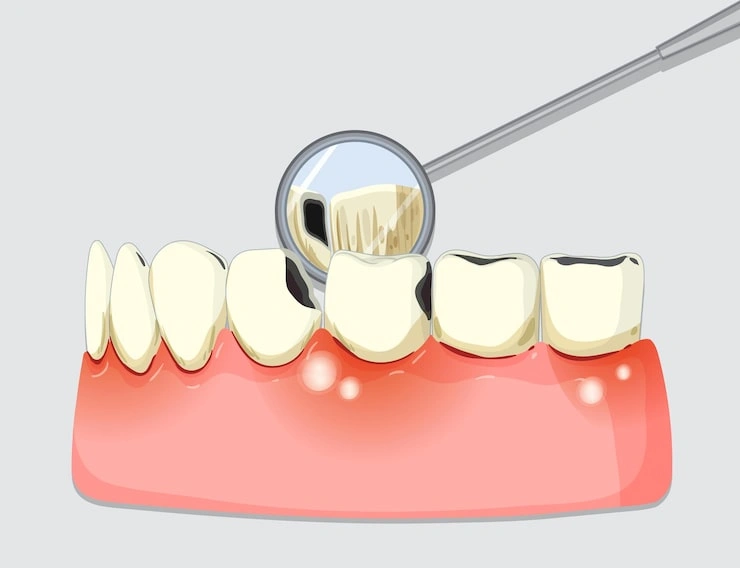
Cavities, also known as dental caries, are a prevalent dental issue that can affect people of all ages. They develop when plaque—a sticky film of bacteria—builds up on teeth due to frequent snacking, consuming sugary drinks, or neglecting oral hygiene. If left untreated, cavities can deteriorate into tooth decay, sensitivity, and even infection.
 
At Dana Dental, we provide cavity treatment in Aurora to help restore your teeth and prevent further damage. Whether you need fluoride treatment, dental fillings, or more advanced care, our team is here to help protect your smile.

Understanding How Cavities Form

Cavities develop when the mouth’s bacteria interact with food particles, especially sugars, to produce acids. These acids gradually weaken and erode the enamel, leading to small holes in the teeth. Some common signs of cavities include:

  • Visible pits or dark spots on the tooth surface
  • Sensitivity to hot, cold, or sweet foods
  • Mild to severe tooth pain
  • Bad breath or an unpleasant taste in the mouth

Early detection and treatment can help prevent cavities from worsening and requiring more extensive procedures.

Cavity Treatment Options

The appropriate treatment for cavities depends on the extent of decay. Our dental team will assess your condition and recommend the best course of action to restore your tooth’s health and function.
 

Fluoride Treatment

For early-stage cavities, fluoride treatments can help remineralize the enamel and stop further decay. This simple, non-invasive procedure strengthens the tooth’s surface and enhances its resistance to bacteria.
 

Dental Fillings

If a cavity has progressed beyond the initial stage, a dental filling is used to restore the tooth’s structure. After removing the decayed portion, the dentist fills the area with a durable material, such as composite resin, to match the natural tooth colour. Patients often inquire about the dental cavity filling cost, which varies depending on the material used and the extent of the decay. Our team will discuss your options and provide a detailed breakdown of costs before proceeding with treatment.
 

Root Canal Treatment

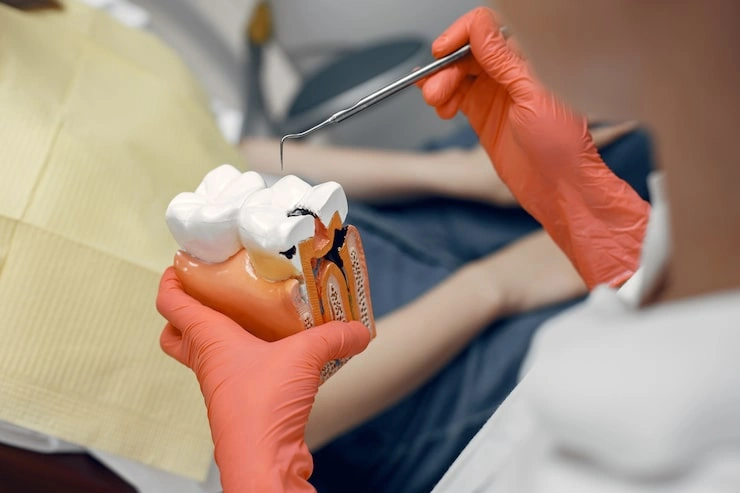
When a cavity reaches the tooth’s pulp—where nerves and blood vessels reside—it can lead to infection and severe pain. A root canal procedure involves removing the infected tissue, cleaning the inner tooth, and sealing it with a biocompatible material. A crown is then placed to restore the tooth’s function and appearance.
 

Tooth Extraction

In cases where the tooth is severely damaged and cannot be saved, extraction may be necessary. However, preserving natural teeth is always our priority, and we explore all possible treatments before considering removal.

Preventing Cavities and Maintaining Oral Health

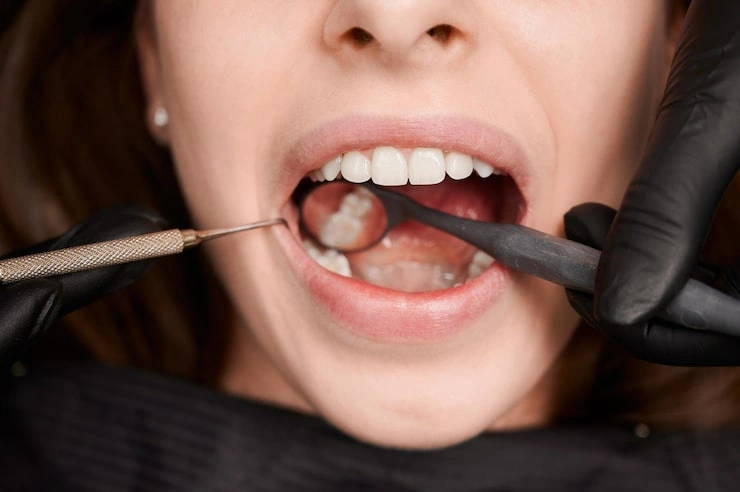
Ensuring a good oral hygiene regimen and scheduling regular dental checkups and examinations are key to preventing cavities. To keep your teeth healthy:

  • Brush twice a day with fluoride toothpaste
  • Floss daily to remove plaque between teeth
  • Limit sugary foods and acidic beverages
  • Visit your dentist for professional cleanings and exams

Affordable Cavity Treatment in Aurora

If you have concerns about cavities, don’t wait for them to worsen. At Dana Dental, we offer personalized cavity treatment in Aurora to help protect your teeth and maintain your oral health. If you have questions about the dental cavity filling cost, our team is happy to discuss options that suit your needs.

Please book an appointment today and visit our Aurora dental office at 15277 Yonge St, Suite 1 & 2, Aurora, Ontario.

Schedule your appointment for dental Cavity in Aurora

FAQs About Cavity Treatment in Aurora

1. How do I know if I have a cavity?
Common signs include tooth sensitivity, visible dark spots, bad breath, and tooth pain. A dentist can confirm with an exam or x-ray.

Costs vary depending on the material used and the size of the cavity. Composite (tooth-coloured) fillings are usually more expensive than silver ones, but your dentist will provide an exact estimate.

Most fillings are done under local anesthesia, so patients feel little to no pain during the procedure. Mild sensitivity afterward is normal and temporary.

Brush twice daily, floss once a day, limit sugary foods/drinks, and visit your dentist regularly for checkups and cleanings.