
Periodontal Therapy In Aurora | Treating Gum Disease

Dana Dental Clinic in Aurora

Periodontal Therapy In Aurora | Treating Gum Disease

Gum disease is a common oral health condition that affects the gums and supporting structures of the teeth. Without timely periodontal therapy in Aurora, it can progress into periodontitis and may lead to tooth loss. Early detection and proper care are essential to prevent serious complications and maintain a healthy smile.


Common symptoms include red or swollen gums, gum recession, persistent bad breath, bleeding while brushing or flossing, deep gum pockets, loose teeth, and plaque buildup. If you notice any of these signs, periodontal therapy in Aurora can help restore your gum health and protect your overall oral well-being.
What does periodontitis treatment cost?

The periodontitis treatment cost varies, like root canal treatment, depending on how severe the condition is and the required procedures. Non-surgical treatments like scaling and root planing are generally more affordable, while surgical interventions may have higher costs. Our team will provide a detailed treatment plan during your consultation and discuss costs based on your specific needs.

Understanding Periodontal Therapy

Periodontal therapy is designed to treat gum disease by eliminating food particles, plaque, bacteria, and debris that contribute to infection. At Dana Dental, we offer comprehensive periodontal treatments aimed at restoring oral health and preventing the progression of periodontitis.

Scaling and Root Planing

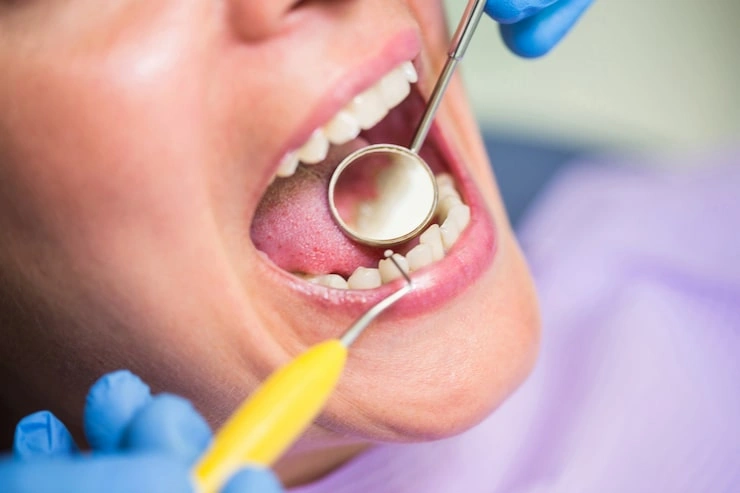
The initial stage of periodontal therapy typically involves scaling, a procedure that removes plaque and tartar buildup from below the gumline. This is followed by root planing, which smooths the tooth roots to discourage further bacterial accumulation and promote gum reattachment. These non-surgical treatments are highly effective for managing mild to moderate gum disease.

Surgical Treatment Options

For more advanced cases, periodontal surgery may be necessary to restore gum health. Procedures such as pocket reduction surgery help eliminate deep spaces where bacteria can thrive. In cases of gum recession, gum grafting may be recommended to protect exposed tooth roots and improve overall gum structure.

Medications for Periodontitis

Depending on the severity of the condition, your dentist may prescribe antibiotic therapy or antibacterial rinses to control bacterial growth. These medications are typically used alongside scaling and root planing to enhance treatment effectiveness, rather than as standalone solutions.

Preventing gum disease for long-term oral health

To maintain healthy gums and prevent recurrence, it is essential to follow good oral hygiene habits:
  • Brush twice daily with fluoride toothpaste
  • Floss regularly to remove plaque between teeth
  • Use a dentist-recommended antibacterial mouthwash
  • Visit your dentist in Aurora for routine cleanings and gum health assessments

Schedule your periodontal therapy in Aurora

FAQs About Periodontal Therapy in Aurora

1. What is periodontal therapy?
Periodontal therapy refers to treatments that target gum disease by removing plaque, tartar, and bacteria from above and below the gumline. It may include non-surgical options like scaling and root planing, or surgical treatments in advanced cases.
If you have red, swollen, or bleeding gums, persistent bad breath, receding gums, or loose teeth, you may need gum disease treatment. A dental exam will confirm the severity.
Most non-surgical treatments are performed with local anesthesia to ensure comfort. Some tenderness may occur afterward, but it’s usually mild and temporary.
The cost depends on the severity of gum disease and the type of treatment required. Scaling and root planing are more affordable, while surgical procedures may cost more. A consultation will provide a personalized estimate.
Early-stage gum disease (gingivitis) can often be reversed with proper care. Advanced periodontitis can’t be fully cured but can be managed effectively with treatment to prevent further damage.
Brushing, flossing, using antibacterial rinses, and visiting your dentist regularly for cleanings are the best ways to maintain gum health after treatment.
Non-surgical treatments like scaling and root planing may take one or two visits, while surgical procedures require additional time and healing.