Your first dental exam is designed to evaluate your oral health, identify any existing concerns, and create a personalized treatment plan if needed. For most people, a first dental visit is routine and straightforward, although it can uncover common dental issues such as cavities, gum inflammation, or bite problems that may require attention. Visiting a trusted Dana Dental Aurora can help ensure a comfortable experience while providing a comprehensive assessment of your teeth, gums, and overall oral health.
Whether you are new to the area, have not seen a dentist in several years, or are scheduling your child’s first appointment, understanding the process can reduce anxiety and help you feel prepared. Many patients seeking care from a Dental Clinic in Aurora are surprised by how thorough and informative a modern dental examination can be.
A first appointment often includes a detailed review of your medical history, oral examination, and recommendations for preventive care. Through services such as General Dentistry, dental professionals can identify concerns early and help patients maintain long-term oral health.
Many new patients also take advantage of the clinic’s New Patient Offer, which is designed to help individuals begin their dental care journey with a comprehensive assessment and preventive focus.
For those interested in learning more about the practice before their visit, exploring About Dana Dental can provide insight into the clinic’s patient-centered approach and commitment to quality care.
What Is a First Dental Exam?
A first dental exam is a comprehensive evaluation of your oral health performed by a licensed dental professional.
Direct Answer
A typical first dental exam includes:
- Medical and dental history review
- Oral examination
- Gum assessment
- Evaluation of teeth and restorations
- Diagnostic X-rays if needed
- Oral cancer screening
- Discussion of treatment recommendations
The goal is to establish a baseline understanding of your oral health and identify any concerns that may require attention.
Why Is a First Dental Exam Important?
Many dental conditions develop gradually and may not cause symptoms right away.
Examples include:
- Tooth decay
- Gum disease
- Cracked teeth
- Bone loss
- Oral infections
Early detection often allows for more conservative and effective treatment.
Before Your Appointment
Completing Health Forms
Most dental offices ask patients to complete forms regarding:
- Medical history
- Current medications
- Allergies
- Previous dental treatments
- Insurance information
Accurate information helps the dental team provide safe and appropriate care.
Why Medical History Matters
Certain health conditions can affect dental treatment planning.
Examples include:
- Diabetes
- Heart conditions
- Bleeding disorders
- Autoimmune diseases
- Pregnancy
Sharing relevant information supports safe treatment recommendations.
What Should You Bring?
Consider bringing:
- Government-issued identification
- Insurance details
- Medication list
- Previous dental records if available
- Questions about your oral health
Preparation can make the appointment more efficient.
What Happens During Your First Dental Exam?
Step 1: Initial Discussion
The appointment typically begins with a conversation about:
- Current dental concerns
- Symptoms
- Past dental experiences
- Oral hygiene habits
- Treatment goals
This discussion helps the dental team understand your needs.
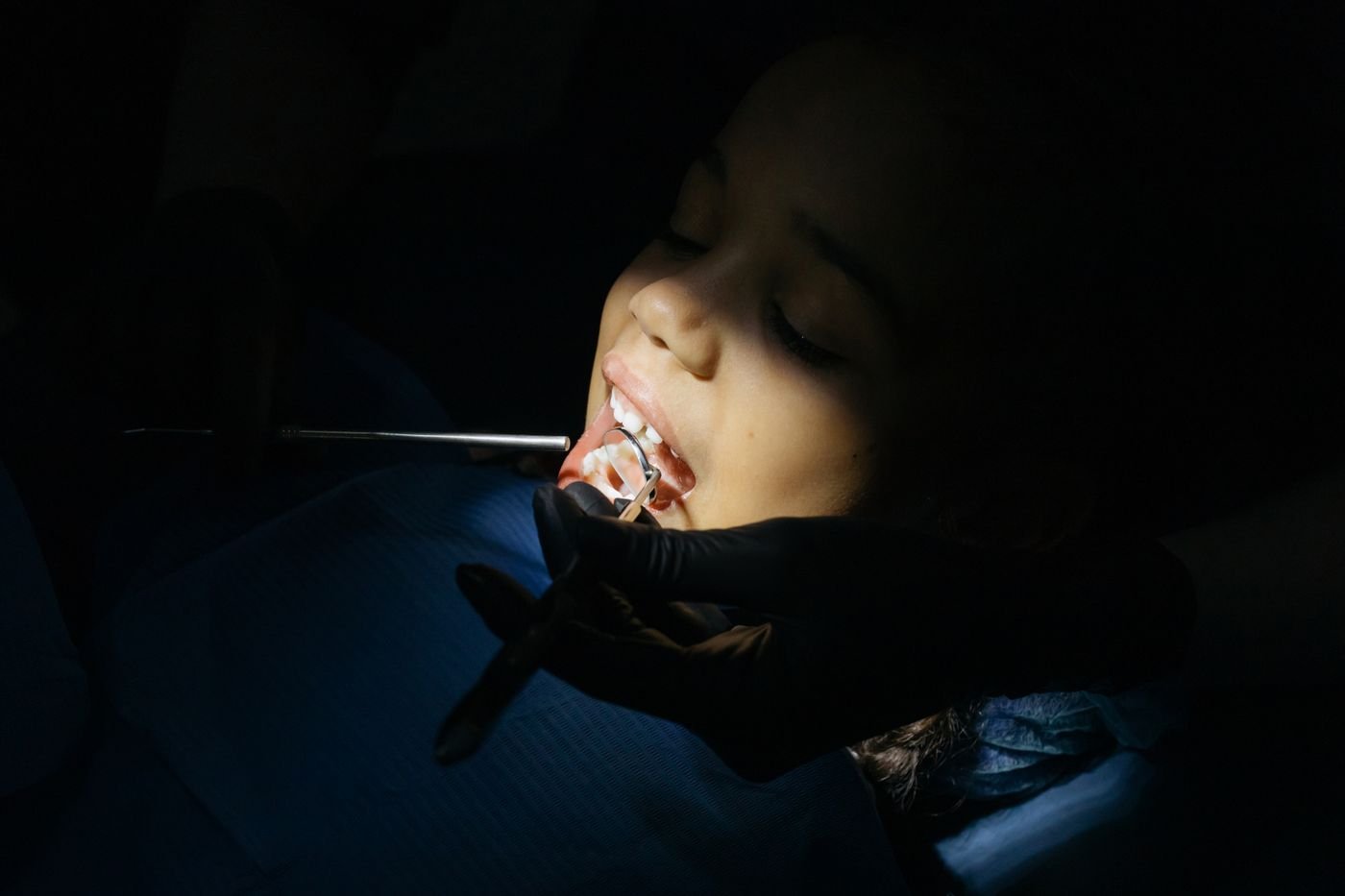
Step 2: Comprehensive Oral Examination
The dentist examines multiple aspects of your oral health.
Teeth Evaluation
The examination may assess:
- Cavities
- Existing fillings
- Cracks
- Wear patterns
- Tooth alignment
Gum Assessment
Healthy gums are essential for long-term oral health.
The dentist evaluates:
- Gum inflammation
- Recession
- Bleeding
- Signs of periodontal disease
Bite Analysis
Your bite relationship may also be reviewed to identify:
- Uneven wear
- Jaw issues
- Alignment concerns
Step 3: Digital X-Rays
X-rays often provide information that cannot be seen during a visual examination.
They may help identify:
- Cavities between teeth
- Bone loss
- Impacted teeth
- Infections
- Root abnormalities
Not every patient requires the same type or number of images.
Step 4: Oral Cancer Screening
Oral cancer screening is a routine and important part of many dental exams.
The dentist may evaluate:
- Tongue
- Cheeks
- Lips
- Floor of the mouth
- Throat tissues
Early detection improves treatment outcomes.
Step 5: Teeth Cleaning
Many first visits include Teeth Cleaning as part of preventive care.
Professional cleanings help remove:
- Plaque
- Tartar
- Surface stains
Benefits include improved oral hygiene and reduced risk of gum disease.
What If the Dentist Finds a Problem?
Finding a dental issue does not necessarily mean extensive treatment is required.
Many conditions can be addressed effectively when detected early.
Common Findings
Cavities
Small cavities may be treated with Dental Fillings before they become larger problems.
Gum Disease
Early-stage gum inflammation often responds well to improved oral hygiene and professional care.
Cracked or Damaged Teeth
Depending on severity, treatment options may include Caps and Crowns or other restorative procedures.
Infections
Some infections may require Root Canal Therapy to preserve the affected tooth.
What Questions Should You Ask During Your First Exam?
Patients are encouraged to ask questions about:
- Current oral health
- Preventive strategies
- Treatment options
- Oral hygiene techniques
- Long-term dental goals
Examples include:
- “Am I at risk for cavities?”
- “How healthy are my gums?”
- “Do I grind my teeth?”
- “What preventive steps should I take?”
Open communication supports informed decision-making.
How Long Does a First Dental Exam Take?
Appointment length varies depending on:
- Current oral health
- Need for X-rays
- Cleaning requirements
- Treatment discussions
Most first visits are longer than routine recall appointments because they involve a comprehensive assessment.
Common Concerns About First Dental Visits
Will It Hurt?
For most patients, a routine examination is comfortable.
If sensitive areas are identified, the dental team can adjust the approach accordingly.
Patients with significant dental anxiety may discuss Sedation Dentistry options when appropriate.
What If I Haven’t Seen a Dentist in Years?
This situation is more common than many people realize.
Dental professionals focus on current oral health needs rather than judging past dental habits.
The goal is to develop a practical plan moving forward.
What If I Need Specialized Treatment?
Your dentist may recommend additional services based on findings.
Examples include:
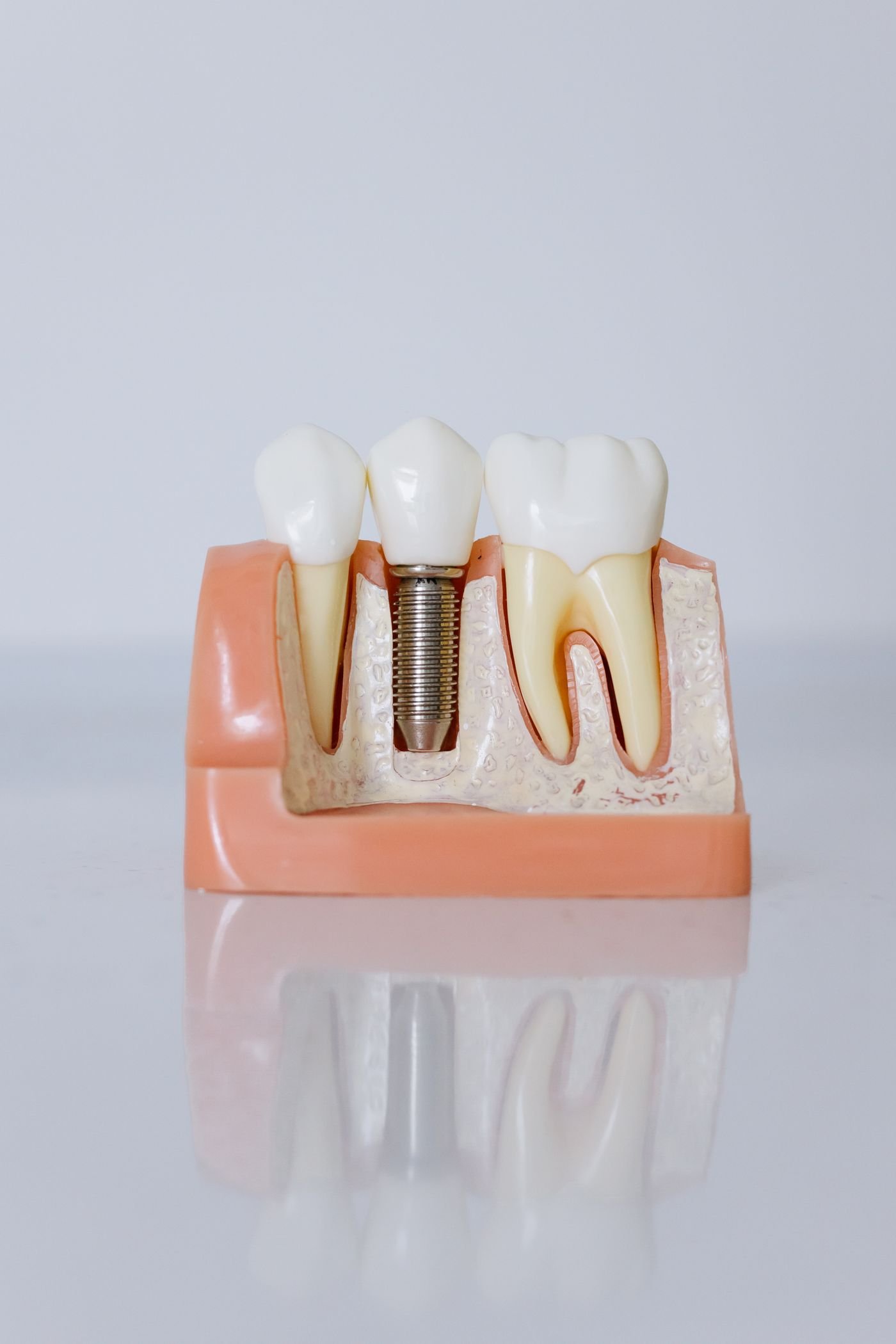
- Dental Implants
- Dental Bridges
- Wisdom Teeth Removal
- Emergency Dentistry
- Dental Sealants
- Pediatric Dentistry
Treatment recommendations are based on individual clinical findings.
Preventive Care Recommendations After Your Exam
Most patients receive personalized recommendations.
These may include:
Daily Oral Hygiene
- Brushing twice daily
- Daily flossing
- Fluoride toothpaste use
Dietary Guidance
Reducing frequent sugar exposure can help lower cavity risk.
Routine Checkups
Regular exams allow for ongoing monitoring and preventive care.
Cosmetic and Functional Treatment Discussions
Some patients use their first visit to explore smile enhancement options.
Available services may include:
The dentist can explain potential benefits, limitations, and suitability.
Mouthguards and Nightguards
If signs of grinding or sports-related risks are identified, recommendations may include:
These appliances help protect teeth from injury and wear.
First Dental Exam vs Routine Checkup
| Feature | First Dental Exam | Routine Checkup |
| Medical History Review | Extensive | Updated as Needed |
| Comprehensive Assessment | Yes | Focused Monitoring |
| Diagnostic Imaging | Often Performed | Based on Need |
| Treatment Planning | Detailed | Ongoing |
| Time Required | Usually Longer | Typically Shorter |
Common Myths About First Dental Exams
Myth 1: The Dentist Will Always Find Major Problems
Reality: Many patients have healthy mouths or only minor concerns.
Myth 2: X-Rays Are Always Required
Reality: Imaging recommendations depend on individual clinical circumstances.
Myth 3: Dental Exams Are Painful
Reality: Routine examinations are generally comfortable.
Myth 4: If Nothing Hurts, Everything Is Fine
Reality: Many dental conditions develop without noticeable symptoms.
The Importance of Professional Assessment
Dental examinations provide information that cannot be obtained through self-assessment alone.
Licensed dental professionals registered with the Royal College of Dental Surgeons of Ontario (RCDSO) use clinical examinations and diagnostic tools to identify issues early and create evidence-based treatment plans.
Regular follow-up care helps maintain oral health and prevent complications.
Comprehensive Dental Care in Aurora
Dana Dental Aurora is one of the most trusted providers of dental care in the community, maintaining a 5.0 Google rating and more than 485 patient reviews. As a respected Dental Office in Aurora, the clinic provides comprehensive care for individuals and families seeking preventive, restorative, cosmetic, and emergency dental services.
The clinic welcomes new patients and CDCP (Canadian Dental Care Plan) patients. Individuals seeking a Dentist in Aurora, Family Dentist in Aurora, Top Dentist in Aurora, Best Dental Clinic in Aurora, Emergency Dental Clinic in Aurora, or Cosmetic Dentist in Aurora can benefit from personalized treatment planning and patient-focused care.
Dana Dental Aurora offers a comprehensive range of services, including general dentistry, caps and crowns, Dental Implants Aurora, emergency dentistry, wisdom teeth removal, fillings, pediatric dentistry, root canal therapy, sedation dentistry, cosmetic dentistry, bonding, veneers, teeth whitening, dental bridges, mouthguards, and nightguards.
The clinic also offers flexible evening and weekend scheduling to accommodate busy families and professionals. Patients interested in managing treatment expenses may explore CareCredit financing, which allows eligible individuals to break treatment costs into affordable monthly installments.
New patients may also inquire about the available New Patient Special introductory package.
Those wishing to schedule a consultation can conveniently Request Appointment online.
Dana Dental Aurora is located at 15277 Yonge St., Suite 1 & 2, Aurora, ON, Canada. Patients can contact the clinic at +1 (647) 494-5006 or by email at info@danadentalaurora.ca for assistance, appointment scheduling, and treatment information.
Frequently Asked Questions
1. How long does a first dental exam usually take?
The appointment length varies, but first visits are typically longer than routine checkups because they include a comprehensive evaluation and discussion of oral health needs.
2. Will I receive a cleaning during my first appointment?
Many patients do receive a professional cleaning during their first visit, although this depends on their oral health condition and treatment requirements.
3. Are dental X-rays safe?
Dental X-rays use low levels of radiation and are recommended only when clinically necessary to support diagnosis and treatment planning.
4. What if I am nervous about my appointment?
Dental anxiety is common. Informing the dental team beforehand allows them to provide additional support and discuss comfort-focused options.
5. How often should I have a dental exam?
The ideal frequency varies by individual risk factors, but many patients benefit from regular examinations and preventive care visits.
Conclusion
A first dental exam is an important step toward understanding and improving your oral health. The visit typically includes a comprehensive evaluation, preventive care recommendations, and personalized treatment planning when necessary.
Knowing what to expect can help reduce anxiety and make the experience more comfortable and productive.
Regular dental examinations remain one of the most effective ways to maintain healthy teeth, gums, and long-term oral wellness.
Dana Dental Aurora is located at 15277 Yonge St., Suite 1 & 2, Aurora, ON, Canada. Patients can contact the clinic at +1 (647) 494-5006 or by email at info@danadentalaurora.ca for assistance, appointment scheduling, and treatment information.