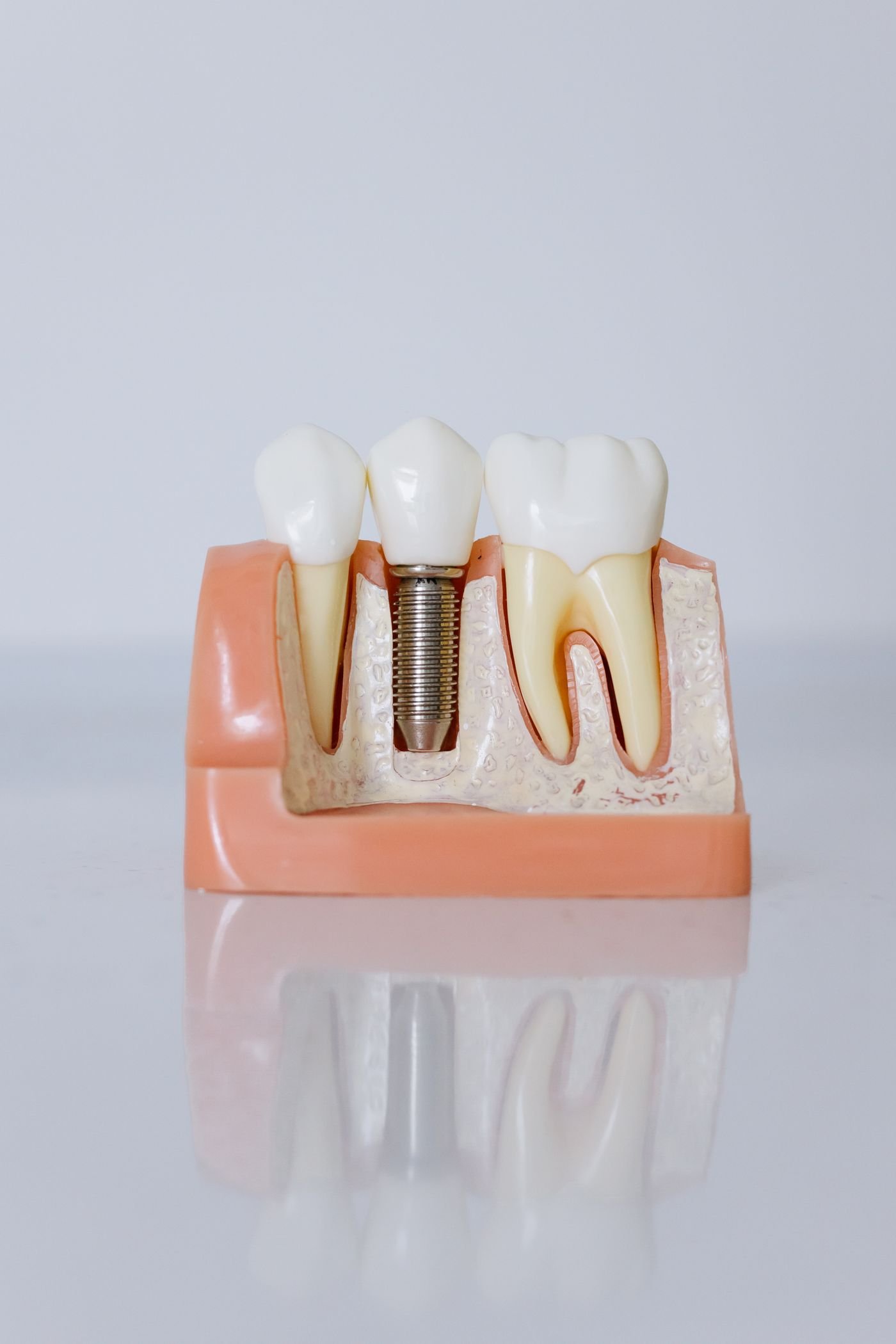

One of the most common questions people have when considering a visit to the dentist is about the investment involved, particularly for an initial consultation. Whether you’re new to Aurora, searching for a new dental provider, or simply haven’t been to the dentist in years, understanding what dental consultations typically involve and what factors influence their cost helps you budget appropriately and removes barriers to seeking the care you need.
For Aurora residents looking for transparent, fair pricing combined with excellent care, working with the Best Dental Care in Aurora means receiving clear communication about costs upfront, comprehensive evaluations that provide real value, and treatment recommendations focused on your long-term oral health rather than unnecessary procedures.
Understanding what’s included in a dental consultation, how insurance coverage works, and what options exist for making dental care affordable empowers you to prioritize your oral health without financial stress or uncertainty.
What Is Included in a Dental Consultation?
A comprehensive dental consultation involves much more than a quick look at your teeth. Understanding what you’re receiving helps you appreciate the value of this important first step in your dental care journey.
The initial examination includes a thorough assessment of your teeth, gums, bite, jaw joints, and oral tissues. Your dentist checks for cavities, gum disease, oral cancer, bite problems, and other conditions that might affect your oral health. This visual and tactile examination provides crucial baseline information about your current dental status.
Diagnostic imaging, typically including X-rays, allows your dentist to see what’s happening beneath the surface. X-rays reveal decay between teeth, problems with tooth roots, bone loss from gum disease, impacted teeth, and other issues not visible during a visual examination. Digital X-rays used by most modern practices expose you to minimal radiation while providing immediate, detailed images.
Medical and dental history review helps your dentist understand your overall health, medications you take, previous dental work, and any concerns or symptoms you’re experiencing. This information provides context for your current oral health and helps identify risk factors that might require special attention.
Discussion of findings and treatment recommendations follows the examination. Your dentist explains what they discovered, shows you X-ray images and intraoral photos if available, and recommends appropriate treatments. This is your opportunity to ask questions, express concerns, and understand your options.
Treatment planning for more extensive needs might be included if significant dental work is required. Your dentist outlines a comprehensive plan prioritizing treatments based on urgency and importance, with estimated timelines and discussions about phasing treatment if needed.
For those seeking a trusted Dentist in Aurora, understanding that comprehensive consultations provide this level of detail and attention helps you appreciate why they’re so valuable for your long-term oral health.
Factors That Influence Consultation Costs
Several elements affect what you might invest in a dental consultation, and understanding these factors provides context for the range you might encounter.
The comprehensiveness of the examination influences the investment. A basic examination might include a visual assessment and discussion, while a comprehensive new patient examination typically includes full-mouth X-rays, detailed charting of all existing dental work and conditions, periodontal assessment measuring gum pocket depths, oral cancer screening, and bite evaluation.
The type of X-rays needed affects the overall investment. A limited set of bitewing X-rays to check for cavities between teeth involves one level of investment, while a full-mouth series providing comprehensive views of all your teeth and supporting structures represents a more substantial but also more thorough diagnostic tool. A panoramic X-ray showing your entire jaw, sinuses, and surrounding structures might be recommended in certain situations.
Whether you’re a new patient or an established patient returning after time away sometimes influences the examination scope and associated investment. New patients typically require more comprehensive initial assessments to establish a complete understanding of their oral health status.
Emergency consultations for urgent problems might have different fee structures than routine new patient examinations, particularly if they occur outside regular office hours. The urgency and timing of care can influence the investment involved.
Geographic location and practice overhead costs contribute to fee variations between dental offices. Practices in areas with higher operating expenses or those investing heavily in advanced technology and continuing education may have different fee structures than others.
The dentist’s experience and specialization can influence fees as well. Dentists with extensive experience, advanced training, or specialized expertise may structure their fees differently than general practitioners early in their careers.
Insurance Coverage for Dental Consultations
Understanding how dental insurance typically handles consultation and examination fees helps you anticipate your out-of-pocket investment.
Most dental insurance plans cover preventive services including examinations and cleanings at higher percentages than other dental work, often at 80% to 100% of the allowed amount. This means your insurance might cover most or all of the consultation investment, particularly if it’s classified as a routine examination rather than a comprehensive new patient workup.
New patient examinations and X-rays are typically covered once per patient when establishing care with a new dental practice. If you’re switching dentists, your insurance should cover this initial comprehensive assessment even though you’ve had examinations elsewhere previously.
Frequency limitations apply to routine examinations, usually allowing coverage for one or two checkups per year. If you’re seeking a consultation soon after a recent exam elsewhere, your insurance might not cover it depending on when your last covered examination occurred.
X-ray coverage also has frequency limitations, with full-mouth X-rays typically covered every few years and bitewing X-rays covered more frequently, often once or twice per year.
Pre-authorization isn’t usually required for basic examinations and diagnostic X-rays, but verifying your coverage beforehand prevents surprises. Your dental office can contact your insurance company to confirm your benefits and provide estimates of your portion before your appointment.
Working with professionals at a Dental Clinic in Aurora who understand insurance procedures and help maximize your benefits makes the financial aspect of dental care much more manageable and transparent.
Payment Options for Those Without Insurance
If you don’t have dental insurance, several options make dental consultations and ongoing care accessible and affordable.
Many dental practices offer special pricing for uninsured patients, recognizing that insurance shouldn’t be a barrier to receiving basic dental care. These promotional rates for new patient examinations and cleanings make establishing care more affordable.
Dental membership plans offered by individual practices provide an alternative to traditional insurance. For an annual fee, you receive preventive services like examinations, cleanings, and X-rays at no additional cost, plus discounts on other treatments. These plans often provide excellent value for patients without insurance.
Payment plans allow you to spread the investment for more extensive treatment over several months, making dental care fit more easily into your budget. Even if the consultation itself is manageable, knowing payment options exist for recommended treatment provides peace of mind.
Health Spending Accounts (HSAs) or Flexible Spending Accounts (FSAs) through your employer, if available, allow you to use pre-tax dollars for dental care including consultations. This effectively reduces your investment by your tax rate.
Prioritizing preventive care including regular consultations and cleanings actually saves money over time by catching problems early when they’re simpler and less expensive to treat. An affordable consultation today can prevent costly emergency treatment later.
The Value of Comprehensive Consultations
Rather than viewing dental consultations simply as an expense, consider the significant value they provide for your health and wellbeing.
Early detection of dental problems means simpler, more conservative, and more affordable treatment. A small cavity caught during a routine examination can be filled simply and inexpensively. That same cavity, if left untreated, might eventually require a root canal and crown, or even extraction and replacement—all far more complex and costly than a simple filling.
Oral cancer screening during dental examinations can literally save your life. Dentists are often the first healthcare providers to detect oral cancer, and early detection dramatically improves treatment outcomes. This screening alone provides enormous value beyond the direct dental benefits.
Prevention guidance tailored to your specific oral health status helps you maintain your teeth and gums more effectively. Your dentist can identify areas where you’re missing plaque during brushing, recommend products suited to your needs, and provide education about dietary choices affecting your oral health.
Establishing a dental home where your oral health history is documented and monitored over time leads to more personalized, effective care. Your dentist can track changes, identify patterns, and provide more informed recommendations when they know your complete dental history.
Peace of mind knowing the status of your oral health is valuable in itself. Even if the examination reveals no problems, the confirmation that your teeth and gums are healthy provides reassurance and motivation to maintain your good habits.
For comprehensive services from the Best Dentist in Aurora, the investment in quality consultations pays dividends through better oral health, early problem detection, and ultimately lower dental expenses over your lifetime.
Special Consultation Types and Their Costs
Beyond routine new patient examinations, various specialized consultations serve different purposes and may involve different investment levels.
Emergency consultations for urgent dental problems focus on diagnosing and addressing the immediate issue causing pain or concern. These focused examinations might not include comprehensive assessments of your entire oral health but concentrate on the specific problem requiring urgent attention.
Second opinion consultations provide independent evaluation of treatment recommendations you’ve received elsewhere. If you’re facing extensive or expensive dental work, seeking a second opinion before proceeding is entirely reasonable and may involve a consultation fee separate from any treatment.
Cosmetic consultations for smile makeovers, teeth whitening, veneers, or other aesthetic treatments allow discussion of your goals and exploration of options available to achieve your desired results. These specialized consultations might include digital smile previews or mock-ups showing potential outcomes.
Orthodontic consultations evaluate bite alignment and discuss options like Invisalign or traditional braces for straightening teeth. These consultations typically include specific diagnostic records like photographs and bite impressions in addition to examinations and X-rays.
Implant consultations for patients considering dental implants to replace missing teeth involve specialized imaging, often including 3D CT scans, to assess bone quality and plan precise implant placement.
Questions to Ask About Consultation Costs
Being informed about dental consultation costs before your appointment prevents surprises and helps you budget appropriately. Don’t hesitate to ask these important questions.
What does the consultation fee include? Understanding whether X-rays, cleaning, or other services are bundled with the examination fee or charged separately helps you know the total investment upfront.
Do you offer any promotions or discounts for new patients? Many practices provide special pricing to welcome new patients and make that important first visit more accessible.
What will my insurance cover, and what will I owe out of pocket? Asking the dental office to verify your insurance benefits before your appointment provides clarity about your financial responsibility.
What payment methods do you accept? Knowing whether the practice accepts credit cards, offers payment plans, or requires payment in full at the time of service helps you prepare appropriately.
If treatment is recommended, what are my payment options? Understanding financing availability for any recommended procedures provides peace of mind even if you’re not ready to proceed immediately.
Can you provide a detailed cost estimate before performing any services? Transparent practices provide written estimates showing exactly what you’re agreeing to before beginning any treatment.
How to Maximize the Value of Your Consultation
Getting the most from your dental consultation investment involves some preparation and active participation.
Bring relevant medical information including a list of medications you take, known allergies, and any health conditions. This saves time and ensures your dentist has the complete picture of your health status.
Prepare a list of concerns or questions you want to address. If specific teeth bother you, if you’re unhappy with your smile’s appearance, or if you have questions about certain treatments, writing these down beforehand ensures you don’t forget to discuss them.
Be honest about your dental history, including how long it’s been since your last visit and any habits like smoking or grinding teeth that might affect your oral health. Your dentist needs complete, accurate information to provide the best recommendations.
Ask questions when you don’t understand something. Your consultation should leave you well-informed about your oral health status and any recommended treatments. Don’t leave confused or uncertain—clarification is always welcome.
Take notes or ask for written information about recommendations. When you’re receiving a lot of information during your consultation, it’s easy to forget details later. Written treatment plans help you remember what was discussed.
Red Flags: When Consultation Fees Seem Unreasonable
While dental care requires investment, certain situations should raise concerns about whether you’re receiving fair value.
Extremely low fees that seem too good to be true sometimes are exactly that—too good to be true. Some practices use very low examination fees to get patients in the door, then aggressively push extensive treatment whether truly needed or not.
Pressure to commit to treatment immediately without time to consider your options suggests more interest in making sales than providing patient-centered care. Reputable dentists present information and recommendations, answer your questions, and give you time to make informed decisions.
Reluctance to provide cost estimates or vague answers about fees before treatment should concern you. Transparent practices provide clear information about costs upfront.
Recommendations for extensive treatment after minimal examination without adequate diagnostic imaging or explanation seems suspicious. Comprehensive treatment plans should be based on thorough evaluation and clearly explained.
Unwillingness to work with your insurance or help you understand your coverage might indicate administrative disorganization or lack of concern for making care accessible.
The Long-Term Investment in Dental Health
Viewing dental consultations and ongoing care as long-term investments in your health provides perspective that extends beyond the immediate cost.
Preventing major dental problems through regular checkups saves substantial money over time. The investment in routine preventive care is minimal compared to the expense of treating advanced decay, gum disease, or tooth loss.
Maintaining your natural teeth supports better overall health. Research links periodontal disease to heart disease, diabetes complications, and other systemic health issues. Investing in dental health contributes to your general wellbeing beyond just your mouth.
A healthy, attractive smile affects your confidence and how others perceive you. Studies show that people with attractive smiles are perceived as more successful, trustworthy, and approachable. The personal and professional benefits of a healthy smile extend far beyond the dental chair.
Establishing consistent dental care early and maintaining it throughout life leads to better long-term outcomes and lower lifetime dental expenses than sporadic care only when problems arise.
Making Dental Care a Priority
Despite understanding the importance of dental health, many people delay consultations and care due to cost concerns. However, several perspectives help prioritize this essential aspect of your health.
Dental problems rarely resolve on their own and almost always worsen without treatment. The investment you avoid today by skipping the consultation typically becomes a much larger investment later when the problem requires more extensive treatment.
Emergency dental care is almost always more expensive than preventive care. A late-night emergency visit for severe tooth pain costs significantly more than regular checkups that could have prevented the problem.
Your oral health affects your quality of life daily. Tooth pain interferes with eating, sleeping, and concentration. Embarrassment about your smile affects your willingness to interact socially and professionally. The value of comfortable, confident daily living is difficult to quantify but undeniably important.
Frequently Asked Questions
Are dental consultations really necessary if I don’t have any problems?
Yes, regular dental consultations are crucial even when you feel fine. Many serious dental problems including cavities, gum disease, and even oral cancer develop without obvious symptoms in early stages. By the time you notice pain or other symptoms, the problem has often progressed significantly, requiring more extensive and expensive treatment. Preventive consultations catch problems early when they’re simpler to treat, screen for oral cancer, remove plaque buildup before it causes damage, and help you maintain optimal oral health.
Will my consultation fee be applied to treatment if I proceed?
Policies vary between dental practices. Some offices apply the consultation fee toward treatment if you proceed with recommended procedures, while others keep examination fees separate from treatment costs. This is an excellent question to ask when scheduling your consultation. Understanding the practice’s policy helps you know exactly what to expect financially if you decide to move forward with treatment recommendations.
How often should I have dental consultations?
Most people should have dental examinations every six months as part of routine preventive care. Some patients with higher risk factors like gum disease, high cavity rates, or certain medical conditions might need more frequent examinations every three to four months. Others with excellent oral health and low risk might extend to annual visits. Your dentist recommends a schedule based on your individual oral health status and risk factors.
Can I get a consultation for just cosmetic concerns?
Absolutely. Many dental practices offer cosmetic consultations specifically focused on aesthetic improvements like teeth whitening, veneers, bonding, or smile makeovers. These consultations typically include discussion of your goals, examination of your teeth and smile, and exploration of treatment options that could achieve your desired results. Some practices offer complimentary cosmetic consultations, while others charge a fee. Asking about this when scheduling ensures you understand any investment involved.
What if the consultation reveals I need expensive treatment I can’t afford right now?
Reputable dentists understand that financial constraints are real and work with patients to develop treatment plans that fit their budgets. Your dentist can prioritize treatments, addressing the most urgent or important issues first and scheduling less critical work for later. Payment plans and financing options make larger treatments more manageable through monthly installments. Don’t avoid the consultation due to fear of expensive recommendations—knowing what you need allows informed planning, and good dentists help you access necessary care regardless of budget constraints.
Conclusion
Understanding dental consultation costs in Aurora involves recognizing that you’re investing in far more than a simple appointment, you’re investing in your long-term oral health, overall wellbeing, and quality of life. While the immediate financial commitment for a consultation might seem like an expense, the value provided through early problem detection, preventive care, professional guidance, and peace of mind far exceeds the cost. By understanding what’s included in consultations, how insurance works, and what payment options exist, you can prioritize your dental health without financial stress. The key is finding a dental practice that combines transparent pricing with genuine care for your wellbeing, ensuring you receive honest recommendations focused on your health rather than unnecessary treatment.
Dana Dental stands out as one of the best dental clinics in Aurora through a commitment to transparent communication about costs, comprehensive consultations that provide real value, and patient-centered care that prioritizes your long-term oral health. The practice welcomes new patients and takes pride in removing barriers to dental care through clear pricing, insurance assistance, and flexible payment options that make quality dentistry accessible. Whether you need a routine examination, have specific concerns to address, or haven’t visited a dentist in years, the experienced team provides the thorough, compassionate care you deserve.
Located at 15277 Yonge St Suite 1 & 2, Aurora, ON L4G 1Y3, Dana Dental combines modern technology with a welcoming environment where your questions are answered, your concerns are heard, and your comfort matters. To schedule your consultation and take that important first step toward optimal oral health, contact Dana Dental at +1-647-494-5006 or email info@danadentalaurora.ca. Your smile deserves the investment, and Dana Dental is ready to be your partner in achieving and maintaining excellent oral health for years to come.