One of the most common questions people have about dental care is what they can expect to invest in professional cleanings. Whether you’re establishing care with a new dentist, haven’t had a cleaning in years, or are simply budgeting for your family’s dental health, understanding the factors that influence dental cleaning costs helps you plan appropriately and removes financial barriers to receiving this essential preventive care.
For Aurora residents seeking transparent pricing combined with quality care, working with the Best Dental Care in Aurora means receiving clear communication about costs upfront, comprehensive cleanings that provide real value, and treatment recommendations focused on your long-term oral health rather than unnecessary procedures.
Understanding what influences dental cleaning costs, how insurance coverage works, and what options exist for making care affordable empowers you to prioritize your oral health without financial stress or uncertainty.
Factors That Influence Dental Cleaning Costs
Several elements affect what you might invest in professional dental cleanings, and understanding these factors provides context for the range of fees you might encounter.
The type of cleaning needed makes the most significant difference. Routine prophylaxis cleanings for patients with healthy gums and minimal tartar buildup represent the standard preventive service most people receive twice yearly. These cleanings maintain good oral health and prevent problems from developing.
Deep cleanings, also called scaling and root planing, become necessary when gum disease has developed. These more intensive treatments clean below the gum line, removing bacteria and tartar from tooth roots and smoothing root surfaces to help gums reattach to teeth. Deep cleanings require more time, specialized techniques, and often local anesthesia, making them a more substantial investment than routine cleanings.
Periodontal maintenance cleanings for patients with a history of gum disease fall between routine and deep cleanings in complexity and investment. These specialized cleanings, typically scheduled every three to four months, help keep gum disease under control.
Your oral health status when you arrive for cleaning affects the time and effort required. Someone who maintains excellent home care and visits regularly every six months needs less intensive cleaning than someone who hasn’t had professional care in several years and has significant tartar accumulation.
Geographic location influences dental fees. Practices in areas with higher operating costs, rent, and staff wages may have different fee structures than those in areas with lower overhead expenses. Even within Aurora, you might find some variation between dental offices based on their specific locations and operating expenses.
The dentist’s experience and the practice’s investment in technology and continuing education can influence fee structures as well. Practices using advanced ultrasonic scalers, air polishing systems, and other modern technology may have different pricing than those using only traditional manual instruments.
For those seeking a trusted Dentist in Aurora, understanding these factors helps explain fee variations and ensures you’re comparing similar services when evaluating different dental practices.
What’s Included in Your Dental Cleaning
Understanding what you receive during your cleaning appointment helps you appreciate the value of this investment in your oral health.
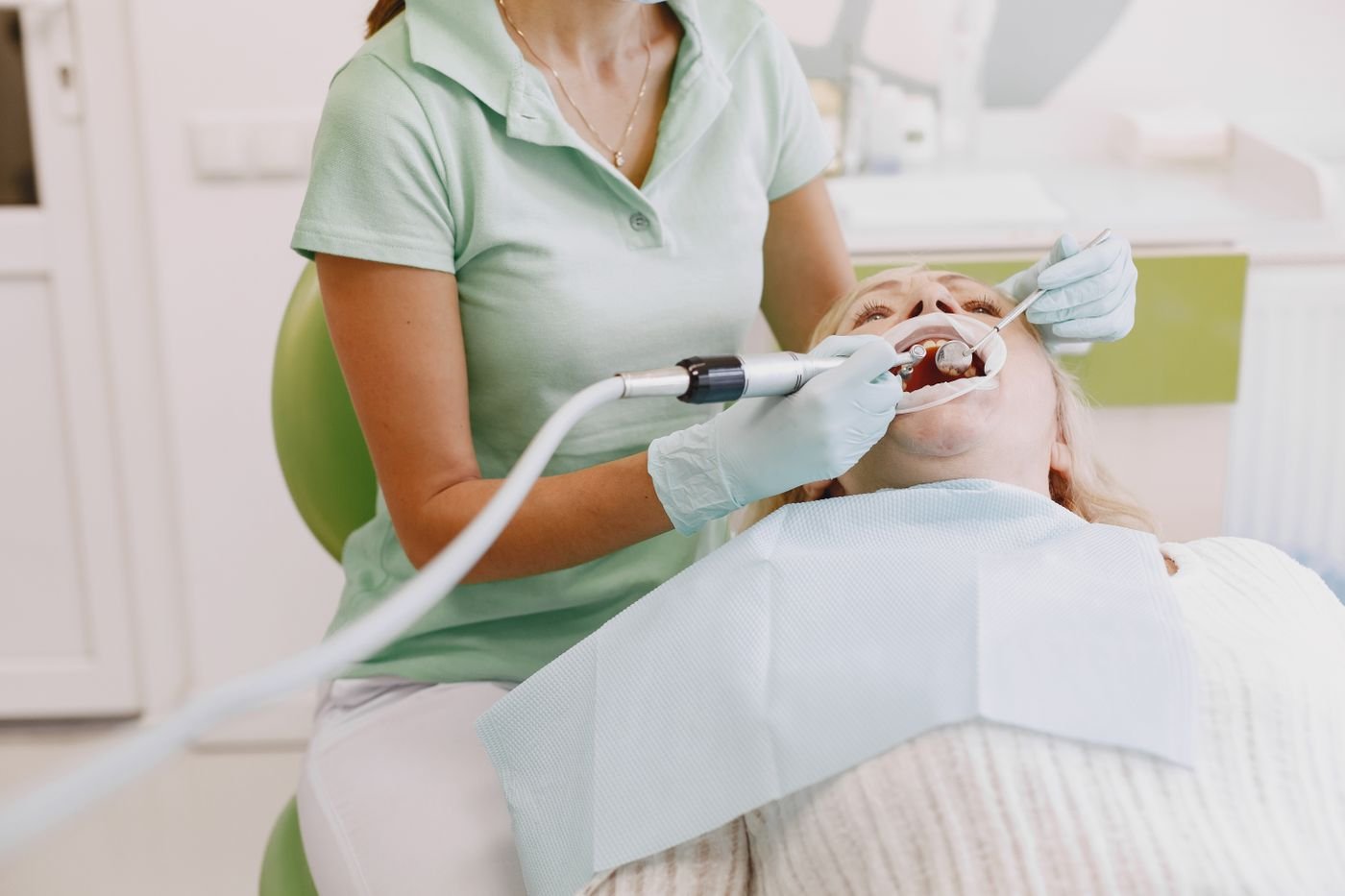
The examination component includes a thorough assessment of your teeth, gums, and overall oral health. Your dental hygienist checks for cavities, gum disease, oral cancer, and other conditions requiring attention. This screening provides crucial early detection of problems when they’re easiest and least expensive to treat.
Tartar and plaque removal constitute the core of your cleaning. Using specialized instruments, your hygienist carefully removes hardened deposits from your teeth, particularly along the gum line and between teeth where your toothbrush cannot reach effectively. Even with excellent home care, some plaque hardens into tartar that can only be removed professionally.
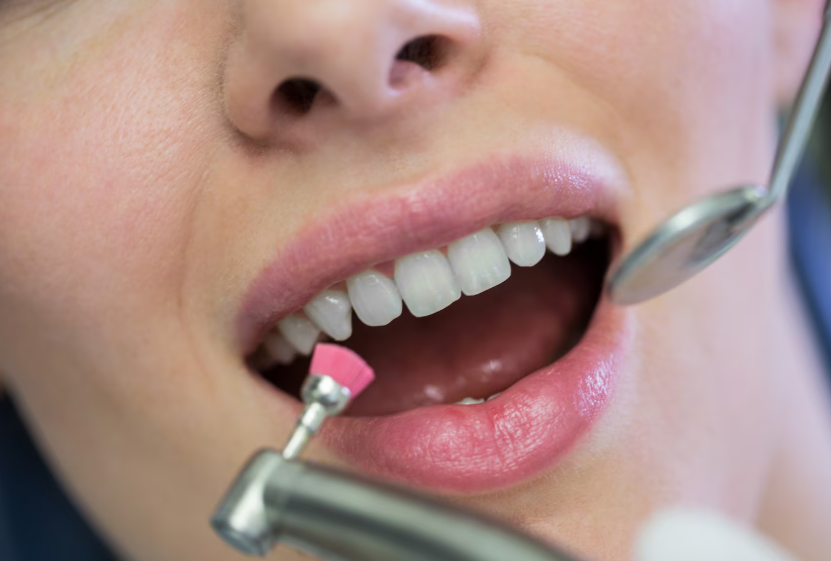
Teeth polishing follows tartar removal, using a gritty paste and high-powered brush to remove surface stains and any remaining plaque while smoothing tooth surfaces. This step leaves your teeth feeling incredibly clean and helps prevent rapid plaque accumulation before your next appointment.
Flossing ensures any debris loosened during cleaning is removed from between your teeth. Your hygienist flosses thoroughly, reaching areas that might trap particles or residual polishing paste.
Fluoride treatment often concludes the cleaning, providing additional cavity protection. This concentrated fluoride strengthens tooth enamel and helps reverse early decay, offering benefits that last several months.
Patient education throughout your appointment addresses proper brushing and flossing techniques, dietary choices affecting oral health, and personalized recommendations for maintaining your smile between visits.
For comprehensive Teeth Cleaning in Aurora, this thorough process ensures you receive maximum value from your preventive care investment.
Insurance Coverage for Dental Cleanings
Understanding how dental insurance typically handles cleaning costs helps you anticipate your out-of-pocket investment and maximize your benefits.
Most dental insurance plans cover preventive services including cleanings at a high percentage, often 80% to 100% of the allowed amount. This generous coverage reflects the insurance industry’s recognition that preventive care reduces overall dental expenses by preventing more serious and costly problems.
Typical plans cover two routine cleanings per year, usually spaced at least six months apart. This semi-annual coverage aligns with the standard recommendation for maintaining good oral health through regular professional care.
No deductible usually applies to preventive services including cleanings, meaning your insurance coverage begins immediately without requiring you to meet a deductible first. This makes preventive care very accessible for insured patients.
Deep cleanings for gum disease might be covered differently than routine cleanings. Some plans categorize deep cleaning as basic or major services rather than preventive, which could mean lower coverage percentages and potential deductible requirements. Understanding how your specific plan categorizes different cleaning types prevents surprise expenses.
Additional cleanings beyond the standard two per year typically require out-of-pocket payment unless you have documented medical necessity such as pregnancy, uncontrolled diabetes, or active gum disease requiring more frequent care.
Your dental office can verify your insurance benefits before your appointment, providing clarity about what your plan will cover and what you’ll owe out of pocket.
Working with professionals at a Dental Clinic in Aurora who understand insurance procedures and help you maximize your benefits makes the financial aspect of dental care much more manageable and transparent.
Payment Options for Uninsured Patients
If you don’t have dental insurance, several options make professional cleanings accessible and affordable.
Many dental practices offer special pricing for uninsured patients, recognizing that insurance shouldn’t be a barrier to receiving essential preventive care. These rates for self-pay patients can make cleanings quite affordable compared to what you might expect.
Dental membership plans offered by individual practices provide an alternative to traditional insurance. For an annual fee, you receive preventive services like examinations and cleanings at no additional cost, plus discounts on other treatments. These plans often provide excellent value for patients without insurance.
Package pricing for multiple family members sometimes offers savings when several household members need cleanings. Coordinating appointments so everyone receives care during one visit might also provide cost advantages.
Payment plans allow you to spread the investment for more extensive treatment over several months if your cleaning reveals problems requiring additional work. Even if the cleaning itself is manageable, knowing financing options exist for recommended treatment provides peace of mind.
Health Spending Accounts or Flexible Spending Accounts through your employer, if available, allow you to use pre-tax dollars for dental care including cleanings. This effectively reduces your investment by your tax rate.
Cash or debit payment sometimes offers modest discounts at practices that prefer to avoid credit card processing fees. Asking about cash discounts when scheduling your appointment might provide small savings.
The Long-Term Value of Regular Cleanings
Rather than viewing dental cleanings simply as an expense, consider the significant long-term value they provide for your health and finances.
Preventing cavities through regular plaque and tartar removal saves substantial money compared to treating decay with fillings, crowns, or root canals. A cavity caught early might require a simple filling, but that same cavity left untreated could eventually need a root canal and crown at many times the cost of regular preventive cleanings.
Preventing gum disease protects not only your oral health but your overall wellbeing. Research links gum disease to heart disease, diabetes complications, stroke, and other serious health conditions. The investment in regular cleanings that prevent gum disease provides health benefits extending far beyond your mouth.
Early detection during the examination portion of cleaning appointments identifies problems when they’re smallest and simplest to treat. Small cavities, cracked fillings, and early gum disease can be addressed quickly and affordably when caught early, preventing them from becoming dental emergencies requiring extensive treatment.
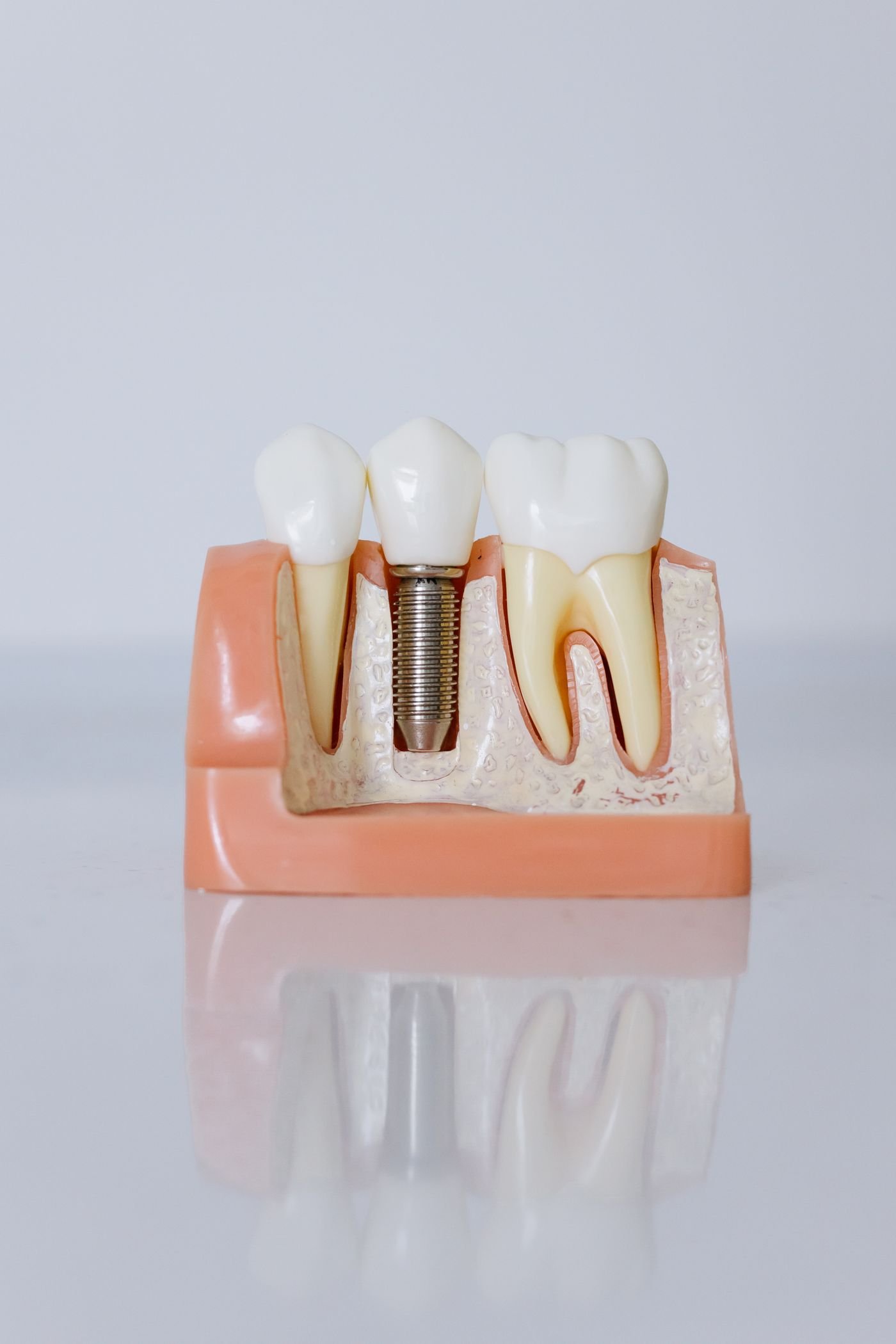
Maintaining your natural teeth through preventive care avoids the expense and inconvenience of tooth replacement. Dental implants, bridges, and dentures cost significantly more than regular cleanings, making prevention the most economical long-term strategy.
For additional services enhancing your smile beyond basic cleaning, many practices offer Teeth Whitening in Aurora to address staining and discoloration that develops over time despite good oral hygiene.
How Cleaning Frequency Affects Annual Costs
Understanding the recommended cleaning frequency for your situation helps you budget for annual dental expenses accurately.
The standard recommendation for most people is professional cleaning every six months, meaning two cleanings per year. This frequency works well for patients with good oral health, consistent home care, and no significant risk factors for dental disease.
More frequent cleanings every three to four months might be recommended if you have gum disease, a history of frequent cavities, heavy tartar accumulation, dry mouth, diabetes, smoke, or are pregnant. While more frequent visits increase your annual investment, they prevent much more expensive problems from developing.
Annual cleanings might be sufficient for some patients with exceptional oral health, though this is less common. Most dental professionals recommend at least two cleanings per year even for patients with excellent home care.
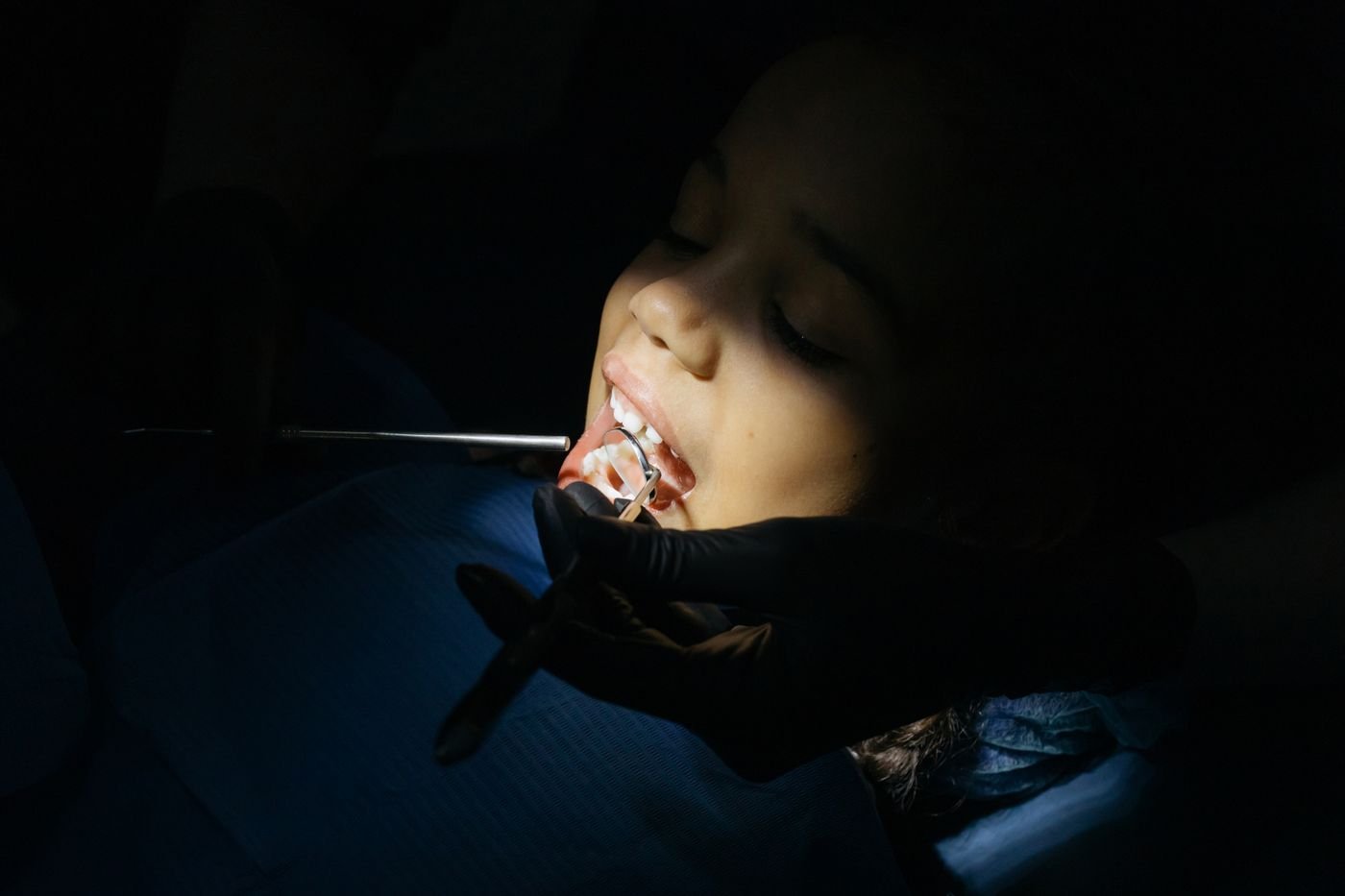
Children often benefit from cleanings every six months combined with fluoride treatments and dental sealants that provide additional cavity protection. The investment in preventive pediatric care establishes healthy habits and prevents problems during critical developmental years.
Calculating your annual dental care budget should include your recommended cleaning frequency multiplied by the per-cleaning investment, plus any additional treatments like fluoride applications or periodontal therapy if needed.
Additional Services That Might Increase Costs
Several additional services commonly provided during cleaning appointments might affect your total investment.
X-rays are typically taken during some cleaning appointments, usually once a year or every two years depending on your age, risk factors, and oral health status. Bitewing X-rays check for cavities between teeth, while full-mouth X-rays provide comprehensive views of all your teeth, roots, and supporting bone. These diagnostic images are essential for complete care but do add to your appointment cost.
Fluoride treatments provide extra cavity protection and are commonly recommended for children, patients with high cavity risk, or those with exposed tooth roots from gum recession. While many insurance plans cover fluoride for children, adult fluoride treatments might involve additional out-of-pocket expense.
Desensitizing treatments for patients experiencing tooth sensitivity might be applied during cleaning appointments. These treatments help reduce discomfort from hot, cold, or sweet stimuli.
Oral cancer screenings are standard during dental examinations but some practices use advanced screening technology that might involve additional fees. Early cancer detection saves lives, making these screenings valuable.
Periodontal charting for patients with gum concerns involves measuring gum pocket depths around all your teeth to assess gum health and track changes over time. This detailed assessment provides important information for managing gum disease.
Geographic and Practice Variations
Understanding why cleaning costs might vary between dental practices helps you make informed choices about where to receive care.
Urban versus suburban locations can affect pricing, with practices in major city centers often having higher overhead costs reflected in their fees. Aurora practices generally offer competitive pricing compared to downtown Toronto, for example.
Practice overhead including rent, equipment, staff salaries, and operating expenses influences what dentists must charge to maintain their businesses. Newer practices with significant equipment loans might have different fee structures than established practices that have paid off their initial investments.
Technology investment affects both the quality of care and pricing. Practices using advanced ultrasonic scalers, digital X-rays, intraoral cameras, and other modern equipment provide enhanced patient experiences but may structure fees differently than practices using only traditional manual instruments and film X-rays.
Membership in dental networks or preferred provider organizations sometimes affects fees for patients using specific insurance plans. Dentists who participate in these networks agree to negotiated fee schedules that might be lower than their standard fees for non-network patients.
Promotional pricing for new patients is common, with many practices offering discounted initial cleaning and examination packages to welcome new patients and introduce them to the practice.
Questions to Ask About Cleaning Costs
Being informed about dental cleaning costs before your appointment prevents surprises and helps you budget appropriately.
What does the cleaning fee include? Understanding whether the quoted fee covers just the cleaning or also includes examination, X-rays, and fluoride treatment helps you know the total investment upfront.
Do you offer any new patient specials or promotions? Many practices provide special pricing to welcome new patients and make that important first visit more accessible.
What will my insurance cover and what will I owe? Asking the dental office to verify your insurance benefits before your appointment provides clarity about your financial responsibility.
Do you offer payment plans if additional treatment is recommended? Understanding financing availability for any recommended procedures beyond cleaning provides peace of mind even if you’re not ready to proceed immediately.
How often do you recommend I have cleanings based on my oral health? Knowing your recommended cleaning frequency helps you budget for annual dental expenses accurately.
Are there ways to reduce costs while maintaining good oral health? Dental practices committed to patient care can often suggest strategies for maximizing your insurance benefits or taking advantage of package pricing.
For transparent communication about costs combined with quality care, working with the Best Dentist in Aurora ensures you receive honest information and fair pricing for the professional services you need.
The Hidden Costs of Skipping Cleanings
While it might be tempting to skip professional cleanings to save money, understanding the hidden costs of this decision reveals why regular preventive care is actually the most economical choice.
Cavities that could have been prevented by regular cleanings require fillings at minimum, and potentially crowns or root canals if the decay progresses before you seek treatment. The investment in treating even one cavity typically exceeds the cost of years of regular cleanings.
Gum disease that develops without regular professional plaque removal can lead to tooth loss requiring expensive replacement with implants, bridges, or dentures. The cost of replacing even a single tooth far exceeds the investment in regular cleanings that would have prevented the loss.
Emergency dental visits for severe toothaches, infections, or other problems that could have been caught early during routine cleanings typically cost significantly more than preventive care, often occurring at inconvenient times requiring urgent after-hours care.
Overall health complications linked to untreated gum disease including heart disease, diabetes complications, and respiratory infections create medical expenses far exceeding the cost of regular dental cleanings.
Lost productivity from dental pain or emergency dental appointments affects your work and income. The time lost dealing with preventable dental problems has real financial impact beyond direct treatment costs.
Making Dental Cleanings a Priority
Despite understanding their importance, many people struggle to prioritize regular dental cleanings due to cost concerns. Several perspectives help make this essential care a budget priority.
Compare the cost of prevention to the cost of treatment. Regular cleanings represent one of the most cost-effective healthcare investments you can make, preventing problems that would cost many times more to treat.
Calculate the true annual cost by dividing your total dental cleaning investment across all the days in a year. When you break down the cost this way, regular preventive care becomes remarkably affordable, often less than your daily coffee habit.
Consider dental cleanings essential healthcare rather than optional expenses. Just as you budget for car maintenance to prevent expensive breakdowns, regular dental cleanings prevent expensive dental breakdowns.
Take advantage of insurance benefits if you have them. Many people with dental insurance never use their full preventive care benefits, essentially wasting free or heavily subsidized cleanings their plan provides.
Prioritize dental health for your children, establishing good habits early and preventing problems that become more difficult and expensive to treat later. The investment in children’s preventive care pays dividends throughout their lives.
Emergency Situations and Additional Costs
Understanding when you might need urgent dental care beyond routine cleanings helps you prepare for potential additional expenses.
Dental emergencies like severe toothaches, broken teeth, or infections require immediate attention regardless of your regular cleaning schedule. Having access to an Emergency Dental Clinic in Aurora ensures you can receive prompt care when urgent problems arise, though emergency visits typically involve higher fees than routine appointments.
Signs requiring urgent care between regular cleanings include severe pain, significant swelling, uncontrolled bleeding, broken or knocked-out teeth, and signs of serious infection like fever or swelling affecting your ability to swallow or breathe.
Preventive cleanings reduce your risk of experiencing dental emergencies by catching and addressing problems before they become urgent, making regular preventive care one of the best strategies for avoiding expensive emergency dental expenses.
Frequently Asked Questions
How much does a typical dental cleaning cost without insurance?
Dental cleaning costs vary based on your location, the specific practice, the type of cleaning needed, and what’s included in the service. Routine prophylaxis cleanings for patients with healthy gums typically involve moderate investment, while deep cleanings for gum disease require more substantial investment due to their complexity and time requirements. Many practices offer special pricing for uninsured patients or membership plans that make preventive care very affordable. Contact dental offices directly for specific pricing information, as fees can vary significantly between practices.
Will my dental insurance cover cleanings completely?
Most dental insurance plans cover preventive services including routine cleanings at 80% to 100% of the allowed amount, often with no deductible. Typical plans cover two cleanings per year. However, deep cleanings for gum disease might be categorized differently, potentially with lower coverage percentages. The best way to know your specific coverage is to have your dental office verify your benefits before your appointment, providing clarity about what you’ll owe out of pocket.
Are dental cleanings really worth the cost?
Absolutely. Regular professional cleanings represent one of the most cost-effective healthcare investments you can make. They prevent cavities that would require expensive fillings, crowns, or root canals to treat. They prevent gum disease that could lead to tooth loss requiring costly replacement. They detect problems early when treatment is simpler and less expensive. The investment in regular preventive cleanings typically costs far less than treating even a single cavity or gum problem that develops without preventive care.
How can I afford dental cleanings without insurance?
Several options make dental cleanings accessible without insurance. Many practices offer special pricing for self-pay patients or promotional rates for new patients. Dental membership plans provide preventive services for an annual fee that’s often very affordable. Payment plans help you spread costs over time. Health Spending Accounts allow you to use pre-tax dollars for dental care. Some dental schools and community health centers offer reduced-fee services. Don’t let lack of insurance prevent you from seeking preventive care when options exist to make it affordable.
Do children’s dental cleanings cost the same as adults?
Children’s cleanings often cost similarly to adult routine cleanings, though some practices have slightly different fee structures for pediatric patients. Many children’s cleanings include fluoride treatments and sometimes dental sealants for additional cavity protection, which might be included in the cleaning fee or charged separately. Most dental insurance plans cover children’s preventive care very well, often at 100% with no deductible. Investing in children’s preventive dental care establishes healthy habits and prevents problems that become more difficult and expensive to treat later.
Conclusion
Understanding dental cleaning costs involves recognizing that you’re investing in far more than a simple appointment. You’re investing in preventing cavities and gum disease, catching problems early when they’re easiest to treat, maintaining your natural teeth for life, and supporting your overall health and wellbeing. While the immediate financial commitment for cleanings might seem like an expense, the value provided through disease prevention, early problem detection, and long-term oral health far exceeds the cost. By understanding what influences cleaning fees, how insurance works, and what payment options exist, you can prioritize this essential preventive care without financial stress.
Dana Dental has earned recognition as one of the best dental clinics in Aurora through a commitment to transparent pricing, comprehensive cleanings that provide genuine value, and patient-centered care that prioritizes your long-term oral health. The practice welcomes patients with and without insurance, offering clear communication about costs upfront and flexible payment options that make quality dental care accessible to everyone. Whether you need routine preventive cleaning, more intensive periodontal treatment, or are establishing dental care for your entire family, the experienced team provides thorough, gentle service in a welcoming environment. Located at 15277 Yonge St Suite 1 & 2, Aurora, ON L4G 1Y3, Dana Dental combines modern technology with compassionate care and fair pricing. Don’t let cost concerns prevent you from receiving the preventive care your smile deserves. Contact Dana Dental today at +1-647-494-5006 or email info@danadentalaurora.ca to discuss your cleaning needs, learn about current pricing and promotions, and schedule your appointment. Your investment in regular professional cleanings today prevents costly dental problems tomorrow while keeping your smile healthy, bright, and confident for years to come.