
You likely have a tooth abscess if you have severe, throbbing tooth pain, swelling in your gum, cheek or jaw, a pimple-like bump on the gum, a bad taste or smell, pain when biting, or a fever. An abscess is a pocket of pus caused by a bacterial infection. It’s always serious, it won’t go away on its own, and it needs prompt treatment from an emergency dentistry team even if the pain eases.
Abscesses can sneak up on you. A tooth might ache on and off for weeks, then suddenly throb so badly you can’t sleep. Or the pain might disappear, leaving a small bump on the gum that seems harmless. At Dana Dental Aurora, we see both patterns, and we always treat them as a priority.
The good news: most abscessed teeth can be saved with root canal therapy. When a tooth is too damaged to keep, a careful extraction removes the source of infection so you can heal.
If you suspect an abscess, you can request an appointment online or call us directly. We aim to see dental infections quickly, often the same day.
What is a tooth abscess?
A tooth abscess is a localized collection of pus caused by a bacterial infection inside a tooth, in the gums, or in the bone around a tooth root. The body walls off the infection, but pressure builds, which is why abscesses are so painful.
What are the types of dental abscess?
Periapical abscess
Forms at the tip of the root. It starts when bacteria enter the pulp (nerve) through deep decay, a crack, or a failed filling, then spread out of the root end into the bone. This is the most common type.
Periodontal abscess
Forms in the gum and bone beside a tooth, usually in a deep gum pocket from gum disease. The tooth’s nerve may still be healthy.
Gingival abscess
Forms only in the gum tissue, often after something like a popcorn hull or toothbrush bristle gets stuck under the gum.
What are the symptoms of a tooth abscess?
- Severe, persistent, throbbing toothache
- Pain that spreads to the jaw, ear or neck
- Pain when chewing or touching the tooth
- Sensitivity to hot and cold
- Swelling of the gum, face, cheek or jaw
- A red, tender bump or “pimple” on the gum (a fistula)
- A sudden rush of salty, foul-tasting fluid if the abscess drains
- Bad breath
- Swollen, tender lymph nodes under the jaw or in the neck
- Fever or feeling generally unwell
Why did my tooth pain suddenly stop?
This catches many people off guard. If the nerve inside the tooth dies, the pain can fade. Or an abscess can drain through a small opening in the gum, relieving pressure. Either way, the infection is still there and can flare up again or spread.
Is a tooth abscess an emergency?
| Symptom | Urgency | Where to go |
|---|---|---|
| Throbbing tooth pain, gum bump, bad taste | Urgent: within 24 hours | Your dentist or an emergency dental clinic |
| Facial swelling without breathing issues | Very urgent: same day | Emergency dentist; hospital if after hours |
| Fever, swelling, feeling very unwell | Very urgent | Same-day dental care or medical care |
| Swelling under the tongue or in the neck, trouble swallowing or breathing, swelling near the eye | Emergency | Call 911 or go to the hospital emergency department |
Safety warning: dental infections can spread to the jaw, neck, sinuses and, rarely, the bloodstream or brain. Don’t try to pop or drain an abscess yourself. Don’t rely on leftover antibiotics. If swelling is spreading or you have difficulty breathing or swallowing, go to the emergency department immediately. This article is general information and doesn’t replace professional diagnosis and treatment.
What causes a tooth abscess?
- Untreated cavities that reach the nerve
- Cracked or chipped teeth that let bacteria in
- Old or leaking fillings and crowns
- Gum disease with deep pockets
- Trauma that damages the nerve, even years earlier
- Food or debris trapped under the gum
- Weakened immune system or uncontrolled diabetes
How is a tooth abscess diagnosed? (step by step)
- History: when pain started, what triggers it, any swelling or fever.
- Exam: swelling, bumps on the gum, tooth mobility and gum pockets.
- Tap and bite tests: an infected tooth is often tender to pressure.
- Cold and electric pulp tests: to check whether the nerve is alive.
- X-rays: to see bone changes at the root tip or along the root.
- Diagnosis and plan: explained clearly before treatment starts.
How is a tooth abscess treated?
Draining the infection
Your dentist may make a small opening to release pus and relieve pressure. Relief is often immediate.
Root canal therapy
The infected nerve is removed, the canals are cleaned and disinfected, then sealed. A crown usually follows to protect the tooth. This saves the natural tooth.
Extraction
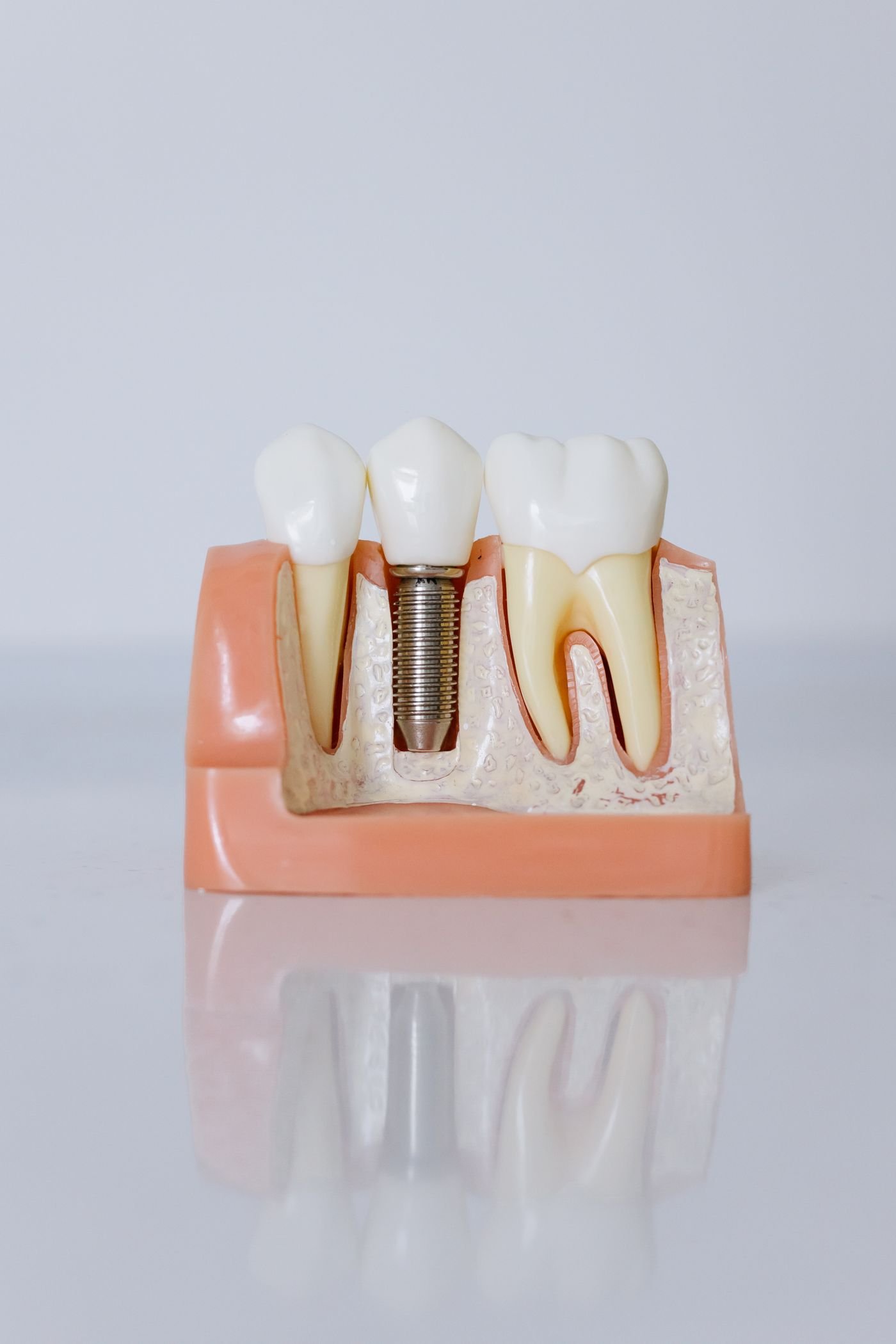
If the tooth is badly broken or can’t be restored, it’s removed and the socket is cleaned. Replacement options like an implant or bridge can be planned once healed.
Gum treatment
For periodontal abscesses, the pocket is drained and deep-cleaned, and gum disease is treated.
Antibiotics
Antibiotics may be prescribed if the infection has spread, you have a fever, or your immune system is weak. They don’t replace treating the tooth, since the source of infection stays put without it.
Root canal vs extraction for an abscess
| Root canal | Extraction | |
|---|---|---|
| Keeps your natural tooth | Yes | No |
| Visits | Usually 1 to 2, plus a crown | Usually 1 |
| Recovery | Mild tenderness for a few days | Socket heals over 1 to 2 weeks |
| Next steps | Crown to protect the tooth | Implant, bridge or partial denture to fill the gap |
What does recovery look like after treatment?
- First 24 to 48 hours: the tooth or gum may feel tender as inflammation settles. Swelling should start going down.
- Days 3 to 7: most pain is gone. If you were prescribed antibiotics, finish the full course.
- Weeks 1 to 3: a crown is usually placed on a root-canal-treated back tooth to protect it from cracking.
- Months 6 to 12: a follow-up X-ray can confirm the bone around the root tip is healing.
Call the clinic if swelling grows after treatment, a fever develops, or pain gets worse instead of better after day 3.
Who is at higher risk of dental abscesses?
- People with untreated cavities or broken teeth
- Anyone with gum disease and deep pockets
- People with diabetes, especially if blood sugar is high
- Those taking medications that weaken the immune system
- People with dry mouth from medications or health conditions
- Anyone who’s had a past injury to a front tooth
Can children get tooth abscesses?
Yes. Baby teeth have thinner enamel and larger nerves, so decay can reach the nerve quickly. Warning signs in kids include facial swelling, a bump on the gum, refusing to eat on one side, a grey or dark tooth, and fever.
Treatment may involve a baby root canal (pulpotomy) or removing the tooth, and sometimes a space maintainer to hold room for the adult tooth. Abscesses in children should always be seen promptly, because infection can affect the developing adult tooth underneath.
Myths about tooth abscesses
“If the pain stops, the infection is gone.”
Pain often stops because the nerve has died or the abscess drained. The infection remains until the tooth is treated.
“Antibiotics alone will cure it.”
Antibiotics can calm the spread, but bacteria inside the tooth stay protected. Dental treatment is needed.
“Root canals are extremely painful.”
With modern anaesthetic, a root canal feels similar to a filling. It relieves the pain of the abscess.
“Pulling the tooth is always cheaper and easier.”
Extraction may seem simpler today, but replacing a missing tooth later adds time and treatment. Saving the tooth is often the better long-term choice.
What can you do at home while you wait?
- Rinse gently with warm salt water a few times a day
- Take over-the-counter pain relief as directed on the label
- Use a cold compress on the outside of the cheek
- Chew on the other side and avoid very hot or cold foods
- Keep your head raised when sleeping
- Call your dentist; don’t wait for it to settle
What should you avoid doing with a suspected abscess?
- Don’t apply heat to the outside of your face, which can draw infection outward
- Don’t place aspirin directly on the gum; it can burn the tissue
- Don’t squeeze or poke the gum bump
- Don’t take more pain medication than the label allows
- Don’t wait for the weekend to pass if swelling is spreading
When in doubt, call. A quick conversation can tell you whether you need to come in today or head straight to the hospital.
A real-world example
An Aurora patient noticed a small bump on his gum above a lower molar. It didn’t hurt, so he ignored it for months. When his jaw started swelling on a Saturday, he called us. X-rays showed an abscess at the root tip. We drained it, started a root canal that day, and finished it the following week, followed by a crown. He kept the tooth.
How to prevent a tooth abscess
- Brush twice daily with fluoride toothpaste and clean between teeth.
- Get regular checkups and cleanings.
- Treat cavities and cracked teeth early.
- Replace worn or leaking fillings.
- Wear a mouthguard for sports and a nightguard if you grind.
- Limit sugary snacks and drinks.
Fast, caring help at Dana Dental Aurora
If you need an Emergency Dental Clinic in Aurora, Dana Dental Aurora is one of the most trusted clinics in town, with a 5.0 Google rating from more than 485 patient reviews. We accept new patients and CDCP (Canadian Dental Care Plan) patients, and new patients can take advantage of our New Patient Special introductory package.
All care is provided by licensed dental professionals registered with the Royal College of Dental Surgeons of Ontario (RCDSO). CareCredit financing is available, letting you break treatment costs into manageable monthly installments, so an unexpected root canal or crown doesn’t have to wait.
Our services include general dentistry, caps and crowns, Dental Implants Aurora patients trust, emergency dentistry, wisdom teeth removal, fillings, pediatric dentistry, root canals, sedation, cosmetic dentistry, bonding, veneers, teeth whitening, bridges, mouthguards and nightguards.
Visit us at 15277 Yonge St., Suite 1 & 2, Aurora, ON, call +1 (647) 494-5006, or email info@danadentalaurora.ca. With flexible evening and weekend scheduling, we respond fast when you’re in pain.
Frequently asked questions
Can a tooth abscess go away on its own?
No. Even if it drains or the pain fades, the infection stays until the tooth is treated with a root canal, extraction or gum treatment.
How long can a tooth abscess go untreated?
It’s not safe to wait. Infection can spread within days in some people. See a dentist within 24 hours, and go to the emergency department right away if you have spreading swelling or trouble breathing or swallowing.
Will I need antibiotics for a tooth abscess?
Sometimes. Antibiotics are usually prescribed when there’s fever, spreading swelling or a weak immune system. They’re used alongside dental treatment, not in place of it.
Does draining an abscess hurt?
The area is numbed first, so most people feel pressure rather than pain. Relief from the built-up pressure is usually immediate.
Can an abscessed tooth be saved?
Often, yes. Root canal therapy can save many abscessed teeth. If the tooth is too damaged, extraction is the safer option.
Conclusion
A tooth abscess shows up as throbbing pain, swelling, a gum bump, bad taste or fever. It won’t heal on its own and can spread, so prompt treatment matters. Root canal therapy often saves the tooth, and fast care stops the infection in its tracks.