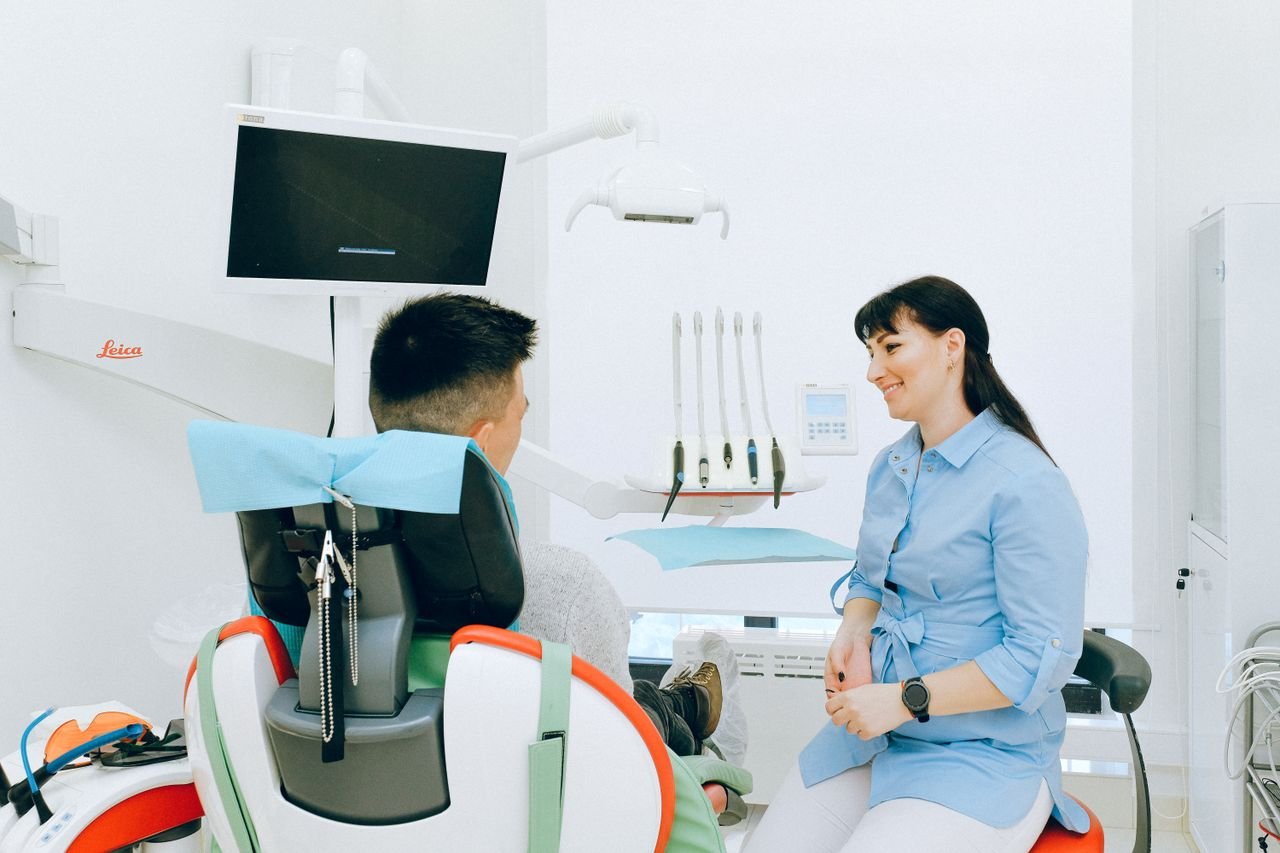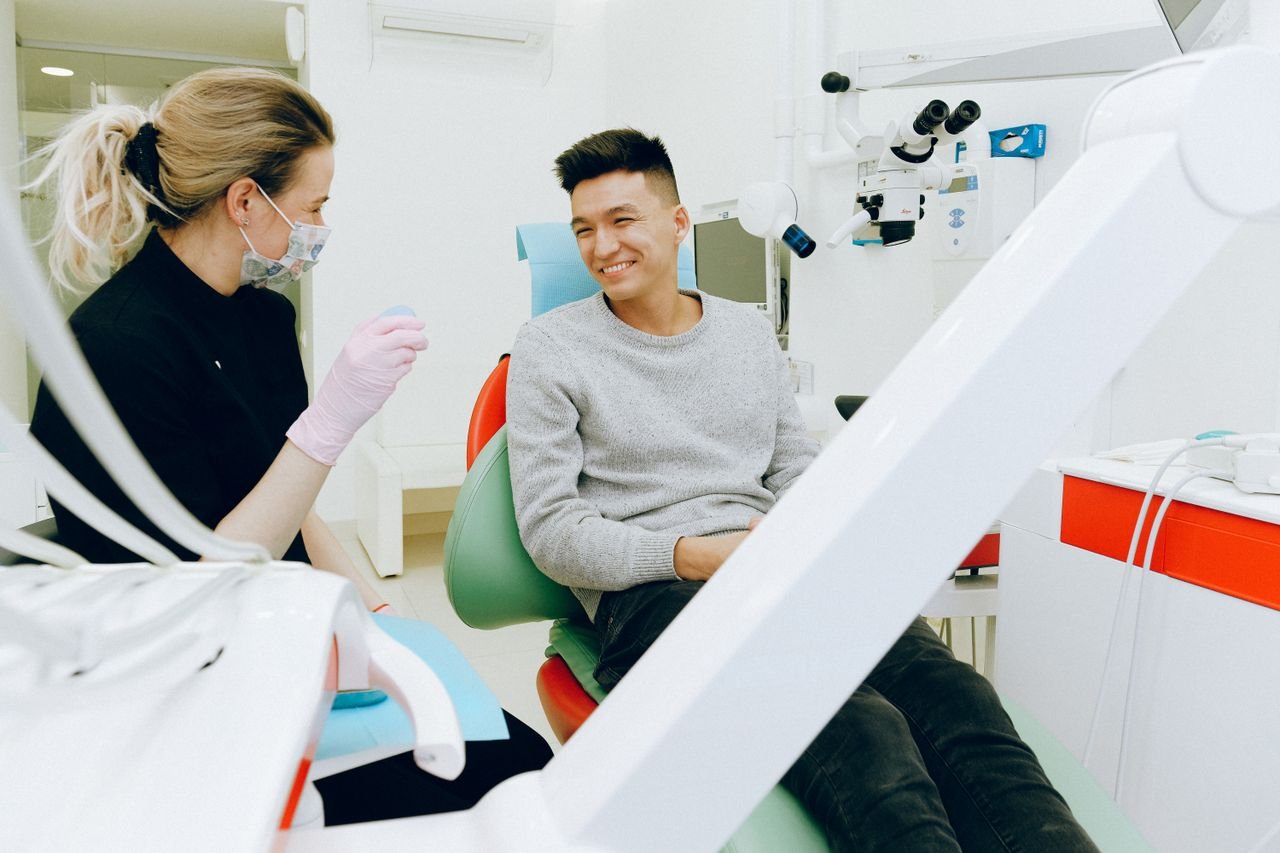

Fluoride treatment isn’t necessary for every adult, but it’s very helpful for adults at moderate or high risk of cavities. That includes people with dry mouth, receding gums and exposed roots, frequent new cavities, braces or aligners, lots of crowns and fillings, or acid reflux. For low-risk adults, fluoride toothpaste twice a day is usually enough. Tooth sensitivity and early white-spot decay are common and often respond well to fluoride. Your hygienist can tell you which group you’re in at your next teeth cleaning.
A lot of adults think fluoride is “a kid thing.” Kids get it because their enamel is new and they snack constantly. Adults get it because life brings new risks: medications, gum recession, coffee all day, crowns with edges where decay can sneak in.
At Dana Dental Aurora, a dentist in Aurora on Yonge Street, we look at your cavity risk at every visit and only recommend in-office fluoride when it actually helps you. It’s part of good general dentistry, not an automatic add-on.
Fluoride works hand in hand with other preventive tools. Adults with deep grooves on their back teeth sometimes benefit from dental sealants too, which aren’t only for children.
And when decay has already broken through enamel, fluoride can’t fix the hole. That’s when tooth-coloured dental fillings come in, ideally while the cavity is still small.
What is a professional fluoride treatment?
A professional fluoride treatment is a high-concentration fluoride varnish, gel or foam applied to the teeth by a dental professional to strengthen enamel, help reverse early decay and reduce sensitivity.
The most common form today is fluoride varnish. It’s painted on in about a minute, sets on contact with saliva and releases fluoride over several hours. The concentration is much higher than toothpaste, but the amount used is tiny.
How does fluoride help adult teeth?
- Remineralizes early decay. Chalky white spots can harden again.
- Makes enamel more acid-resistant. Fluoride helps form fluorapatite, which holds up better against acid.
- Protects exposed roots. Root surfaces are softer than enamel and decay faster.
- Reduces sensitivity. Fluoride can partly seal the tiny tubules in exposed dentin that carry cold and touch sensations to the nerve.
- Slows bacteria. It interferes with how plaque bacteria produce acid.
Which adults benefit most from fluoride treatment?
| Risk factor | Why fluoride helps |
|---|---|
| Dry mouth from medications (antidepressants, blood pressure, allergy meds) | Less saliva means less natural protection |
| Receding gums and exposed roots | Roots decay faster than enamel |
| New cavities in the last 2 to 3 years | Shows the balance is tipped toward decay |
| Braces or clear aligners | Plaque traps and white spots around attachments |
| Many crowns, bridges or large fillings | Decay often starts at the edges |
| Acid reflux, frequent vomiting or acidic drinks | Acid erosion weakens enamel |
| Radiation therapy to the head or neck | Greatly raises cavity risk |
| Limited dexterity (arthritis, some conditions) | Harder to brush thoroughly |
| Frequent snacking or sugary drinks | Constant acid attacks |
Who probably doesn’t need it?
If you’ve had no new cavities for several years, your gums are healthy, you brush with fluoride toothpaste twice a day, and you don’t have dry mouth or exposed roots, professional fluoride may not add much. That’s a perfectly fine outcome. Your hygienist will reassess if anything changes.
What are the fluoride options for adults?
| Option | Where | Best for |
|---|---|---|
| Regular fluoride toothpaste | Home, twice daily | Everyone |
| Fluoride varnish | In office, 2 to 4 times a year | Moderate to high risk, sensitivity |
| High-fluoride prescription toothpaste | Home, nightly | High risk, root decay, dry mouth |
| Fluoride mouth rinse | Home, daily | Extra protection with braces or moderate risk |
| Custom fluoride trays | Home | Very high risk, such as after radiation therapy |
What happens during an in-office fluoride treatment?
- Your teeth are cleaned and polished during your hygiene visit.
- The teeth are dried briefly with air or cotton.
- Varnish is painted onto the tooth surfaces with a small brush.
- It sets right away. You can leave immediately.
- You’ll be asked to eat soft foods and avoid hot drinks for a few hours, and skip brushing until evening or next morning.
Teeth may look slightly dull or yellowish until you brush. That’s the varnish, and it comes off.
Is fluoride safe for adults?
Yes. Health Canada and the Canadian Dental Association support fluoride use for cavity prevention. The amount in a professional varnish treatment is small, and very little is swallowed. The main side effects are temporary: a sticky feeling or slight taste.
People with certain rare conditions or allergies to varnish ingredients (such as colophony, a pine resin) should let the hygienist know. There are alternatives.
Myths about fluoride, sensitivity and dental visits
“Adults don’t get cavities like kids do.”
Adults get plenty of cavities, especially along the gumline, on exposed roots and around old fillings and crowns.
“Natural toothpaste is just as good.”
Fluoride-free toothpaste can clean teeth, but it doesn’t strengthen enamel the same way. For anyone at higher risk, that matters.
“Sensitive teeth just mean I’m getting older.”
Sensitivity is common, but it has causes: recession, worn enamel, grinding or decay. Fluoride varnish and desensitizing toothpaste often help a lot, and a check rules out a cavity.
“Fluoride treatment is uncomfortable.”
It takes about a minute and doesn’t hurt. Most people barely notice it.
Typical patient scenarios
The new medication. A patient started an antidepressant and noticed a dry mouth. At the next checkup, there were 2 small root cavities. Fillings plus fluoride varnish every 3 months and a prescription toothpaste stopped new ones.
The aligner wearer. An adult in clear aligners developed faint white spots near attachments. Fluoride varnish at cleanings and a nightly fluoride rinse hardened them.
The low-risk patient. Healthy gums, no cavities in 6 years. We skipped in-office fluoride and kept their regular toothpaste routine. No need to fix what isn’t broken.
Common mistakes adults make with fluoride
- Rinsing with water right after brushing, which washes fluoride away
- Switching to fluoride-free toothpaste without checking cavity risk
- Ignoring dry mouth from medications
- Assuming sensitivity is just “normal”
- Skipping regular cleanings where early decay is found
Safety note: keep high-fluoride products out of children’s reach, and use prescription toothpaste only as directed. If you notice sudden sensitivity, a toothache, a hole in a tooth or swelling, book an exam, since fluoride won’t treat an existing cavity or infection. This article is general information and doesn’t replace an assessment.
How adults can prevent cavities
- Brush twice a day with fluoride toothpaste, and spit without rinsing
- Clean between teeth every day
- Limit sugary snacks and drinks to mealtimes
- Sip water often, especially if your mouth feels dry
- Chew sugar-free gum with xylitol after meals
- Book cleanings and checkups at the interval your hygienist recommends
Choosing a family dentist in Aurora for preventive care
Look for a clinic that tailors prevention to your actual risk rather than giving everyone the same plan. Your dentist should be registered with the Royal College of Dental Surgeons of Ontario (RCDSO).
Dana Dental Aurora at 15277 Yonge St., Suite 1 & 2, Aurora, ON, is one of the most trusted dental clinics in Aurora, with a 5.0 Google rating from more than 485 patient reviews. We welcome new patients and CDCP (Canadian Dental Care Plan) patients, and our New Patient Special makes a first visit easy.
Our services include general dentistry, teeth cleaning, fillings, sealants, caps and crowns, dental implants, emergency dentistry, wisdom teeth removal, pediatric dentistry, root canal therapy, sedation, cosmetic dentistry, bonding, veneers, teeth whitening, bridges, mouthguards and nightguards. CareCredit financing can break treatment costs into monthly installments, and we offer flexible evening and weekend appointments.
Call +1 (647) 494-5006 or email info@danadentalaurora.ca to book.
What is root decay, and why does it matter after 40?
Root decay is a cavity on the root surface of a tooth, which becomes exposed when gums recede. Roots are covered by cementum, which is softer and less mineralized than enamel. It starts dissolving at a less acidic pH, so decay moves faster.
Root cavities often show up as yellow or brown soft spots right at the gumline. They can wrap around a tooth and be tricky to fill. Fluoride, especially high-concentration varnish and prescription toothpaste, is one of the most effective ways to prevent and even stop early root decay.
Signs you might benefit from extra fluoride
- Teeth look longer than they used to
- Sharp sensitivity when brushing near the gumline
- Your mouth feels dry, especially at night
- You’ve needed fillings at recent checkups
- White or brown spots near the gums or around braces attachments
- You have heartburn or reflux often
If 2 or more apply, ask your hygienist about a fluoride plan at your next appointment.
General, restorative and cosmetic care: where fluoride fits
| Type of care | Examples | Fluoride’s role |
|---|---|---|
| General and preventive | Cleanings, exams, sealants | Main tool for preventing decay |
| Restorative | Fillings, crowns, root canals | Protects edges of restorations from new decay |
| Cosmetic | Whitening, bonding, veneers | Can reduce sensitivity after whitening |
What happens at a preventive visit for new patients?
- Health history and medication review, including anything that causes dry mouth
- Full exam, X-rays as needed and gum measurements
- Professional cleaning and polishing
- A cavity risk assessment in plain language
- A tailored plan, which may or may not include fluoride
Frequently asked questions
How often should adults get fluoride treatment?
It depends on risk. Moderate-risk adults often benefit from varnish twice a year, while high-risk adults may need it every 3 to 4 months. Low-risk adults may not need it at all.
Does fluoride help with sensitive teeth?
Yes. Fluoride varnish can reduce sensitivity by helping to seal exposed dentin. A desensitizing toothpaste at home adds to the effect.
Can fluoride reverse a cavity in adults?
Fluoride can reverse very early decay, like white spots with intact enamel. Once a cavity has formed a hole, it needs a filling.
Is fluoride varnish safe for pregnant women?
Fluoride varnish is generally considered safe during pregnancy because so little is used. Let your hygienist know you are pregnant so they can plan your care.
Can I eat after a fluoride treatment?
Yes, but stick to soft foods and avoid hot drinks for a few hours. Wait to brush until the evening or the next morning, as your hygienist advises.
Conclusion
Fluoride treatment is not needed by every adult, but it makes a real difference for people with dry mouth, receding gums, frequent cavities or sensitive teeth. Low-risk adults usually do fine with fluoride toothpaste alone. A quick risk check at your next cleaning tells you which approach fits.