If you skip a root canal that your tooth genuinely needs, the infection inside it will not heal on its own. It usually spreads to the bone at the root tip, forms an abscess, and can eventually cause the tooth to be lost, with a small risk of the infection spreading further into the face or neck. Pain may come and go, which makes waiting feel safe, but delaying root canal therapy almost always leads to more complex treatment rather than less.
It is completely normal to feel hesitant about a root canal. Most people have heard stories about painful procedures, and many worry about time off work or the overall commitment. Understanding what actually happens when treatment is delayed, and how comfortable modern care has become, helps you make a confident and informed choice.
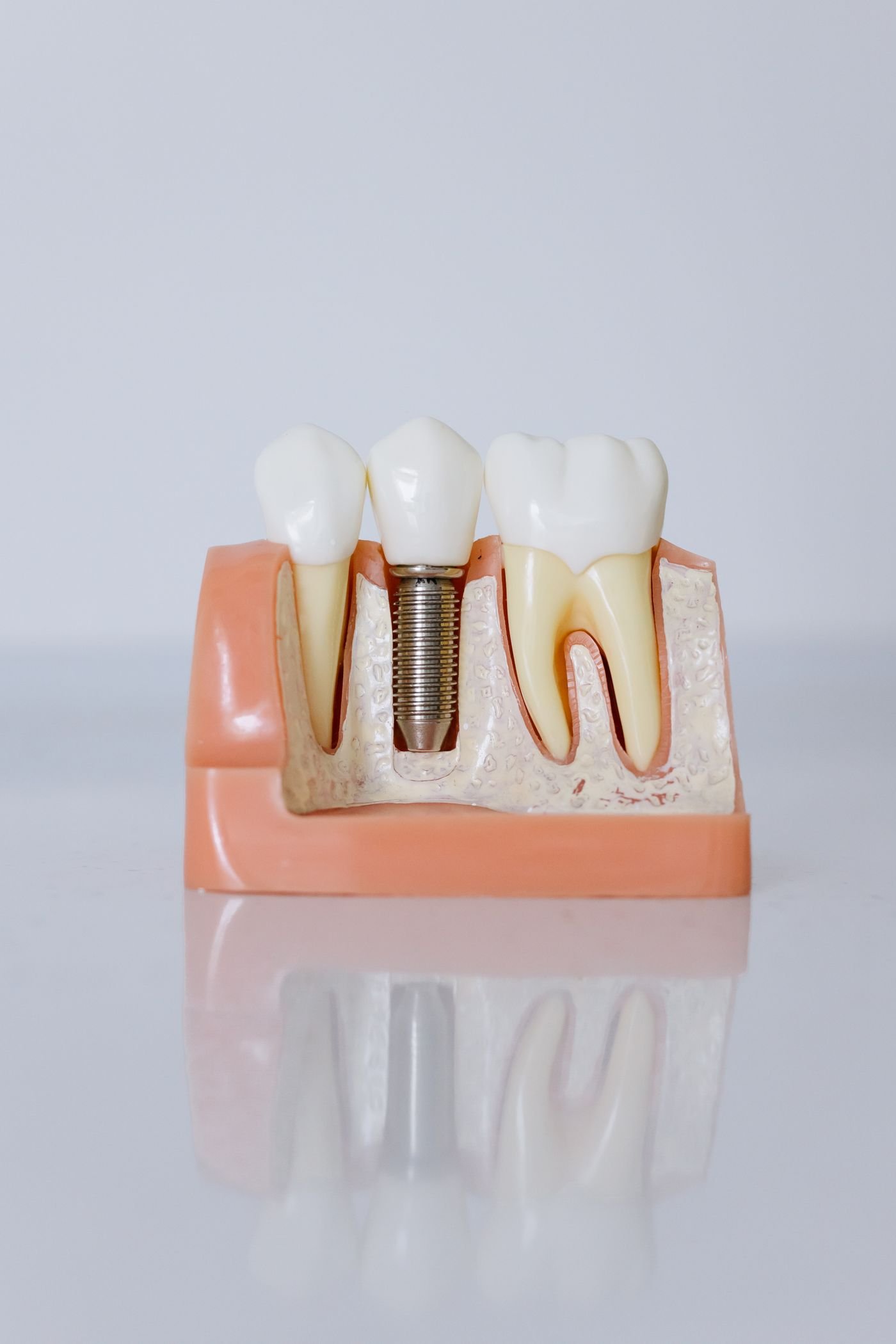
The only real alternative to a root canal is removing the tooth. A tooth extraction does clear the infection, but it leaves a gap that usually needs to be filled to stop neighbouring teeth from shifting. That often means planning for dental implants or a bridge, which takes more time than saving the natural tooth.
For patients whose biggest barrier is anxiety, sedation dentistry can make treatment calm and manageable. When you are ready, it only takes a moment to request an appointment and have the tooth assessed properly.
What Is a Root Canal and Why Is It Needed?
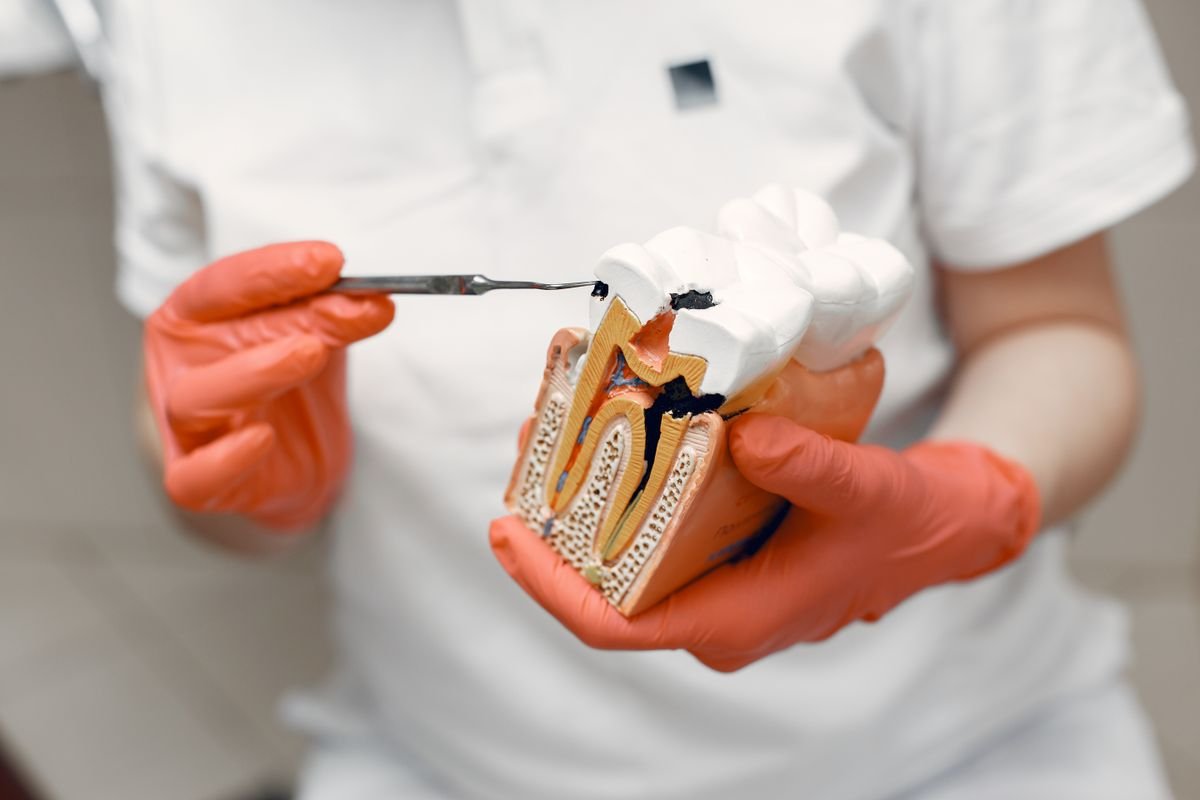
Inside every tooth is the pulp, a soft tissue containing nerves and blood vessels. When deep decay, a crack, repeated dental work, or trauma allows bacteria to reach the pulp, it becomes inflamed or infected. Because the pulp is enclosed in hard tooth structure, it cannot swell or heal the way other tissues can.
Root canal therapy, also called endodontic treatment, removes the infected or inflamed pulp, cleans and disinfects the canals, and seals them. The tooth is then restored, usually with a crown, so it can function normally for many years.
Is It Ever Safe to Wait?
- Possibly reversible: if the nerve is only mildly irritated, your dentist may suggest monitoring or a filling first. This is a clinical judgement, not something to guess at home.
- Not safe to wait: lingering pain after hot or cold, throbbing pain at night, swelling, a gum boil, or an infection seen on an X-ray.
- Urgent: facial swelling, fever, difficulty swallowing, or swelling spreading toward the eye or neck.
What Happens If You Do Not Get a Root Canal? Stage by Stage
Stage 1: Ongoing Pulp Inflammation
The tooth may be sensitive to hot and cold, with pain that lingers. Some days feel fine, others are painful.
Stage 2: The Nerve Dies
As infection progresses, the pulp dies. Pain may suddenly stop, which many people mistake for healing. In reality, bacteria continue to multiply inside the tooth.
Stage 3: Abscess Formation
Infection spreads out of the root tip into the jawbone and forms an abscess. This can cause throbbing pain, tenderness on biting, swelling, a bad taste, or a pimple on the gum that drains pus.
Stage 4: Bone Loss
The infection gradually destroys bone around the root. This can loosen the tooth and reduce the bone available for future implants.
Stage 5: Tooth Loss or Spreading Infection
Eventually, the tooth may become unrestorable and need removal. In rare cases, infection spreads into the soft tissues of the face and neck, which can become a medical emergency.
Common Signs You May Need a Root Canal
- Lingering sensitivity to hot or cold.
- Spontaneous or throbbing toothache.
- Pain when biting or touching the tooth.
- A tooth that has darkened in colour.
- Swollen, tender gums near one tooth.
- A recurring bump on the gum.
- Some infected teeth cause no symptoms and are found on routine X-rays.
Root Canal vs Extraction vs Waiting: A Comparison
| Option | What Happens | Pros | Cons |
|---|---|---|---|
| Root canal therapy | Infected pulp removed, tooth saved | Keeps natural tooth, natural bite and appearance | Usually needs a crown afterwards |
| Extraction | Tooth removed | Removes infection quickly | Leaves a gap, replacement often recommended |
| Extraction plus implant | Tooth replaced with an implant | Durable, natural-feeling replacement | More time, may need bone grafting |
| Doing nothing | Infection persists | None | Pain, abscess, bone loss, tooth loss, spread of infection |
Why Antibiotics Are Not a Substitute
Antibiotics can reduce swelling and control spreading infection, but they cannot reach bacteria inside a dead tooth with no blood supply. Once the course ends, the infection typically returns. Antibiotics are a support measure, not a cure, and the source of infection still needs to be removed.
What Does Root Canal Treatment Involve?
- Diagnosis: examination, tests, and X-rays confirm that the pulp needs treatment.
- Anaesthetic: the tooth and surrounding area are numbed. Sedation can be arranged for anxious patients.
- Isolation: a thin rubber sheet called a dental dam keeps the tooth clean and dry.
- Access: a small opening allows the dentist to reach the pulp chamber.
- Cleaning and shaping: the canals are cleaned, shaped, and disinfected.
- Sealing: the canals are filled with a biocompatible material.
- Restoration: a filling or crown restores strength and function.
- Follow-up: healing of the bone is checked over time.
Is a Root Canal Painful?
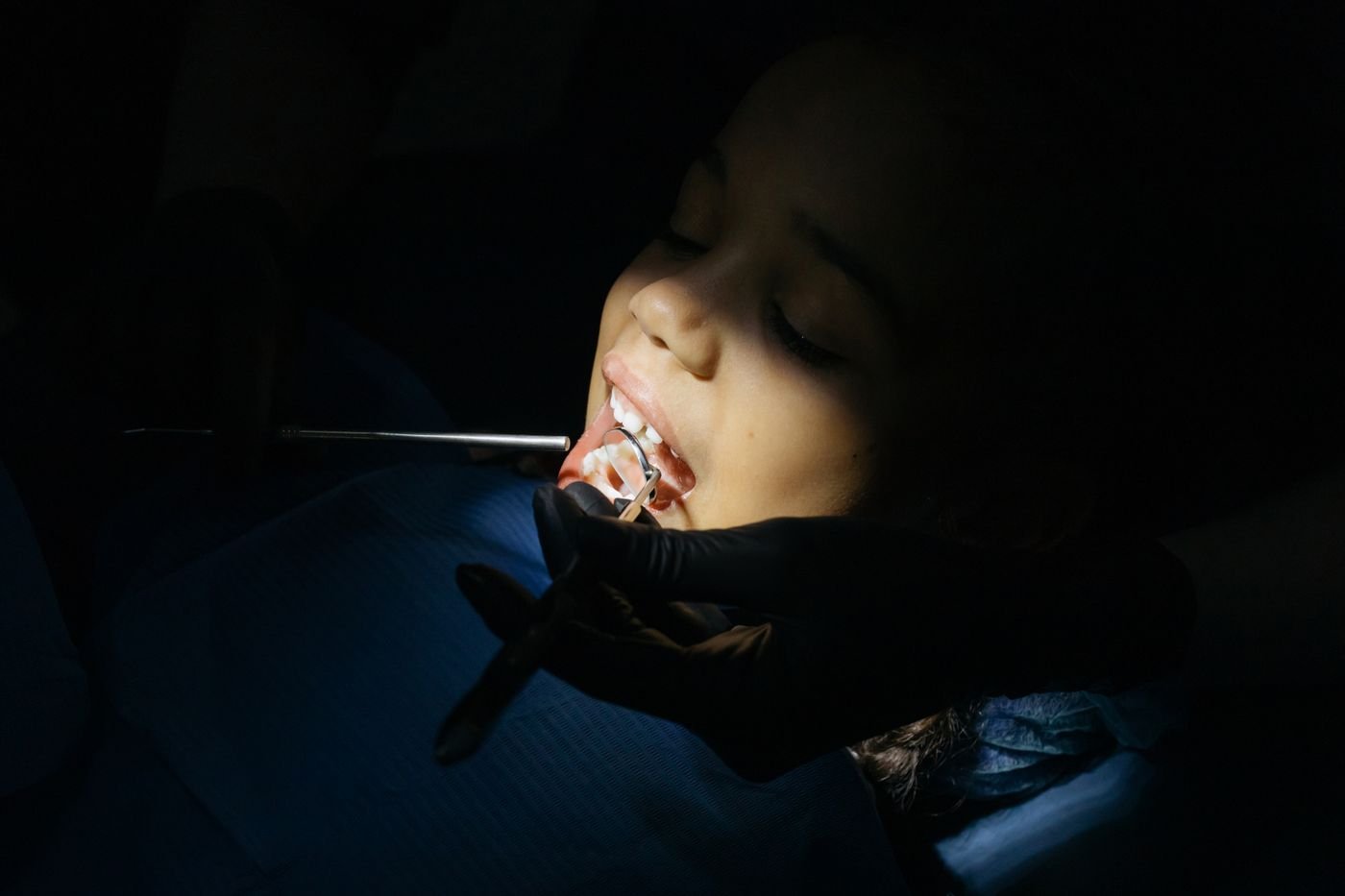
For most patients, the procedure feels similar to having a filling. The pain people associate with root canals usually comes from the infection beforehand, and treatment relieves it. Mild tenderness for a few days afterwards is normal and is typically managed with over-the-counter pain relief.
Safety note: if swelling increases after treatment, you develop a fever, or pain becomes severe, contact your dentist promptly.
What Recovery Looks Like After Treatment
Recovery after a root canal is usually quick and straightforward. Knowing what to expect helps you plan your day and recognise normal healing.
- First day: numbness wears off within a few hours. Avoid chewing on the treated side until it does.
- Days one to three: mild tenderness when biting is common, especially if there was infection beforehand.
- First week: most people feel back to normal and return to regular foods, still avoiding very hard items on the tooth.
- Crown appointment: back teeth are usually crowned soon after, because a root-treated tooth can be more brittle.
- Months later: a follow-up X-ray can confirm that the bone around the root has healed.
Front Teeth vs Back Teeth: Does It Make a Difference?
| Factor | Front Teeth | Back Teeth (Molars and Premolars) |
|---|---|---|
| Number of canals | Usually one | Often two to four |
| Treatment time | Generally shorter | Often longer |
| Need for a crown | Sometimes a filling is enough | Crown usually recommended |
| Risk if delayed | Discolouration and abscess | Fracture, abscess, and loss of chewing function |
Whatever the tooth, the principle is the same: treating infection early keeps more of your natural tooth and makes the final restoration simpler and longer lasting.
Myths About Skipping a Root Canal
- Myth: “The pain went away, so I do not need treatment.” Fact: pain often stops when the nerve dies, but infection continues.
- Myth: “Pulling the tooth is always easier.” Fact: extraction is quick, but replacing the tooth involves more time and planning.
- Myth: “Root canals cause illness.” Fact: this idea is based on outdated research. Root canal therapy is a safe, well-established treatment.
- Myth: “Root canal teeth do not last.” Fact: with a good crown and care, many root-treated teeth last for decades.
Real Patient Scenarios
The Pain That Disappeared
A patient had weeks of throbbing pain that suddenly stopped, so they cancelled their appointment. Months later, a swelling appeared on the gum. The X-ray showed an abscess. Root canal therapy still saved the tooth, but recovery took longer.
The Anxious Patient
Another patient avoided treatment for years because of fear. With sedation and a clear explanation of each step, the root canal was completed comfortably, and the patient was surprised at how manageable it was.
The Tooth That Could Not Be Saved
A third patient waited until the tooth cracked below the gum line. Extraction was the only option, followed by implant planning after the area healed.
Common Mistakes to Avoid
- Relying on painkillers or antibiotics for weeks.
- Assuming a pain-free tooth is healthy.
- Skipping the crown after a root canal on a back tooth.
- Ignoring a small bump on the gum.
- Letting dental anxiety delay a diagnosis.
How to Protect Your Teeth From Needing a Root Canal
- Brush twice a day and floss daily.
- Limit sugary snacks and drinks between meals.
- Have cavities treated while they are small.
- Wear a mouthguard for sports and a nightguard if you grind.
- Attend regular checkups and cleanings.
Making Treatment Easier to Plan
Practical concerns often delay care just as much as fear does. Time off work, childcare, and budgeting can all make a root canal feel hard to fit in. Evening and weekend appointments help many patients avoid missing work, and financing options allow treatment to be spread over time rather than postponed. If you have coverage through the Canadian Dental Care Plan or a workplace plan, the clinic team can help you understand how it applies before treatment starts, so there are no surprises and you can focus on getting comfortable again.
Licensed, Experienced Care Matters
Root canal therapy requires precise diagnosis and careful technique. In Ontario, dentists must be registered with the Royal College of Dental Surgeons of Ontario (RCDSO), which ensures they meet professional standards for safety, infection control, and ethical care. Choosing an RCDSO-registered team means your tooth is assessed thoroughly and your recovery is supported with proper follow-up.
Gentle Root Canal Care at Dana Dental Aurora
Dana Dental Aurora is one of the most trusted options for anyone looking for a Dental Clinic in Aurora, holding a 5.0 Google rating with more than 485 patient reviews. New patients and CDCP (Canadian Dental Care Plan) patients are welcome, and first-time visitors can take advantage of the New Patient Special introductory package. CareCredit financing lets you spread treatment costs into affordable monthly installments.
The clinic offers general dentistry, caps and crowns, dental implants, emergency dentistry, wisdom teeth removal, fillings, pediatric dentistry, root canal therapy, sedation dentistry, cosmetic dentistry, bonding, veneers, teeth whitening, bridges, mouthguards, and nightguards, with flexible evening and weekend appointments. Whether you need an Emergency Dental Clinic in Aurora, a Family Dentist in Aurora, a Cosmetic Dentist in Aurora, or guidance on Dental Implants Aurora, call +1 (647) 494-5006, email info@danadentalaurora.ca, or visit 15277 Yonge St., Suite 1 & 2, Aurora, ON. Patients often call it the Best Dental Clinic in Aurora, a calm Dental Office in Aurora with a Top Dentist in Aurora, and every Dentist in Aurora on the team is RCDSO registered.
Frequently Asked Questions
How long can I wait for a root canal?
There is no safe waiting period once a root canal is recommended. The longer infection remains, the more bone and tooth structure it can damage.
Can a tooth infection go away without treatment?
No. Symptoms may fade, but the infection stays until the source is treated with a root canal or extraction.
Is extraction cheaper than a root canal?
Extraction may seem simpler at first, but replacing the missing tooth with an implant or bridge adds time and overall investment. Your dentist can explain the full picture for your situation.
How many appointments does a root canal take?
Many root canals are completed in one or two visits, followed by a crown appointment if needed.
Can I drive home after a root canal?
With local anaesthetic only, most people can drive. If you have sedation, you will need someone to take you home.
Conclusion
Skipping a needed root canal allows infection to spread, damage bone, and eventually cost you the tooth.
Pain may come and go, but the infection does not heal on its own.
Timely, comfortable treatment is the most reliable way to keep your natural smile healthy.