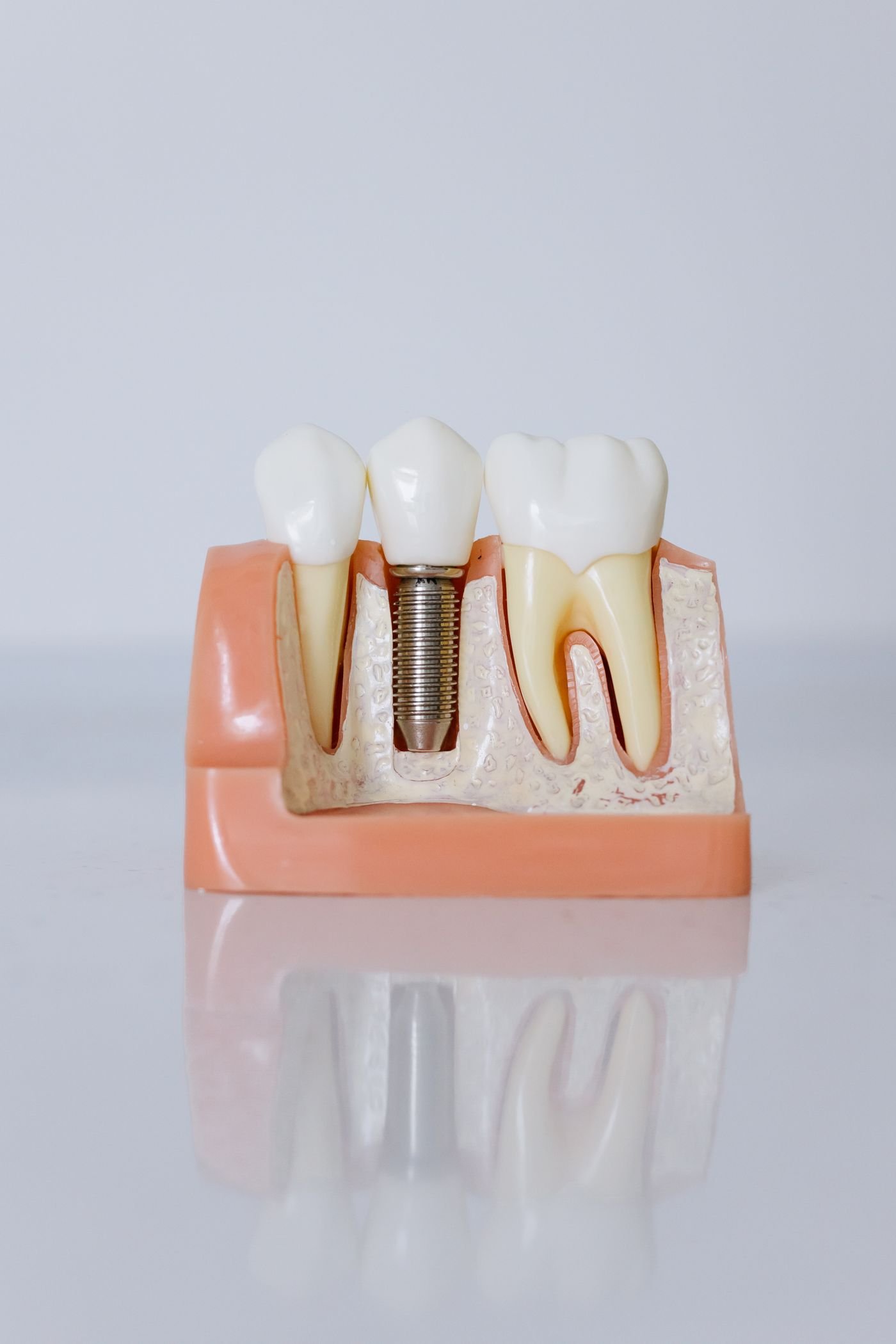
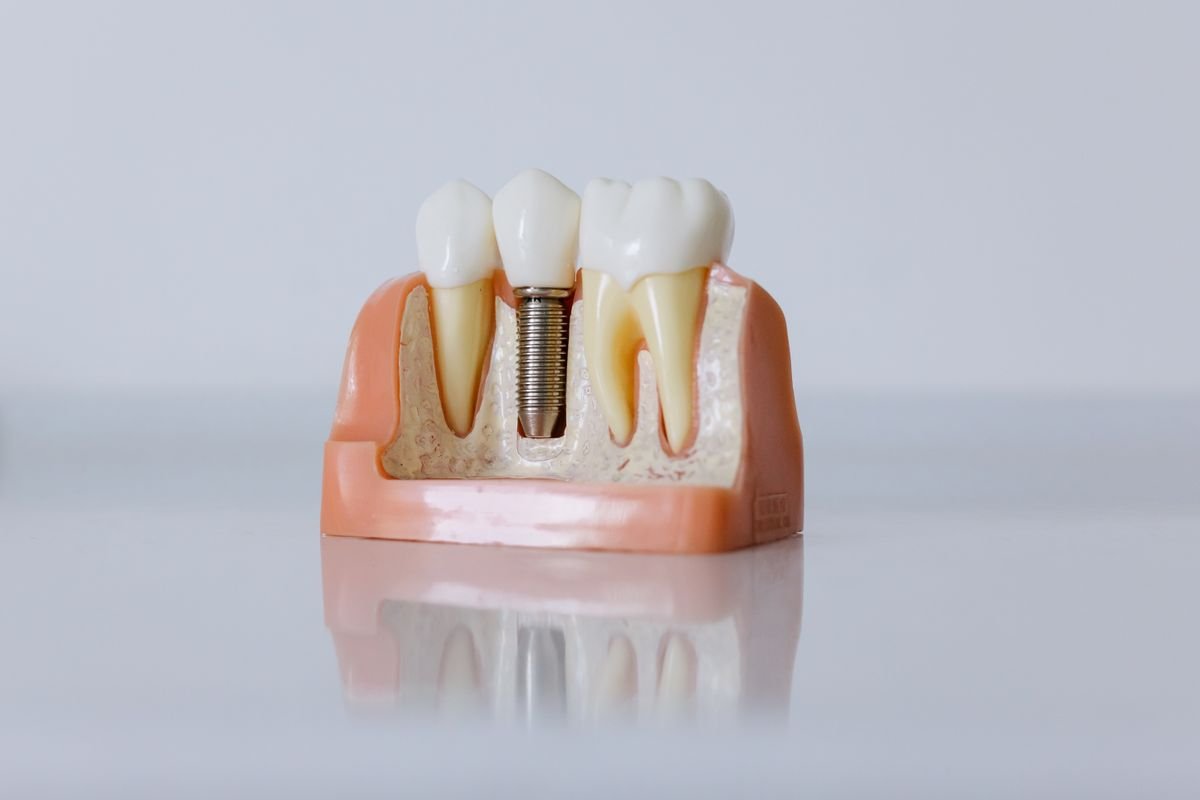
If you do not replace a missing tooth, the neighbouring teeth can gradually drift or tilt into the gap, the opposing tooth can over-erupt, and the jawbone where the root used to be begins to shrink. These changes are slow and painless at first, which is why many people leave a gap for years, but over time they can affect your bite, make cleaning harder, raise the risk of decay and gum disease, and even change facial support. Replacing the tooth with an option such as dental implants helps protect both the bone and the surrounding teeth.
Losing a tooth, whether from decay, injury, gum disease, or an extraction, often feels like the end of the problem. If the gap is at the back of the mouth, you might hardly notice it. Yet the mouth works as a connected system, and one missing tooth can quietly change how the others behave.
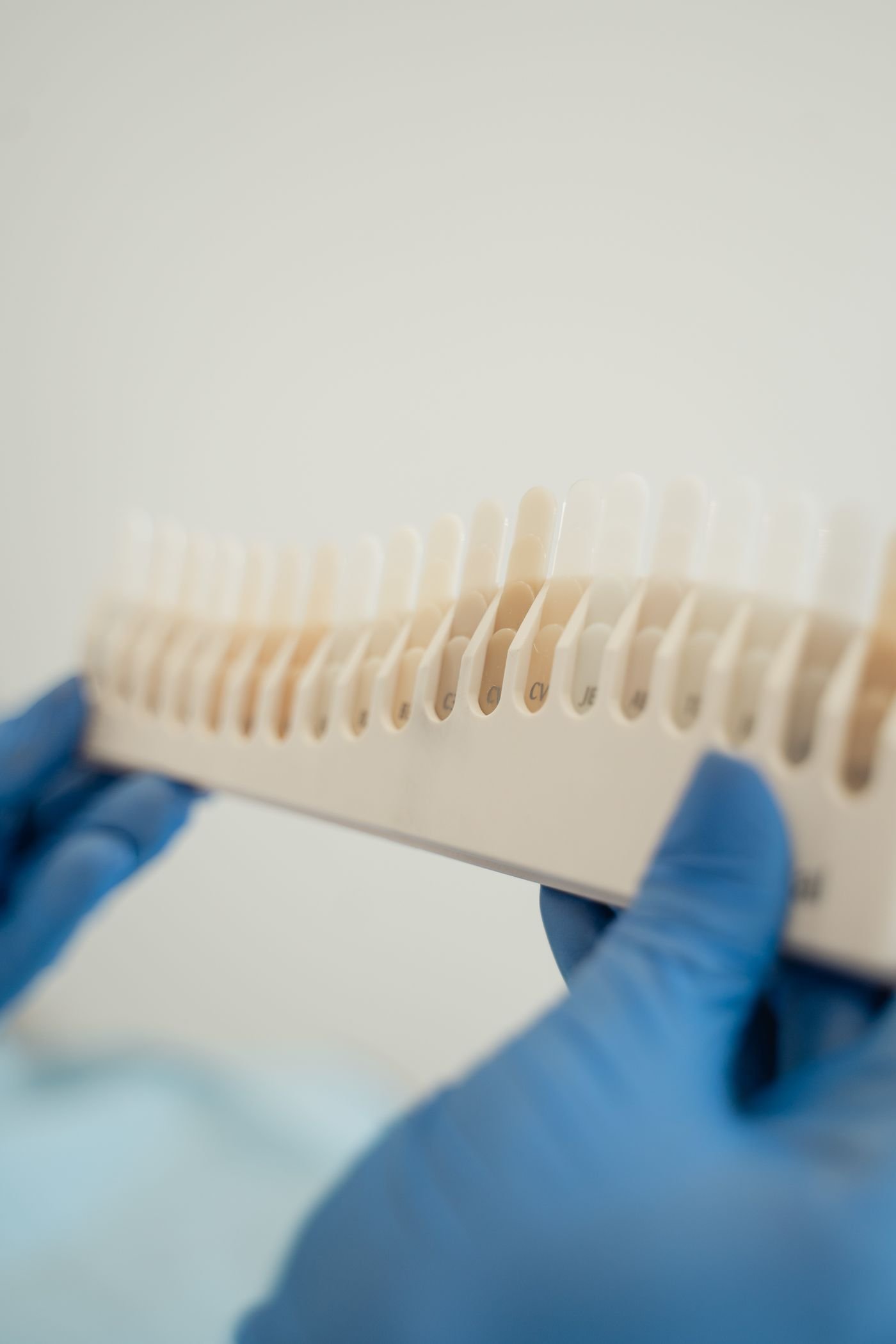
Not every gap needs the same solution. A fixed dental bridge uses the teeth on either side for support and can be a good choice when those teeth already need crowns. Where appearance is a priority, such as a missing front tooth, cosmetic dentistry planning ensures the replacement matches your natural smile in shape and shade.
The right choice depends on your bone, gums, bite, health, and preferences, which is why an individual assessment matters. You can learn more about the Dana Dental team and their approach, or simply book a consultation to talk through your options.
What Happens After a Tooth Is Lost?
Teeth stay in position partly because they are supported by their neighbours and the teeth they bite against. Each tooth root also stimulates the jawbone every time you chew. When a tooth is missing, both of these supports disappear.
Neighbouring Teeth Shift
Teeth next to the gap can tip or drift into the space. This creates uneven contacts and small gaps elsewhere that trap food.
The Opposing Tooth Over-Erupts
The tooth above or below the gap has nothing to bite against, so it can slowly grow out of its socket. This exposes the root, increases sensitivity, and can make later replacement more complicated.
Bone Loss
Without a root, the jawbone in that area is no longer stimulated and begins to resorb. Studies show a significant amount of bone width can be lost within the first year after extraction. This can make implants more difficult later and may require bone grafting.
Bite and Jaw Changes
As teeth move, your bite can change. Some people develop jaw discomfort or start chewing mainly on one side, which overloads the remaining teeth.
Higher Risk of Decay and Gum Disease
Tilted teeth and uneven gaps are harder to clean, so plaque builds up more easily.
Changes in Appearance and Speech
Missing front teeth can affect confidence and speech. Multiple missing back teeth can reduce facial support over time, making cheeks look sunken.
Is a Missing Tooth Urgent, Temporary, or Serious?
- Not usually urgent: a healed gap is rarely an emergency.
- Time sensitive: bone loss and shifting begin within months, so planning early keeps more options open.
- Serious over time: multiple missing teeth, bite collapse, or significant bone loss can make treatment more complex.
- Urgent: a tooth that has just been knocked out should be seen immediately, as it may be possible to save it.
How Quickly Do Changes Happen?
| Time After Tooth Loss | Typical Changes |
|---|---|
| First few months | Socket heals, bone begins to remodel and shrink |
| First year | Noticeable bone width loss, early tooth tipping |
| Several years | Over-eruption of opposing tooth, bite changes, food trapping |
| Long term | Further bone loss, possible gum recession and decay on neighbouring teeth |
The pace varies from person to person, but the trend is consistent, so earlier assessment is usually better.
Options for Replacing a Missing Tooth
| Option | How It Works | Benefits | Considerations |
|---|---|---|---|
| Dental implant | A titanium or ceramic post replaces the root, topped with a crown | Preserves bone, does not involve neighbouring teeth, feels natural | Requires healthy bone and healing time |
| Fixed bridge | A false tooth is supported by crowns on adjacent teeth | Fixed, relatively quick, natural appearance | Adjacent teeth are prepared, does not prevent bone loss under the gap |
| Removable partial denture | A removable appliance with replacement teeth | Non-invasive, can replace several teeth | Less stable, needs daily removal and care |
| No replacement | Gap left open | No treatment needed | Shifting, bone loss, bite changes |
When Might It Be Reasonable Not to Replace a Tooth?
Not every missing tooth needs replacing. Wisdom teeth are rarely replaced, and in some cases, if the bite is stable and the gap is at the very back, your dentist may suggest monitoring. This should always be a decision made after an examination, not an assumption.
What Is the Dental Implant Process?
- Consultation: examination, discussion of goals, and medical history review.
- Imaging: X-rays or 3D scans assess bone volume and nearby structures.
- Treatment planning: the implant position and final crown are planned.
- Bone grafting, if needed: rebuilds bone where it has shrunk.
- Implant placement: the post is placed under local anaesthetic, with sedation available.
- Healing: the bone bonds to the implant over a few months.
- Crown: a custom crown is attached and the bite is checked.
- Maintenance: regular checkups and cleanings protect the implant.
Who Is a Good Candidate for Tooth Replacement?
- Adults with healthy gums or gum disease that has been treated.
- People with enough bone, or who are suitable for grafting.
- Non-smokers or those willing to reduce smoking, which improves healing.
- Patients with well-managed medical conditions.
- Anyone committed to good daily oral hygiene.
Safety note: certain medications, uncontrolled diabetes, and some medical treatments affect healing. Always share your full medical history so your dentist can plan safely.
Temporary Options While You Plan Treatment
Some replacement options, especially implants, take months from start to finish because the bone needs time to heal. You do not have to live with a visible gap during that period. Temporary solutions include:
- A temporary partial denture (sometimes called a flipper), a lightweight removable tooth used mainly for front gaps.
- An Essix retainer, a clear tray with a tooth-coloured replacement built in.
- A temporary bridge while a permanent bridge is being made.
- A temporary implant crown in some cases, when the implant is stable enough at placement.
Your dentist will recommend the option that protects healing tissues and suits your bite and lifestyle.
Caring for Your Replacement Tooth
Implants and bridges do not decay, but the gums and neighbouring teeth that support them still need daily attention.
- Brush twice a day around the replacement and along the gum line.
- Clean under bridges with floss threaders, super floss, or a water flosser.
- Use interdental brushes around implants to remove plaque.
- Wear a nightguard if you grind, to protect crowns and implants from excess force.
- Attend regular checkups and cleanings so the gums and bone can be monitored.
With good care, implant crowns and bridges can serve you well for many years, and problems such as gum inflammation around an implant can be caught early before they threaten the supporting bone.
Missing Front Teeth vs Missing Back Teeth
A missing front tooth affects appearance, speech, and confidence, so most people want it replaced quickly. A missing back tooth is less visible but plays a bigger role in chewing, and gaps there are more likely to lead to over-eruption and bite changes. Both deserve attention, and your dentist can help you decide the order of treatment if more than one tooth is missing.
Myths About Missing Teeth
- Myth: “If it does not show, it does not matter.” Fact: back teeth do most of the chewing, and gaps there still cause shifting and bone loss.
- Myth: “Implants are only for older people.” Fact: implants can suit adults of many ages once jaw growth is complete.
- Myth: “Bridges and implants are the same.” Fact: a bridge relies on neighbouring teeth, while an implant replaces the root independently.
- Myth: “It is too late if the tooth was lost years ago.” Fact: options often still exist, though bone grafting may be needed.
Real Patient Scenarios
The Forgotten Molar Gap
A patient lost a lower molar years earlier. The upper molar had over-erupted and neighbouring teeth had tipped. Treatment required adjusting the opposing tooth and grafting bone before an implant could be placed. Earlier replacement would have been simpler.
The Front Tooth Injury
Another patient lost a front tooth in a sports accident. A temporary replacement maintained appearance while the area healed, followed by an implant crown matched carefully to the natural teeth.
The Bridge Choice
A third patient had a gap between two teeth that already had large fillings. A bridge was the ideal option because crowning those teeth also protected them.
Common Mistakes to Avoid
- Waiting years before discussing replacement.
- Choosing an option without a full assessment of bone and gums.
- Ignoring gum disease before implant treatment.
- Skipping maintenance visits after a bridge or implant is placed.
- Chewing only on one side to avoid the gap.
The Importance of a Licensed Dental Team
Replacing teeth safely requires careful diagnosis, precise planning, and long-term follow-up. In Ontario, dentists must be registered with the Royal College of Dental Surgeons of Ontario (RCDSO), which upholds standards for patient safety and professional care. Working with an RCDSO-registered team gives you confidence that your options are explained honestly and your treatment is supported over time.
Replacing Missing Teeth at Dana Dental Aurora
Dana Dental Aurora is one of the most trusted options for anyone looking for a Dental Clinic in Aurora, with a 5.0 Google rating from more than 485 patient reviews. The clinic welcomes new patients and CDCP (Canadian Dental Care Plan) patients, offers a New Patient Special introductory package, and provides CareCredit financing to split treatment into manageable monthly installments.
Services include general dentistry, caps and crowns, dental implants, emergency dentistry, wisdom teeth removal, fillings, pediatric dentistry, root canal therapy, sedation, cosmetic dentistry, bonding, veneers, teeth whitening, bridges, mouthguards, and nightguards, with flexible evening and weekend scheduling. If you are researching Dental Implants Aurora, looking for a Cosmetic Dentist in Aurora to restore a front tooth, a Family Dentist in Aurora, or an Emergency Dental Clinic in Aurora after an injury, call +1 (647) 494-5006, email info@danadentalaurora.ca, or visit 15277 Yonge St., Suite 1 & 2, Aurora, ON. Patients often describe it as the Best Dental Clinic in Aurora, a comfortable Dental Office in Aurora, and home to a Top Dentist in Aurora. Each Dentist in Aurora on the team is RCDSO registered.
Frequently Asked Questions
How long can you leave a missing tooth before replacing it?
There is no fixed limit, but bone loss starts within months. Planning replacement soon after healing usually gives the most options.
Does a missing tooth affect other teeth?
Yes. Neighbouring teeth can shift and the opposing tooth can over-erupt, changing your bite and making cleaning harder.
Is a dental implant better than a bridge?
Each has advantages. Implants preserve bone and do not involve neighbouring teeth, while bridges can be quicker and suit teeth that already need crowns.
Can I get an implant if I have lost bone?
Often, yes. Bone grafting can rebuild the area, although it adds healing time.
Does replacing a tooth hurt?
Procedures are done under local anaesthetic, with sedation available. Most people report mild discomfort afterwards that is managed with simple pain relief.
Conclusion
Leaving a missing tooth unreplaced can lead to shifting teeth, bone loss, and bite changes over time.
These changes are gradual, so early planning keeps treatment simpler.
A personalised assessment helps you choose the replacement that best protects your smile.