If a filling falls out, call your dentist promptly, keep the area clean, and avoid chewing on that side until the tooth is repaired. A lost filling is common and is not usually a true emergency unless you have severe pain, swelling, or a sharp broken edge, but the exposed tooth is weaker and more open to decay and sensitivity. Booking with an experienced dentist in Aurora within a few days usually means a simple replacement rather than a bigger repair later.
Feeling something hard and gritty in your mouth while eating, then finding a hole in your tooth with your tongue, can be unsettling. Most people worry about pain, cost, or whether the tooth is now ruined. In reality, the tooth can almost always be restored, and the sooner it is seen, the simpler the fix tends to be.
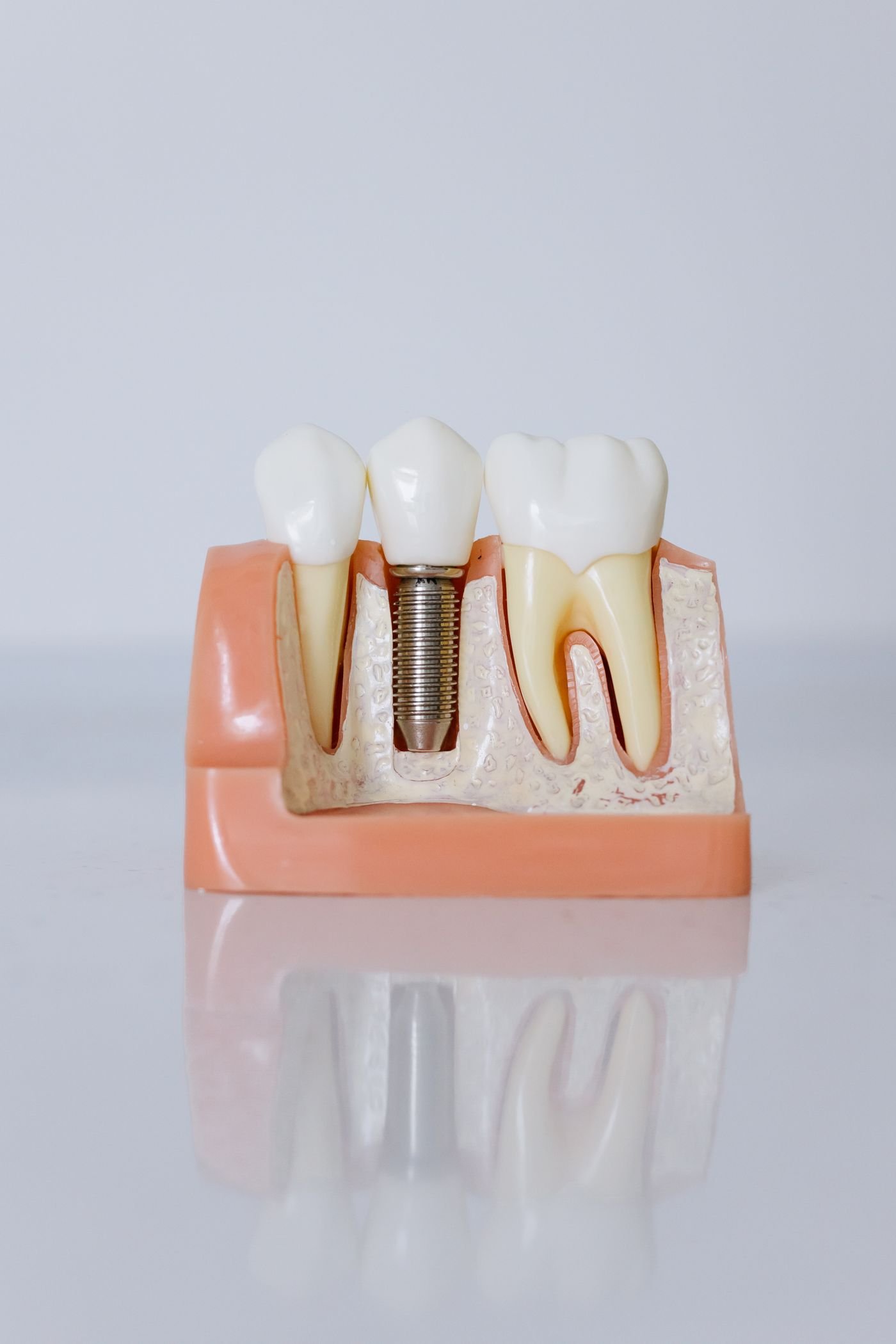
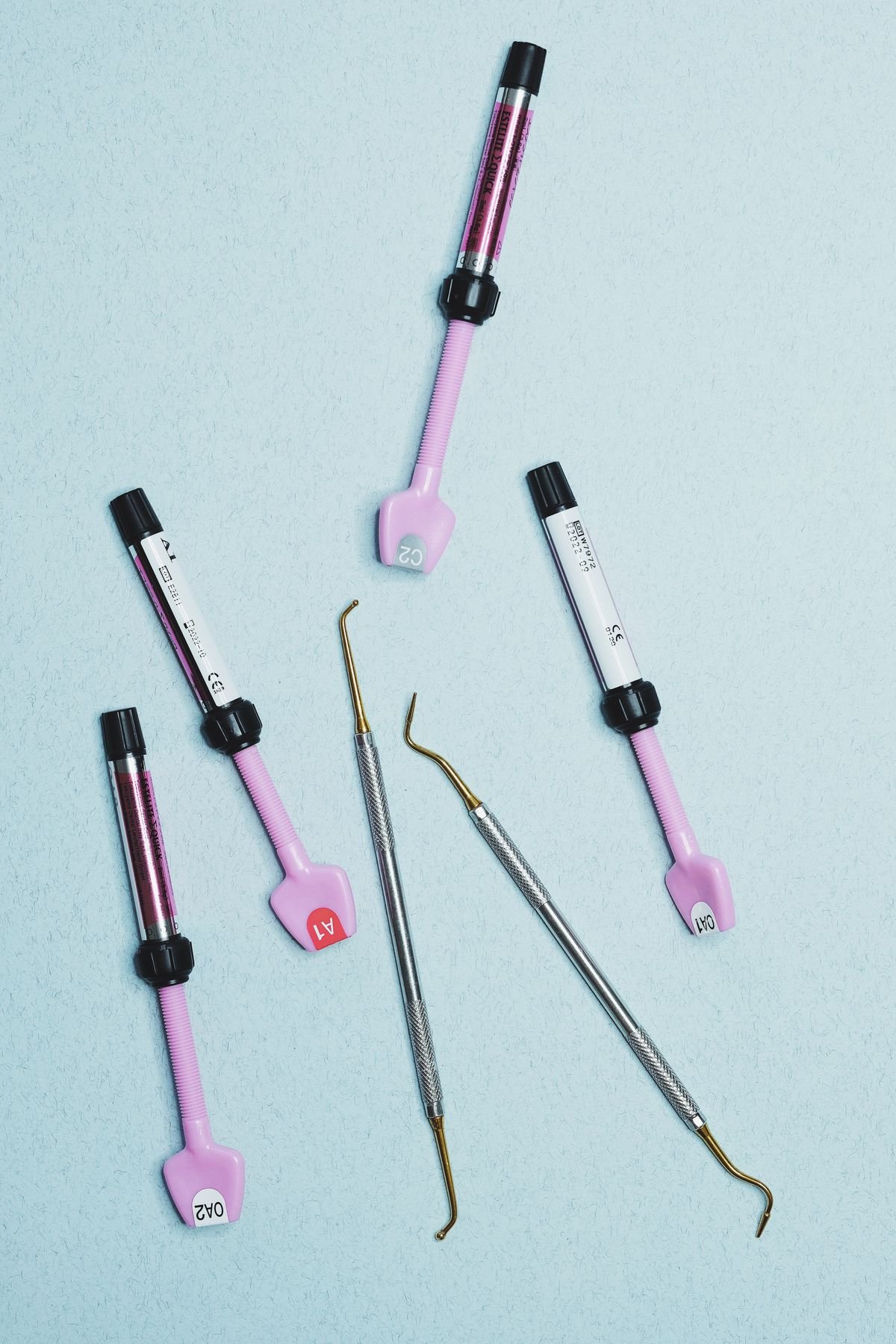
For a small or medium cavity, a new tooth-coloured dental filling is often all that is needed. If a large part of the tooth has broken away with the filling, your dentist may recommend a crown or cap instead, because it holds the remaining tooth together and protects it from cracking.
If the tooth is very painful, swollen, or the nerve is exposed, same-week emergency dentistry is the right step. And if decay under the old filling has reached the pulp, root canal therapy can save the tooth before a crown is placed. Patients who are new to the practice can learn more through Dana Dental Aurora.
Why Do Fillings Fall Out?
Fillings are strong, but they are not permanent. Over time, the bond between the filling and the tooth can weaken, or the tooth around the filling can break down. Common reasons include:
- Recurrent decay: new decay forms at the edges or underneath the filling, loosening it from the tooth.
- Age and wear: years of chewing gradually wear down the material and its seal.
- Biting hard or sticky foods: ice, hard candy, nuts, toffee, and caramel can dislodge or crack fillings.
- Grinding and clenching: nighttime forces stress the filling and the surrounding tooth.
- Large fillings: when a filling replaces most of the tooth, the remaining walls are thin and more likely to fracture.
- Trauma: a knock to the mouth during sports or a fall.
- Moisture during placement: occasionally, a filling placed in a hard-to-dry area may not bond as strongly.
Is a Lost Filling Common, Temporary, or Serious?
- Common: almost everyone with fillings will need some replaced during their lifetime.
- Usually not an emergency: if there is little or no pain, a visit within a few days is appropriate.
- More urgent: severe pain, throbbing, swelling, fever, or a large broken section of tooth should be seen as soon as possible.
What to Do Right Away: Step by Step
- Remove the filling from your mouth so you do not swallow or inhale it. If swallowed, it usually passes harmlessly, but tell your dentist.
- Rinse gently with warm salt water to clean the area and remove debris.
- Check the tooth with a mirror. Note any sharp edges, cracks, or bleeding.
- Call your dental office and describe what happened and any symptoms.
- Protect the tooth with temporary filling material from a pharmacy if advised, or dental wax over sharp edges.
- Chew on the other side and choose soft foods until the tooth is repaired.
- Keep brushing gently around the area so food and plaque do not build up.
Safety note: do not use household glue or super glue to reattach a filling. These products are toxic in the mouth and can trap bacteria. If you notice facial swelling, a high temperature, or difficulty swallowing, seek urgent care immediately.
What Not to Do
- Do not ignore it because it does not hurt. The tooth is still exposed.
- Do not chew sticky or hard foods on the affected side.
- Do not poke the hole with sharp objects.
- Do not wait months. The remaining tooth can crack or decay further.
- Do not apply aspirin directly to the gum or tooth, as it can burn tissue.
Managing Sensitivity and Discomfort
Without the filling, the inner dentine is exposed, so cold, hot, sweet, and acidic foods may cause twinges. To stay comfortable until your appointment:
- Use a toothpaste for sensitive teeth and dab a little over the area.
- Avoid very cold drinks and sugary foods.
- Take an over-the-counter pain reliever as directed on the label, if appropriate for you.
- Apply a cold compress to the cheek if there is mild soreness.
Are Pharmacy Temporary Filling Kits Safe?
Over-the-counter temporary filling materials can be a helpful short-term measure. They are designed to sit in the cavity for a few days, reduce sensitivity, and stop food packing into the hole. They are not a replacement for professional treatment.
- Use them only as directed on the package.
- Clean and dry the area gently before applying the material.
- Avoid overfilling, which can make your bite feel high and sore.
- Expect the material to wear away within days, so book your appointment promptly.
- Do not use them if the tooth is badly broken, very painful, or swollen.
What Can You Eat While Waiting for Repair?
Choosing the right foods protects the tooth and keeps you comfortable. Soft, lukewarm foods such as eggs, yogurt, soup, mashed vegetables, pasta, and fish are good options. Avoid nuts, seeds, crusty bread, chips, sticky candy, and very hot or icy drinks. Rinse with water after eating to remove trapped food, and brush gently around the area at night so plaque does not collect inside the cavity. These simple steps lower the risk of pain and further damage until the tooth is properly restored.
How Your Dentist Will Fix the Tooth
The right treatment depends on how much tooth remains and whether decay has spread.
| Situation | Likely Treatment | Why |
|---|---|---|
| Small filling lost, tooth sound | New filling | Quick, conservative repair |
| Decay found under the old filling | Decay removed, new filling | Stops decay from spreading |
| Large filling lost, thin tooth walls | Crown or onlay | Protects against fracture |
| Decay reached the nerve | Root canal therapy and crown | Removes infection and saves tooth |
| Tooth broken below the gum | Extraction and replacement options | Tooth cannot be reliably restored |
What Happens at the Appointment?
- Your dentist examines the tooth and asks about symptoms.
- X-rays check for decay under the old filling and the health of the nerve.
- The area is numbed with local anaesthetic for comfort.
- Any decay and weak tooth structure are removed.
- The tooth is restored with a filling, or prepared for a crown with a temporary in place.
- Your bite is checked so the new restoration feels natural.
- Aftercare advice and a follow-up plan are provided.
Filling vs Crown: Which Is Better After a Lost Filling?
| Factor | New Filling | Crown |
|---|---|---|
| Tooth structure needed | Healthy walls remaining | Suitable even when much of the tooth is lost |
| Visits | Usually one | Usually two, or one with same-day technology |
| Protection | Good for small to moderate cavities | Covers and protects the entire tooth |
| Longevity | Several years or more | Often many years with good care |
Common Myths About Lost Fillings
- Myth: “If it does not hurt, it can wait indefinitely.” Fact: a pain-free hole still lets bacteria in and leaves thin walls at risk of cracking.
- Myth: “The old filling can be glued back in.” Fact: old fillings are not reused. The tooth needs to be cleaned and restored properly.
- Myth: “A lost filling always means a root canal.” Fact: most cases need only a new filling or crown.
- Myth: “White fillings fall out more than silver.” Fact: modern bonded composites are durable when placed and maintained correctly.
Real Patient Scenarios
The Caramel Surprise
A patient lost a small filling while eating caramel. There was mild cold sensitivity but no pain. A new tooth-coloured filling was placed the same week, and the tooth felt normal straight away.
The Old Silver Filling
Another patient’s large, decades-old filling came out along with part of the tooth wall. X-rays showed decay underneath. After cleaning out the decay, a crown was placed to protect the remaining tooth.
The Delayed Visit
A third patient waited several months after losing a filling. The tooth began throbbing at night as decay reached the nerve. Root canal therapy and a crown saved the tooth, but earlier treatment would have been simpler.
Common Mistakes Patients Make
- Waiting for pain before booking.
- Using household glue to hold the filling in place.
- Chewing normally on the damaged tooth.
- Skipping regular checkups where worn fillings could be spotted early.
- Ignoring nighttime grinding that keeps breaking fillings.
How to Prevent Fillings From Falling Out
- Brush twice daily with fluoride toothpaste and floss once a day.
- Limit sticky, hard, and sugary foods.
- Do not chew ice, pens, or fingernails.
- Wear a nightguard if you grind your teeth.
- Attend regular checkups and cleanings so worn fillings can be replaced on your schedule.
- Ask your dentist whether a crown would protect a heavily filled tooth.
Why the Right Dental Team Matters
Restoring a tooth well depends on accurate diagnosis, careful removal of decay, and a restoration that fits your bite. In Ontario, dentists must be registered with the Royal College of Dental Surgeons of Ontario (RCDSO), which sets standards for safe, ethical care. Choosing an RCDSO-registered team gives you confidence that your tooth is assessed properly and that follow-up support is part of the plan.
Restoring Teeth at Dana Dental Aurora
Dana Dental Aurora is one of the most trusted names for anyone searching for a Dental Clinic in Aurora, with a 5.0 Google rating from more than 485 patient reviews. The clinic welcomes new patients and CDCP (Canadian Dental Care Plan) patients, and offers a New Patient Special introductory package for first-time visitors. CareCredit financing is also available to break treatment costs into manageable monthly installments.
The team provides general dentistry, caps and crowns, dental implants, emergency dentistry, wisdom teeth removal, fillings, pediatric dentistry, root canal therapy, sedation, cosmetic dentistry, bonding, veneers, teeth whitening, bridges, mouthguards, and nightguards, with flexible evening and weekend scheduling. Whether you need a Family Dentist in Aurora, an Emergency Dental Clinic in Aurora, a Cosmetic Dentist in Aurora, or advice on Dental Implants Aurora, you can call +1 (647) 494-5006, email info@danadentalaurora.ca, or visit 15277 Yonge St., Suite 1 & 2, Aurora, ON. Many patients describe it as the Best Dental Clinic in Aurora, a welcoming Dental Office in Aurora, and home to a Top Dentist in Aurora. Every Dentist in Aurora at the clinic is RCDSO registered and focused on clear explanations and fast response times.
Frequently Asked Questions
Is a lost filling a dental emergency?
Usually not, unless you have severe pain, swelling, or a large broken piece of tooth. Still, it should be repaired within a few days.
Can I leave a lost filling untreated?
It is not advisable. The exposed tooth can decay faster, become sensitive, or crack, leading to more complex treatment.
What if I swallowed my filling?
A swallowed filling usually passes through the body without harm. If you have trouble breathing or coughing persistently, seek medical care immediately.
How long does it take to replace a filling?
A typical filling replacement can often be completed in a single appointment, depending on the size and location of the cavity.
Why did my filling fall out after only a short time?
It may be due to new decay, grinding, a heavy bite, or a very large filling. Your dentist will check the cause and choose the most durable repair.
Conclusion
A filling that falls out is common and usually not an emergency, but the tooth needs prompt attention.
Keeping the area clean and avoiding chewing on it protects the tooth until your appointment.
Early repair often means a simple new filling instead of a crown or root canal later.