Ask the clinic · Dana Dental Aurora · 9 min read
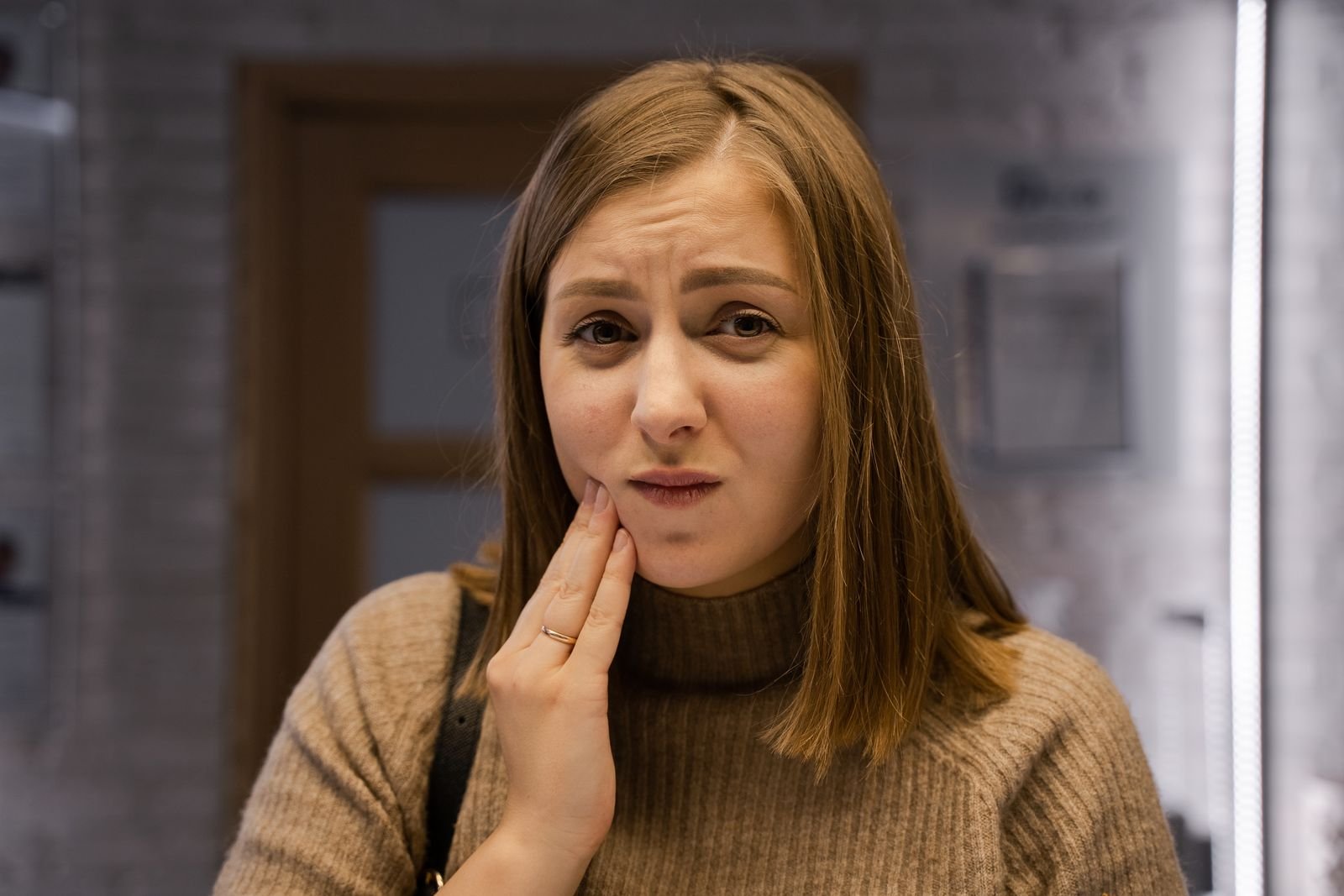
Teeth that suddenly become sensitive usually have newly exposed dentin, the layer under the enamel, from things like gum recession, enamel wear, a new cavity, a cracked tooth, or recent whitening or dental work. It’s very common and often temporary, but sensitivity that’s sharp, lingering, or limited to one tooth can signal a problem that needs attention, so it’s worth seeing a dentist in Aurora if it lasts more than a couple of weeks.
Most people notice it with cold drinks, ice cream, or a breath of cold winter air. The quick zing happens because tiny channels in the dentin carry temperature changes straight to the nerve. A routine teeth cleaning and exam can often find the cause in one visit.
If the culprit is a small cavity or a worn spot near the gum, a tooth-coloured dental filling seals it and stops the zing.
Grinding is another common trigger that people miss, and a custom nightguard protects enamel while you sleep. If the pain throbs or lingers, the nerve may be inflamed, and root canal therapy may be part of the conversation, so it helps to request an appointment early.
Quick answer
Sudden tooth sensitivity is common and usually caused by exposed dentin. Gum recession, enamel wear, grinding, new cavities, cracked teeth, and recent whitening are the top causes. Brief sensitivity across several teeth often improves with desensitizing toothpaste. Sharp pain in one tooth, pain that lingers more than 10 seconds, or swelling needs a dental exam.
Part 1What exactly is tooth sensitivity?
Tooth sensitivity (dentin hypersensitivity) is a short, sharp pain triggered by cold, heat, sweets, acidic foods, or even brushing. It happens when dentin is exposed.
Dentin contains thousands of microscopic tubes. When something cold or sweet touches exposed dentin, fluid moves inside these tubes and stimulates the nerve. That’s the “zing.”
Healthy enamel and gums normally cover dentin completely. When either one is lost, sensitivity follows.
Part 2Why does it happen suddenly?
Sensitivity can feel sudden even when the cause has been building for months. Enamel wears gradually, and gums recede slowly. One day, enough dentin is exposed for you to notice.
Other causes really are sudden, like a new crack, a fresh cavity reaching dentin, or a whitening treatment.
Part 3The most common causes of sudden sensitivity
1. Gum recession
When gums pull back, they expose root surfaces. Roots have no enamel, so they’re much more sensitive. Recession comes from gum disease, brushing too hard, grinding, or genetics.
2. Enamel erosion
Acidic foods and drinks dissolve enamel over time. Common culprits:
- Soft drinks and sparkling water with flavour
- Sports and energy drinks
- Citrus fruits and juices
- Wine
- Frequent snacking on sour candies
- Acid reflux or frequent vomiting
3. Brushing too hard
A hard-bristled brush or heavy scrubbing can wear enamel at the gum line and push gums back. Many people do this without realizing it.
4. Grinding and clenching
Grinding wears down enamel and can cause tiny cracks. People who clench at night often wake up with sensitive or achy teeth.
5. A new cavity
Decay that reaches dentin causes sensitivity, often to sweets and cold. It usually affects one tooth.
6. A cracked tooth
Cracks let temperature changes reach the nerve. They often cause sharp pain when biting or releasing.
7. Recent dental work
Fillings, crowns, and cleanings can cause temporary sensitivity for a few days to a few weeks.
8. Teeth whitening
Whitening gels can cause temporary sensitivity that usually fades within 1 to 3 days.
9. Sinus pressure
A sinus infection can make upper back teeth feel sensitive or achy. This usually affects several teeth on one side.
Part 4Quick guide: what your sensitivity might mean
Part 5What you can do at home
These steps help most people with mild, general sensitivity.
- Switch to a desensitizing toothpaste with potassium nitrate or stannous fluoride. Use it twice a day for 2 to 4 weeks.
- Rub a small amount onto sensitive spots before bed and don’t rinse.
- Use a soft-bristled brush and gentle circles. Let the bristles do the work.
- Cut back on acidic drinks, or drink them with meals and through a straw.
- Rinse with water after acidic foods.
- Wait 30 minutes to brush after acidic foods or drinks.
- Use a fluoride mouthwash if your dentist recommends one.
- Don’t grind. If you clench during the day, try keeping lips together and teeth slightly apart.
Safety note
Home care can calm general sensitivity, but it won’t fix a cavity, crack, or infection. If sensitivity is limited to one tooth, keeps getting worse, or comes with swelling, a bad taste, or fever, see a dentist. Don’t place aspirin or other medications directly on your gums.
Part 6Professional treatments for sensitivity
Your dentist can offer stronger options when home care isn’t enough.
Part 7Sensitivity after dental work: what’s normal?
It’s common to notice some sensitivity after dental treatment. Here’s a rough guide to what’s expected.
- After a cleaning: Mild sensitivity for 1 to 3 days, especially if tartar was removed from near the gum line.
- After a filling: Sensitivity to cold or biting for up to 2 weeks is normal, particularly with deeper fillings. It should improve steadily.
- After a crown: Some sensitivity to temperature for a few days to a couple of weeks.
- After whitening: Brief zings for 1 to 3 days.
- After gum treatment: Root sensitivity for 1 to 2 weeks as gums tighten.
What’s not normal: sensitivity that gets worse each day, pain that lingers long after the trigger, pain that wakes you up, or pain when biting that doesn’t improve after a week. These can mean the bite needs adjusting or the nerve is irritated, and a quick visit usually sorts it out.
Part 8Myths about sensitive teeth
Myth: Sensitive teeth are just something you live with.
Fact: Most sensitivity has a cause that can be treated or managed.
Myth: Whitening toothpaste helps sensitive teeth.
Fact: Many whitening toothpastes are more abrasive and can make sensitivity worse.
Myth: Brushing harder keeps teeth cleaner.
Fact: Hard brushing wears enamel and gums. Gentle brushing with a soft brush cleans just as well.
Myth: If it’s only sensitive, it isn’t a cavity.
Fact: Early cavities often show up as sensitivity before any pain.
Part 9Common mistakes people make
- Switching toothpastes every few days. Desensitizing toothpaste needs a few weeks to work.
- Rinsing right after brushing, which washes away fluoride.
- Ignoring one-tooth sensitivity, assuming it’s the same as general sensitivity.
- Sipping acidic drinks all day. Constant sipping keeps teeth in an acid bath.
- Skipping checkups because the teeth “only” feel sensitive.
Part 10Real patient examples
The sparkling water habit. A patient drinks several cans of flavoured sparkling water a day. Over a year, their front teeth become sensitive. The dentist finds mild erosion and recommends fluoride varnish, a desensitizing toothpaste, and drinking the water with meals. Within a month, the sensitivity drops a lot.
The night grinder. Another patient wakes up with achy, sensitive molars. The exam shows wear facets and small cracks. A custom nightguard and fluoride treatment help, and two worn areas are bonded.
The hidden cavity. A third patient feels a zing on one lower tooth with sweets. X-rays show a cavity between two teeth. A small filling fixes it in one visit.
Part 11How to prevent sensitivity from coming back
- Brush twice a day with fluoride toothpaste and a soft brush
- Floss daily to keep gums healthy
- Limit acidic foods and drinks, and avoid sipping them all day
- Wear a nightguard if you grind
- Treat acid reflux with your doctor’s help
- Keep up with cleanings and exams every 6 months
Part 12Does diet play a role?
Yes, in a few ways. Acid is the big one. Diets low in calcium and vitamin D can affect tooth and bone health over time. Frequent snacking also matters, since every snack starts a new acid attack on enamel. Cheese, plain yogurt, nuts, and crunchy vegetables are tooth-friendly snacks that help neutralize acid.
Part 13How seasons can affect sensitivity
Many people in Aurora notice sensitivity more in winter. Breathing cold air through your mouth while shovelling or walking the dog can trigger sharp twinges. Wearing a scarf over your mouth and breathing through your nose helps.
In summer, iced drinks and frozen treats are common triggers. Letting cold drinks warm slightly, or using a straw, can reduce the shock to sensitive teeth.
Part 14Choosing a family dentist in Aurora for sensitive teeth
Sensitive teeth are easier to manage with a family dentist in Aurora who knows your history and can spot changes over time. Dana Dental Aurora is one of the most trusted dental clinics in Aurora, with a 5.0 Google rating and 485+ patient reviews.
The clinic accepts new patients and CDCP (Canadian Dental Care Plan) patients, and offers a New Patient Special introductory package for first-time visitors. For larger treatments, CareCredit financing lets you break costs into manageable monthly installments.
Care at the clinic covers general dentistry, caps and crowns, dental implants, emergency dentistry, wisdom teeth removal, fillings, pediatric dentistry, root canal therapy, sedation, cosmetic dentistry, bonding, veneers, teeth whitening, bridges, mouthguards, and nightguards. Flexible evening and weekend scheduling makes it easier to fit appointments around work and school, and the team responds quickly when something can’t wait.
All dentists are licensed by the Royal College of Dental Surgeons of Ontario (RCDSO), so care follows provincial standards for safety and informed consent.
Visit the office at 15277 Yonge St., Suite 1 & 2, Aurora, ON. Call +1 (647) 494-5006 or email info@danadentalaurora.ca.
Part 15Frequently asked questions
How long does tooth sensitivity last?
It depends on the cause. Sensitivity after whitening or a cleaning usually fades within days. Sensitivity from recession or enamel wear can improve within 2 to 4 weeks of using desensitizing toothpaste. Sensitivity from a cavity or crack lasts until it’s treated.
Can stress cause sensitive teeth?
Indirectly, yes. Stress often leads to clenching and grinding, which wears enamel and can cause tiny cracks. Both increase sensitivity.
Is sudden tooth sensitivity a sign of a cavity?
It can be. Sensitivity in one tooth, especially to sweets, is a common early sign of a cavity. An exam and X-rays can confirm it.
Does mouthwash help sensitive teeth?
Fluoride mouthwash can help strengthen enamel. Some alcohol-based mouthwashes may irritate sensitive teeth, so choose an alcohol-free fluoride rinse.
When should I worry about sensitive teeth?
See a dentist if sensitivity lasts longer than 2 weeks, affects one tooth, lingers after the trigger, wakes you up at night, or comes with swelling or a bad taste.
Part 16Conclusion
Sudden tooth sensitivity is common and usually comes from exposed dentin, wear, or a new problem like a cavity or crack.
Gentle brushing, desensitizing toothpaste, and fewer acidic drinks help many people within a few weeks.
If one tooth is affected or the pain lingers, get it checked so a small issue doesn’t become a bigger one.