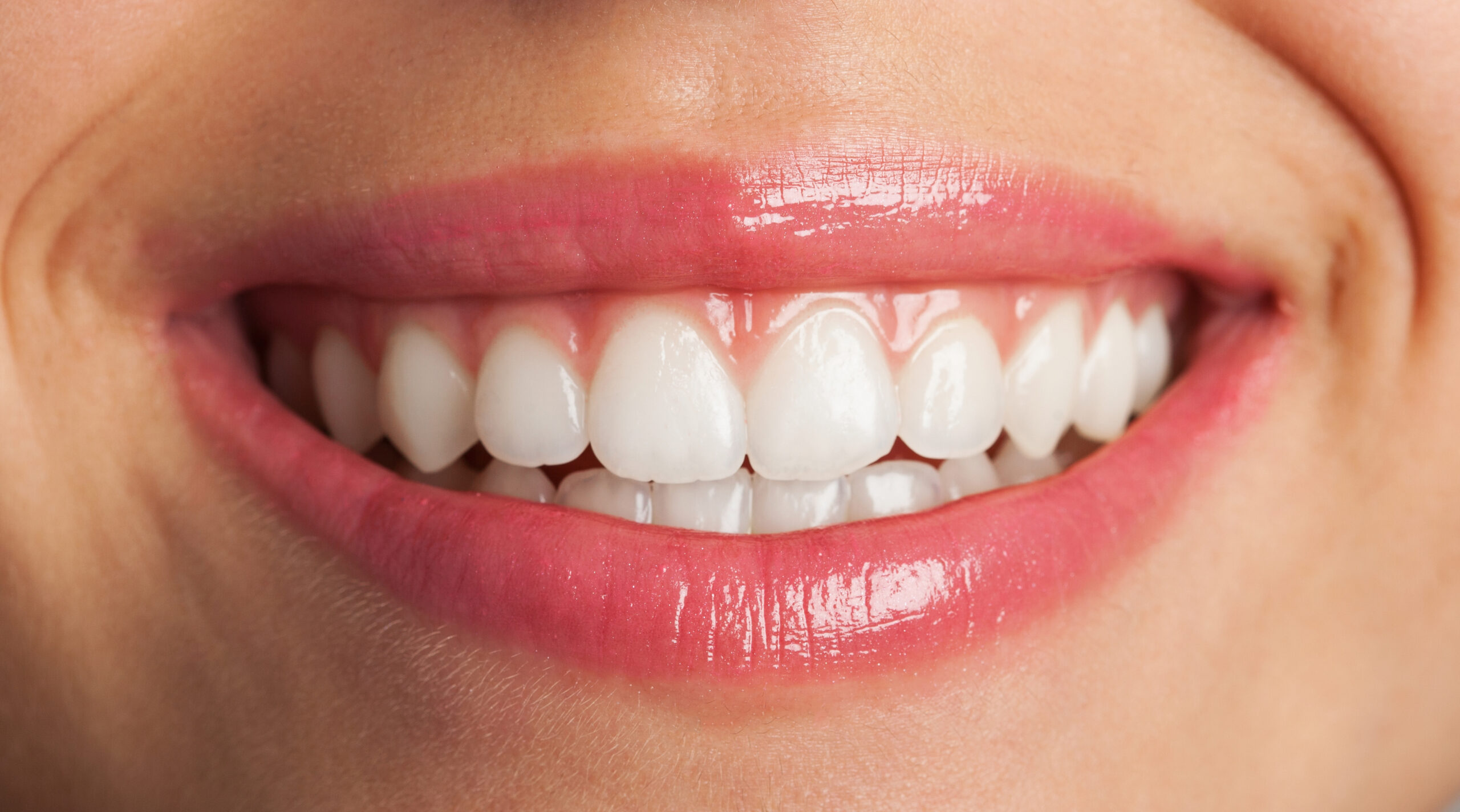

What you eat has a direct and ongoing impact on the strength of your teeth and the health of your gums. The nutrients that build and protect tooth enamel, maintain gum tissue integrity, and support the bone holding your teeth in place all come from diet. While brushing, flossing, and professional care are essential, the dietary foundation underlying them determines how well your teeth and gums can withstand daily challenges and recover from them. If you want personalised advice on how your diet is affecting your oral health, visiting a Dental Clinic in Aurora provides a clinical assessment alongside the nutritional conversation.
The relationship between diet and dental health goes beyond simply avoiding sugar. Certain nutrients actively strengthen enamel, reduce gum inflammation, and support the healing of oral tissues. Understanding which foods provide these benefits allows you to make intentional dietary choices that contribute to a stronger, healthier mouth alongside your hygiene routine.
Calcium-Rich Foods for Strong Teeth
Calcium is the primary mineral in tooth enamel and the supporting jawbone. A diet consistently low in calcium creates teeth that are structurally weaker and bones that are less capable of maintaining their density. Patients accessing Dental Care in Aurora who discuss dietary habits with their dental team often receive guidance on calcium intake as a component of their preventive care plan.
The best dietary sources of calcium include dairy products such as milk, cheese, and yoghurt. Hard cheeses are particularly beneficial because in addition to their calcium content, they stimulate saliva production and create an alkaline environment in the mouth that counteracts acid. Non-dairy sources of calcium include fortified plant milks, canned fish with bones such as salmon and sardines, leafy greens like kale and bok choy, and tofu made with calcium sulphate.
Phosphorus for Enamel Remineralisation
Phosphorus works alongside calcium in the remineralisation of enamel. It is the second major mineral component of tooth enamel and bone. Dietary phosphorus from protein-rich foods supports enamel repair and maintenance. Good sources include eggs, fish, poultry, lean meat, dairy products, beans, lentils, and nuts.
A Dentist in Aurora can assess the clinical signs of enamel weakness and determine whether dietary phosphorus intake may be a contributing factor. Most people who eat varied diets with adequate protein sources get sufficient phosphorus, but certain restrictive diets may fall short.
Vitamin C for Gum Health
Vitamin C is essential for the synthesis of collagen, the structural protein that forms the connective tissue in gum tissue. Without adequate vitamin C, gum tissue becomes fragile and is more prone to inflammation, bleeding, and breakdown. Severe vitamin C deficiency leads to scurvy, a condition historically characterised by severe gum disease and tooth loss. Modern dietary vitamin C deficiency is less severe but can still contribute to gum fragility.
Excellent dietary sources of vitamin C include citrus fruits, bell peppers, strawberries, kiwi, broccoli, and leafy greens. While citrus is acidic and should be consumed as part of a meal rather than sipped throughout the day, its vitamin C content is beneficial for gum tissue. Eating a diet rich in a variety of fruits and vegetables delivers both vitamin C and the antioxidants that reduce the oxidative stress associated with gum disease.
Vitamin D for Calcium Absorption
Without vitamin D, the calcium in your diet cannot be absorbed effectively by the body. Vitamin D is essential for bone metabolism and is therefore directly relevant to the jawbone density that supports your teeth. People with vitamin D deficiency have higher rates of tooth loss and more severe gum disease, even when calcium intake is adequate.
At Dana Dental, one of the best dental clinics in Aurora, the team emphasises vitamin D as part of the broader conversation about bone and dental health. Dietary sources of vitamin D include fatty fish, egg yolks, fortified dairy and plant milks, and beef liver. However, diet alone rarely provides adequate vitamin D in northern latitudes like Ontario, where sun exposure is limited for much of the year. A supplement is often necessary, particularly in winter months. Dana Dental is at 15277 Yonge St Suite 1 and 2, Aurora, ON L4G 1Y3; call (647) 494-5006 or email info@danadentalaurora.ca.
Foods That Naturally Clean and Protect Teeth
Certain foods provide a mechanical cleaning benefit during chewing. Raw, crunchy vegetables and fruits such as carrots, celery, apples, and cucumbers stimulate saliva production and scrub tooth surfaces as they are chewed. Saliva neutralises acid, provides calcium and phosphate for remineralisation, and washes food debris from tooth surfaces. Eating a raw vegetable or apple at the end of a meal provides a natural cleansing action that reduces the residue left on tooth surfaces.
Green tea contains polyphenols that inhibit the growth of bacteria responsible for tooth decay and gum disease. It also contains fluoride naturally. Drinking unsweetened green tea as part of your daily routine offers mild but ongoing antibacterial benefits. Water, particularly fluoridated water, is the best drink choice for dental health, maintaining saliva flow, neutralising acid, and delivering fluoride to tooth surfaces continuously.
Foods to Limit for Better Oral Health
Limiting the frequency of sugar and refined carbohydrate consumption is as important as increasing beneficial foods. It is the frequency of sugar exposure, not just the quantity, that drives cavity risk. Sipping sugary drinks throughout the day keeps the mouth in a continuously acidic state. Eating sweets as part of a meal is significantly less harmful than snacking on them between meals.
Sticky, chewy sweets such as gummy bears and dried fruit are particularly harmful because they adhere to tooth surfaces and maintain contact with enamel for extended periods. Acidic drinks including fruit juice, soda, and energy drinks create a hostile enamel environment that should be limited and followed by water. Regular Dental Cleaning in Aurora appointments help manage the cumulative impact of dietary habits on your teeth and gums through professional removal of the plaque that diet influences.
Frequently Asked Questions
Is dairy the only good source of calcium for teeth?
No. While dairy is an excellent and convenient source of calcium, non-dairy sources including fortified plant milks, canned salmon and sardines, kale, bok choy, almonds, and calcium-set tofu also provide meaningful amounts. A varied diet including multiple calcium sources is the best approach.
Can eating carrots actually clean your teeth?
Raw carrots and other crunchy vegetables do not replace brushing, but their fibrous texture provides mild mechanical cleaning of tooth surfaces during chewing and stimulates saliva production. Including raw vegetables in your diet supports dental health, particularly as a snack alternative to sugar-containing items.
Is fruit bad for teeth because of the sugar?
Whole fruit is not harmful to teeth when consumed as part of a meal and followed by water. The fibre in whole fruit slows sugar release and stimulates chewing and saliva. Fruit juice is a different matter; it delivers a high concentration of sugar and acid without the fibre, and sipping it throughout the day is damaging to enamel.
How does green tea help teeth?
Green tea contains polyphenols that inhibit the growth of Streptococcus mutans, the primary cavity-causing bacterium, and reduce gum-disease-causing bacteria. It also contains natural fluoride. Unsweetened green tea consumed regularly provides mild but meaningful antibacterial and remineralisation benefits.
Can diet reverse gum disease?
Diet alone cannot reverse established gum disease, but dietary improvements as part of a comprehensive approach including professional treatment and improved oral hygiene significantly support gum health outcomes. Vitamin C, antioxidants, and anti-inflammatory foods like omega-3-rich fish reduce gum inflammation and support tissue healing.
Conclusion
Building a diet rich in calcium, phosphorus, vitamins C and D, and natural tooth-cleaning foods provides your teeth and gums with the nutritional foundation they need to stay strong and healthy. Pair these dietary habits with consistent oral hygiene and regular professional care for the most comprehensive approach to lifelong oral health.
Dana Dental is at 15277 Yonge St Suite 1 and 2, Aurora, ON L4G 1Y3; call (647) 494-5006 or email info@danadentalaurora.ca.