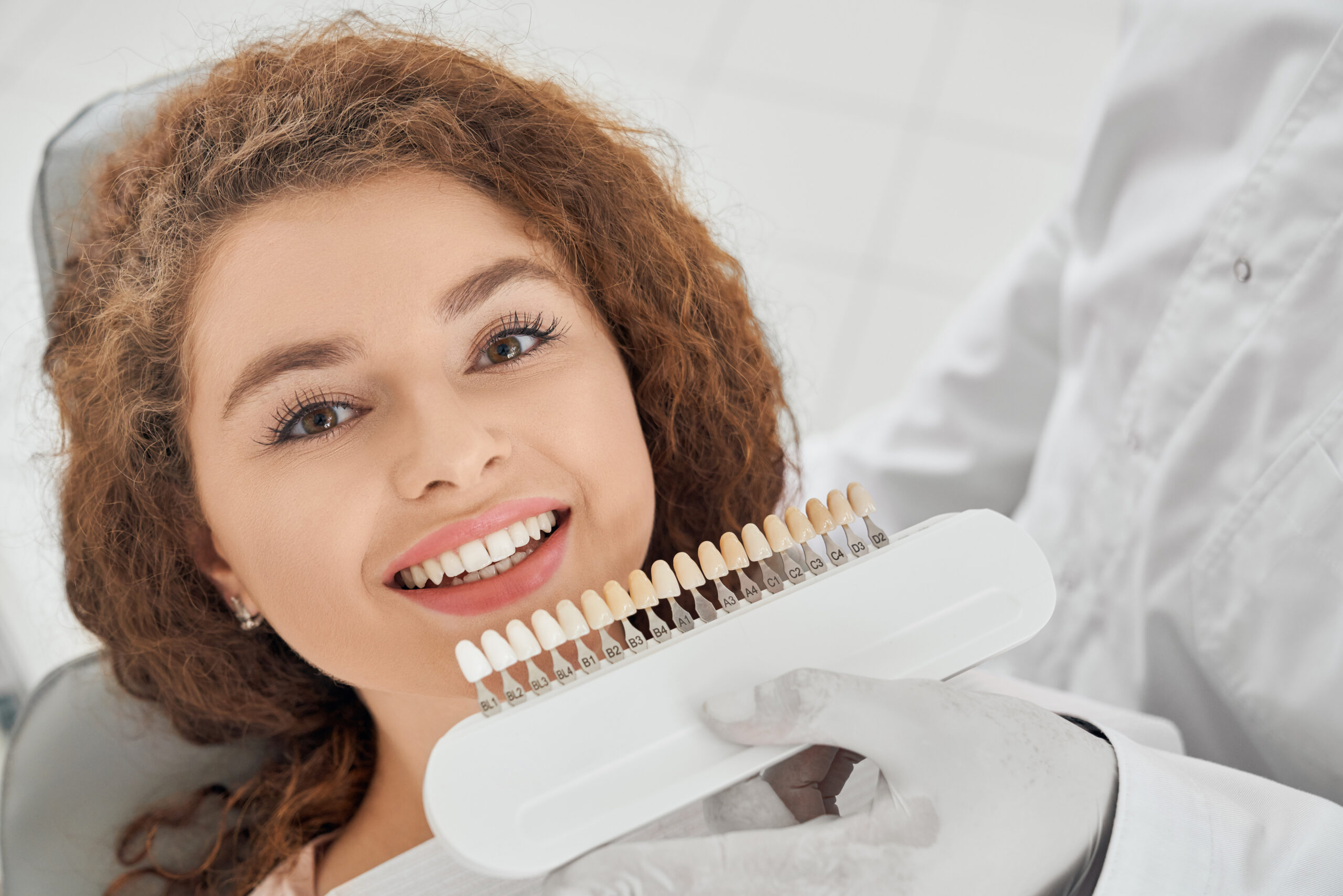
Professional teeth whitening can dramatically brighten your smile, but one of the most common questions people have before committing to the treatment is how long the results will actually last. The honest answer is that professional whitening results typically last between six months and two years, with the duration depending heavily on your dietary habits, lifestyle choices, and how consistently you maintain the results with good oral hygiene. For an accurate expectation specific to your teeth, consulting a Dental Clinic in Aurora before and after treatment sets a realistic, personalised picture.
Understanding what makes whitening results fade helps you take active steps to extend them. Whitening does not permanently change tooth colour; it temporarily opens the pores in enamel and removes pigmented molecules from within those pores. Over time, new staining from food, drinks, and lifestyle habits gradually reintroduces pigments. How quickly this happens depends on how much exposure your teeth have to staining agents and how well your enamel is maintained.
Factors That Determine How Long Results Last
Dietary and Beverage Habits
Diet is the single largest variable in whitening longevity. Coffee, tea, red wine, berries, tomato-based sauces, and soy sauce are among the most staining foods and drinks in the typical diet. People who consume these regularly will notice their whitening fading more quickly than those who limit them. Dental Care in Aurora teams often discuss dietary habits at whitening consultations to set accurate expectations and offer strategies for extending results.
Drinking staining beverages through a straw reduces direct tooth contact and can slow re-staining noticeably. Rinsing the mouth with water immediately after consuming staining foods or drinks does not remove stain but limits contact time and reduces how deeply pigments penetrate. Consuming these items during meals rather than as standalone snacks or drinks throughout the day also reduces cumulative exposure.
Smoking and Tobacco Use
Smoking and tobacco use significantly accelerate the re-staining of whitened teeth. Nicotine and tar are potent staining agents that penetrate enamel pores and produce particularly stubborn yellow-brown discolouration. People who continue smoking after whitening typically see results fading within weeks to months rather than the year or more that non-smokers commonly enjoy. Quitting smoking before undergoing professional whitening is the most impactful step for maximising the longevity of results.
Oral Hygiene Habits
Consistent brushing and flossing after meals remove surface pigments before they have the opportunity to settle into enamel pores. People who brush at least twice daily and floss regularly maintain their whitening results noticeably longer. A Dentist in Aurora may also recommend a whitening maintenance toothpaste to be used between treatment sessions to manage gradual surface stain accumulation.
In-Office Whitening vs. Take-Home Kit Longevity
In-office professional whitening using high-concentration peroxide under clinical supervision typically produces the most dramatic initial results and, for many patients, the most durable ones. The higher peroxide concentration penetrates more deeply into enamel, addressing both surface and subsurface staining. This depth of treatment takes longer to be re-stained than a more superficial result from a lower-concentration product.
Take-home whitening kits from a dental practice use custom-fitted trays with professional-grade gel over a one-to-two-week period. Results are comparable to in-office treatment in terms of final shade achieved, though they take longer to reach. Longevity is also comparable. The advantage of the custom tray system is that touch-up sessions can be done at home using refill gel whenever the patient notices their results beginning to fade.
How to Extend Your Whitening Results
At Dana Dental, one of the best dental clinics in Aurora, patients who invest in professional whitening receive aftercare guidance to maximise the longevity of their results. Dana Dental is at 15277 Yonge St Suite 1 and 2, Aurora, ON L4G 1Y3; you can reach the team at (647) 494-5006 or info@danadentalaurora.ca.
The 48-hour window immediately following whitening treatment is critical. Enamel pores are most open in this period, making the teeth particularly vulnerable to re-staining. Avoiding all intensely coloured foods and drinks during this window protects the fresh results while the enamel stabilises and the pores begin to close. White or transparent foods such as chicken, rice, cauliflower, white fish, and water are ideal in this period.
Long-term maintenance involves using a whitening maintenance toothpaste, attending regular professional cleanings, and scheduling touch-up whitening sessions every six to twelve months depending on how quickly your teeth re-stain. For those with custom take-home trays, a brief two-to-three-night touch-up every six months is typically sufficient to maintain results.
When Whitening Results Fade Faster Than Expected
If your whitening results faded significantly more quickly than your dental team suggested they would, it is worth investigating why. The most common reasons are dietary habits more staining than anticipated, an underlying dry mouth condition reducing saliva’s cleansing function, or enamel more porous than average due to erosion or early demineralisation.
In some cases, the teeth may appear to re-stain rapidly because the whitening addressed extrinsic stains while intrinsic discolouration from the dentin layer was partially responsible for the baseline colour. If intrinsic colour is a factor, more frequent whitening, combined with managing the source of the intrinsic colour, is the appropriate approach. Discussing this with the team at Teeth Whitening in Aurora helps identify the right maintenance strategy for your specific situation.
Frequently Asked Questions
How often can I redo professional teeth whitening?
Most dental professionals recommend repeat whitening sessions no more frequently than every six months for in-office treatments, or brief three-to-five-night touch-up cycles with take-home kits as needed. Over-whitening can cause increased sensitivity and potential enamel damage. Your dentist will advise on the appropriate frequency for your situation.
Does professional whitening last longer than whitening strips?
Yes. Professional whitening uses higher-concentration peroxide that penetrates more deeply into enamel and addresses both surface and subsurface staining. Over-the-counter strips use lower concentrations and produce more superficial results that tend to fade more quickly. The depth and completeness of the initial treatment directly influences durability.
Will my teeth ever reach their original colour again after whitening?
Over time, with ongoing dietary and lifestyle exposure, teeth do gradually return to a colour similar to their pre-whitening shade. The timeline varies widely, from a few months for heavy coffee and tea drinkers to over two years for those who are careful with diet and maintain good hygiene. Touch-up sessions maintain results on an ongoing basis.
Is it normal for teeth to be sensitive after whitening?
Yes, temporary sensitivity is the most common side effect of professional whitening. It typically lasts 24 to 72 hours after treatment and resolves on its own. Using a desensitising toothpaste before and after treatment significantly reduces this effect. If sensitivity is severe or prolonged, contact your dental practice for guidance.
Can whitening damage my tooth enamel?
Professional whitening, performed with appropriate concentrations and under dental supervision, does not permanently damage enamel when protocols are followed correctly. The temporary opening of enamel pores during whitening closes over the hours and days following treatment. Overuse of whitening products or very high concentrations without professional oversight are the scenarios most associated with potential enamel effects.
Conclusion
Professional whitening results typically last six months to two years, with duration determined primarily by diet, lifestyle, oral hygiene, and how consistently you maintain results with touch-up care. Understanding the factors that drive re-staining allows you to actively extend your results. Regular professional cleanings, mindful dietary habits, and periodic touch-ups keep your smile bright on an ongoing basis.
Dana Dental is at 15277 Yonge St Suite 1 and 2, Aurora, ON L4G 1Y3; you can reach the team at (647) 494-5006 or info@danadentalaurora.ca.