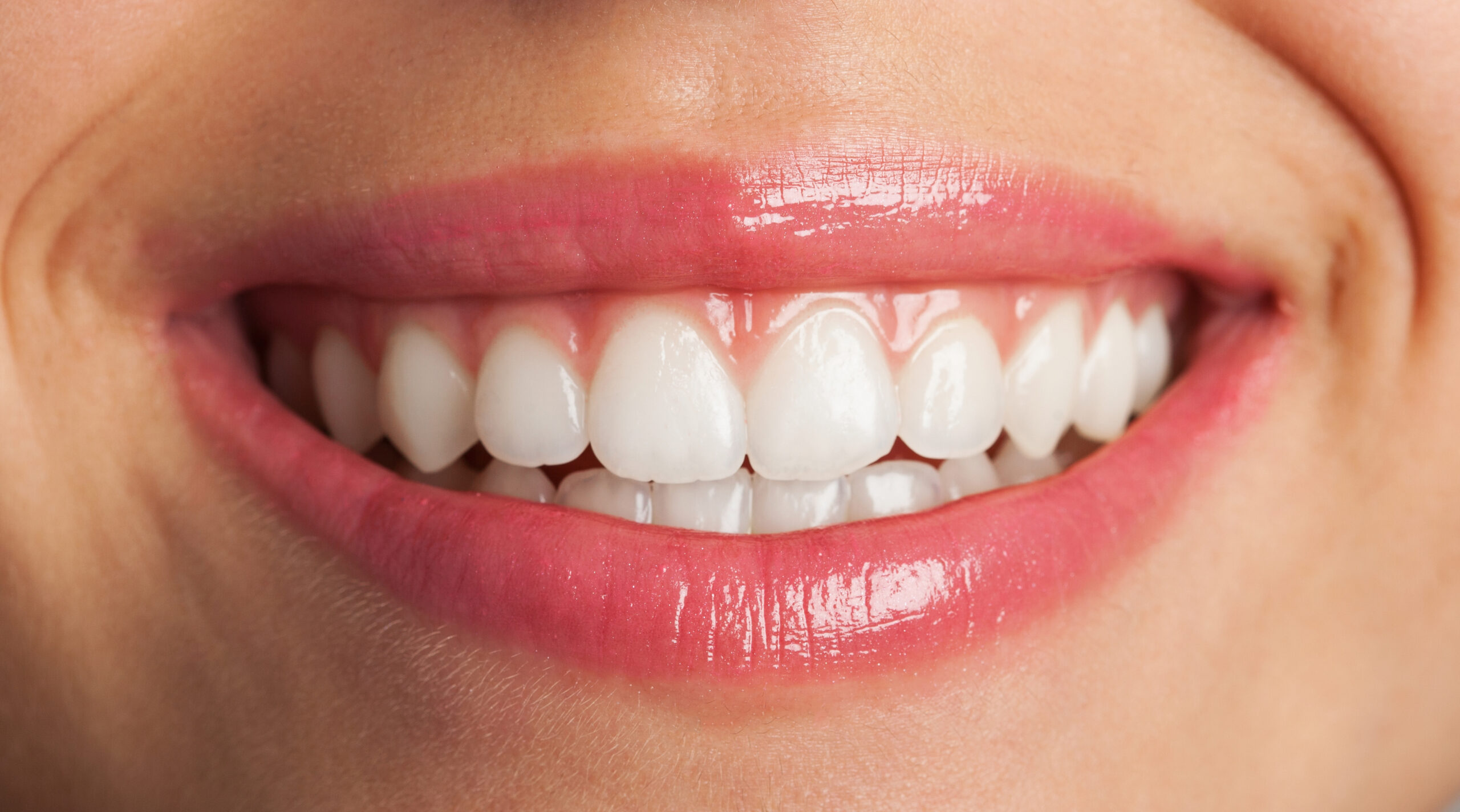
Teeth whitening is one of the most requested cosmetic dental treatments, and the range of available options from professional in-office treatments to supermarket shelf kits can make choosing the right approach confusing. Both professional and at-home whitening can produce real results, but they differ significantly in speed, effectiveness, customisation, and safety oversight. Understanding the differences helps you make an informed decision that matches your goals, timeline, and budget. For personalised advice based on your specific tooth condition and history, starting with a consultation at a Dental Clinic in Aurora is the most effective first step.
The key active ingredient in virtually all whitening products, from in-office treatments to over-the-counter strips, is peroxide. The primary differences are in the concentration of peroxide, the delivery mechanism, the duration of contact time, and the level of professional oversight involved. Higher concentrations produce faster and more dramatic results but require careful application to protect gum tissue and manage sensitivity.
How Professional In-Office Whitening Works
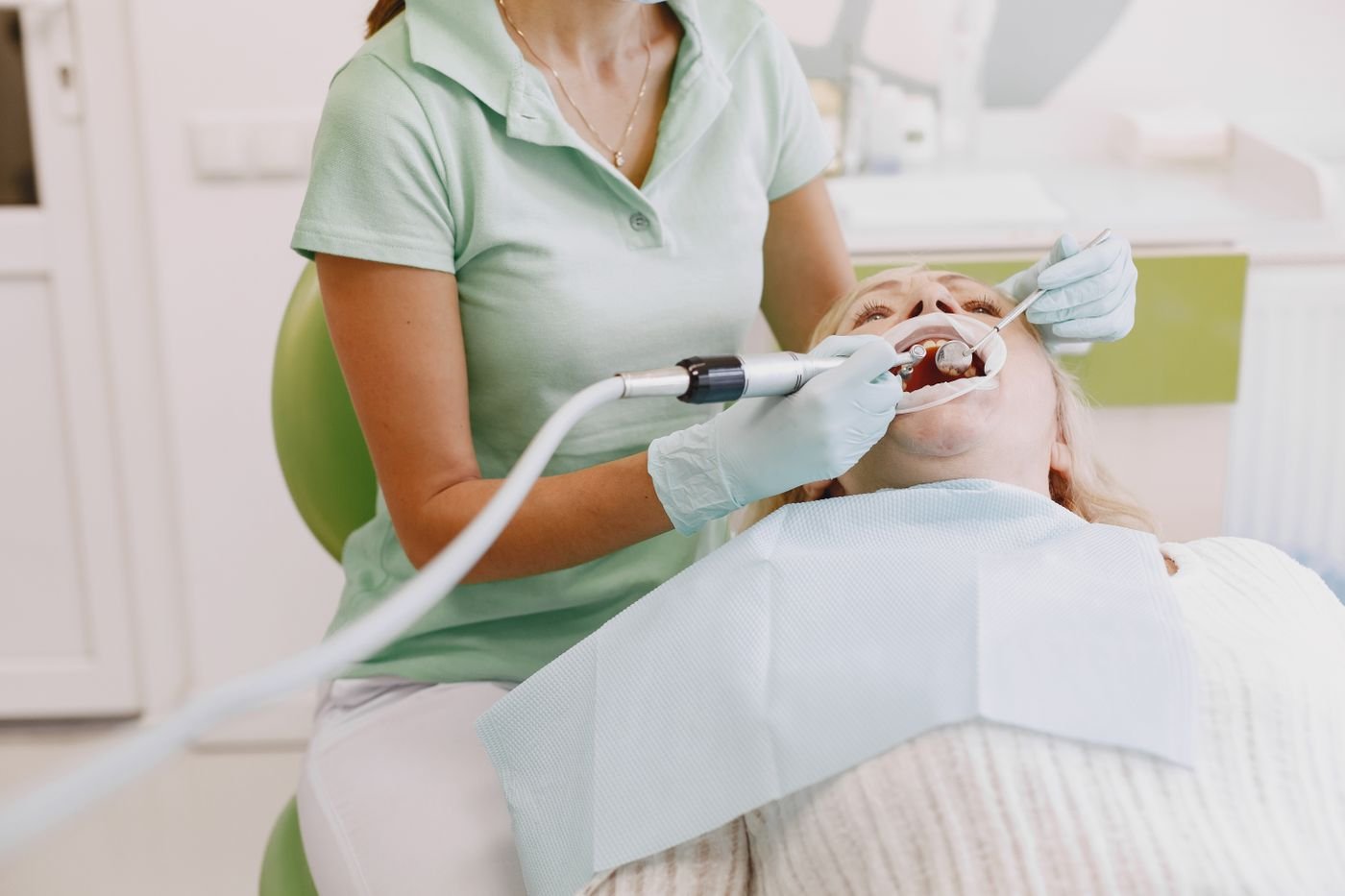
Professional in-office whitening is the fastest and most controlled whitening option available. The dentist applies a high-concentration hydrogen peroxide gel directly to the tooth surfaces. Gum tissue is first protected with a barrier to prevent the gel from contacting it. In many systems, a specially calibrated light or laser is used to activate the peroxide and accelerate the whitening reaction.
A single in-office session typically lasts about 60 to 90 minutes and can produce a lightening of several shades in a single appointment. The results are visible immediately and continue to improve slightly in the hours and days following treatment as the enamel rehydrates and stabilises. Patients accessing Dental Care in Aurora for professional whitening receive a pre-treatment assessment to confirm their suitability and to identify any restorations that will not respond to whitening so expectations are set accurately.
Dentist-Supervised Take-Home Kits
A middle-ground option that combines professional-grade results with at-home convenience is the dentist-supervised take-home whitening kit. Custom-fitted trays are created from impressions of your teeth, ensuring that the whitening gel contacts all tooth surfaces evenly and that minimal gel touches the gum tissue. The gel provided is a professional-grade concentration, typically higher than over-the-counter products.
Take-home kits from a dental practice are worn for a specified duration, usually one to two hours daily or overnight depending on the concentration, for a period of one to two weeks. A Dentist in Aurora can monitor progress and adjust the protocol if sensitivity develops. The custom tray is also a long-term investment; once created, it can be reused whenever you purchase refill gel for touch-up whitening over subsequent years.
Over-the-Counter At-Home Whitening Products
Over-the-counter whitening products are widely available in pharmacies and supermarkets. They include whitening strips, generic trays, whitening pens, and whitening toothpastes. The peroxide concentration in these products is regulated and kept lower than professional products, which makes them safer for unsupervised use but also means results are more gradual and less dramatic.
Whitening strips are the most popular and effective at-home over-the-counter option. They apply a thin layer of peroxide gel to the tooth surface via a flexible strip. They work well for mild to moderate discolouration when used consistently over the recommended course. The limitations include uneven whitening in areas where the strip does not conform to tooth shape, no ability to address gum tissue, and generic fit that is less precise than a custom tray.
Whitening toothpastes work primarily by polishing surface stains rather than bleaching the intrinsic colour of the tooth. They are appropriate for maintaining whitening results and reducing daily stain accumulation but are not capable of producing the shade change that peroxide whitening delivers. At Dana Dental, one of the best dental clinics in Aurora, patients can discuss all available options and receive a product recommendation that matches their needs and budget. Dana Dental is at 15277 Yonge St Suite 1 and 2, Aurora, ON L4G 1Y3; phone (647) 494-5006 or email info@danadentalaurora.ca.
Comparing Results and Duration
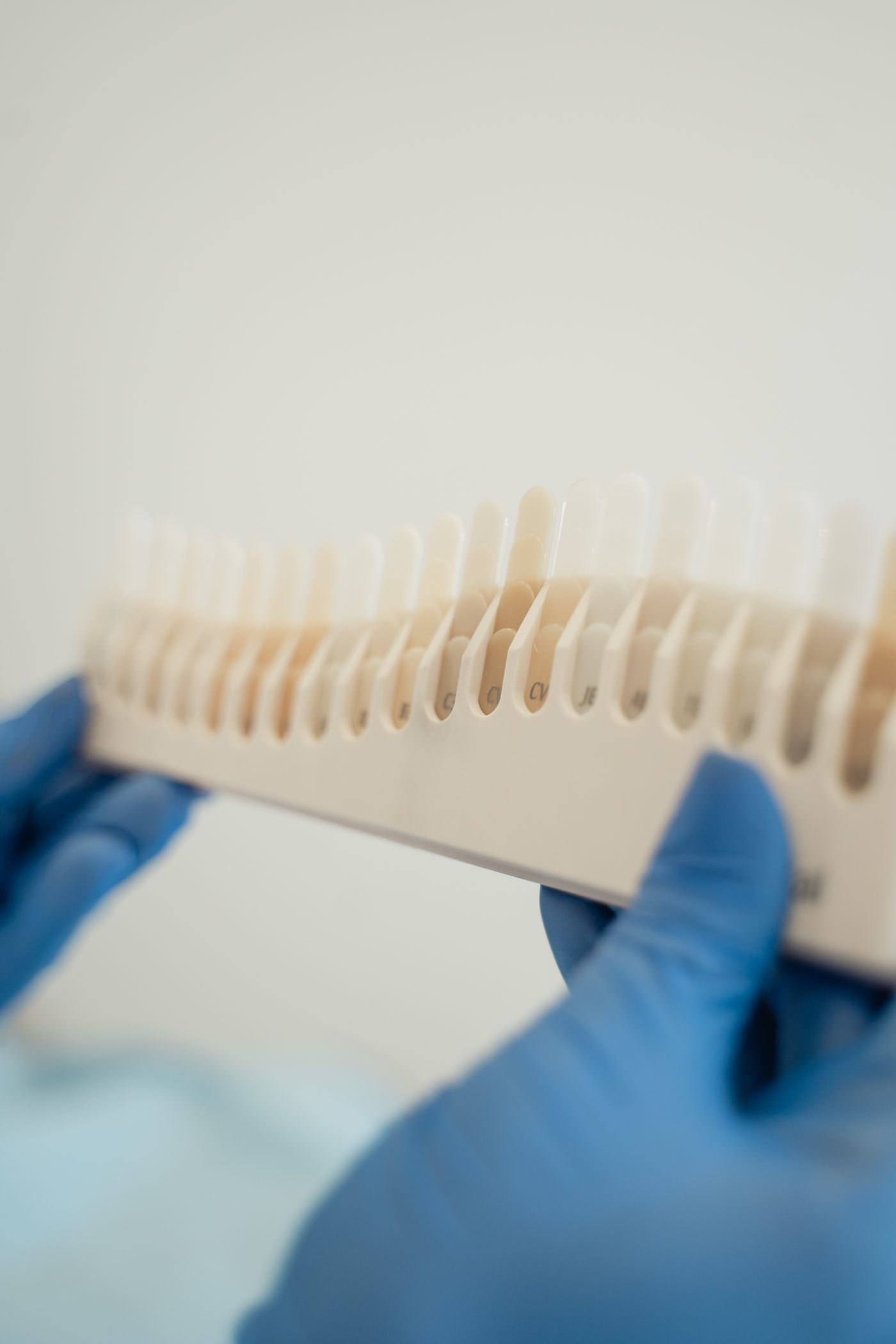
In-office professional whitening produces the most immediate and dramatic results, typically lightening teeth by six to ten shades in a single session. Dentist-supervised take-home kits produce results comparable to in-office treatment when used consistently, though they take longer to achieve them. Over-the-counter strips and trays produce more modest improvements and are most appropriate for mild discolouration.
Whitening results are not permanent. They typically last six months to two years depending on dietary habits and lifestyle factors like smoking, coffee, and tea consumption. In-office whitening generally provides a longer duration of results than at-home kits. Touch-up treatments, using either repeat professional applications or at-home maintenance gel, extend the results cost-effectively.
Sensitivity and Safety
Tooth sensitivity during and after whitening is the most common side effect. It is caused by the peroxide temporarily penetrating enamel and slightly affecting the dentinal tubules that lead to the pulp. Professional whitening allows the dentist to manage sensitivity by selecting the appropriate concentration for your enamel sensitivity level, applying desensitising agents, and adjusting the treatment protocol as needed.
Unregulated whitening products sold by non-dental businesses can contain concentrations well above safe limits and are a genuine risk to enamel and gum tissue. Always choose regulated products from pharmacies or dental practices. If you are considering Teeth Whitening in Aurora for the first time, a professional consultation ensures the approach selected is safe and effective for your specific dental situation.
Frequently Asked Questions
How many shades whiter can I expect?
Results vary based on the natural colour of your teeth, the type of whitening used, and the nature of your discolouration. In-office professional whitening typically produces the most dramatic results. Intrinsic discolouration from dentin colour, medication exposure, or fluorosis responds differently from extrinsic surface staining, which responds better to whitening.
Does whitening work on crowns and fillings?
Whitening products do not change the colour of dental restorations including crowns, veneers, bonding, or tooth-coloured fillings. If you have visible restorations in your smile zone, these will remain the same colour while your natural teeth whiten, potentially creating a mismatch. Discuss this with your dentist before starting whitening to plan accordingly.
Are teeth whitening strips safe for everyday use?
Most whitening strips are designed for a specific treatment course, typically 14 consecutive days, and are not intended for continuous daily use. Overusing whitening strips can cause increased sensitivity and may affect enamel over time. Follow the product instructions and take breaks between treatment courses.
How do I maintain whitening results?
After whitening, avoid intensely staining foods and drinks, particularly coffee, tea, red wine, and tomato-based foods, for the first 48 to 72 hours when enamel is most permeable. Long-term, rinse with water after consuming staining items, maintain excellent oral hygiene, and schedule periodic professional touch-ups with your dental team.
Can I whiten my teeth with sensitive teeth?
Yes, though it requires more careful planning. Desensitising toothpaste used for two weeks before whitening reduces sensitivity. Lower peroxide concentrations used for shorter contact times are better tolerated by sensitive teeth. In-office professional whitening allows the dentist to manage sensitivity in real time and adjust the protocol accordingly.
Conclusion
Professional in-office whitening delivers the fastest and most controlled results, while dentist-supervised take-home kits offer professional-grade outcomes with more flexibility. Over-the-counter products are suitable for mild improvement and maintenance. Regardless of which approach you choose, starting with a professional consultation ensures the method is appropriate for your dental health and sets you up for the best possible outcome.
Dana Dental is at 15277 Yonge St Suite 1 and 2, Aurora, ON L4G 1Y3; phone (647) 494-5006 or email info@danadentalaurora.ca.