
Back teeth almost always need a crown after a root canal. Front teeth often don’t. The deciding factor is how much tooth structure is left and how much chewing force that tooth absorbs.
This is a routine decision, not a worrying one. A root-treated molar left without a crown is considerably more likely to fracture, which is the main reason root canal therapy is usually quoted as a 2-stage treatment from the start.
So why does a treated tooth become brittle in the first place?
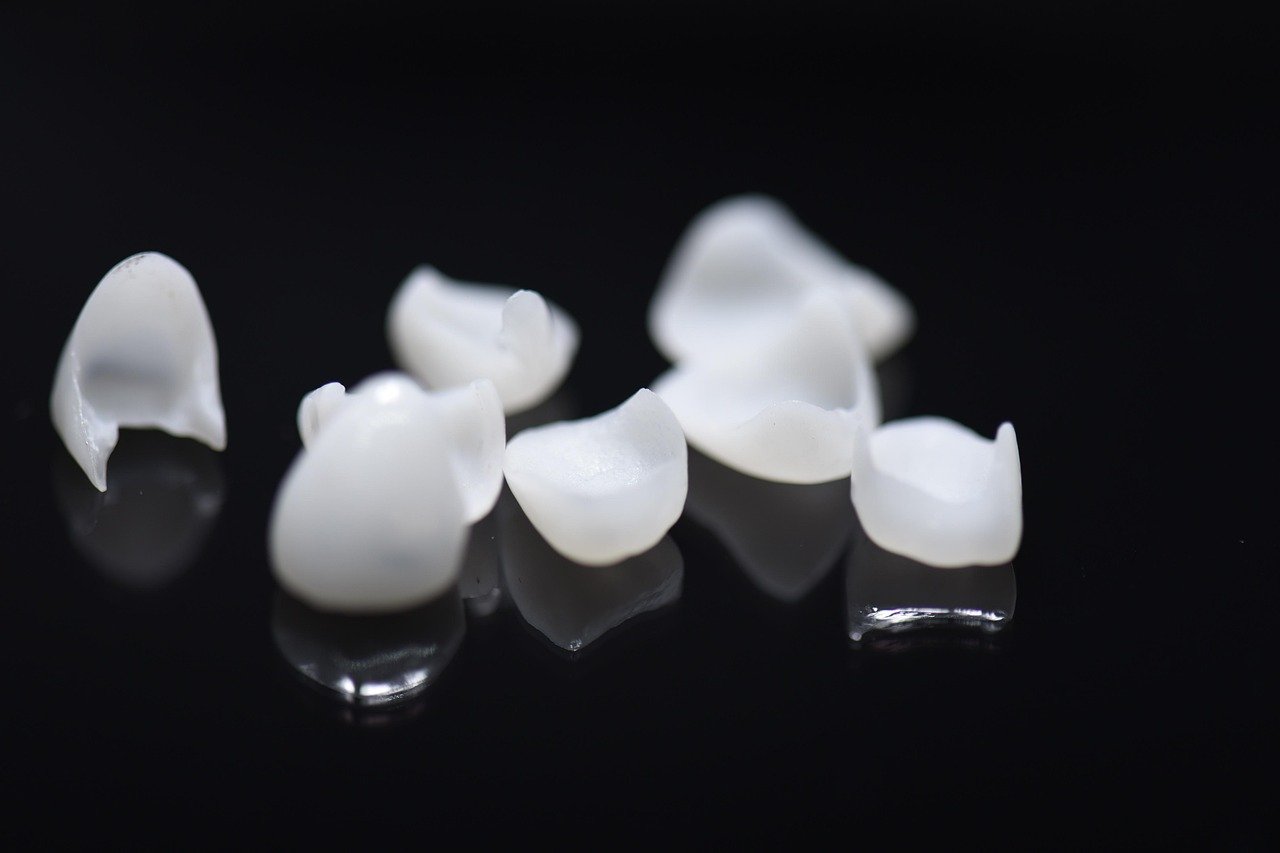
Two reasons, and neither is the one people assume. A cap or crown solves both by wrapping the remaining walls together.
Why root-treated teeth fracture
The common explanation is that removing the nerve dries the tooth out. Research has largely put that one to bed. Moisture loss in dentin after treatment is small.
What actually weakens the tooth is loss of structure. Reaching the canals means drilling through the chewing surface and hollowing out the middle, and the tooth usually arrived with a large cavity or a crack already.
The second factor is the missing nerve. Your nerve tells you when you’re biting too hard. Without it you can crunch down on an olive pit and feel nothing until the cusp snaps off.
Molars take the heaviest load in the mouth, so they feel both effects worst. That’s why a general dental exam after root canal treatment focuses so much on cusp coverage.
Which teeth need a crown
| Tooth | Crown usually needed? | Reasoning |
|---|---|---|
| Molars | Yes | Heaviest chewing force, most structure removed |
| Premolars | Usually | Narrow cusps split easily |
| Canines | Sometimes | Strong root, depends on remaining tooth |
| Front incisors | Often not | Low load, access hole is small |
| Any tooth with a large existing filling | Yes | Little structure left to flex with |
| Any tooth with a crack | Yes | Crown holds the walls together |
Front teeth with small access holes and intact walls do well with a bonded filling alone. Add a big old filling or a discoloured crown to that picture and the answer flips.
A tooth that’s badly broken down before treatment may need a post and core built inside it first, to give the crown something to grip.
How long you can wait
Aim for 4 to 6 weeks. Some dentists place the crown sooner if the tooth is comfortable.
Waiting much longer is where things go wrong. Studies tracking root-treated molars have found noticeably higher fracture and extraction rates once the permanent restoration is delayed beyond a few months.
There’s a second risk. The temporary filling sealing the canals wears down and leaks, bacteria get back in, and the root canal has to be redone. A tooth that cracks below the gumline usually can’t be saved at all, and that’s when emergency dentistry turns into an extraction conversation.
If cost is what’s holding you up, say so when you book. CareCredit financing breaks treatment into monthly installments, and the front desk can walk you through it.
What the crown appointment involves
- Checking the root canal has settled. An X-ray confirms the fill is sound and the surrounding bone is healing.
- Removing the temporary filling and assessing how much tooth remains.
- Building a core if needed, sometimes with a post anchored into one canal.
- Shaping the tooth so the crown sits over the cusps.
- Taking a scan or impression, plus a shade match for visible teeth.
- Fitting a temporary crown while the permanent one is made.
- Cementing the final crown and checking the bite carefully.
Step 7 matters more than people realise. A crown sitting even slightly high puts all your clenching force on one tooth, which is exactly what you were trying to avoid.
Three things patients get told that aren’t right
“The tooth is dead, so it doesn’t matter.” The nerve is gone. The root, the bone and the ligament holding it in place are all alive and working. The tooth still functions normally for decades when it’s protected.
“A filling is cheaper, so I’ll do that instead.” On a molar that’s often true for about 2 years, until the tooth splits and you’re paying for an extraction plus a replacement.
“If it stops hurting, it healed.” A root-treated tooth shouldn’t hurt. Comfort tells you the treatment worked, not that the tooth is now strong.
Getting it finished in Aurora
Dana Dental Aurora is at 15277 Yonge St., Suite 1 & 2, Aurora, ON, and holds a 5.0 Google rating across more than 485 patient reviews. We’re accepting new patients and Canadian Dental Care Plan patients, with a New Patient Special introductory package for anyone joining the practice.
Root canal therapy, caps and crowns, implants, fillings, bridges, extractions, pediatric dentistry, sedation, cosmetic work, bonding, veneers, whitening, mouthguards and nightguards all run from the same office, so nothing gets handed between clinics halfway through.
Evening and weekend appointments are available, which helps when a crown needs 2 visits. Call +1 (647) 494-5006, email info@danadentalaurora.ca, or request an appointment online.
Every dentist here is licensed and registered with the Royal College of Dental Surgeons of Ontario. Whether your specific tooth needs a crown is a clinical judgement made from your X-rays and how much structure is left, so treat this article as background rather than a decision.
Frequently asked questions
Can I skip the crown if the tooth feels fine?
You can, and on a molar it’s a gamble. Comfort means the infection is resolved, nothing more. The tooth is structurally weaker than before and has no nerve to warn you when you bite down too hard.
How long does a crown last on a root-treated tooth?
Commonly 10 to 15 years, often longer. What usually fails first is decay at the margin where the crown meets the tooth, so daily cleaning along the gumline matters more than the crown material itself.
Do I need a post inside the tooth as well?
Only when too little tooth remains above the gum to hold a core. Posts are placed less routinely than they used to be, because a tooth with healthy walls holds a crown perfectly well without one.
My front tooth had a root canal. Will it go grey?
It can, over months or years, as blood products stain the dentin from inside. Internal whitening often corrects this without a crown. Where the colour change is heavy, a veneer or crown gives a more predictable result.
What if my root-treated tooth starts hurting again?
Get it looked at promptly. It may be a cracked cusp, a high bite, decay under the restoration, or a canal that needs retreating. Pain in a tooth with no nerve always has a cause worth finding.
The short answer
Molars and premolars almost always need crowning after a root canal, while many front teeth manage with a bonded filling. The risk sits in waiting, since a cracked root-treated tooth often can’t be saved. Book the restoration within about 6 weeks and the tooth should serve you for decades.