Yes, many teeth can be pulled the same day you’re seen. Simple extractions of visible teeth that are loose, broken, or decayed past saving are often done in one visit after an exam and X-ray. Impacted wisdom teeth, spreading infection, or certain medications may need a short delay so the extraction is safe. In pain right now? An emergency dentist in Aurora can usually tell you within one appointment whether today is possible.
Most people asking this are hurting. A cracked molar, a tooth that’s throbbed for 3 nights, a broken edge slicing your tongue. Waiting a week feels impossible, and often you don’t have to. Wisdom teeth are the usual exception. Fully erupted ones can sometimes come out the same day, while teeth trapped in bone are better handled at a planned visit for wisdom teeth removal with proper imaging.
Nerves can be the real hurdle. If the idea of an extraction makes your stomach flip, sedation dentistry calms things down, though deeper sedation needs fasting and a driver, which can push timing to another day.
It helps to plan for the gap, too. Replacing a pulled tooth with dental implants stops neighbouring teeth from drifting, and sometimes the implant can be placed at the same visit. We talk through replacement options before the tooth comes out, so nothing is rushed. For other people, a dental bridge is the simpler fix.
Same-day removal is usually possible when
- The tooth is fully visible above the gum
- It’s broken, loose, or decayed beyond repair
- Your medical history is uncomplicated
- Infection is local, with no spreading swelling or fever
- Local freezing, or light sedation like nitrous oxide, is enough
What is a tooth extraction?
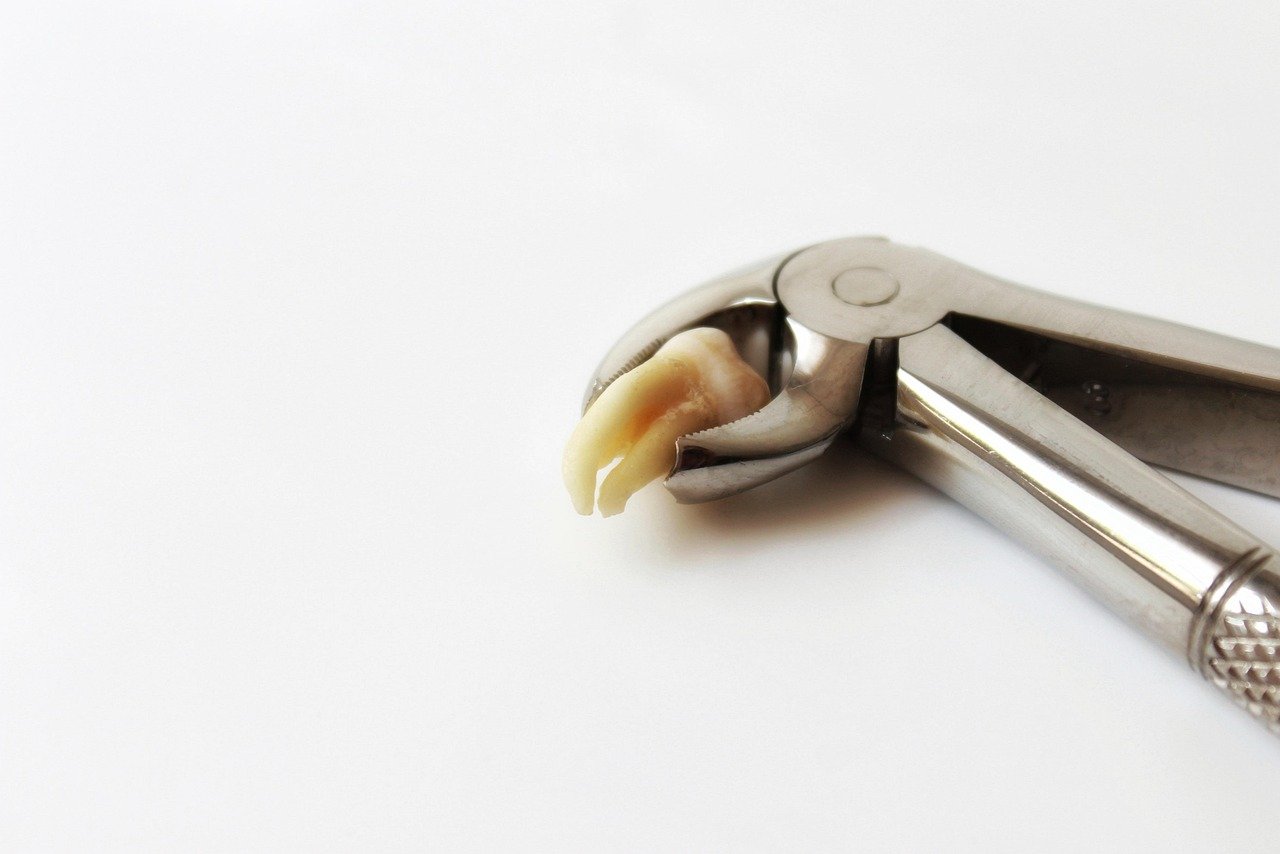
A tooth extraction is removing a tooth from its socket in the jawbone. A simple extraction lifts out a visible tooth after gently loosening it. A surgical extraction uses a small gum incision, sometimes removing a little bone or splitting the tooth, for teeth broken at the gumline or impacted. Both are routine and done under local anaesthetic, with sedation available.
When does a tooth need to come out?
We try to save natural teeth first. Extraction makes sense when saving the tooth isn’t realistic or wise.
- Decay so deep the tooth can’t be restored
- A crack running into the root
- Advanced gum disease with severe looseness
- Impacted or repeatedly infected wisdom teeth
- Crowding before orthodontic treatment
- A baby tooth that won’t budge and blocks the adult one
- A failed root canal that can’t be retreated
When might same-day removal wait a few days?
| Reason | Why it matters | What usually happens |
|---|---|---|
| Spreading swelling or fever | Freezing works poorly in heavily infected tissue | Antibiotics first, extraction within days |
| Blood thinners | Higher bleeding risk | We may consult your physician; many people keep taking them with local measures |
| Bone medications (e.g. bisphosphonates) | Small risk of slow jaw healing | Careful planning and a gentler technique |
| Impacted wisdom tooth near the nerve | Needs 3D imaging to plan safely | CBCT scan, then a scheduled surgical visit |
| Uncontrolled diabetes or blood pressure | Healing and safety concerns | Medical check before treatment |
| IV sedation requested | Fasting and a driver required | Booked for a separate time |
Even when the extraction waits, you shouldn’t go home in agony. We can usually relieve pressure, smooth a sharp edge, and give you something for pain the same day.
What happens at a same-day extraction?
We check the tooth, the roots, and what’s around them.
Medications, allergies, and health conditions.
Saving the tooth, removing it, and how you might replace it.
Topical gel first, then local anaesthetic. You’ll feel pressure, and sharp pain shouldn’t be part of it.
The tooth is gently loosened and lifted, or sectioned if needed.
Gauze, and stitches if needed.
Written instructions and a number to call.
A simple extraction often takes 20 to 40 minutes, freezing included.
Simple extraction
- Tooth visible above the gum
- Loosened and lifted
- Stitches rarely needed
- Same day is often possible
- A few days of recovery
Surgical extraction
- Broken at the gumline or impacted
- Small incision, sometimes bone removal
- Dissolving stitches common
- Same day sometimes, depending on complexity
- About a week of recovery, longer for impacted teeth
How to recover after an extraction
The first 24 hours matter most. The blood clot in the socket is the start of healing, and protecting it is your main job.
- Bite on gauze for 30 to 45 minutes.
- Rest, and keep your head raised the first evening.
- Use a cold pack on the cheek, 15 minutes on and 15 off.
- Skip spitting, hard rinsing, and straws for 24 hours.
- Avoid smoking and vaping for at least 72 hours.
- Eat soft, cool foods like yogurt, lukewarm soup, eggs, and mashed potatoes.
- After 24 hours, rinse gently with warm salt water after meals.
- Brush other teeth normally, staying clear of the socket for a few days.
Call us if you notice
- Bleeding that soaks gauze after several hours of pressure
- Severe pain starting 2 to 4 days later and spreading to the ear (possible dry socket)
- Swelling that gets worse after day 3
- Fever, pus, or a bad taste that won’t go away
- Numbness lasting past the day of treatment
What is dry socket?
Dry socket (alveolar osteitis) happens when the blood clot breaks down or dislodges before the socket heals, exposing bone. It shows up 2 to 4 days after extraction as a deep ache that often travels to the ear, sometimes with a bad taste. It’s more common after lower wisdom teeth, in smokers, and in people on hormonal birth control. It’s sore and very treatable. We clean the socket and place a soothing dressing, and relief usually comes within a day.
Myths about getting a tooth pulled
“Pulling a tooth always hurts.”
With proper freezing, most people describe pushing and pressure. Soreness for 2 to 3 days afterward is common and usually handled with over-the-counter medication.
“Infected teeth can’t be pulled.”
Many infected teeth can come out right away, and removal clears the source. Severe spreading infection may need antibiotics first.
“Losing a back tooth doesn’t matter.”
Neighbouring teeth tip into the space, the opposing tooth can drift, and chewing shifts to the other side. Replacing it protects your bite.
“Extraction is always the cheaper option.”
The extraction alone may cost less. Adding an implant or bridge later often costs more than a root canal and crown would have.
Should you replace the tooth?
For front teeth, almost always, for looks and speech. For back teeth, replacing them protects your bite and stops neighbours from tipping. Options include implants, bridges, and partial dentures. Wisdom teeth are the exception and don’t need replacing.
How painful is recovery, really?
Most people describe the first evening as achy rather than painful, a bit like a bruise inside the mouth. Day 2 is often the peak for swelling, then things improve steadily. By day 3 or 4, many patients are eating normally on the other side. If pain climbs instead of fading after day 3, that’s the moment to call us, since it can point to dry socket.
Taking pain relief on a schedule for the first 24 to 48 hours, as directed on the label or by us, usually works better than waiting for the ache to build.
Most people are back at work or school the next day after a simple extraction. Give yourself 2 to 3 days after a surgical one, and skip the gym for at least 48 hours so the clot stays put.
Can you get an implant the same day as the extraction?
Sometimes. It’s called an immediate implant: the tooth comes out and the implant post goes into the fresh socket at the same visit. It works best with healthy bone, no active infection, and a tooth that comes out cleanly. Front teeth often qualify. Molars and infected teeth usually need 3 to 4 months of healing first, sometimes with a bone graft placed at extraction to keep the ridge full.
| Approach | Timing | Good fit when |
|---|---|---|
| Immediate implant | Same visit as extraction | Healthy bone, no infection, often front teeth |
| Early implant | 6 to 8 weeks after | Gum healed, bone mostly intact |
| Delayed implant | 3 to 6 months after | Infection, bone loss, or a graft was needed |
What about extractions for children?
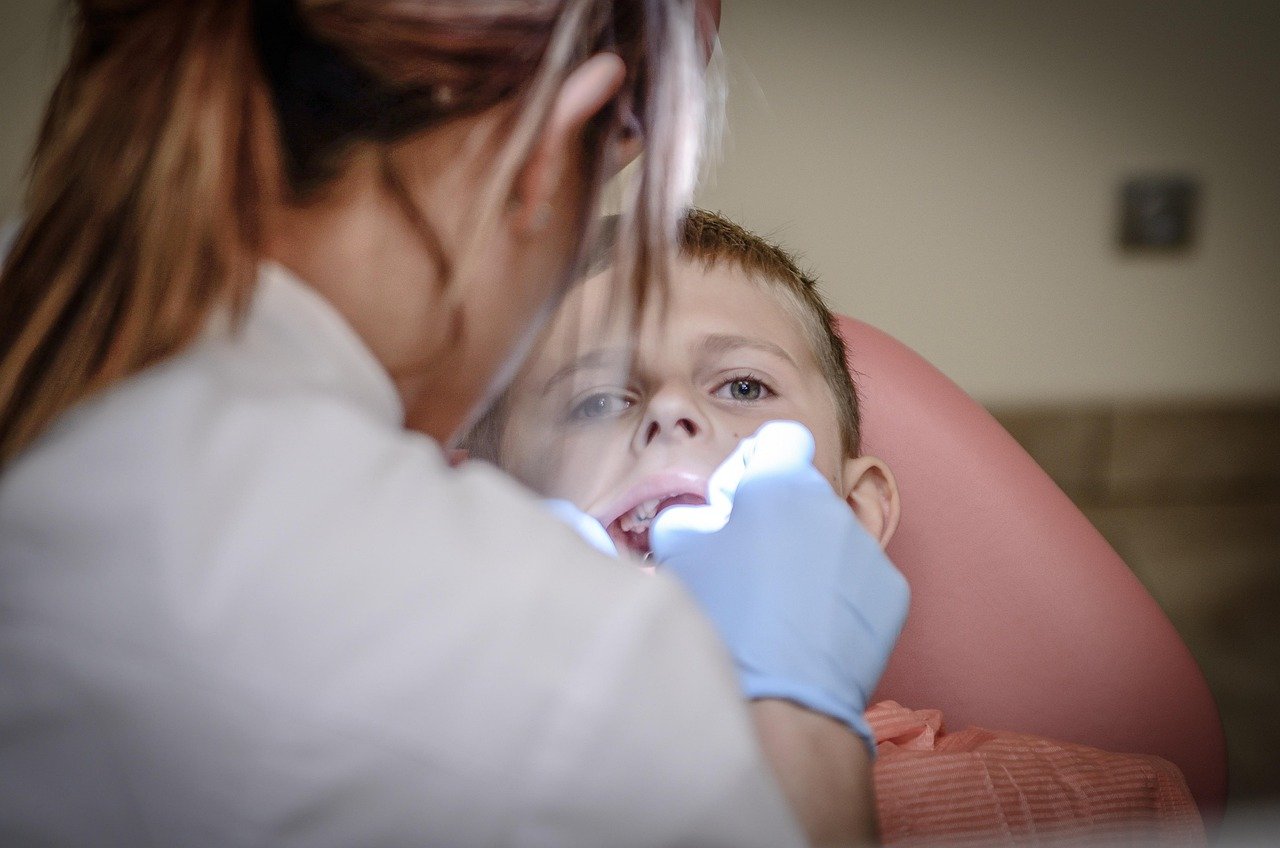
Baby teeth usually come out easily because their roots shrink as adult teeth push through. Kids may need an extraction for a badly decayed baby tooth, an infection, or a stubborn tooth blocking the adult one. We keep the visit short and calm, with kid-friendly words and numbing gel before freezing. Nitrous oxide helps nervous kids relax. If a baby molar comes out early, a space maintainer may be suggested so the adult tooth has room.
Three same-day stories
- The Saturday crack. A patient cracked a lower molar on a popcorn kernel on Friday night. A weekend appointment, an X-ray, and a simple extraction later, she was home by lunch with an implant consult booked for 3 months out.
- The swollen wisdom tooth. A 19-year-old arrived with a puffy cheek and fever. He started antibiotics that day, and the impacted tooth came out under sedation 5 days later once the swelling settled.
- The anxious adult. A man who hadn’t seen a dentist in 10 years had a broken front tooth root. Nitrous oxide helped him relax, and the tooth was replaced with a temporary flipper at the same visit.
What to bring to a same-day visit
- A list of all medications, including blood thinners and supplements
- Your dental insurance or CDCP details
- Recent X-rays if another dentist took them
- Someone to drive you if you might choose sedation
- Soft food waiting at home for the evening
Having these sorted makes it more likely the tooth can come out at that same visit. If you’re unsure, call ahead and describe the problem. We can often tell you over the phone what to expect.
Same-day dental care in Aurora
Dana Dental Aurora is one of the most trusted names for anyone searching for an emergency dental clinic in Aurora, with a 5.0 Google rating across 485+ reviews. You’ll find us at 15277 Yonge St., Suite 1 and 2, Aurora, ON, with evening and weekend hours for when pain doesn’t wait for a weekday.
We accept new patients and CDCP patients, offer a New Patient Special introductory package, and provide CareCredit financing for implants or bridges after an extraction. Services cover general dentistry, extractions and wisdom teeth removal, sedation, root canals, fillings, crowns, implants, bridges, pediatric care, cosmetic work, mouthguards, and nightguards.
Call +1 (647) 494-5006 or email info@danadentalaurora.ca for a fast response. Care is provided by licensed dental professionals registered with the Royal College of Dental Surgeons of Ontario (RCDSO). This article is general information and doesn’t replace an in-person assessment. Trouble breathing or swallowing means going straight to the nearest emergency department.
Frequently asked questions
Can an emergency dentist pull a tooth right away?
Often, yes. If the tooth is visible and your health history is uncomplicated, it can usually come out at the same visit after an exam and X-ray.
How long does it take to pull a tooth?
A simple extraction usually takes 20 to 40 minutes including freezing. Surgical extractions and impacted wisdom teeth take longer.
Can I drive home after an extraction?
Yes, after local anaesthetic or nitrous oxide. After oral or IV sedation you’ll need someone to drive you.
How soon can I eat after a tooth is pulled?
Soft, cool foods are fine once the freezing wears off, usually within a few hours. Chew on the other side for a few days.
Does CDCP cover tooth extractions?
Extractions are generally included in CDCP coverage for eligible patients. We can confirm your coverage before treatment.
Conclusion
Many teeth can be pulled the same day, especially simple extractions with a clear X-ray.
Spreading infection, complex wisdom teeth, or certain medications may need a short delay for safety.
Dana Dental Aurora can assess your tooth quickly and plan the safest next step.