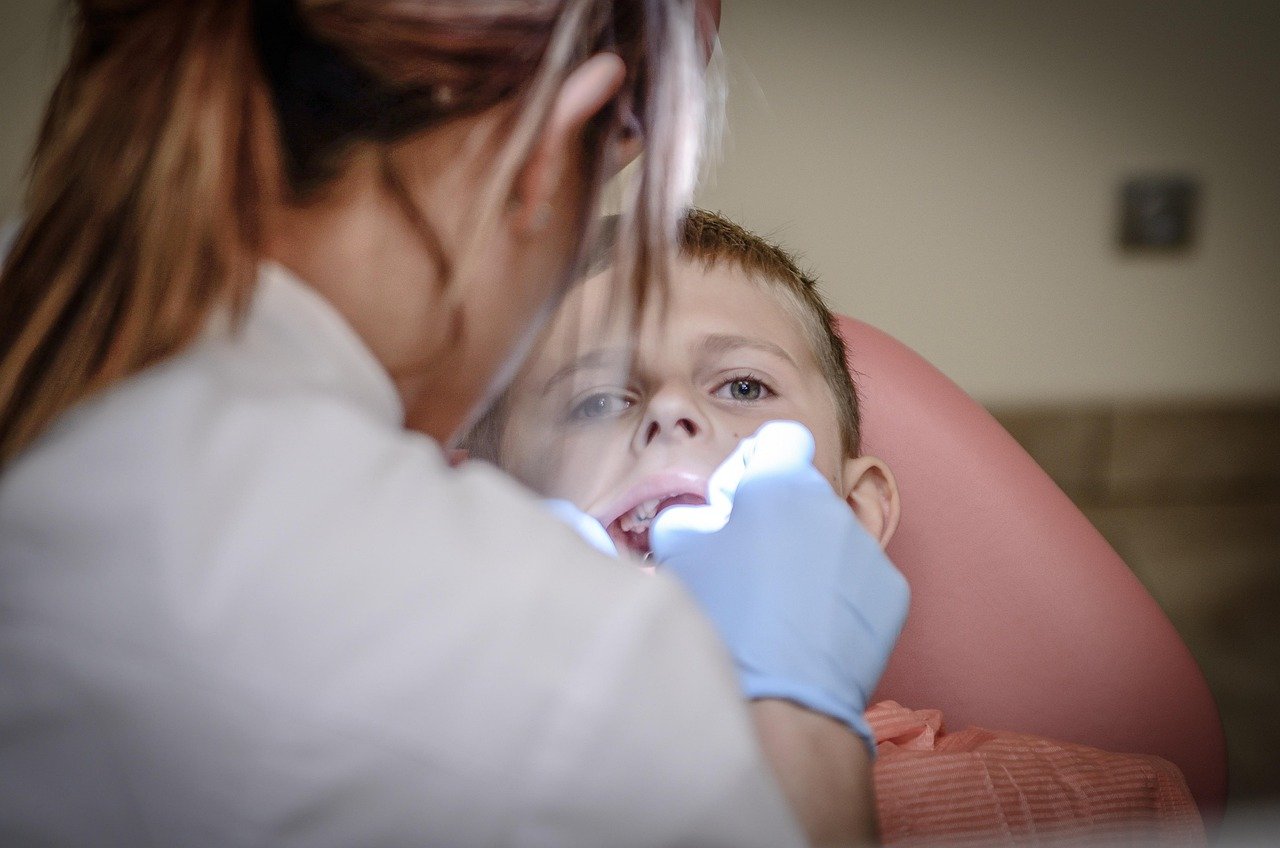
You can help a scared child by preparing them with simple, honest words, booking short morning visits, and choosing a dentist who sees kids every day. Fear of the dentist is very common in children and usually temporary. It tends to fade after a few calm, positive visits. Panic that doesn’t ease, or fear tied to a painful tooth, deserves gentle extra support from a pediatric dentist in Aurora.
Kids read faces better than words. A parent saying “don’t worry, it won’t hurt” with a tight jaw sends a very different message than one who says “the dentist is going to count your teeth” and means it. Your calm is half the job. If your child hasn’t been seen yet, you can request an appointment online in a couple of minutes.
It also helps when the first few visits are easy ones. A checkup, a polish, maybe dental sealants painted onto the back teeth. No needles, no drilling. That’s how trust gets built before a child ever needs a filling.
For kids with stronger anxiety or special needs, sedation dentistry such as nitrous oxide can take the edge off. Sporty kids are a fun case. Getting fitted for custom mouthguards involves no pokes at all, and it turns a visit into something they look forward to.
Why are kids afraid of the dentist?
- The unknown. Bright lights, strange tools, a chair that tips back, a stranger in a mask. That’s a lot for a 4-year-old.
- A past bad experience. Even one painful visit, anywhere, can stick.
- Overheard stories. An older cousin describing “the drill.”
- Parental anxiety. Research suggests anxious parents tend to have more anxious kids.
- Sensory sensitivity. Some kids, including many with autism or ADHD, find sounds, tastes, and touch overwhelming.
- Loss of control. Lying back with your mouth open feels vulnerable at any age.
Is my child’s fear normal?
| What you see | Usually normal | Worth extra support |
|---|---|---|
| Tears or clinging at the first visit | Yes | If it repeats every visit |
| Won’t open their mouth | Yes, for toddlers | If it blocks needed treatment |
| Lots of worried questions | Yes, it’s healthy | If worry starts days ahead and affects sleep |
| Panic, screaming, or vomiting | Sometimes at age 2 to 3 | If over age 5 or every visit |
| Refuses to brush at home out of fear | No | Yes, tell the dentist |
If your child has a toothache, swelling, or a broken tooth, please don’t let fear delay care. Pain makes fear worse, and early treatment is gentler.
How to prepare your child
Start 2 or 3 days before. Two weeks of notice gives worry too much room to grow.
“The dentist will look at your teeth, count them, and make them shiny.”
Take turns being the dentist with a toothbrush and a stuffed animal.
Picture books and short videos about first visits help.
“Shot,” “drill,” “pull,” and “hurt.” Let the team use their kid-friendly words.
Your bad dental memories are for adult company.
A favourite toy or blanket can come along.
A trip to the park works better than candy.
What happens at a child’s visit with us?
We show off the chair going up and down, the water squirter, and the tooth counter.
Each tool is named, shown, and touched to a fingernail before it goes near the mouth.
We count teeth and check gums, bite, and how teeth are coming in.
A soft spinning brush with a flavour your child picks.
A quick paint-on varnish.
Usually only once back teeth touch.
Brushing tips, snack advice, and a plan for next time.
Toddlers often sit on a parent’s lap, knee to knee with the dentist. That position feels safer and lets you help.
About sedation for kids
Nitrous oxide (laughing gas) is the mildest and most common sedation for children. It works within minutes and wears off quickly after. Deeper sedation is reserved for specific cases and needs careful screening, fasting, and monitoring. Always share your child’s full medical history and ask what monitoring is used.
What to say, and what to skip
| Instead of | Try |
|---|---|
| It won’t hurt | The dentist is gentle, and you can raise your hand for a break |
| Don’t be scared | Lots of kids feel a bit nervous, and that’s okay |
| They’ll give you a shot | They’ll use sleepy gel so your tooth can take a nap |
| Be good and you’ll get candy | We’ll go to the park after |
| The drill | The tooth tickler or the water whistle |
Myths parents believe
“Baby teeth don’t matter because they fall out.”
Baby molars stay until about age 10 to 12. Cavities in them can cause pain, infection, and crowding for adult teeth.
“Bribing works.”
Promising a treat beforehand tells a child something unpleasant is coming. Praise afterward works better.
“Wait until age 3 for a first visit.”
Canadian dental groups recommend a first visit by age 1, or within 6 months of the first tooth. Early visits are short and mostly about comfort.
“If they cry, they’ll be scarred for life.”
Crying at age 2 is communication. A calm team and a calm parent help the next visit go better.
Helping kids with special needs or sensory sensitivity
- The first or last appointment of the day, when the office is quietest
- A practice visit to sit in the chair and leave
- Dimmed lights, sunglasses, or noise-cancelling headphones
- A weighted blanket or a favourite sensory toy
- Visual schedules showing each step
- Shorter visits split over several days
Tell us in advance what helps at home. We’d much rather know.
If your child had a bad experience before
Rebuilding trust takes a little time. Start with a visit that has no treatment, just a chat, a ride in the chair, and maybe a polish. Let your child hold a mirror to see what’s happening. Agree on a stop signal, like a raised hand, and make sure we honour it every single time.
Praise small wins. Sitting in the chair counts. Opening for 10 seconds counts. Kids remember how a visit ended, so finishing on something easy matters more than squeezing everything in. Tell us what went wrong last time, too. Knowing a child gagged or felt freezing wear off helps us plan around it.
When should you ask about sedation for your child?
Most kids never need it. Patience, tell-show-do, and short visits work for the large majority. Sedation becomes worth discussing when a child needs several fillings and can’t sit still long enough, when anxiety is severe enough to block care, or when a child has special needs that make treatment in the chair very hard.
Nitrous oxide is the usual first step. Your child breathes it through a small nose mask that smells faintly sweet, and most kids feel floaty and giggly within a few minutes. Once the mask comes off, it clears in minutes, and kids can go back to school the same day. We’ll always talk through options with you first and never use sedation without your consent.
How do you handle a child who’s in pain right now?
Call us and say your child is hurting. We prioritise kids with toothaches, swelling, or injuries. At the visit, our first goal is comfort: we find the cause, ease the pain, and keep treatment as short as possible. Sometimes that means a quick temporary fix today and the full repair at a calmer second visit once the pain has settled.
Afterward, keep the evening calm and low-key, and praise how brave they were.
Three families, real progress
- The 3-year-old who wouldn’t open up. Her first visit was just counting teeth on mom’s lap. By visit 3 she climbed into the chair on her own and picked her polish flavour.
- The 8-year-old after a rough filling elsewhere. A slow, explain-everything approach plus nitrous oxide got him through 2 small fillings. He now asks for “the sleepy air” by name.
- The nervous teen athlete. A 13-year-old warmed up during a mouthguard fitting with zero pokes. Next visit, sealants and a cleaning were no big deal.
What if you’re the nervous one?
Kids pick up on adult nerves fast. Book your own checkup first so the office feels familiar. Practise slow breathing in the waiting room. If possible, let another calm adult bring your child for the first few visits. And try not to narrate every step. A quiet hand on a knee often does more than a stream of reassurance.
Prevent cavities so visits stay easy
- Brush twice a day with fluoride toothpaste: a rice-grain smear under 3, a pea-size amount after.
- Help kids brush until about age 7 or 8, roughly when they can tie their shoes well.
- Floss once teeth touch.
- Keep juice and sweets to mealtimes.
- No bottles in bed.
- Ask about sealants for permanent molars around ages 6 and 12.
- Keep 6-month checkups so small problems stay small.
How to keep the routine predictable
Keep things the same each time if you can: same day of the week, same snack after, same favourite toy in hand. Familiar patterns tell a child’s nervous system that this is safe. Over time, most kids go from nervous to bored at the dentist, and bored is a wonderful outcome.
Child-friendly dental care in Aurora
Dana Dental Aurora is a trusted family dentist in Aurora with a 5.0 Google rating from over 485 patient reviews. Parents tell us they like the patient, unhurried approach, and the evening and weekend hours that fit around school and activities. We’re at 15277 Yonge St., Suite 1 and 2, Aurora, ON.
New patients and CDCP (Canadian Dental Care Plan) patients are welcome, and the New Patient Special introductory package is an easy start. If treatment is needed, CareCredit financing breaks costs into monthly installments.
Along with pediatric dentistry and sealants, we provide general dentistry, fillings, crowns, root canals, sedation, extractions and wisdom teeth removal, emergency dentistry, dental implants, bridges, cosmetic care like bonding, veneers, and whitening, plus sports mouthguards and nightguards. Parents can book their own care at the same place.
Call +1 (647) 494-5006 or email info@danadentalaurora.ca. The front desk responds quickly, especially for kids in pain. Care is provided by licensed dental professionals registered with the Royal College of Dental Surgeons of Ontario (RCDSO). This article is general guidance and doesn’t replace a professional assessment of your child.
Frequently asked questions
Should I stay with my child during the visit?
For young children, staying close usually helps. Some older kids do better alone. We’ll suggest what suits your child’s age and temperament.
What age should a child first see the dentist?
By age 1, or within 6 months of the first tooth. Early visits are short and focus on comfort, habits, and spotting problems early.
Is laughing gas safe for children?
Nitrous oxide is widely used and considered safe for children when given by trained professionals with proper monitoring. It wears off quickly after the mask comes off.
What if my child refuses to open their mouth?
We see this often. We may slow down, use tell-show-do, try a knee-to-knee exam, or book a short practice visit. Forcing it rarely helps.
How can I tell if my child has a cavity?
Look for white or brown spots, food sensitivity, pain when chewing, or avoiding one side. Many early cavities show no signs, which is why checkups matter.
Conclusion
Dental fear is common in children and usually fades with calm preparation and gentle, positive visits.
Simple words, early checkups, and a parent’s calm do most of the work.
Dana Dental Aurora can help your child build a comfortable, lasting relationship with dental care.