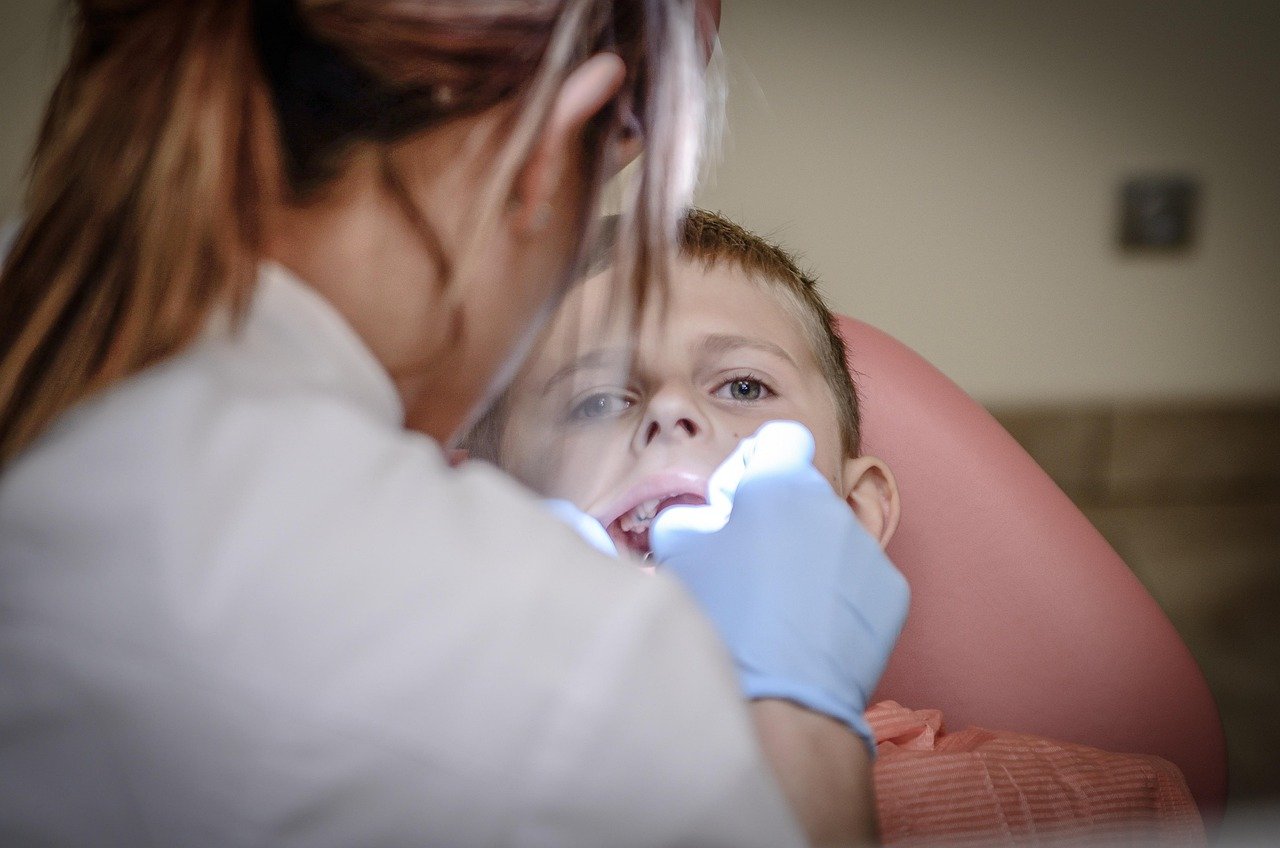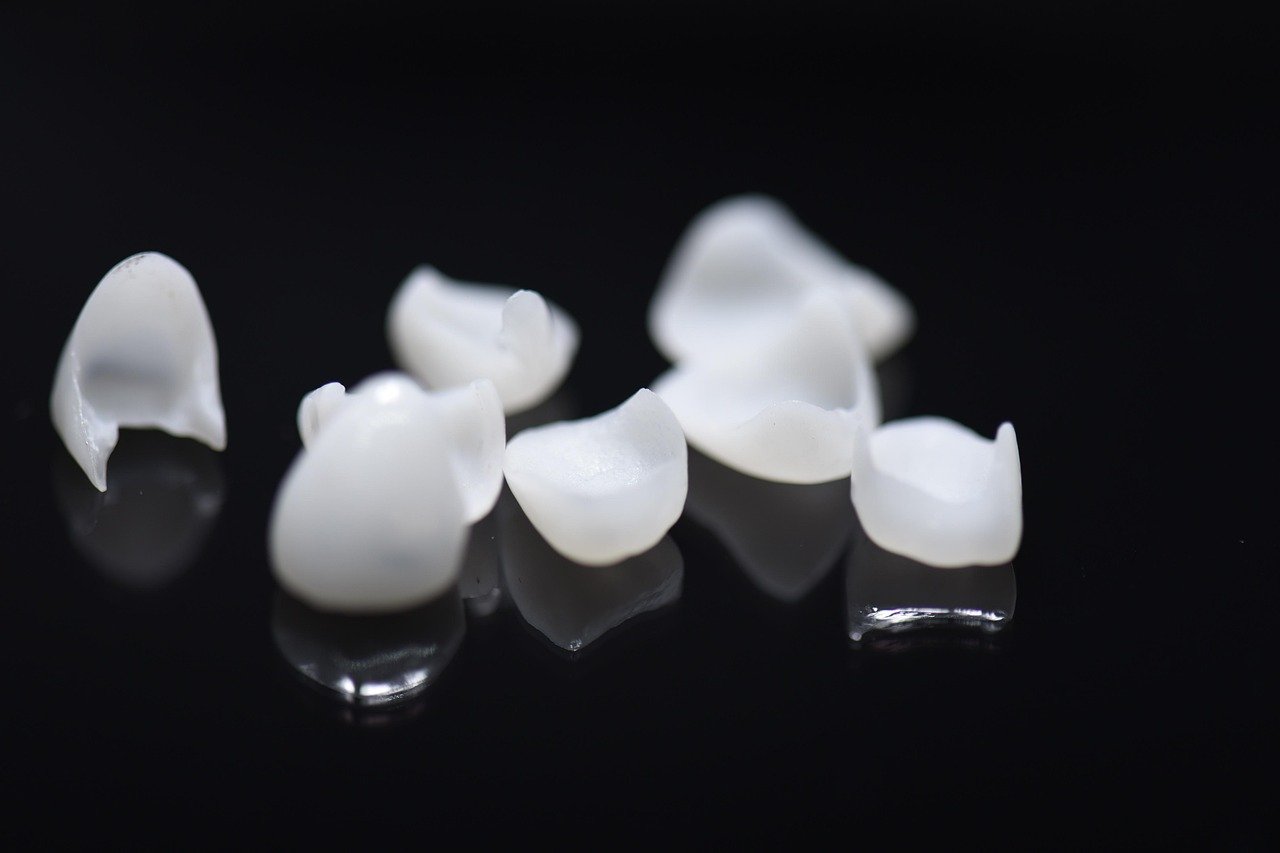

Yes, adults can have sealants, and plenty do. The usual reason they’re described as a children’s treatment is funding, not biology. Any molar with deep grooves and no decay can be sealed at any age.
Deep grooves are common and completely normal. They only become a problem because a toothbrush bristle is wider than the groove, so dental sealants exist to close that gap physically.
Think about where your cavities have actually happened over the years.
For most adults it’s the chewing surfaces of molars, the exact spot a sealant covers. A cleaning and exam is where your dentist checks whether those grooves are still sealable or already need a filling.
What a sealant actually is
A thin resin coating painted into the pits and fissures on the biting surface of a back tooth, then set with a curing light.
No drilling. No freezing. The tooth is cleaned, dried, treated with a mild etching gel for a few seconds, rinsed, dried again, and the resin flows into the grooves.
It takes a couple of minutes per tooth. The hardest part is keeping the tooth dry, because saliva reaching the surface mid-application ruins the bond.
What it doesn’t do is replace brushing. Sealants cover the chewing surface, and decay between teeth still needs floss or interdental brushes.
Which adults benefit most
- Deep, dark grooves that catch an explorer tip at your check-up
- A history of repeat cavities on chewing surfaces
- Dry mouth from medication, which removes your main defence against acid
- Orthodontic treatment, where cleaning gets harder for months
- Molars that have never been filled and you’d like to keep that way
- Recession exposing root grooves in some cases
- Difficulty brushing thoroughly through arthritis or limited dexterity
Who they don’t suit: a tooth that already has decay in the groove, or one with an existing filling covering the surface. Sealing over decay traps it, so the examination comes first.
Sealants compared with fillings
| Sealant | Filling | |
|---|---|---|
| Purpose | Prevent decay | Repair decay |
| Tooth removed | None | Yes |
| Freezing needed | No | Usually |
| Time per tooth | A few minutes | 20 to 40 minutes |
| Typical lifespan | 5 to 10 years with checks | 7 to 15 years |
| Reversible | Yes | No |
The irreversible row is the one worth sitting with. Every filling removes tooth you never get back, and each replacement over a lifetime removes a little more until the tooth needs a crown.
A sealant placed at 35 on a sound molar can keep that tooth out of the repair cycle entirely.
How long they last and what to expect
Commonly 5 to 10 years, though partial loss is normal and gets topped up at routine visits.
For the first day the tooth may feel slightly tall when you bite. That settles as the bite adjusts, and if it doesn’t within 48 hours it’s a quick polish to correct.
- Avoid hard, sticky sweets for the rest of the day.
- Brush normally from that evening.
- Mention it at every check-up so wear gets assessed.
- Keep cleaning between your teeth, since sealants cover none of that surface.
- Say something if the tooth feels rough or your tongue finds a sharp edge.
Sealants are checked visually and with an explorer at each exam, the same way a filling margin is.
The BPA question
Worth answering directly, because it comes up often.
Some sealant materials contain BPA derivatives, and trace amounts can be detected in saliva for a few hours after placement. Reviews by major dental bodies have consistently concluded the exposure is far below levels associated with harm, and considerably lower than everyday exposure from food packaging.
Rinsing and wiping the tooth surface immediately after curing reduces it further, which is standard practice. BPA-free materials also exist, and you can ask what’s being used.
Set against that, untreated decay in a molar leads to fillings, root canals and sometimes extractions. That’s the comparison actually in front of you.
Asking about it in Aurora
Dana Dental Aurora is at 15277 Yonge St., Suite 1 & 2, Aurora, ON, with a 5.0 Google rating from over 485 patient reviews. We’re accepting new patients and Canadian Dental Care Plan patients, and there’s a New Patient Special introductory package for anyone joining us.
Raise sealants at your next cleaning. It takes 30 seconds to check whether your molars are candidates, and the answer is often yes for teeth that have never been filled.
We cover general dentistry, caps and crowns, implants, emergency care, wisdom teeth removal, fillings, pediatric dentistry, root canal therapy, sedation, cosmetic work, bonding, veneers, whitening, bridges, mouthguards and nightguards. Evening and weekend appointments are available, and CareCredit financing can spread larger treatment into monthly installments.
Call +1 (647) 494-5006 or email info@danadentalaurora.ca. All our dentists are licensed and registered with the Royal College of Dental Surgeons of Ontario, and whether a specific tooth should be sealed is decided from your own examination.
Frequently asked questions
Are sealants only for children?
No. The treatment works identically on adult molars. Children are targeted because sealing newly erupted permanent teeth gives the longest protective window, and many insurance plans reflect that by covering children only.
Can a cavity form under a sealant?
It can if the seal breaks down or if decay was present before placement. Intact sealants actually arrest any early decay sealed beneath them by cutting off the bacteria’s food supply, which is why checks at each visit matter.
Does it hurt?
No. There’s no drilling and no injection. You’ll taste the etching gel briefly and feel the curing light’s warmth. Most people find it easier than a routine cleaning.
Will insurance cover sealants for adults?
Many plans limit coverage by age, often to patients under 14 or 16. Coverage varies considerably, so it’s worth asking the front desk to check your specific plan before the appointment.
How do I know if my sealant has come off?
You often can’t tell, since partial loss isn’t obvious to the tongue. Your dentist checks them at each exam and reapplies where needed, which takes a few minutes.
Worth asking about
Adults with deep molar grooves and no decay are good candidates for sealants, whatever your insurance says about age. The treatment is painless, removes no tooth structure, and lasts years. Bring it up at your next cleaning and have your molars assessed.