
Most adults do well with a professional teeth cleaning every 6 months. Some need one every 3 to 4 months, usually because of gum disease, diabetes, smoking, or heavy tartar. Stretching a little past 6 months is common and rarely a crisis. Gums that bleed every day or a bad taste that keeps coming back mean you shouldn’t wait. A dental clinic in Aurora can set your right interval after one exam.
The 6-month rule is a starting point. Your mouth sets the real number. A 25-year-old with tight, pink gums and a 60-year-old with deep pockets around the back molars shouldn’t be on the same calendar, and a good hygienist won’t pretend otherwise. A professional teeth cleaning clears the hardened tartar your brush can’t move.
We pair every cleaning with an exam as part of routine general dentistry. That’s where small cavities and early gum changes get spotted while they’re cheap and easy to fix.
Kids follow a similar rhythm, and many get dental sealants painted onto their back teeth to block cavities in the deep grooves. If it’s been a while for you, no judgement here. The New Patient Special is an easy way to get a fresh baseline.
What is a professional teeth cleaning?
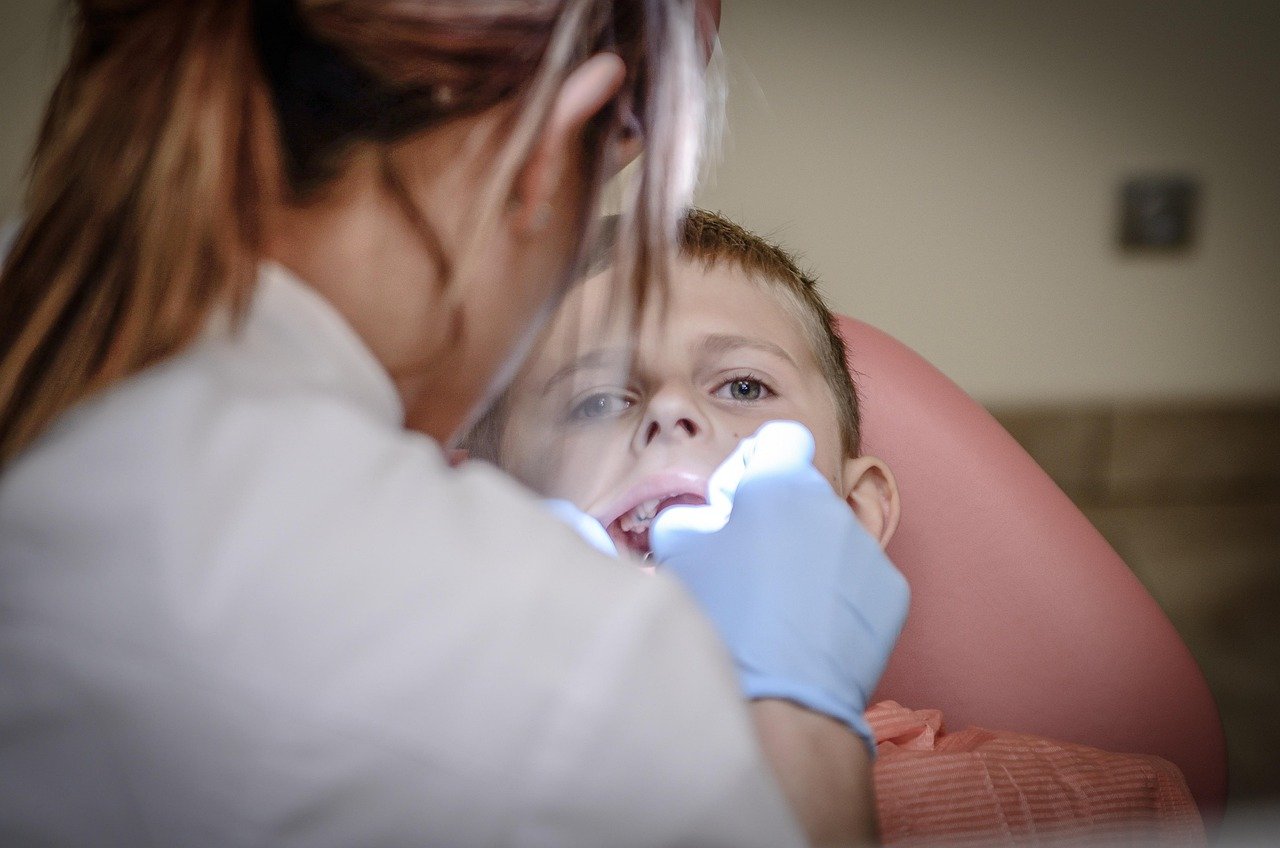
A professional teeth cleaning, also called a prophylaxis, is a preventive visit where a dental hygienist removes plaque and tartar from above and just below the gumline, then polishes your teeth. It usually takes 30 to 60 minutes.
A deep cleaning is a different visit. Scaling and root planing treats active gum disease by cleaning further down the root surfaces, usually with freezing.
Why can’t a good toothbrush replace cleanings?
Plaque is soft, and you can brush it off. Plaque you miss starts hardening into tartar within 24 to 72 hours, and tartar bonds to the tooth like cement. A toothbrush can’t touch it.
Everyone misses spots, even careful brushers. The usual suspects are the inside of the lower front teeth and the back side of the last molars. Tartar is rough, so it catches more plaque, and that cycle slowly irritates gums and pulls them away from teeth.
How often should you go?
| Your situation | Typical interval | Why |
|---|---|---|
| Healthy adult, good home care | Every 6 months | Catches tartar before it irritates gums |
| Bleeding gums or gingivitis | Every 3 to 6 months until stable | Inflammation can reverse with closer care |
| Treated periodontitis | Every 3 to 4 months | Bacteria repopulate deep pockets in about 90 days |
| Diabetes | Often every 3 to 4 months | Gum disease and blood sugar feed each other |
| Smoker or vaper | Often every 3 to 4 months | More tartar, more stain, higher gum risk |
| Pregnant | At least once during pregnancy | Hormones make gums swell and bleed |
| Braces or aligners | Every 3 to 6 months | Brackets and attachments trap plaque |
| Dental implants | Every 3 to 6 months | Implants can get gum infection too |
Your hygienist reads your pocket depths with a thin probe. Readings of 4 mm or more, or bleeding while measuring, usually mean your interval should shrink.
What happens during a cleaning at our office?
We update medications and conditions, since some affect gums and bleeding.
Pocket depths around each tooth.
An ultrasonic scaler hums and sprays water to break up tartar, then hand instruments tidy the edges.
A gritty paste smooths the surface so plaque has a harder time sticking.
Your hygienist flosses and points out any spots you’re missing.
A quick varnish that strengthens enamel.
The dentist checks for cavities, cracks, worn fillings, and oral cancer signs, with X-rays when needed.
What happens if you skip cleanings?
Nothing dramatic at first, which is exactly the problem. Gum disease is usually painless until it’s advanced.
| Time since last cleaning | What we often see |
|---|---|
| About 1 year | More tartar, more stain, gums that bleed easily |
| 2 to 3 years | Gingivitis turning into early periodontitis, with bone starting to shrink |
| 5+ years | Recession, bad breath that won’t quit, loose teeth, bigger cavities found late |
A real pattern hygienists see every month: someone returns after 4 years expecting a quick polish and ends up needing 2 deep-cleaning visits and 2 fillings. None of it hurt beforehand. Coming back sooner would have meant a regular 45-minute visit.
Good to know
Tell your hygienist before starting if your gums bleed heavily or you take blood thinners. Some heart conditions and joint replacements call for a quick check with your physician about antibiotics before dental work. Bleeding for more than a week, or swelling with fever, needs prompt attention.
Cleaning vs deep cleaning
Regular cleaning
- Prevention
- Above and just under the gumline
- Usually no freezing
- 1 visit
- Next visit at your normal interval
Deep cleaning
- Treats active gum disease
- Down to the base of deep pockets
- Usually with local anaesthetic
- Often 2 visits, half the mouth each
- Re-check in 4 to 6 weeks, then maintenance
Myths about teeth cleanings
“Cleanings wear down enamel.”
Scaling and polishing remove tartar and stain. Hygienists are trained to work on the tooth surface without harming healthy enamel.
“If my gums bleed, I should stop flossing.”
Bleeding usually means inflammation, and steady cleaning calms it. Most people see bleeding drop within 1 to 2 weeks of daily flossing.
“No cavities, no need for cleanings.”
Cleanings are mostly about gums and bone. You can be cavity-free and still lose bone quietly.
“Cleanings always hurt.”
Healthy gums mostly feel scraping and pressure. Sensitive areas can be numbed with gel or local anaesthetic, and sedation is available for real dental fear.
Does a cleaning hurt if it’s been years?
It can feel more intense the first time back, mostly because there’s more tartar and the gums are inflamed. We can numb tender areas, split the visit in 2, or offer sedation if nerves are the real barrier. The second cleaning is almost always easier, and many returning patients say the hardest part was making the phone call.
Are electric toothbrushes and water flossers worth it?
For many people, yes. Electric brushes with a 2-minute timer and pressure sensor make it much easier to brush long enough without scrubbing too hard. Studies generally show they remove a bit more plaque than manual brushes. Water flossers are a great option for people with braces, bridges, implants, or dexterity issues, though string floss or interdental brushes still clean tight contacts better for many mouths.
The best tool is the one you’ll actually use every day. Bring your brush or flosser to your next visit and we’ll show you how to get the most out of it.
Do teeth cleanings remove stains?
Surface stains from coffee, tea, red wine, and smoking often lift right off during polishing, which is why teeth tend to look brighter after a visit. Stains inside the tooth, from aging or old trauma, need whitening instead. If brightness is your goal, ask about professional whitening after your cleaning, when teeth are freshly polished and ready.
What if I’m pregnant or on medication?
Cleanings are safe during pregnancy and often recommended more often, because hormones make gums puffy. Many medicines, including some for blood pressure, depression, and allergies, cause dry mouth, which raises cavity and gum risk. Bring an updated medication list to each visit so we can adjust your schedule and suggest extra protection like fluoride varnish.
Small adjustments like these keep cleanings short and your gums calm.
Do kids, seniors, and implant patients need a different schedule?
Children and teens
Most kids do well every 6 months, starting by their first birthday or within 6 months of the first tooth. Early visits are short and gentle, mostly about getting comfortable, checking how teeth are coming in, and adding fluoride. Teens in braces often need more frequent visits, and young athletes can get fitted for a custom sports mouthguard at the same appointment.
Older adults
Gum recession, dry mouth from medications, and older fillings make root cavities more likely. Many seniors do better on a 3 or 4 month schedule. Bring partial dentures along so we can clean and check them too.
Dental implant patients
Implants can’t get cavities, but the gum and bone around them can get infected. That’s called peri-implantitis, and it’s one of the main reasons implants fail. We use special instruments that won’t scratch the implant surface.
What your hygienist is quietly checking
- Bleeding points, which show where inflammation is active
- Pocket depths and changes since last time
- Recession and exposed roots
- Flat, shiny wear spots from grinding, which may mean you need a nightguard
- Chipped fillings or crown edges that catch floss
- Patches, lumps, or sores on the tongue, cheeks, or palate
That last one matters. A routine cleaning is often where early oral cancer changes get noticed first.
How to keep visits quick and comfortable
- Brush 2 minutes, twice a day, with a soft or electric brush.
- Clean between teeth daily with floss, a water flosser, or interdental brushes.
- Use fluoride toothpaste, and spit without rinsing.
- Keep sugary drinks and all-day coffee sipping to a minimum.
- Quit smoking or vaping if you can. Gums show the difference fast.
Questions worth asking at your next cleaning
- Are my gums healthy, or are any pockets getting deeper?
- Where am I missing plaque most often?
- Should my cleaning interval change?
- Do I need X-rays this visit?
- Is there anything you’re watching that may need treatment later?
Book a cleaning in Aurora
Dana Dental Aurora is one of the most trusted names for anyone searching for a dentist in Aurora, with a 5.0 Google rating from more than 485 patient reviews. You’ll find us at 15277 Yonge St., Suite 1 and 2, Aurora, ON, with evening and weekend appointments for people who can’t step away from work.
We welcome new patients and CDCP (Canadian Dental Care Plan) patients, and the New Patient Special introductory package makes a first cleaning and exam easy. If you need more treatment afterward, CareCredit financing lets you split costs into monthly installments.
As a family dentist in Aurora, we also provide fillings, caps and crowns, dental implants, root canals, wisdom teeth removal, sedation, pediatric dentistry, cosmetic work like bonding, veneers, and whitening, bridges, sports mouthguards, and nightguards. Emergencies are seen promptly.
Call +1 (647) 494-5006 or email info@danadentalaurora.ca. Our front desk replies fast. All care is provided by licensed dental professionals registered with the Royal College of Dental Surgeons of Ontario (RCDSO). This article is general information, and your ideal schedule depends on a personal exam.
Frequently asked questions
Is it bad to get your teeth cleaned every 3 months?
No. Every 3 months is common for people with gum disease, diabetes, or heavy tartar. It’s only unnecessary if your gums are healthy and buildup is minimal.
Can I go a year without a teeth cleaning?
Some low-risk adults with excellent home care stretch to a year with their dentist’s agreement. Most people build enough tartar in 6 months that waiting longer lets gum inflammation start.
Does CDCP cover teeth cleanings?
CDCP covers preventive services like cleanings for eligible patients, with limits on frequency. We can confirm your coverage before your visit.
How long does a teeth cleaning take?
A routine cleaning and exam usually takes 45 to 60 minutes. A first visit after several years, or one with X-rays, can take longer.
Should I brush before my cleaning?
Yes. Brushing and flossing beforehand helps your hygienist see your gums clearly. It won’t hide anything, so there’s no need to scrub extra hard.
Conclusion
Most adults do well with a cleaning every 6 months, while gum disease or other risks may call for every 3 to 4.
Skipping cleanings rarely hurts at first, which is why problems get found late.
An exam at Dana Dental Aurora sets the interval that fits your mouth.