
Small decay usually needs a filling, and a tooth that’s lost a lot of structure, cracked, or had a root canal usually needs a crown. Both are common, routine treatments. The choice comes down to how much healthy tooth is left, where the tooth sits, and how hard you bite on it. At Dana Dental Aurora, we make that call from an exam and X-ray, and we’ll show you what we see.
A handy rule of thumb: if the damage covers less than about a third to half of the chewing surface, a dental filling usually does the job. Past that point, the remaining walls get thin and can snap under biting force.
That’s where caps and crowns come in. A crown wraps around the whole tooth and holds it together, a bit like a steel band around a wooden barrel.
Some teeth need a step before either one. When decay reaches the nerve, root canal therapy clears the infection first, and a crown usually follows on back teeth. Not sure which camp your tooth is in? You can request an appointment online and get a clear answer in one visit.
Usually a filling
- Small to medium cavity
- Strong walls still standing
- No root canal
- Front teeth with small chips
Usually a crown
- Large cavity or oversized old filling
- Cracked tooth or broken cusp
- Back tooth after root canal
- Heavy grinding on a weak tooth
What is a dental filling?
A dental filling is material placed into a tooth after decay is removed, restoring its shape and sealing it from bacteria. Most fillings today are tooth-coloured composite resin, bonded directly to the tooth in one visit. The big advantage: fillings keep the most natural tooth.
What is a dental crown?
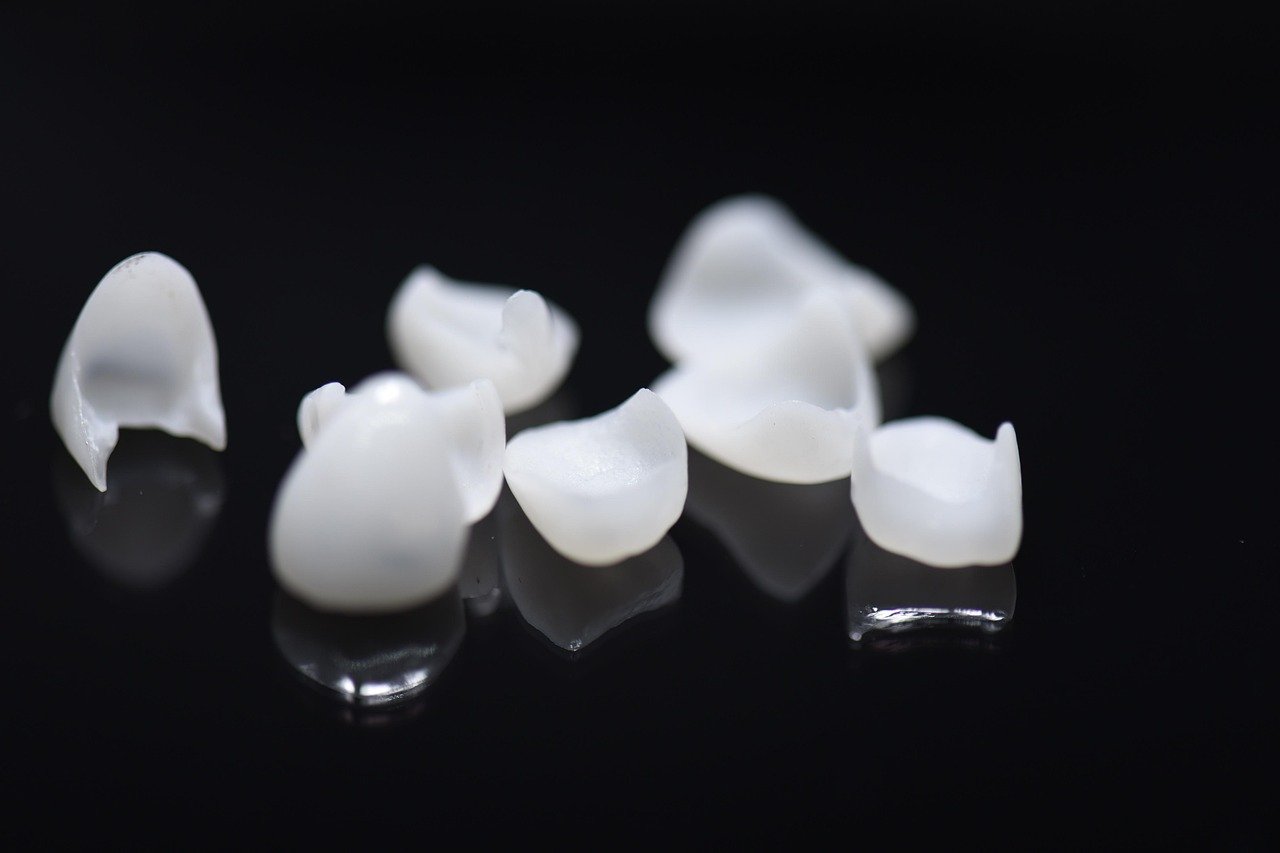
A dental crown is a custom cap covering the whole visible part of a tooth above the gum. It’s made from porcelain, zirconia, metal, or a mix, and it’s cemented or bonded over a tooth shaped to fit. “Cap” and “crown” mean the same thing. Our older patients tend to say cap.
Filling vs crown, side by side
| Factor | Filling | Crown |
|---|---|---|
| Best for | Small to moderate decay | Large damage, cracks, post-root canal |
| Tooth removed | Only the decay | Outer layer shaped all around |
| Visits | Usually 1 | Usually 2, sometimes 1 |
| Typical lifespan | 5 to 15 years | 10 to 15+ years |
| Strength | Good for small areas | Protects the whole tooth from splitting |
| Appearance | Composite blends well | Porcelain or zirconia looks very natural |
| Freezing | Usually | Yes |
Each one solves a different problem. A crown where a filling would do removes healthy tooth for no reason. A filling where a crown is needed can lead to a split tooth later.
Signs your tooth may need a crown
Especially silver amalgam with cracks around it.
A classic cracked-tooth sign.
A corner of a back tooth snapped off.
These teeth get brittle and prone to splitting.
Fine cracks that catch the light or stain.
Repeated repairs weaken it each time.
What about inlays and onlays?
An onlay is a custom piece that covers one or more cusps without wrapping the whole tooth. It’s often the smart middle option for a tooth too damaged for a filling that still has strong walls on one side. Onlays keep more natural tooth than a crown, so ask about one if you want the most conservative route.
How we decide
- X-rays show how deep decay goes and how close it is to the nerve.
- Bite tests help find cracks.
- Cold tests check how healthy the nerve is.
- A transillumination light can make cracks glow.
- Your bite and habits matter too, since heavy grinders need tougher restorations.
Ask to see the X-ray or an intraoral photo. Seeing the crack or the shadow makes the decision feel a lot less abstract, and we’re always happy to show you.
Don’t wait on these
A tooth that hurts when you bite or keeps you up at night shouldn’t sit for weeks. Small cracks can spread down the root, and once a crack goes below the gum, the tooth may not be savable. Swelling, fever, or a bad taste with pain may mean infection and needs prompt care.
Which filling material suits you?
| Material | Look | Typical lifespan | Good to know |
|---|---|---|---|
| Composite resin | Tooth-coloured | 5 to 10+ years | Bonds to tooth; needs a dry field |
| Amalgam (silver) | Metallic | 10 to 15 years | Very durable; rarely placed today |
| Glass ionomer | Tooth-coloured, less glossy | 3 to 7 years | Releases fluoride; common for kids |
| Ceramic inlay or onlay | Very natural | 10 to 15+ years | Custom made; stronger than big composites |
Myths about fillings and crowns
“Crowns are just an upsell.”
A crown is recommended when the tooth’s structure needs protecting. A responsible dentist explains why, shows the evidence, and talks through alternatives like onlays.
“Silver fillings should all be replaced.”
Intact amalgam fillings without decay or cracks can stay. Replacing them for looks is a personal choice.
“A filled tooth is fixed for life.”
Fillings wear and can leak at the edges, so we check them at every exam.
“No pain, no problem.”
Cavities often stay painless until they reach the nerve. By then a simple filling may have become a root canal and crown.
What to expect for each treatment
Getting a filling
- The area is numbed.
- Decay is removed.
- The tooth is cleaned and conditioned.
- Composite goes on in layers and hardens under a blue light.
- We shape and polish it to fit your bite.
Getting a crown
- The tooth is numbed and any decay removed.
- A core buildup replaces missing structure if needed.
- The tooth is shaped slightly smaller.
- We take a digital scan or impression.
- A temporary crown protects it while the final one is made.
- The permanent crown is checked for fit and colour, then cemented.
Can a cracked tooth be fixed with just a filling?
It depends where the crack runs. A small crack in one cusp can sometimes be removed and replaced with a bonded filling or onlay. A crack running across the tooth, or down toward the root, needs a crown to hold the pieces together, because a filling sits inside the tooth and can actually wedge the crack wider when you bite.
Cracks are tricky to see, even for us. That’s why we use bite tests and a bright light, and why we’ll sometimes suggest a crown on a tooth that looks fine at a glance but hurts in a very specific way.
What happens if you choose a filling when a crown was advised?
Sometimes nothing for years. Sometimes the tooth breaks during a meal, and the break is low enough that the tooth can’t be saved. If you’d like to go with a filling for now, we’ll respect that, explain the risk honestly, and keep a close eye on it at every checkup. Many patients choose that route while they budget for a crown, and CareCredit financing can help close the gap sooner.
How long does each one take?
A filling is usually a single visit of 20 to 60 minutes, depending on size. A crown usually takes 2 visits about 2 weeks apart: one to prepare the tooth and fit a temporary, and one to place the final crown. Plan for 60 to 90 minutes for the first appointment and 30 to 45 for the second.
Either way, you’ll leave knowing exactly what was done and why.
Three teeth, three decisions
- The shadow on the X-ray. A 30-year-old had a small shadow between 2 molars on her bitewings. No pain. A composite filling took 40 minutes and she went back to work.
- The crusty-bread zing. A man felt a sharp zing every time he bit into crusty bread. A crack ran under an old silver filling. A crown held the tooth together and the zing disappeared.
- The delayed crown. After a root canal on a lower molar, a patient put off the crown for a year. The tooth split at dinner and had to come out. It’s one of the most common, and most avoidable, ways to lose a tooth.
Do children ever need crowns?
Sometimes. Baby molars with large cavities often get stainless steel crowns, which are quick to place and protect the tooth until it falls out on its own. It sounds like a big step for a small tooth, and it often prevents repeated fillings and pain. For permanent teeth in kids and teens, we lean toward fillings and sealants whenever possible.
Caring for a new filling or crown
- Avoid chewing on that side until the freezing wears off.
- Mild sensitivity for a few days is normal. Call if it lasts beyond 2 weeks.
- If your bite feels high, come back for a quick adjustment.
- Brush and floss as normal, since edges can still decay.
- Wear a nightguard if you grind.
Mistakes people make when deciding
- Choosing the cheapest option today without asking how long it lasts.
- Delaying a crown on a cracked tooth until it splits.
- Assuming a crown recommendation is an upsell without asking to see the X-ray.
- Living with sensitivity after a filling for months instead of getting the bite checked.
Nervous about either treatment?
Dental anxiety is one of the main reasons a small filling turns into a crown. Tell us at the start. We’ll explain each step first, agree on a hand signal for breaks, and use numbing gel before the injection. For stronger anxiety, sedation dentistry makes longer visits like crown preparation much easier.
Getting a clear answer in Aurora
If you’re looking for the best dental clinic in Aurora to look at a sore or broken tooth, Dana Dental Aurora holds a 5.0 Google rating from more than 485 reviews. We’re at 15277 Yonge St., Suite 1 and 2, Aurora, ON, with evening and weekend appointments.
New patients and CDCP patients are welcome, and the New Patient Special introductory package covers first-visit basics. For larger treatment like crowns, CareCredit financing breaks costs into manageable monthly installments.
We handle general dentistry, fillings, caps and crowns, root canals, dental implants, emergency dentistry, wisdom teeth removal, pediatric care, sedation, and cosmetic treatments such as bonding, veneers, whitening, and bridges, plus mouthguards and nightguards. It’s a dental office in Aurora where most restorative questions get answered under one roof.
Call +1 (647) 494-5006 or email info@danadentalaurora.ca. Messages get answered quickly, and urgent problems jump the queue. Care is provided by licensed dental professionals registered with the Royal College of Dental Surgeons of Ontario (RCDSO). This article is general information and doesn’t replace a personal exam.
Frequently asked questions
Can a large filling be used instead of a crown?
Sometimes, as a short-term option. Very large fillings leave thin walls that can crack, so an onlay or crown is often the better long-term choice.
Is a crown more painful than a filling?
Both are done with freezing, so most people feel pressure rather than pain. Crowns involve more shaping, so a few days of gum soreness afterward is more common.
How long can I wait to get a crown?
If a crown is recommended for a crack or after a root canal, sooner is better. Waiting months raises the risk that the tooth breaks beyond repair.
Does CDCP cover crowns and fillings?
CDCP covers fillings for eligible patients, and some crowns may be covered depending on the situation and plan rules. We can check your coverage first.
Can a tooth with a crown still get a cavity?
Yes. The crown can’t decay, and the natural tooth at its edge can. Brushing, flossing, and checkups protect it.
Conclusion
Fillings fix small to moderate damage, and crowns protect teeth that are cracked, heavily filled, or treated with a root canal.
The right choice comes from X-rays and a proper exam.
Dana Dental Aurora can tell you which one your tooth needs and show you why.