Cosmetic dentistry is usually worth it when it fixes one specific thing that bothers you, on teeth and gums that are already healthy. Whitening, bonding, and veneers are common, safe, and predictable in the hands of a licensed dentist after a proper exam. It’s far less worth it when it’s rushed, placed over untreated problems, or chasing a look that doesn’t suit your face. A good cosmetic dentist in Aurora will tell you honestly which side of that line you’re on.
“Worth it” means different things to different people. For one patient it’s confidence in client meetings. For another it’s finally smiling with teeth in family photos. Sometimes it’s just one chipped tooth that keeps catching your eye in the bathroom mirror, and a single round of teeth whitening or a small repair gets you there.
Value comes from matching the treatment to the problem. A chip or small gap often needs only dental bonding, done in about an hour without removing healthy tooth. That covers a surprising number of cases. Bigger changes in colour, shape, or length across several teeth are where dental veneers earn their keep.
Who does the work matters as much as what you choose. Read about our team and approach on the About Dana Dental page, and ask to see before-and-after photos of cases like yours.
Is it worth it? A quick gut check
- You can name the exact thing that bothers you
- Your gums are healthy and cavities are treated
- You’ve seen a preview or mock-up
- You understand upkeep and lifespan
- You picked the most conservative option that meets your goal
Tick most of these and you’re far more likely to love the result a year from now.
What is cosmetic dentistry?
Cosmetic dentistry is dental care focused on how teeth and smiles look, including colour, shape, size, alignment, and gum appearance. Many cosmetic treatments also help function, like bonding a chipped edge that cuts your lip or closing a gap that traps food.
What does each treatment actually fix?
| Treatment | Best for | Tooth removed | Typical lifespan | Visits |
|---|---|---|---|---|
| Professional whitening | Yellowing and stains from coffee, tea, aging | None | 1 to 3 years with touch-ups | 1 to 2, or take-home trays |
| Composite bonding | Small chips, gaps, uneven edges | Little to none | 5 to 10 years | Usually 1 |
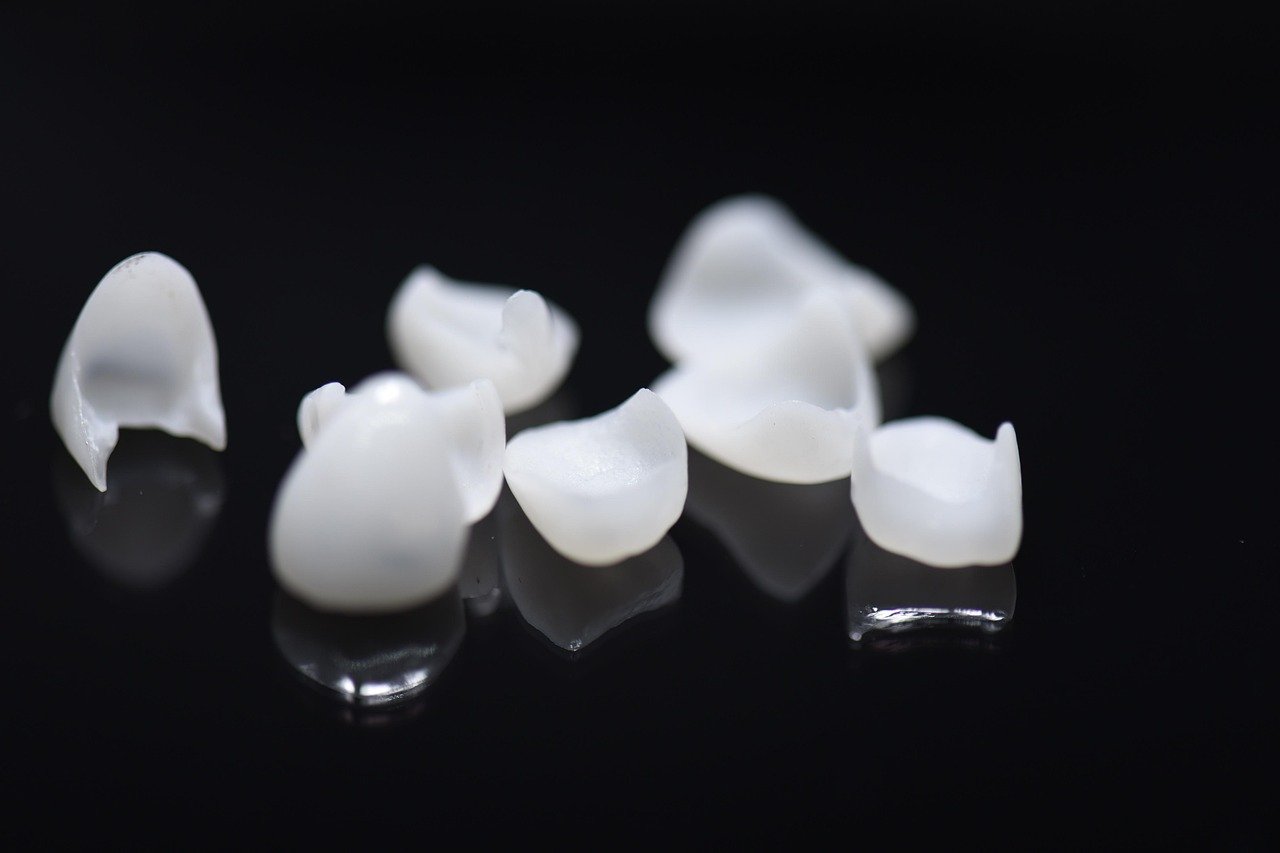
| Porcelain veneers | Colour, shape, size, mild misalignment on several teeth | Thin layer of enamel | 10 to 20 years | 2 to 3 |
| Crowns | Damaged or root-canal teeth that also need to look better | More, all around | 10 to 15+ years | 1 to 2 |
| Clear aligners | Crowding, spacing, bite issues | None | Lifetime with retainers | Check-ins over months |
Notice how commitment climbs as you go down the list. Starting at the lowest rung that solves your problem usually gives the best value.
When is it not worth it?
Being honest about this is part of good care. These are the situations where people tend to regret treatment.
- Skipping the foundation. Veneers over gum disease or active cavities can fail early.
- Over-treating. 10 veneers when whitening and 2 bonded edges would have done it.
- Going too white. An ultra-bright shade can look fake under office lighting.
- Ignoring grinding. Heavy grinders chip porcelain without a nightguard.
- Choosing on price alone. Bargain veneers abroad sometimes involve heavy tooth reduction that can’t be undone.
How to decide, step by step
Write down what bothers you. “My front tooth is darker” is more useful than “I want a better smile.”
X-rays, gum check, and a bite assessment.
Cavities, gum inflammation, grinding.
Digital smile design or a temporary mock-up shows the result before you commit.
Ask what the least invasive route would look like.
Touch-ups, nightguards, and checkups protect the work.
Financing can make the right option possible.
A word on safety
Cosmetic procedures are still dental procedures. Choose care from licensed professionals registered with the Royal College of Dental Surgeons of Ontario (RCDSO). Be cautious with DIY whitening kits, mail-order aligners without an in-person exam, and “veneers” sold online, which can damage teeth and gums. Whitening isn’t recommended during pregnancy or for young children.
Whitening vs bonding vs veneers: value compared
| Whitening | Bonding | Veneers | |
|---|---|---|---|
| Relative investment | Lowest | Low to moderate | Highest |
| Reversible? | Yes, colour fades over time | Mostly, little tooth removed | No, enamel is shaped |
| Stain resistance | Teeth can restain | Composite stains over years | Porcelain resists stains well |
| Repairs | Touch-ups | Easy to patch | Replace the veneer if it chips badly |
| Best value for | Overall colour | 1 to 3 small fixes | Full smile changes |
Cosmetic myths we hear
“Veneers ruin your teeth.”
Veneers do remove a thin layer of enamel, usually about 0.3 to 0.7 mm, and that’s permanent. Conservative preparation keeps the underlying tooth healthy, which is why planning matters.
“Bonding looks cheap.”
Layered composite from a careful hand looks completely natural. It stains more easily than porcelain and needs polishing over time.
“Cosmetic dentistry is for celebrities.”
Most of what we do is everyday work: whitening before a wedding, fixing a chip from a fall, matching an old crown.
“Whitening damages enamel.”
Professional whitening at proper strengths doesn’t damage enamel. Temporary sensitivity is common and fades.
Four patients, four different paths
- The coffee drinker. A 38-year-old teacher hated her yellowing teeth. 2 weeks of take-home trays fixed it, with a touch-up every 8 months.
- The basketball chip. A teen chipped a front tooth on a rim. Bonding repaired it in one visit, and a custom mouthguard now protects it.
- The worn smile. A man in his 50s had short, worn front teeth from grinding. After a nightguard and a mock-up he liked, 6 porcelain veneers rebuilt his smile.
- The second opinion. A woman had been quoted 8 veneers elsewhere. After an exam, whitening plus bonding on 2 teeth gave her the look she wanted and kept her enamel intact.
What does “natural-looking” actually mean?
Natural teeth aren’t perfectly uniform. They have slight translucency at the edges, tiny texture lines, and subtle colour shifts from the gumline to the tip. Good cosmetic work copies those details. That’s why we match shade in daylight, look at your smile while you talk and laugh, and consider your skin tone and lip line before choosing a final colour.
Ask to see your mock-up from a normal conversation distance, about an arm’s length away. That’s how other people will see your smile, and it’s a far better test than a close-up in the mirror.
Can cosmetic work be undone?
Some of it. Whitening fades on its own over time. Bonding can be polished off or reshaped with little or no effect on the tooth. Veneers and crowns are a one-way choice, since enamel has been shaped, though they can always be replaced with new ones later. If keeping your options open matters, start with the reversible treatments and see how you feel before committing to porcelain.
How do you choose a shade?
Most people do best with a shade that matches the whites of their eyes or is just slightly brighter. Going several shades past that tends to look artificial, especially in photos taken with a flash. We’ll show you options side by side and give you time to decide.
And if you’re between 2 shades, pick the softer one. It ages better and blends more easily with future dental work.
Questions to ask at a cosmetic consultation
- What’s the most conservative way to reach my goal?
- How much tooth, if any, will you remove?
- Can I see a preview or mock-up first?
- How long will this last, and what will upkeep look like?
- What happens if a veneer chips or bonding stains?
- Do I need any health treatment first?
- Can I see before-and-after photos of cases like mine?
Clear, confident answers to each one are a good sign.
Does age matter?
Not much past the teen years. Teens usually wait for veneers until teeth and gums finish developing, often around 18, though bonding can fix chips earlier. Adults in their 60s and 70s are often great candidates. Worn, darker teeth come with age, and modest changes like whitening plus a few bonded edges can take years off a smile without looking overdone.
Small changes, big difference
- Reshaping one slightly long tooth so the edges line up
- Bonding a small gap between the front teeth
- Replacing a single old, dark front crown
- Whitening the lower teeth to match the uppers
- Polishing off years of surface stain at a cleaning
Each takes an hour or less, and together they change how a smile reads in photos. Starting small also tells you what you like before you consider anything bigger.
How long does a smile makeover take?
Whitening takes 1 visit or about 2 weeks of trays. Bonding usually takes 1 visit. Veneers usually take 2 to 3 visits over 2 to 4 weeks, including a temporary set so you can test-drive the look. If aligners come first, add several months. Rushing is the most common mistake, and giving yourself time to live with temporaries leads to results people still love years later.
Making results last
- Brush twice daily with a low-abrasion toothpaste.
- Floss daily, especially around veneer and bonding edges.
- Wear a nightguard if you grind or clench.
- Keep nails, pens, and ice away from bonded or veneered teeth.
- Rinse after coffee, tea, red wine, and curries.
- Keep cleanings every 6 months for polishing.
Is cosmetic dentistry covered by insurance or CDCP?
Purely cosmetic treatment, like whitening or veneers for looks, usually isn’t covered by private plans or CDCP. Treatments that also fix a health problem, such as bonding a broken tooth or crowning a cracked one, may be partly covered. We can check your plan, and financing can spread the cost.
Thoughtful cosmetic dentistry in Aurora
Dana Dental Aurora is one of the most trusted options for anyone looking for a top dentist in Aurora for smile work, with a 5.0 Google rating from more than 485 patient reviews. We’re at 15277 Yonge St., Suite 1 and 2, Aurora, ON, with evening and weekend appointments.
New patients and CDCP patients are welcome, and the New Patient Special introductory package is an easy first step. CareCredit financing lets you break treatment like veneers into affordable monthly installments.
Beyond cosmetic dentistry, bonding, veneers, and whitening, we provide general dentistry, caps and crowns, dental implants, emergency care, wisdom teeth removal, fillings, pediatric dentistry, root canals, sedation, bridges, mouthguards, and nightguards. Your smile plan can cover health and appearance in one place.
Call +1 (647) 494-5006 or email info@danadentalaurora.ca, and expect a prompt reply. Treatment is provided by licensed dental professionals registered with the Royal College of Dental Surgeons of Ontario (RCDSO). This article is general information. Results vary, and a consultation is the only way to know what’s right for your teeth.
Frequently asked questions
What is the most popular cosmetic dental treatment?
Professional whitening, because it’s quick, affordable, and removes no tooth structure. Bonding and veneers follow for shape and chip repairs.
How long do veneers last?
Porcelain veneers usually last 10 to 20 years with good care. Composite veneers or bonding typically last 5 to 10 years before repair or replacement.
Is cosmetic dentistry painful?
Most treatments involve little discomfort. Whitening can cause temporary sensitivity, and veneer preparation is done with local freezing.
Can I get cosmetic work if I have gum disease?
Gum disease should be treated first. Cosmetic work on unhealthy gums tends to fail sooner and may not look right as gums change.
Is financing available for cosmetic dentistry?
Yes. Dana Dental Aurora offers CareCredit financing, which splits treatment costs into monthly installments.
Conclusion
Cosmetic dentistry is usually worth it when it targets a clear concern and starts with healthy teeth and gums.
Choosing the least invasive option that meets your goal gives the best long-term value.
A consultation at Dana Dental Aurora shows you a preview before you commit.