
Cavities are one of the most common dental problems in the world, yet there is considerable confusion about whether they can heal without professional treatment. The short answer is: true cavities, meaning those where the enamel has fully broken down and a hole has formed, cannot heal on their own. However, the very earliest stage of tooth decay, known as an incipient lesion, can be reversed through remineralisation before a true cavity forms. Understanding this distinction is critical because it shapes the entire approach to treatment. If you suspect you have tooth decay, consulting a Dental Clinic in Aurora promptly gives you the best possible outcome.
The tooth is a living structure supported by minerals. When acid attacks enamel, minerals are leached out in a process called demineralisation. If remineralisation, the natural redepositing of minerals, outpaces demineralisation, the tooth can repair itself in the early stages. The critical variable is catching this process before it progresses past the point of no return.
How Cavities Form
Cavities form when bacteria in the mouth produce acid from the sugars and carbohydrates in your food. The most common cavity-causing bacterium, Streptococcus mutans, metabolises sugar and excretes lactic acid as a byproduct. This acid lowers the pH in the mouth and dissolves the mineral content of enamel. The result, over time, is a cavity. Good Dental Care in Aurora includes early detection screenings that catch the process at the earliest reversible stage.
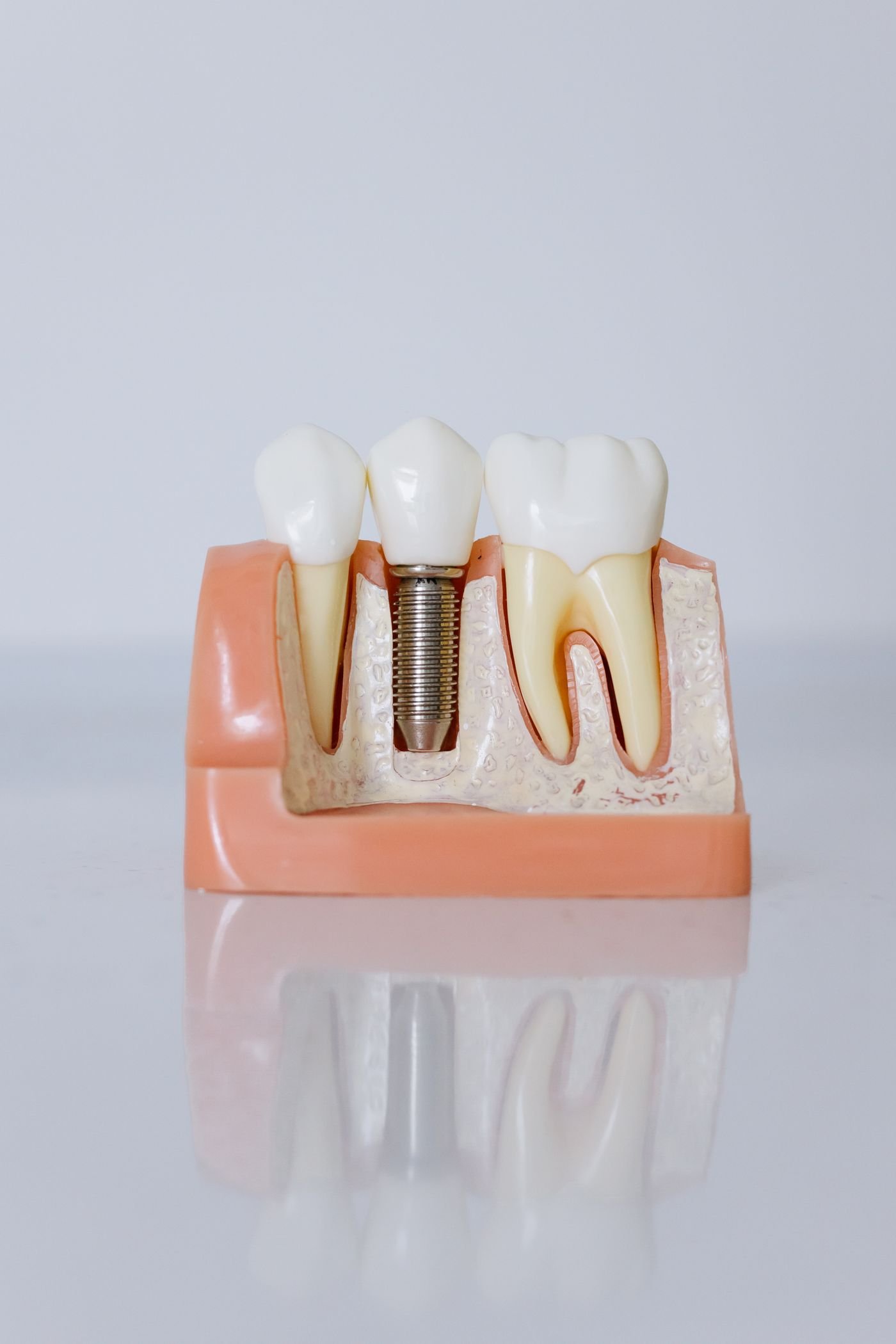
Cavities progress through stages: initial demineralisation (white spot lesion), enamel cavity, dentin cavity, and pulp involvement. Each stage is progressively harder to treat and requires more intervention. A lesion caught at the white spot stage may be reversed without a filling. A cavity that has reached dentin needs a filling. A cavity that reaches the pulp requires root canal treatment.
The Role of Remineralisation
Remineralisation is the body’s natural repair mechanism for early enamel damage. It relies on calcium and phosphate ions from saliva redepositing into the crystalline structure of enamel. The presence of fluoride significantly enhances this process by facilitating the formation of fluorapatite, which is more resistant to acid than the original hydroxyapatite. A Dentist in Aurora can apply professional-strength fluoride treatments to supercharge this natural process in areas of early demineralisation.
For remineralisation to work, several conditions must be met. The demineralisation must not yet have progressed to an actual cavity. The mouth must have adequate saliva flow to deliver minerals to the tooth surface. The diet must reduce the frequency of sugar intake that feeds cavity-causing bacteria. And fluoride must be consistently present, either through toothpaste, water, or professional application.
Signs You May Have a Cavity
The earliest sign of a cavity is a white spot on the enamel surface, which represents an area of mineral loss. This stage is typically asymptomatic. As the cavity progresses into enamel, sensitivity to sweets may develop. When decay reaches dentin, you may notice sensitivity to hot and cold, particularly lingering sensitivity after the stimulus is removed.
A visible hole or dark spot on the tooth is a sign of an established cavity. Pain when biting, spontaneous throbbing pain, or visible discolouration are signs that the decay may be approaching or has reached the pulp. At this stage, treatment is urgent. At Dana Dental, one of the best dental clinics in Aurora, the team uses digital X-rays and visual examination to detect cavities at every stage. Contact Dana Dental at 15277 Yonge St, Suite 1 and 2, Aurora, ON L4G 1Y3, by phone at (647) 494-5006 or by email at info@danadentalaurora.ca.
Common Mistakes That Allow Cavities to Progress
One of the most significant mistakes people make is avoiding the dentist when they suspect a cavity because it is not yet causing pain. Cavities do not typically cause pain in their early stages. By the time pain develops, the decay has usually progressed significantly, often requiring more extensive treatment than a simple filling would have provided earlier.
Another common error is assuming that home remedies can heal a true cavity. Oil pulling, extra brushing, or dietary changes cannot reverse a cavity that has already broken through the enamel surface. These measures are valuable for preventing cavities and supporting remineralisation of pre-cavity lesions, but they are not substitutes for professional dental treatment once the disease process is established.
Professional Treatment Options by Stage
Treatment depends entirely on how far the cavity has progressed. A white spot lesion may be managed with fluoride treatments, dietary counselling, and closer monitoring. An enamel or early dentin cavity requires a filling, which removes the decayed tissue and restores the tooth’s structure. Deeper dentin cavities may require larger restorations or a crown if significant tooth structure is lost.
When decay reaches the pulp, the nerve and blood vessel inside the tooth become infected. At this point, Root Canal Treatment in Aurora is the standard option for saving the tooth. During this procedure, the infected pulp tissue is removed, the canals are cleaned and shaped, and the tooth is sealed and typically restored with a crown. Without this treatment, the only other option is extraction.
Prevention: The Best Strategy
Preventing cavities is far less costly in time, money, and discomfort than treating them. Brush twice daily with fluoride toothpaste, floss once daily, and reduce the frequency of sugar intake, particularly between meals. Drinking water throughout the day, especially fluoridated water, maintains protective saliva flow. Dental sealants on the chewing surfaces of back teeth significantly reduce cavity risk.
Professional cleanings remove hardened plaque that your brush cannot, and dental checkups catch early lesions before they become cavities. Consistent biannual appointments are the most effective tool in your cavity prevention arsenal.
Frequently Asked Questions
Can a cavity go away without a filling?
A true cavity cannot go away without treatment. The enamel that has been destroyed cannot regenerate. However, a pre-cavity white spot lesion, which is an area of demineralisation that has not yet broken through, can be reversed with fluoride treatment and dietary changes. Only your dentist can determine which stage you are at.
Is it safe to leave a small cavity untreated?
Leaving a cavity untreated allows it to grow. Cavities do not stabilise on their own; they continue to progress. A small cavity that requires a simple filling today can become a cavity that requires a root canal or extraction if left untreated. Early treatment is always more conservative and less costly.
How fast do cavities progress?
The rate of progression varies based on diet, oral hygiene, saliva flow, and bacterial load. Some cavities progress slowly over years, while others, particularly in people with dry mouth or high sugar intake, can reach the pulp within months. There is no safe timeline for postponing treatment.
Can children’s cavities in baby teeth be left alone since those teeth fall out anyway?
Baby teeth should be treated for cavities. They hold space for permanent teeth, and infections in baby teeth can spread to developing permanent teeth below. Pain from untreated cavities also affects a child’s ability to eat, speak, and concentrate. Your dentist will recommend appropriate treatment based on the tooth’s expected lifespan.
Does diet alone reverse a cavity?
Diet changes alone cannot reverse an established cavity but are a critical part of managing early demineralisation. Reducing sugar frequency, increasing calcium and phosphate intake, and staying well hydrated support remineralisation of white spot lesions. Combined with fluoride therapy and professional monitoring, early lesions can be stabilised or reversed.
Conclusion
True cavities cannot heal on their own, but the earliest stage of decay, a white spot lesion, can be reversed with targeted professional and at-home care. The key is catching the problem early through regular dental visits. Once a cavity progresses past the enamel, professional treatment is the only effective option, and delaying only allows the damage to worsen.