
As people age, their oral health needs evolve significantly. Seniors face a unique set of dental challenges that require targeted strategies to maintain a healthy and functional smile. From increased risk of gum disease and dry mouth to the management of dentures and dental implants, older adults benefit enormously from consistent professional care at a trusted Dental Clinic in Aurora. Good dental health in the senior years is not just about the mouth; it is closely tied to overall systemic health, including heart disease prevention and nutritional wellbeing.
Many seniors grew up during a time when tooth loss was considered an inevitable part of ageing. That is no longer the case. With proper care and attention, it is entirely possible to maintain your natural teeth throughout your life. The key lies in adapting your oral hygiene routine to account for the physical changes that come with age and staying closely connected with a dental professional who understands the unique needs of older adults.
Why Oral Health Changes With Age
Several natural changes associated with ageing directly affect oral health. Gum tissue gradually recedes, exposing root surfaces that are softer than enamel and more vulnerable to decay. Tooth roots do not have the enamel protection that crown surfaces enjoy, making root cavities a significant concern in seniors. Patients who access Dental Care in Aurora regularly are monitored for these changes and receive early intervention before problems become serious.
Medications are a major factor in senior oral health. Older adults typically take more prescription medications than younger people, and many of these drugs cause dry mouth as a side effect. Saliva is critical for neutralising acid, washing away bacteria, and remineralising enamel. When saliva production is reduced, the risk of decay and gum disease rises substantially.
Common Dental Concerns for Seniors
Gum Disease
Periodontal disease is more common and more severe in older adults. Years of plaque accumulation, smoking history, and systemic conditions like diabetes all compound the risk. Gum disease progresses silently in many cases; seniors may not notice the gradual recession or bone loss until significant damage has occurred. Regular checkups catch gum disease early, when it is most manageable.
Dry Mouth
As mentioned, many medications cause dry mouth. Without adequate saliva flow, the mouth becomes an environment where bacteria and acids go unchecked. Seniors experiencing dry mouth should sip water frequently, use alcohol-free mouthwash, chew sugar-free gum, and consider saliva-substitute products. Consulting a Dentist in Aurora about managing dry mouth is an important step, as some specialised fluoride and remineralisation products are particularly effective in this situation.
Root Cavities
Exposed roots from gum recession are significantly softer than enamel. Root surfaces decay more quickly and require vigilant hygiene. Fluoride applications and specially formulated toothpastes with higher fluoride concentration help protect root surfaces. Your dentist may also recommend antimicrobial rinses to reduce the bacterial load in your mouth.
Tooth Loss and Replacement
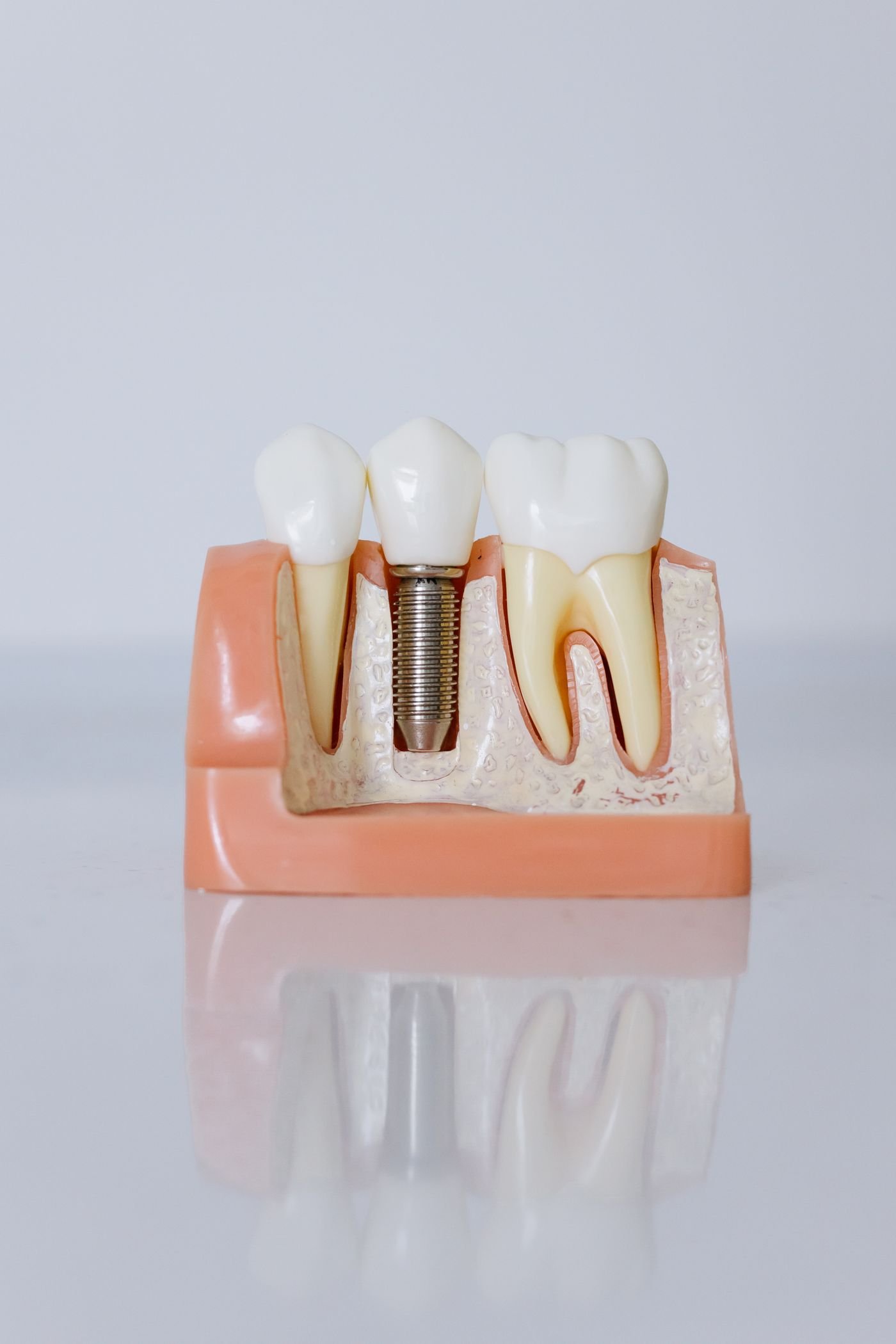
Tooth loss is not inevitable, but it does become more common with age. Missing teeth affect chewing, speech, and self-confidence. More importantly, bone loss begins immediately after tooth extraction if the space is not replaced. Modern options including dental implants, partial dentures, and dental bridges allow seniors to maintain full function and aesthetics. Your dental team can help you identify the most appropriate solution for your lifestyle and health.
Daily Oral Hygiene for Seniors
The foundation of senior dental care is the same as for any age group: consistent, thorough daily hygiene. However, physical limitations like arthritis can make standard brushing and flossing more difficult. At Dana Dental, recognised as one of the best dental clinics in Aurora, the team takes time to understand each patient’s physical abilities and recommend appropriate tools. Dana Dental is located at 15277 Yonge St Suite 1 and 2, Aurora, ON L4G 1Y3, reachable at (647) 494-5006 or info@danadentalaurora.ca.
Electric toothbrushes are particularly beneficial for seniors with arthritis or reduced hand strength, as they deliver consistent cleaning action without requiring extensive manual dexterity. Water flossers provide an effective alternative to traditional floss for those who find manipulating floss difficult. Floss holders and interdental brushes are other tools that make cleaning between teeth more accessible.
Use fluoride toothpaste specifically formulated for sensitivity if you experience root sensitivity. Brush gently with a soft-bristled brush, paying particular attention to the gumline and exposed root surfaces. Do not skip the tongue, as bacteria on the tongue contribute to bad breath and oral infection.
Managing Dentures and Oral Appliances
For seniors who wear full or partial dentures, daily care of the appliance is essential. Dentures should be removed and cleaned thoroughly every night with a brush and denture-specific cleaning solution. Do not use regular toothpaste on dentures, as it is too abrasive and can scratch the surface. Scratched dentures harbour bacteria in their grooves and are more difficult to keep clean.
Remove dentures at night to allow the gum tissue to rest and recover. Soak them in a denture solution to keep them moist and bacterially clean. Ill-fitting dentures cause sore spots, difficulty eating, and can accelerate bone loss in the jaw. If your dentures have become loose or uncomfortable, visit your dentist as soon as possible to have them assessed and re-fitted.
The Connection Between Oral Health and Systemic Health
For seniors, the link between oral health and overall health is especially significant. Research has consistently found associations between gum disease and conditions including cardiovascular disease, stroke, pneumonia, and poorly controlled diabetes. Bacteria from the mouth can enter the bloodstream and contribute to inflammatory processes throughout the body.
Maintaining good oral health becomes a component of managing overall health in the senior years. Inform your dentist about all medical conditions and medications you are taking, as these affect your treatment plan and the products that are safe for you to use. Similarly, inform your physician of any dental infections or chronic gum disease you are managing, as these may be relevant to your overall health picture.
When to Seek Emergency Dental Care
Seniors should be particularly attentive to dental pain, swelling, or sudden changes in their mouth. Dental infections can escalate quickly in older adults, particularly those with compromised immune systems or diabetes. A toothache, abscess, or sudden onset of facial swelling are reasons to seek care at an Emergency Dental Clinic in Aurora without delay. Waiting for a routine appointment is not appropriate in these situations.
Oral cancer risk also increases with age, and regular screenings during dental checkups are an important part of care. Your dentist visually examines the soft tissues of your mouth at every visit. Report any persistent sores, unusual patches, or lumps immediately.
Frequently Asked Questions
How often should seniors visit the dentist?
Most seniors benefit from visiting the dentist every six months, though those with higher risk due to dry mouth, gum disease, or medical conditions may benefit from more frequent visits every three to four months. Your dentist will recommend the right interval based on your individual health profile.
Are dental implants safe for seniors?
Dental implants can be a very good option for seniors who have adequate bone density and are in good general health. Age alone is not a disqualifying factor. Your dental team will assess your bone health, medical history, and medications before recommending implants as an appropriate option.
Can I still get cavities if I have dentures?
Full denture wearers cannot get cavities in the denture teeth, but they can still develop gum infections and oral cancer. Those with partial dentures have remaining natural teeth that are susceptible to cavities. Regular dental visits remain important regardless of whether you have natural teeth or appliances.
Why are my teeth more sensitive as I age?
Gum recession exposes softer root surfaces that are more sensitive to temperature and sweetness. Enamel may also thin over a lifetime of wear. Desensitising toothpastes and professional fluoride treatments can significantly reduce sensitivity. If sensitivity is new or severe, have it checked promptly as it may indicate a deeper issue.
How does diabetes affect dental health in seniors?
Diabetes impairs the body’s ability to fight infection and slows healing. This makes gum disease more severe, harder to treat, and more likely to progress in people with diabetes. Conversely, severe gum disease can make blood sugar harder to control. Managing both conditions together in consultation with your medical and dental teams is the most effective approach.
Conclusion
Senior dental health requires consistent attention, adapted tools, and close collaboration with a trusted dental team. Address concerns early, maintain a thorough daily hygiene routine, and never skip your professional appointments. A healthy mouth supports not just your smile, but your overall quality of life throughout your senior years.