Yes, most cavities in baby teeth should be treated, usually with a filling. Baby teeth hold space for adult teeth, help children chew and speak, and many stay in the mouth until age 10 to 12. Small early cavities can sometimes be stopped with fluoride and closely watched, but decay that’s progressing can quickly reach the nerve, causing pain and infection. Tooth decay is the most common chronic disease in children, and it’s very treatable when caught early by a pediatric dentistry team.
It’s a fair question. Why fix a tooth that’s going to fall out anyway? Plenty of parents have heard a grandparent say exactly that.
The answer comes down to timing. A front baby tooth might fall out at 6. A back baby molar often stays until 11 or 12. That’s years of chewing, and years for a cavity to grow. Small, tooth-coloured fillings stop that process and keep the tooth comfortable until it’s ready to go.
Prevention matters just as much. Dental sealants on the grooves of back teeth block one of the most common places cavities start, and they’re quick and painless to place.
If your child is anxious or very young, gentle options like sedation dentistry can make treatment calmer for everyone. And if you’re new to the practice, the new patient offer is a simple way to start with an exam and cleaning. You can also read about the team at Dana Dental before your first visit.
Why are baby teeth important?
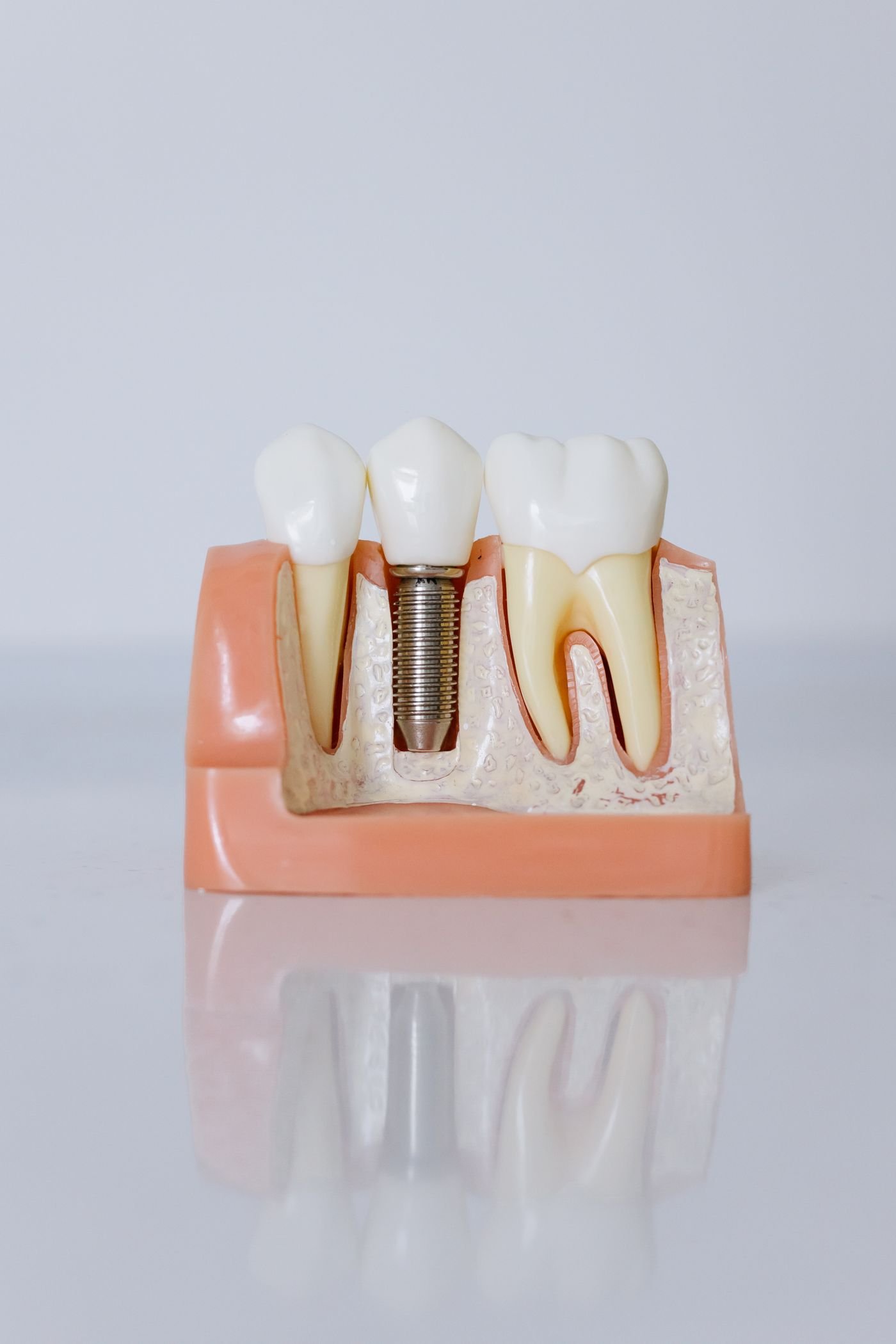
Baby teeth (primary teeth) guide adult teeth into position, support chewing and speech, and keep the jaw developing normally. Children have 20 of them, and they’re replaced gradually between about age 6 and 12.
- Space holders: each baby tooth saves a spot for the adult tooth underneath
- Chewing: good nutrition depends on being able to chew comfortably
- Speech: front teeth help children form sounds like “th,” “f” and “s”
- Confidence: visible decay or missing front teeth can affect how kids feel about smiling
- Healthy adult teeth: infection in a baby tooth can affect the developing adult tooth below it
When do baby teeth fall out?
| Tooth | Typical age lost | Years a cavity could keep growing (if found at age 4) |
|---|---|---|
| Lower front incisors | 6 to 7 | 2 to 3 years |
| Upper front incisors | 7 to 8 | 3 to 4 years |
| Canines | 9 to 12 | 5 to 8 years |
| First molars | 9 to 11 | 5 to 7 years |
| Second molars | 10 to 12 | 6 to 8 years |
Those back molars are where cavities show up most, and they stay the longest.
Why does decay move faster in baby teeth?
Baby teeth have thinner enamel and a larger nerve chamber relative to their size. A cavity can travel from the surface to the nerve in months, much faster than in an adult tooth. That’s why a small spot at one checkup can be a toothache by the next.
What happens if a cavity in a baby tooth isn’t treated?
- Pain: kids may not say “toothache.” They may stop eating, chew on one side or have trouble sleeping.
- Infection and abscess: swelling, a gum pimple or fever.
- Damage to the adult tooth: infection near the developing tooth can cause white or brown spots or weak enamel on it.
- Early tooth loss: neighbouring teeth drift into the gap, which can block the adult tooth and lead to crowding.
- Emergency visits: treating a painful, infected tooth is harder for a child than a calm, planned filling.
- Spreading decay: cavities between teeth often spread to the tooth next door.
Do all baby tooth cavities need a filling?
Not always. A good pediatric plan looks at the size of the cavity, the child’s risk and how long the tooth has left.
| Situation | Usual approach |
|---|---|
| Early white spot (no hole yet) | Fluoride varnish, better brushing, diet changes, recheck |
| Small cavity in a tooth falling out within months | Sometimes monitored or treated with silver diamine fluoride |
| Small to moderate cavity with years to go | Tooth-coloured filling |
| Large cavity in a back molar | Pediatric crown, sometimes with nerve treatment (pulpotomy) |
| Infected or badly broken tooth | Extraction, often with a space maintainer |
What does a filling in a baby tooth involve?
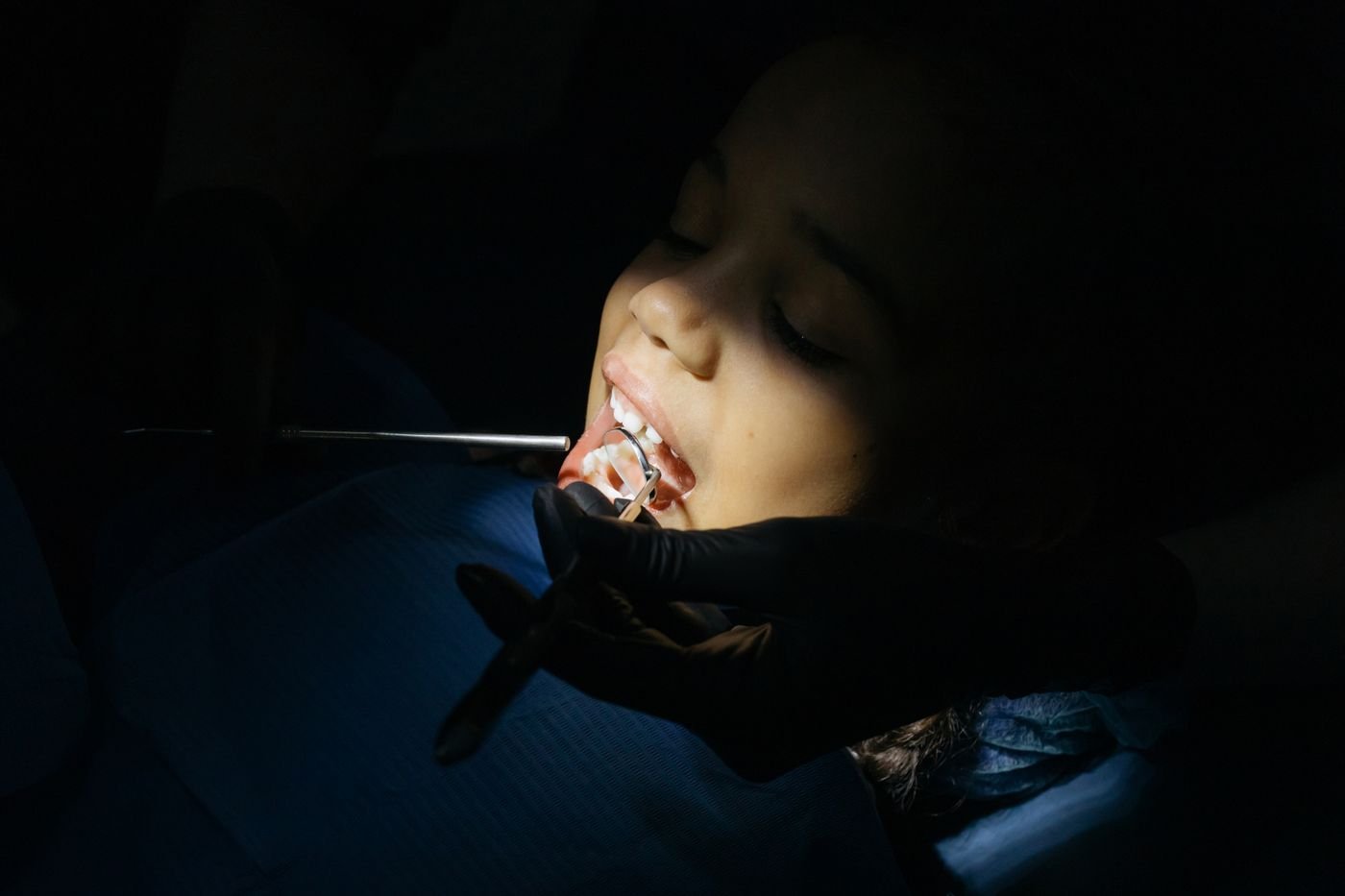
- Tell-show-do. The dentist explains each tool in kid-friendly words and lets your child touch or see it first.
- Numbing gel. A flavoured gel numbs the gum before any injection, so the “pinch” is barely felt.
- Local anaesthetic. Given slowly and gently. Many kids don’t notice it.
- Cleaning out the decay. The soft, decayed part is removed. Some practices use gentle techniques that reduce drill noise.
- The filling. Tooth-coloured material is placed and shaped.
- Bite check and polish. A quick check that it feels right.
- Aftercare. A reminder not to chew lips or cheeks while numb, and a sticker on the way out.
Most baby tooth fillings take 20 to 30 minutes.
Are fillings safe for children?
Yes. Tooth-coloured composite and glass ionomer materials are widely used in children and are considered safe. Glass ionomer even releases a little fluoride over time, helping protect the tooth.
Local anaesthetic doses are carefully calculated by weight for children. For kids who are very anxious, very young or need lots of treatment, nitrous oxide (laughing gas) or other sedation options are used under strict safety guidelines.
Myths about baby teeth and cavities
- “They fall out anyway, so cavities don’t matter.” Back baby teeth can stay until 12. Infection can harm the adult tooth underneath.
- “My kid’s teeth are soft because of genetics.” Genetics play a part, but diet, sipping habits and brushing usually matter more.
- “Kids don’t feel dental pain like adults.” They do. They just describe it differently or not at all.
- “Juice is healthy, so it’s fine for teeth.” Juice is high in sugar and acid. Sipped often, it’s one of the leading causes of childhood cavities.
- “Dental visits will scare my child.” Early, positive visits are the best way to prevent dental fear.
Real situations parents face
Common mistakes parents make
- Waiting for a child to complain about pain
- Letting kids sip juice, milk or sports drinks all day
- Putting a child to bed with a bottle of milk or juice
- Stopping supervised brushing too early (most kids need help until about age 8)
- Skipping the first dental visit until age 4 or 5
- Using adult amounts of toothpaste for toddlers
How do you prevent cavities in baby teeth?
- Start early. Wipe gums before teeth appear, and brush as soon as the first tooth erupts.
- Use the right amount of fluoride toothpaste. A rice-grain smear under age 3, a pea-sized amount from 3 to 6.
- Brush twice a day, with a parent helping or checking until about age 8.
- Floss once teeth touch each other.
- Keep sweets to mealtimes and offer water between meals.
- No bottles in bed, unless it’s plain water.
- First dental visit by age 1, or within 6 months of the first tooth.
- Ask about sealants and fluoride varnish at checkups.
How can you spot a cavity in your child’s teeth at home?
Many cavities are only visible on X-rays, especially between back teeth. Still, a quick look while brushing can catch some early.
- Chalky white lines along the gum line on the top front teeth. This is often the very first sign.
- Light brown or yellow spots that don’t brush off
- Dark spots or small holes in the grooves of back teeth
- Food that keeps getting stuck in the same spot
- Bad breath that lingers even after brushing
- Changes in eating, like avoiding cold drinks or chewing on one side
Lift your child’s top lip once a week while brushing. It takes 5 seconds and shows the area where early decay most often hides.
What is a space maintainer and when is it needed?
If a baby molar has to be removed early, the teeth on either side can slide into the gap and block the adult tooth from coming in properly. A space maintainer is a small metal band and loop (or a removable appliance) that holds that gap open until the adult tooth arrives.
It’s painless to place, usually cemented in one visit, and removed once the adult tooth starts to come through. It’s one of the simplest ways to prevent crowding problems later.
How do you choose a family dentist for your child in Aurora?
Look for a practice that’s patient with kids, explains things in a way children understand, and treats prevention as seriously as treatment. Make sure the dentists are registered with the RCDSO.
Dana Dental Aurora is one of the most trusted names for families looking for a family dentist in Aurora, with a 5.0 Google rating from over 485 patient reviews. The clinic welcomes new patients and CDCP (Canadian Dental Care Plan) patients, which is helpful because many children are eligible for coverage under the plan. A New Patient Special introductory package makes the first visit easy, and CareCredit financing can spread treatment costs into affordable monthly instalments.
Flexible evening and weekend scheduling means you don’t have to pull kids out of school for every appointment. Under one roof, the team offers pediatric dentistry, general dentistry, fillings, sealants, sedation, emergency care, crowns, root canals, implants, wisdom teeth removal, cosmetic dentistry, bonding, veneers, whitening, bridges, mouthguards and nightguards. Call +1 (647) 494-5006, email info@danadentalaurora.ca, or visit 15277 Yonge St., Suite 1 & 2, Aurora, ON.
Frequently asked questions
At what age should my child first see a dentist?
By their first birthday, or within 6 months of the first tooth appearing. Early visits focus on prevention and getting comfortable.
Can a cavity in a baby tooth go away?
A hole in a tooth can’t heal, but very early white-spot decay can sometimes be reversed with fluoride and better habits.
Do baby teeth need crowns?
Sometimes. Large cavities in back baby molars are often restored with a pediatric crown because it lasts until the tooth falls out naturally.
Is it safe to numb a child for a filling?
Yes. Local anaesthetic doses are carefully based on a child’s weight, and numbing gel makes the injection more comfortable.
Does the CDCP cover children’s fillings?
The Canadian Dental Care Plan covers many preventive and restorative services for eligible children. The clinic can confirm coverage before treatment.
Conclusion
Cavities in baby teeth usually need treatment, because these teeth stay in place for years and decay spreads quickly.
Early fillings, sealants and fluoride keep kids comfortable and protect their adult teeth.
A gentle, positive first visit sets your child up for a lifetime of healthy smiles.