Yellow teeth are one of the most common cosmetic concerns people bring to their dentist. While professional whitening delivers the fastest and most dramatic results, there are natural strategies that can meaningfully improve the appearance of your teeth over time. Whether your discolouration comes from surface stains, dietary habits, or thinning enamel, understanding the cause guides the best approach. For personalised guidance on your specific situation, starting with a visit to a Dental Clinic in Aurora ensures you are addressing the correct type of discolouration in the safest way.
It is important to distinguish between surface stains, which natural methods can address, and intrinsic discolouration from within the tooth structure, which usually requires professional intervention. Intrinsic yellowing from medication exposure, trauma, or natural dentin colour is not accessible by surface-level treatments. For surface stains from coffee, tea, wine, and food, consistent natural habits combined with good oral hygiene produce gradual but real improvements.
What Causes Yellow Teeth?
Surface discolouration, also called extrinsic staining, comes from pigmented compounds in food and drink that adsorb onto tooth enamel. Coffee, tea, red wine, berries, tomato sauce, and turmeric are among the most common culprits. Smoking and tobacco use create particularly stubborn yellow-brown stains that penetrate beyond the surface layer. Patients accessing Dental Care in Aurora regularly benefit from professional cleanings that remove surface stains that toothpaste cannot lift.
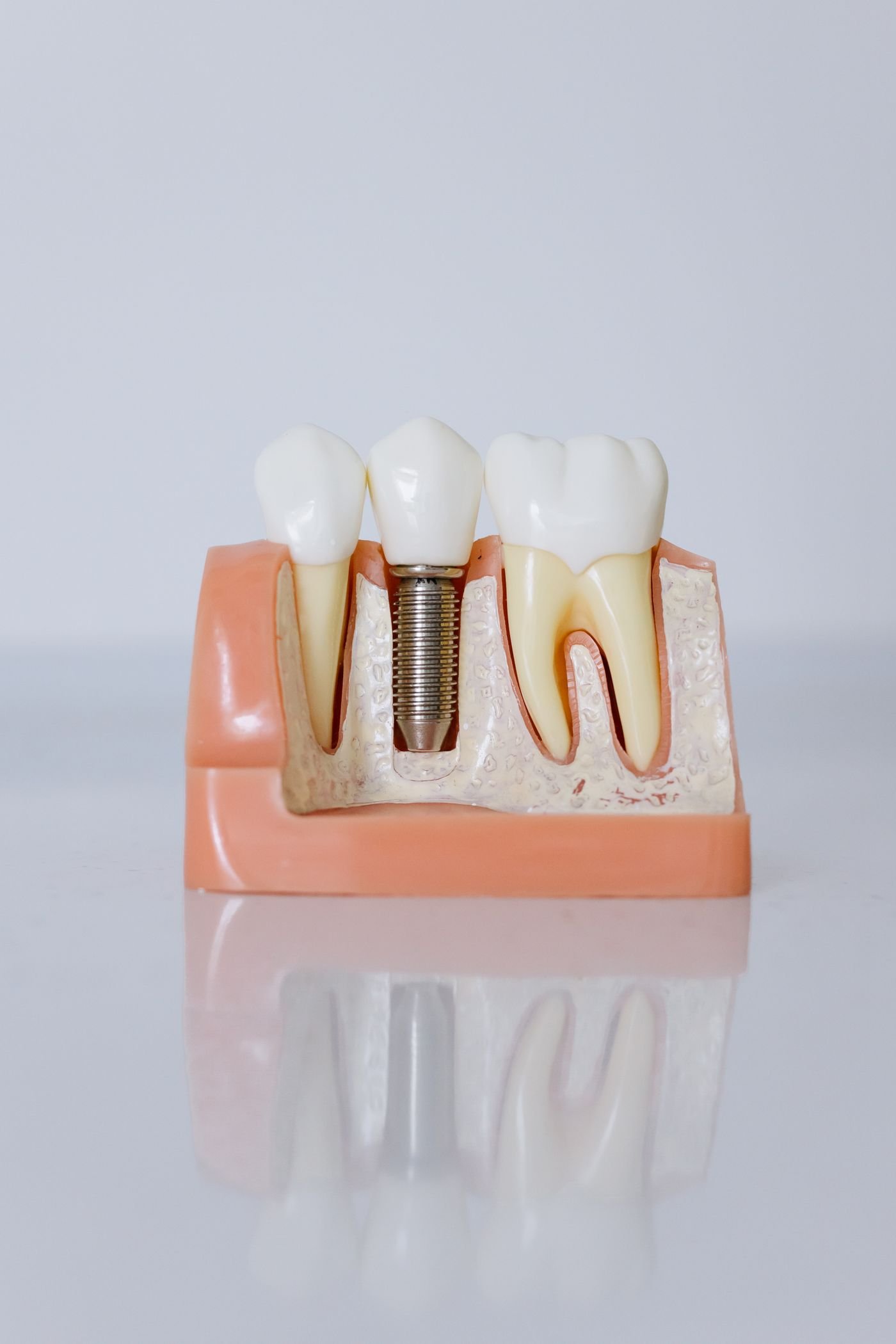
Intrinsic discolouration originates within the tooth itself. As the outer enamel layer wears and thins over time, the naturally yellow dentin layer beneath becomes more visible. This type of yellowing is not a stain but rather a change in the structural opacity of the tooth. It becomes more apparent with age, which is why older adults often notice their teeth appearing yellower despite good hygiene.
Natural Methods to Reduce Yellowing
Improved Brushing Technique and Timing
The most fundamental natural approach is ensuring your brushing technique is thorough and that you are doing it consistently twice daily. Brush for at least two minutes, covering all surfaces. A soft-bristled brush used with gentle pressure prevents enamel abrasion while still cleaning effectively. Brushing after consuming staining foods and drinks limits the contact time of pigmented compounds with tooth surfaces.
If you consume acidic foods or drinks, wait 30 minutes before brushing. Brushing on softened enamel causes microscopic abrasion that over time worsens discolouration by making the enamel surface rougher and more stain-receptive. Rinsing with water immediately after acidic consumption is a safer interim step.
Oil Pulling
Oil pulling is an ancient practice involving swishing a tablespoon of coconut or sesame oil around the mouth for 15 to 20 minutes before brushing. Proponents claim it removes surface bacteria and mild stains. Some small studies suggest modest benefits for reducing bacterial plaque and improving gum health, though evidence specifically for whitening is limited. It is safe for most adults and a reasonable addition to a natural oral care routine, even if the whitening effects are subtle.
Baking Soda
Baking soda is a mild abrasive that gently polishes surface stains from teeth. Many commercially available whitening toothpastes contain baking soda as an active ingredient for this reason. Using a baking soda paste made with water occasionally is considered safe for most people, though it should not replace fluoride toothpaste as your primary brushing product. Use it sparingly, once or twice a week at most, to avoid over-abrasion.
Consulting a Dentist in Aurora helps you determine whether baking soda or other abrasive products are appropriate for your enamel condition. People with thin enamel or significant gum recession should use such products with extra care or avoid them altogether.
Dietary Adjustments for Whiter Teeth
What you eat and drink has a significant ongoing impact on tooth colour. Reducing consumption of the most staining items, particularly coffee, tea, red wine, and tobacco, limits new stain formation. Using a straw when consuming staining drinks reduces the direct contact between the drink and tooth surfaces. Rinsing the mouth with water after consuming staining foods and drinks is a simple habit that makes a meaningful difference.
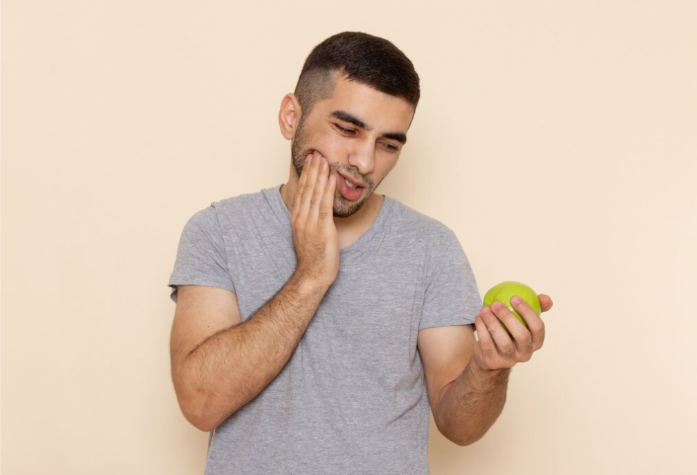
Crunchy raw fruits and vegetables like apples, carrots, and celery act as natural tooth cleaners. Their fibrous texture provides mild mechanical cleaning of tooth surfaces during chewing and stimulates saliva flow. Dairy products such as cheese and milk provide calcium and phosphate that support enamel remineralisation and may help neutralise acids.
At Dana Dental, one of the best dental clinics in Aurora, patients receive individualised dietary guidance as part of their preventive dental care. The practice is conveniently located at 15277 Yonge St Suite 1 and 2, Aurora, ON L4G 1Y3. You can book by calling (647) 494-5006 or emailing info@danadentalaurora.ca.
When to Consider Professional Whitening
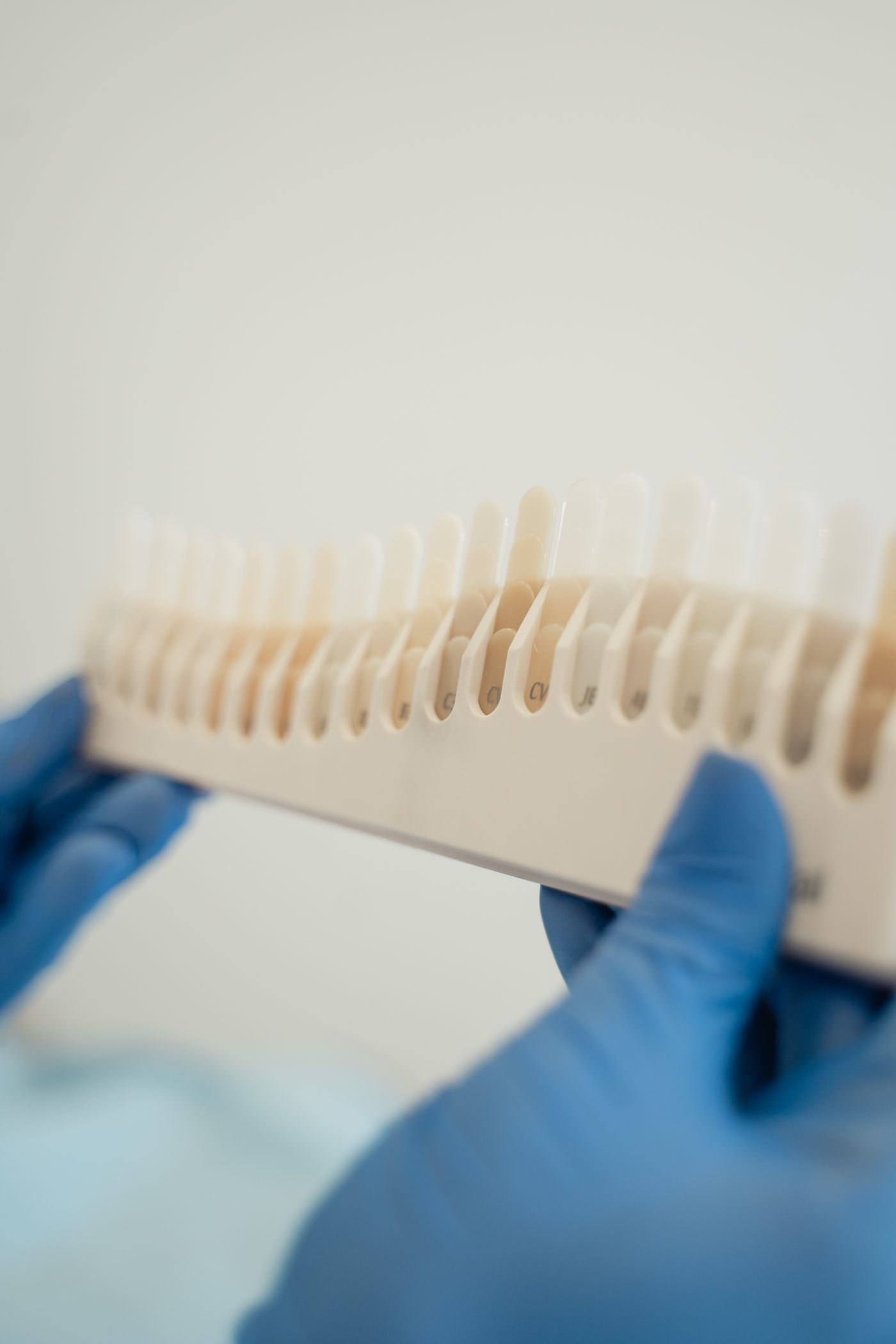
Natural methods are suitable for mild surface staining and maintaining results after professional whitening. For significant discolouration, faster and more reliable results come from professional treatment. In-office whitening systems use higher concentrations of hydrogen peroxide with precise application that protects gum tissue, delivering multiple shades of improvement in a single session.
Take-home whitening kits provided by your dentist use custom-fitted trays and a professionally calibrated peroxide gel. These produce excellent results over a period of one to two weeks. If you are considering Teeth Whitening in Aurora, speaking with your dentist first ensures the treatment is appropriate for your enamel condition and that any existing sensitivity is addressed beforehand.
Frequently Asked Questions
Does activated charcoal whiten teeth?
Activated charcoal is marketed as a natural whitening agent, but current evidence does not strongly support its effectiveness and raises concerns about its abrasiveness. Regular use of charcoal products can erode enamel and wear away the tooth surface over time. Most dental organisations caution against charcoal-based dental products.
Can hydrogen peroxide be used at home for whitening?
Diluted hydrogen peroxide rinses are used by some people for whitening. While hydrogen peroxide is the active ingredient in many professional whitening products, the concentration in at-home use and its effectiveness are not well-calibrated without professional guidance. Overuse can cause gum irritation and enamel sensitivity.
How long do natural whitening methods take to show results?
Natural methods work slowly over weeks to months and produce more subtle results than professional whitening. Surface stain reduction from better brushing, dietary changes, and occasional baking soda use is usually noticeable within four to eight weeks of consistent application.
Why are my teeth yellow despite good hygiene?
Yellow teeth despite good hygiene often reflect intrinsic discolouration from natural dentin colour showing through thinning enamel, which surface hygiene cannot address. Other causes include a history of certain antibiotics taken during tooth development, fluorosis, or old dental restorations. A dental consultation identifies the specific cause.
Are whitening strips safe for everyday use?
Whitening strips should not be used every day on an ongoing basis. Most products recommend use for 14 days followed by a maintenance schedule. Overuse can cause increased tooth sensitivity and potential enamel damage. Follow the product instructions carefully and consult your dentist if you have concerns about sensitivity.
Conclusion
Natural methods for reducing yellow teeth work best for mild surface staining and are most effective when combined with consistent oral hygiene and smart dietary habits. They are not a substitute for professional whitening when meaningful colour change is the goal. Work with your dental team to find the approach that matches your teeth’s specific needs and your aesthetic goals.