Pregnancy is a time of heightened caution about every product and treatment that may affect both mother and baby. When it comes to teeth whitening, most dental professionals advise waiting until after delivery, not because there is definitive evidence of harm, but because there is insufficient safety data on whitening agents in pregnant individuals. If you have questions about what dental treatments are appropriate during your pregnancy, the best starting point is a consultation with a Dental Clinic in Aurora where a professional can guide you based on your specific health picture.
The active ingredients in teeth whitening products, primarily hydrogen peroxide and carbamide peroxide, work by penetrating the enamel and breaking down stain molecules. The question of whether these agents pose a risk to a developing baby through systemic absorption has not been studied sufficiently in human clinical trials. In the absence of clear evidence of safety, the precautionary principle leads dental professionals to recommend deferring elective cosmetic treatments like whitening until after the baby is born.
What Teeth Whitening Involves
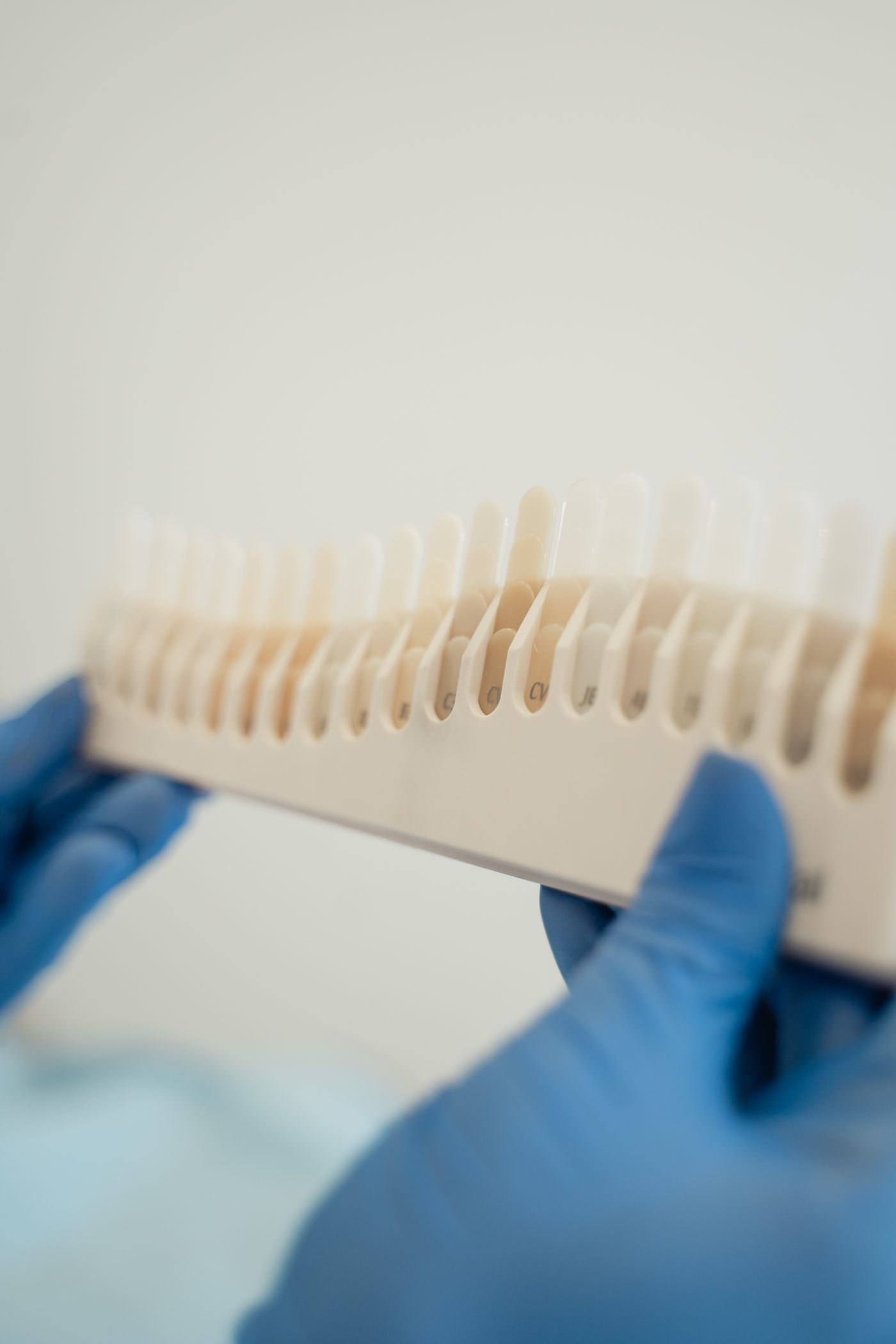
Teeth whitening is a cosmetic dental procedure that uses peroxide-based bleaching agents to lighten tooth discolouration. It is available in professional in-office versions and as at-home products. Professional treatments use higher concentrations of hydrogen peroxide applied to the teeth under clinical supervision, often combined with a special light to accelerate the process. At-home products include whitening strips, gel trays, and whitening toothpastes.
Professional whitening is faster and more predictable in results than at-home options. Patients seeking Dental Care in Aurora have access to both in-office and professionally supervised at-home whitening systems that are calibrated to the individual’s tooth sensitivity and desired outcome. For most non-pregnant adults in good dental health, professional whitening is a safe and well-tolerated treatment.
Why Caution Is Recommended During Pregnancy
The primary reason for deferring whitening during pregnancy is the lack of controlled clinical studies on the effects of peroxide-based bleaching on foetal development. Animal studies using high concentrations have shown potential effects, but these concentrations do not necessarily reflect typical human use. Nevertheless, with no compelling reason to prioritise cosmetic whitening over foetal safety, the conservative recommendation is to wait.
Systemic Absorption Concerns
During professional whitening, some peroxide is absorbed through the gum tissue and oral mucosa into the bloodstream. The body metabolises it quickly, but the question of whether even small amounts could affect a developing baby during critical developmental windows has not been resolved. Tooth sensitivity from whitening can also be more pronounced during pregnancy due to hormonal changes affecting gum tissue, making the procedure more uncomfortable than usual.
Nausea and Gag Reflex
Many pregnant women experience heightened nausea and an increased gag reflex, particularly in the first trimester. Whitening trays placed in the mouth for extended periods may aggravate this discomfort significantly. Even if the peroxide were considered safe, the practical tolerability of the procedure during pregnancy is often reduced, providing additional reason to defer treatment.
Safe Dental Treatments During Pregnancy
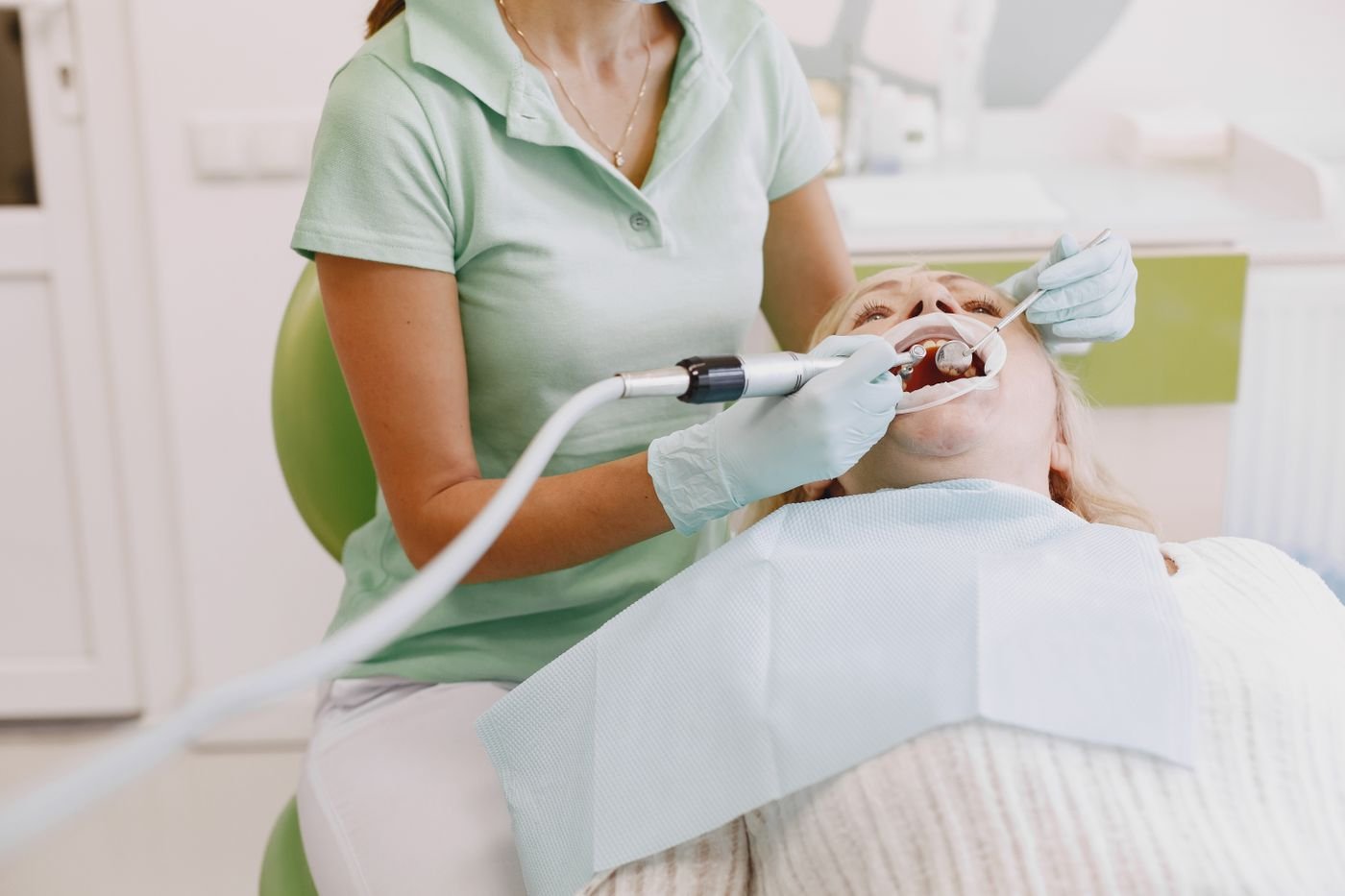
While elective whitening is not recommended, essential dental care during pregnancy is not only safe but strongly encouraged. A Dentist in Aurora can safely perform routine cleanings, fillings to address active decay, and emergency dental treatment during any trimester. Untreated dental infections and advanced gum disease pose real risks to pregnancy outcomes, which makes attending to necessary dental care a priority.
Routine professional cleanings are particularly important during pregnancy because hormonal changes cause pregnancy gingivitis in many women. Left untreated, this can progress to more serious periodontal disease. The second trimester is generally considered the most comfortable and lowest-risk period for dental procedures, although necessary treatment should not be deferred based on trimester if there is an urgent need.
Alternatives to Whitening During Pregnancy
If you would like to improve the appearance of your teeth during pregnancy without bleaching agents, there are some gentler options to consider. Whitening toothpastes that work through mild abrasives or surface-stain removal rather than peroxide are generally considered low risk, though they are also less effective at changing tooth colour. They work primarily by removing surface stains rather than penetrating the enamel.
At Dana Dental, one of the best dental clinics in Aurora, the team can help you understand your options and work with you to develop a plan for professional whitening after your delivery and any breastfeeding period. Dana Dental is located at 15277 Yonge St Suite 1 and 2, Aurora, ON L4G 1Y3. You can reach the practice at (647) 494-5006 or info@danadentalaurora.ca.
Another alternative is to simply focus on maintaining excellent oral hygiene during pregnancy to prevent additional staining. Brushing after meals, limiting staining foods and drinks, and attending professional cleanings keep your smile as bright as possible while avoiding any potential risks from bleaching agents.
What to Expect After Delivery
After delivery and once you have finished breastfeeding, if you choose to breastfeed, professional whitening becomes appropriate again. The same precautionary reasoning that applies during pregnancy also extends through the breastfeeding period, as peroxide products ingested by nursing mothers could theoretically be present in small amounts in breast milk.
Post-partum is a great time to schedule a comprehensive dental appointment that includes a full checkup, professional cleaning, and discussion of cosmetic goals including Teeth Whitening in Aurora. By this stage, any pregnancy-related gum changes will have resolved, giving you a stable baseline from which to begin a whitening treatment and achieve the best possible results.
Frequently Asked Questions
Can I use whitening toothpaste while pregnant?
Whitening toothpastes that rely on mild abrasives rather than peroxide are generally considered a lower-risk option during pregnancy compared to bleaching products. They are less effective at changing tooth colour but can help maintain surface-stain removal. Check with your dentist before using any new dental product during pregnancy.
Is professional whitening safe in the second trimester?
Most dental professionals recommend deferring professional whitening throughout pregnancy, including the second trimester, due to insufficient safety data on peroxide in pregnancy. The second trimester is the preferred time for necessary dental procedures, but elective cosmetic treatments like whitening are generally postponed until after delivery.
Will my teeth naturally become discoloured during pregnancy?
Pregnancy does not directly cause tooth discolouration, but some pregnant women experience increased enamel erosion from morning sickness, which can make teeth appear slightly more yellow as dentin shows through. Rinsing with water after vomiting rather than brushing immediately helps protect enamel during bouts of nausea.
Can I get a teeth cleaning while pregnant?
Yes, professional dental cleanings are safe and recommended throughout pregnancy. Pregnancy gingivitis is common, making cleanings particularly important during this time. Inform your dental hygienist that you are pregnant so they can accommodate your comfort and take any necessary precautions.
How long should I wait after giving birth before whitening my teeth?
Most professionals recommend waiting until you have finished breastfeeding before undergoing teeth whitening. If you are not breastfeeding, waiting a few weeks after delivery for your body to stabilise hormonally is a reasonable approach. Discuss the timing with your dentist at your first post-partum appointment.
Conclusion
Teeth whitening is best deferred during pregnancy out of caution, despite the lack of definitive evidence of harm. The priority during pregnancy is ensuring your oral health through safe routine care, treating active dental issues promptly, and protecting your gum health. Cosmetic whitening can safely be revisited with your dental team after delivery.