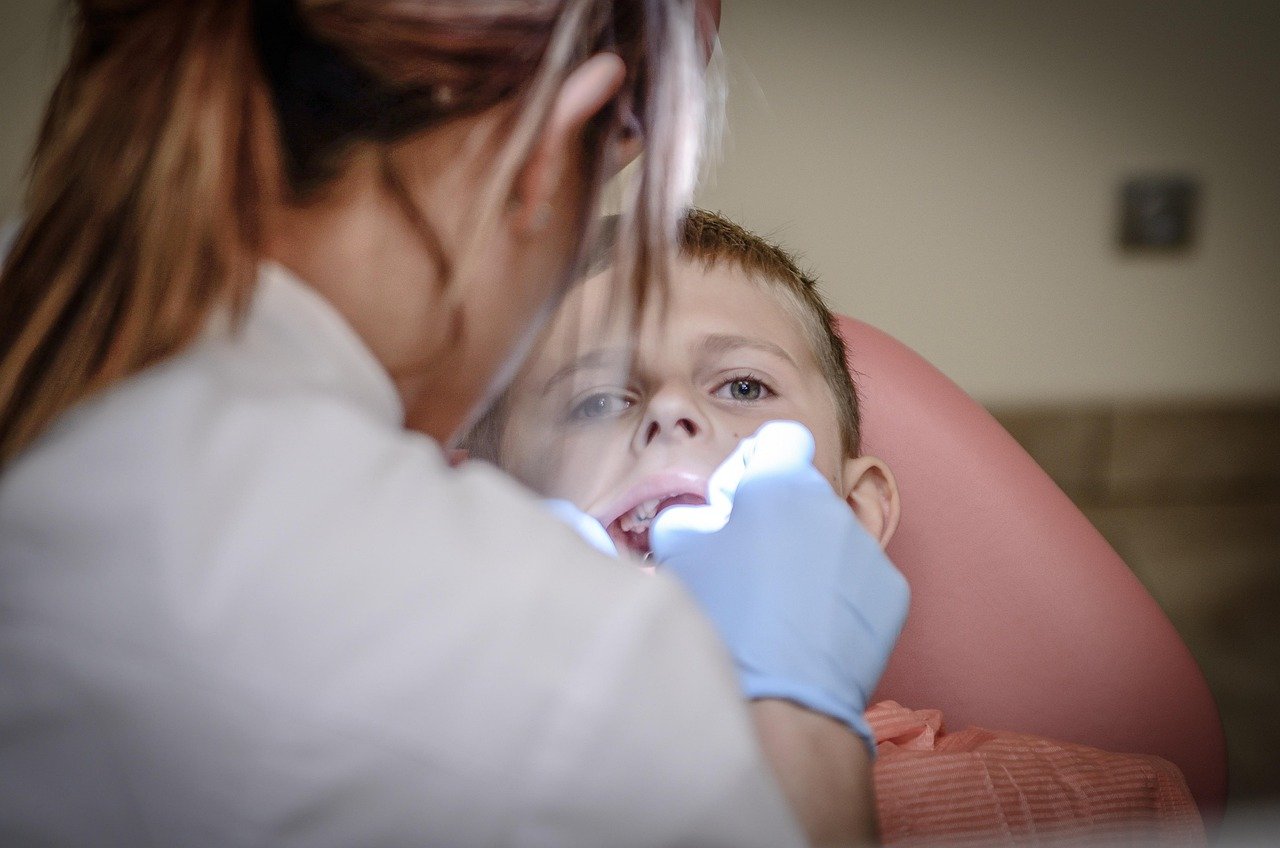
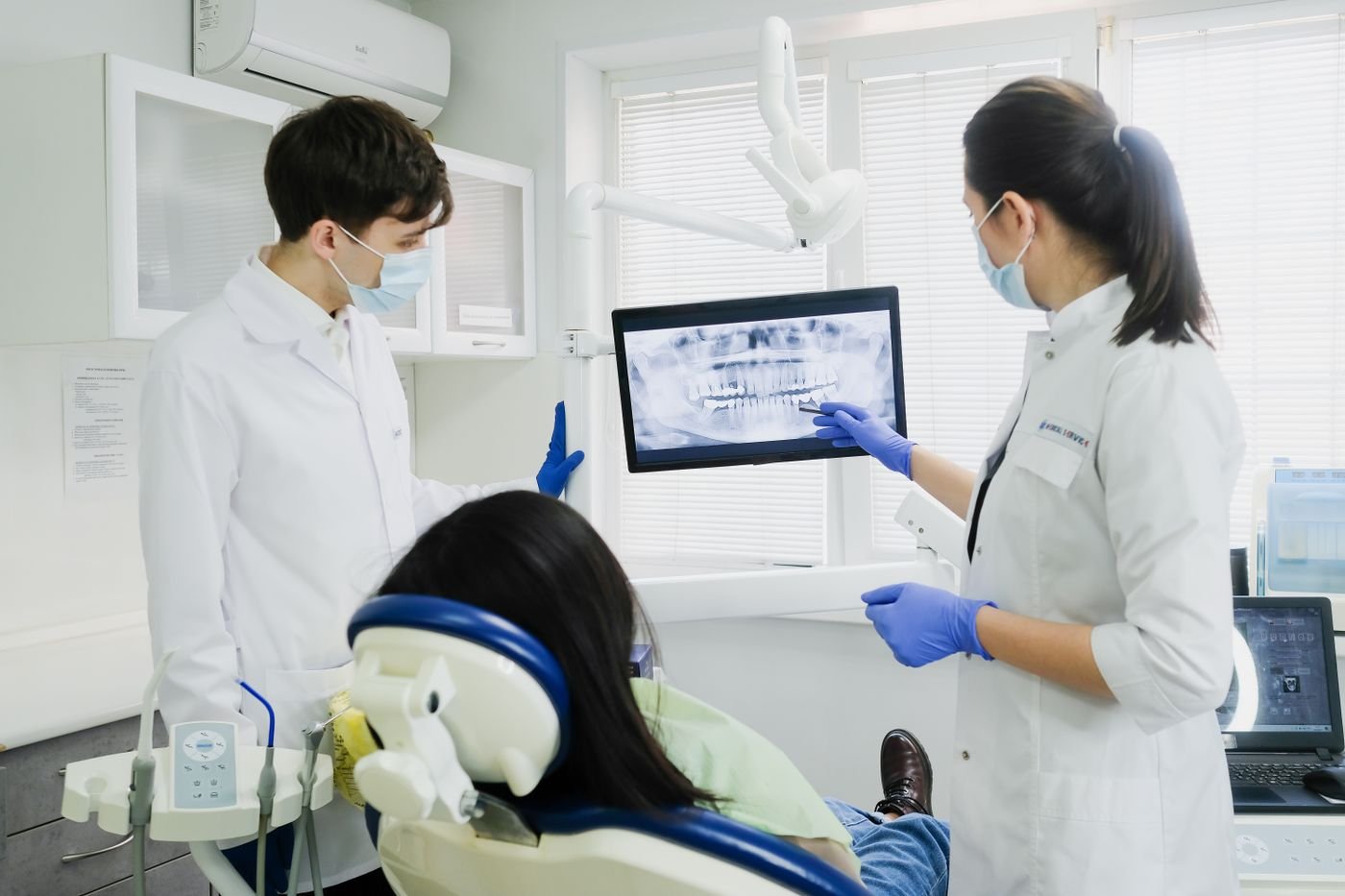
A first visit is mostly looking and talking. Expect an hour covering your medical history, a full examination, X-rays, gum measurements, an oral cancer screening and a conversation about what you want. Treatment usually happens at a later appointment.
Nothing about it is urgent or uncomfortable, which is worth saying because fear of the unknown keeps a lot of people away for years. Booking with a dental clinic in Aurora that explains each step as it happens makes the difference for most nervous patients.
And if it’s been 5 or 10 years, you’re in better company than you think.
Dentists see this constantly and nobody is going to lecture you. The appointment is about establishing where things stand, and our new patient page covers what to bring.
What to bring
- Photo ID and your insurance card, or your CDCP details if you’re covered through the Canadian Dental Care Plan
- A list of medications and supplements, including anything herbal, since several affect bleeding and dry mouth
- Any medical conditions, particularly diabetes, heart conditions, or recent surgery
- Recent X-rays from a previous dentist, or their contact details so we can request them
- Your questions, written down if that helps
Photographing your medication boxes on your phone covers most of this in one go. Arriving 10 minutes early gives you time for the forms without feeling rushed.
The appointment, step by step
- Medical history review. A conversation, not a form-filling exercise. Conditions and medications change what’s safe and what’s recommended.
- X-rays. Usually bitewings to see between teeth, sometimes a panoramic view. Decay between teeth is invisible without them.
- Examination of every tooth, checking for decay, cracks, wear and failing restorations.
- Gum assessment. A small probe measures the space between gum and tooth at several points. Under 3mm is healthy.
- Oral cancer screening. A 2-minute check of your tongue, cheeks, palate, throat and the lymph nodes in your neck.
- Bite and jaw joint check, including wear patterns that suggest grinding.
- Discussion. What was found, what’s urgent, what can wait, and what it’s likely to involve.
A cleaning may happen the same day or at a follow-up, depending on how much time is needed. If your gums turn out to need deeper work, that gets its own appointment.
Why X-rays at the first visit
Because roughly half of what a dentist needs to see is invisible to the eye. Decay between teeth, infection at a root tip, bone levels, impacted wisdom teeth and cysts all show on film and nowhere else.
Modern digital X-rays use a small fraction of the radiation older film required. A set of bitewings is roughly comparable to a few days of ordinary background radiation.
Tell the team if you’re pregnant or might be, and if you’ve had recent X-rays elsewhere, since those can often be requested instead of retaking them. Routine general dentistry sets your future X-ray interval based on your individual risk rather than a fixed schedule.
If you’re anxious about going
Say so when you book. It changes the appointment meaningfully, and it’s a common request rather than an awkward one.
Practical things that help: booking a morning slot so you’re not dreading it all day, agreeing a stop signal before anything starts, asking for an examination only with no treatment on the first visit, and bringing headphones.
For stronger anxiety, sedation dentistry is available and is discussed properly rather than offered as a default.
You can also book a consultation with nothing done at all. Sitting in the chair, meeting the team and leaving again is a legitimate first appointment.
Bringing children along
A child’s first visit should happen by their first birthday, or within 6 months of the first tooth appearing.
Early appointments are short and mostly about familiarity. A quick look, a count of the teeth, a chat with parents about bottles, brushing and fluoride.
Booking the whole family together saves trips, and children who watch a parent go first often settle faster. Our pediatric dentistry appointments are paced for that.
One request: avoid telling a child it “won’t hurt.” It plants the idea. “They’re going to count your teeth” works better.
What happens afterwards
| Finding | Typical next step | Timing |
|---|---|---|
| Everything healthy | Cleaning, then routine recall | 6 to 12 months |
| Early decay | Fillings, or monitoring with fluoride | Within weeks |
| Gum inflammation | Cleaning plus technique coaching | Soon |
| Deeper gum pockets | Treatment below the gumline | Separate appointments |
| Infection or abscess | Root canal or extraction | Prompt |
| Cosmetic concerns | Separate planning consultation | When you’re ready |
You should leave with a written plan showing what’s needed, in what order, and what it costs. Nothing needs deciding in the chair.
Booking in Aurora
Dana Dental Aurora is at 15277 Yonge St., Suite 1 & 2, Aurora, ON, with a 5.0 Google rating from more than 485 patient reviews. We’re accepting new patients and CDCP patients, and the New Patient Special introductory package applies to first visits.
Services run from general dentistry, cleanings and fillings through to caps and crowns, implants, bridges, root canal therapy, wisdom teeth removal, emergency care, pediatric dentistry, cosmetic work, bonding, veneers, whitening, mouthguards and nightguards.
Evening and weekend appointments are available, and CareCredit financing can spread larger treatment into monthly installments if the plan turns out to be bigger than expected. Call +1 (647) 494-5006 or email info@danadentalaurora.ca.
All dentists here are licensed and registered with the Royal College of Dental Surgeons of Ontario. Anything described here is general guidance, and your own plan comes from your examination.
Frequently asked questions
How long does a first appointment take?
Usually 45 to 60 minutes for the examination, X-rays and discussion. Add another 30 to 45 minutes if a cleaning is done the same day. Longer appointments are booked when more is needed.
Will I be judged for not going in years?
No. Long gaps are extremely common and dental teams see them every week. The appointment is about finding out where you are now and agreeing a sensible order for sorting it.
Can I get a cleaning on the first visit?
Often yes, if time allows and your gums are healthy. Where heavy deposits or deeper pockets are found, cleaning is split into dedicated appointments so it can be done thoroughly rather than rushed.
What if I can’t afford everything on the plan?
Say so. Plans are sequenced by priority, so urgent problems are handled first and the rest can be staged over months. Financing options exist to spread larger treatment into manageable payments.
Do I need to stop any medication beforehand?
No. Never stop prescribed medication for a dental appointment without instruction from the doctor who prescribed it. Just bring the full list so your care can be planned around it.
What to expect
A first visit is an assessment rather than a treatment session, so expect an hour of examining and explaining. Bring your medications list and insurance details, and mention any anxiety when you book. You’ll leave with a written plan and no obligation to start it that day.