If an adult tooth gets knocked out, pick it up by the crown (the white part), rinse it briefly without scrubbing, and gently push it back into the socket if you can. If not, keep it in milk or inside your cheek, and get to a dentist within 30 to 60 minutes. A knocked-out adult tooth is a true dental emergency, and fast action gives the best chance of saving it. A knocked-out baby tooth shouldn’t be put back in, but it still needs to be checked by emergency dentistry care.
If you’re ever in this situation in town, call a dentist in Aurora right away while you protect the tooth. At Dana Dental Aurora, we prioritize dental trauma and do our best to see you as fast as possible.
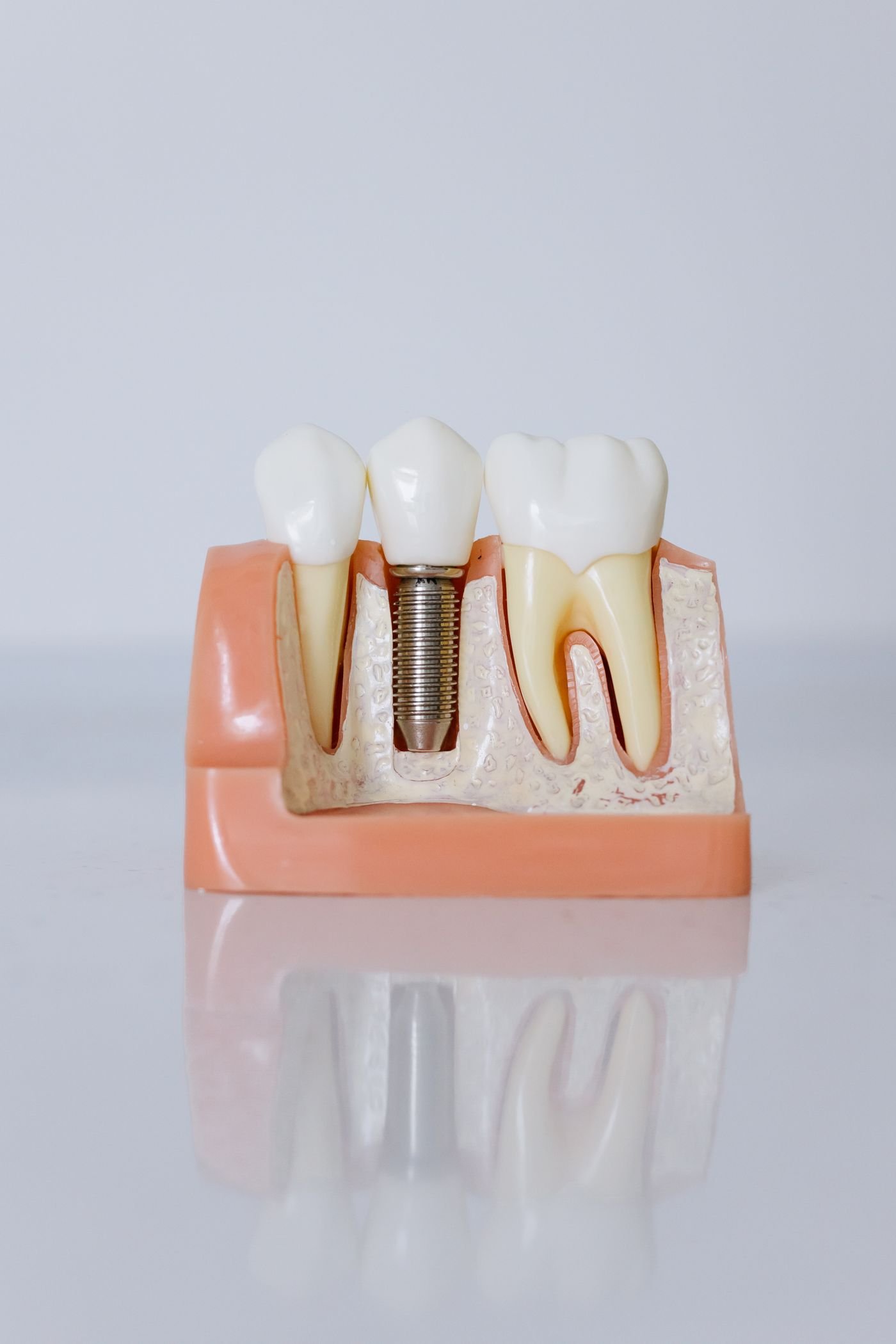
Prevention matters too. A custom mouthguard is the simplest way to protect teeth in sports. And if a tooth can’t be saved, dental implants offer a natural-looking, long-term replacement.
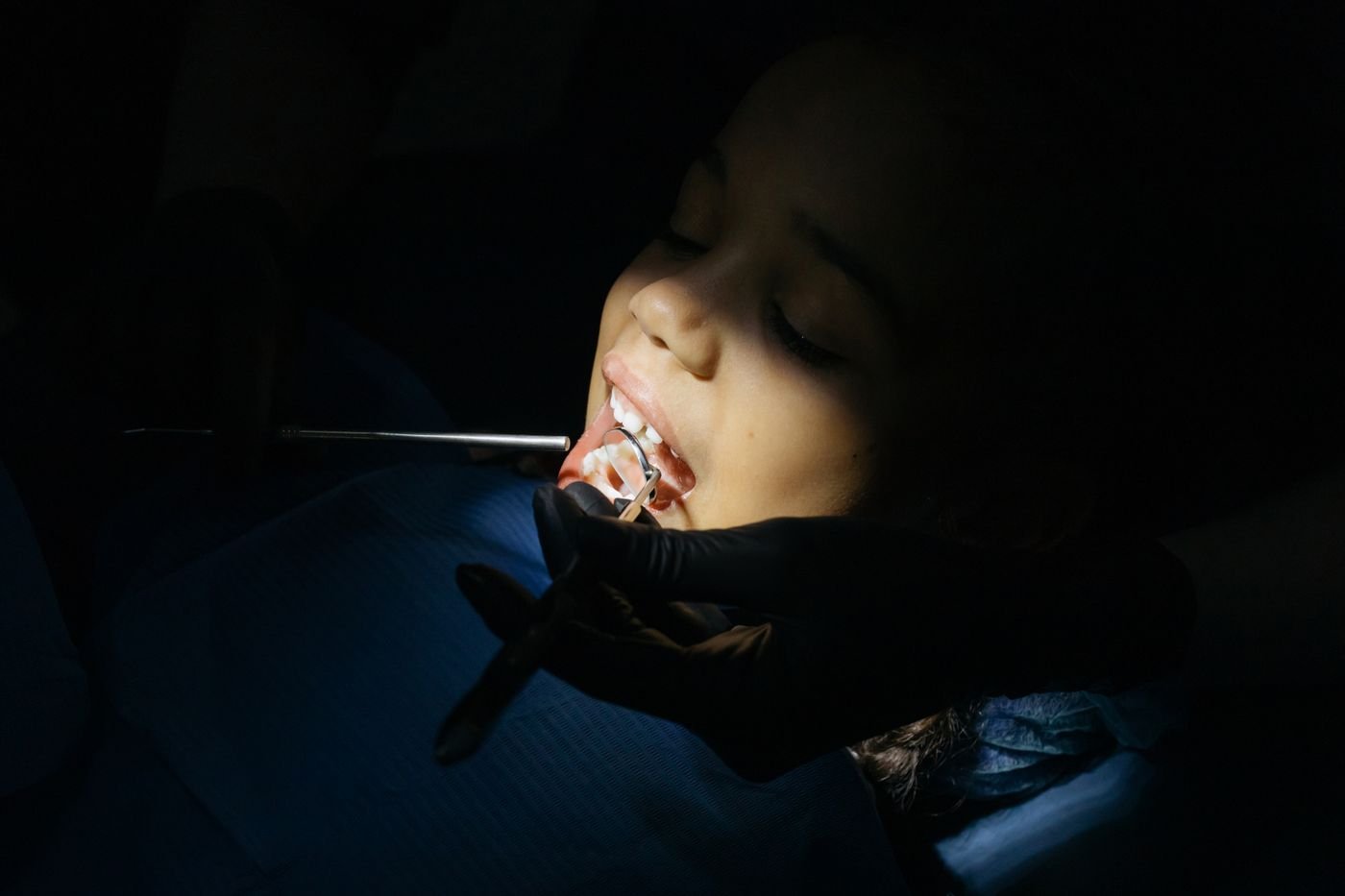
Kids lose teeth to accidents often, which is why our pediatric dentistry team is used to calming scared children and worried parents at the same time.
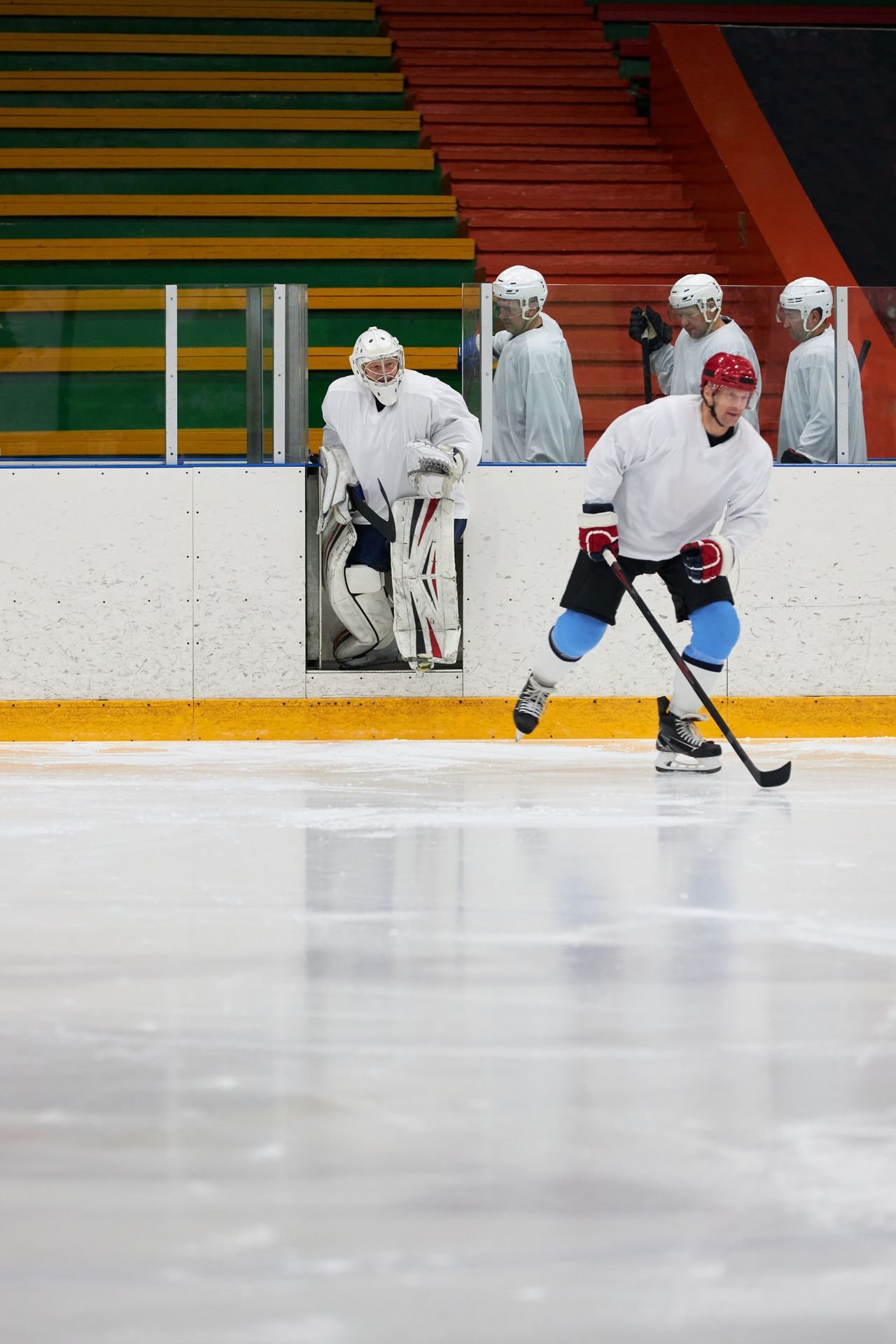
It happens in a split second. A hockey stick, a fall off a bike, a basketball to the face, or a slip in the bathroom. The minutes right after matter more than anything that happens later, so knowing what to do ahead of time is worth it.
What is a knocked-out tooth?
A knocked-out tooth (avulsed tooth) is a tooth that has been completely displaced from its socket, including the root, usually because of trauma. The cells on the root surface (the periodontal ligament) begin dying within minutes once they dry out. Keeping those cells alive is what makes reattachment possible.
What to do in the first 30 minutes (step by step)
- Stay calm and find the tooth. Check the ground, mouth guard, or clothing.
- Pick it up by the crown, the chewing or biting part. Don’t touch the root.
- If it’s dirty, rinse it briefly (about 10 seconds) under cold running water or with milk. Don’t scrub, use soap, or wrap it in tissue.
- Try to replant it. Gently push it back into the socket, facing the right way, and bite softly on a clean cloth to hold it.
- If you can’t replant it, store it in cold milk, a tooth preservation kit, saline, or inside the cheek (adults only, not swallowing it). Plain water is a last resort.
- Call a dentist immediately and say a tooth has been knocked out.
- Get there within 30 to 60 minutes if at all possible.
Go to the hospital emergency department first if: the person lost consciousness, has a head injury, vomiting, confusion, a broken jaw, heavy bleeding that won’t stop with pressure, or trouble breathing. Those injuries come before the tooth. This article is general information and doesn’t replace professional emergency care.
How to store a knocked-out tooth
| Storage option | How good is it? |
|---|---|
| Back in the socket | Best |
| Tooth preservation kit (such as Save-a-Tooth) | Excellent |
| Cold milk | Very good |
| Saline solution | Good |
| Inside the cheek (adults only) | Good, if no risk of swallowing |
| Plain water | Poor; use only if nothing else |
| Dry in a tissue or pocket | Very poor; root cells die quickly |
Why time matters so much
Teeth replanted within about 30 minutes have the best chance of reattaching. After 60 minutes of dry time, the root cells are usually dead, and the tooth may still be replanted but is more likely to fuse with the bone or be gradually reabsorbed over time.
Even then, a replanted tooth can sometimes serve for years, holding space and preserving bone until a long-term replacement is planned.
What should you do if a baby tooth is knocked out?
- Don’t put it back in. Replanting a baby tooth can damage the adult tooth developing underneath.
- Have your child bite on gauze to stop bleeding.
- Use a cold compress for swelling.
- Call your dentist the same day to check for broken pieces and injury to other teeth.
- Watch for a darkened tooth, swelling or a gum bump in the weeks after.
Not sure if it’s a baby or adult tooth? Children usually start losing front baby teeth around age 6 or 7. If you can’t tell, store it in milk and call the dentist right away. They’ll decide.
What happens at the dental office? (step by step)
- Assessment: check for head injury, other broken teeth and jaw fractures.
- X-rays: look at the socket, nearby teeth and bone.
- Cleaning: rinse the socket and the tooth gently.
- Replanting: the tooth is placed back in the socket if not already done.
- Splinting: the tooth is held to neighbouring teeth with a flexible splint for about 2 weeks.
- Medication: antibiotics and a tetanus check may be recommended.
- Root canal: for adult teeth with fully formed roots, usually started within 1 to 2 weeks.
- Follow-up: X-rays and checks over months and years to monitor healing.
What if the tooth can’t be saved?
| Option | Pros | Notes |
|---|---|---|
| Dental implant | Natural look and feel, preserves bone, doesn’t affect neighbouring teeth | Usually waits until jaw growth is complete in teens |
| Dental bridge | Fixed, faster than an implant | Neighbouring teeth are usually shaped for crowns |
| Bonded (Maryland) bridge | Minimal preparation of nearby teeth | Common temporary or long-term option for young patients |
| Removable partial denture | Quick and non-invasive | Can feel bulkier |
Other common tooth injuries
Loosened tooth
The tooth is still in the socket but wobbly or pushed out of line. Don’t try to wiggle it. Bite gently on a cloth and see a dentist the same day; it may need splinting.
Tooth pushed up into the gum (intrusion)
The tooth looks shorter because it’s been driven into the bone. This is common in toddlers and needs prompt assessment.
Chipped or broken tooth
Save any fragments in milk or water. Small chips can often be bonded back or rebuilt with composite. Larger breaks may need a crown or root canal.
Cut lips, tongue or gums
Rinse gently and apply pressure with clean gauze for 10 to 15 minutes. Deep cuts or bleeding that won’t stop need medical care.
Signs a replanted or injured tooth needs attention
- The tooth turns grey, brown or darker than its neighbours
- Swelling or a bump appears on the gum
- Pain returns weeks after the injury
- The tooth becomes loose again
- Sensitivity to biting or temperature that doesn’t fade
Problems can show up months later, which is why follow-up visits after dental trauma are so important, even when everything feels fine.
What to keep in a dental first-aid kit
- A small container with a lid (for storing a tooth in milk)
- A tooth preservation solution, if available
- Clean gauze pads
- A cold pack
- Saline solution
- Your dentist’s phone number saved in your phone
Keeping one in the hockey bag or the car means you’re not scrambling in the moment.
Myths about knocked-out teeth
“Clean the tooth thoroughly before putting it back.”
Scrubbing destroys the delicate root cells needed for reattachment. A quick rinse is all it needs.
“Wrap it in a tissue to keep it safe.”
A dry tooth loses its chances fast. Always keep it wet, preferably in milk.
“Baby teeth should be put back in too.”
Replanting baby teeth can harm the adult tooth below. Bring the child and the tooth to the dentist instead.
“If it’s back in and doesn’t hurt, it’s fine.”
Replanted teeth need splinting, often a root canal, and long-term monitoring to catch problems.
A real-world example
A 15-year-old Aurora hockey player lost an upper front tooth after a collision. His coach rinsed it with water for a few seconds and put it in a cup of milk from the arena snack bar. His parents called us on the way, and he was in the chair within 40 minutes.
We replanted and splinted the tooth, started a root canal 10 days later, and followed up over the next year. The tooth stayed firm. He now wears a custom mouthguard every game.
How do custom mouthguards compare with store-bought ones?
Store-bought guards are better than nothing, but they’re often bulky, loose and uncomfortable, so athletes take them out. A custom mouthguard is made from an impression of your teeth, stays in place without clenching, and lets you breathe and talk more easily. Players who find their guard comfortable actually wear it, and that’s what prevents injuries. Kids may need a new one every season or two as their teeth change.
How to prevent knocked-out teeth
- Wear a mouthguard for hockey, football, basketball, soccer, martial arts and skateboarding
- Choose a custom mouthguard for the best fit and comfort
- Use car seats and seat belts properly
- Childproof stairs and sharp furniture corners for toddlers
- Don’t chew on ice, pens or hard objects
- Treat teeth that stick out with orthodontics if recommended, since they’re more likely to be injured
Emergency dental care at Dana Dental Aurora
If you need an Emergency Dental Clinic in Aurora, Dana Dental Aurora is one of the most trusted clinics in the area, with a 5.0 Google rating from over 485 patient reviews. We accept new patients and CDCP (Canadian Dental Care Plan) patients, and offer a New Patient Special introductory package.
All care is provided by licensed dental professionals registered with the Royal College of Dental Surgeons of Ontario (RCDSO). For unexpected treatment like root canals, implants or bridges after an injury, CareCredit financing lets you break costs into affordable monthly installments.
Our services include general dentistry, caps and crowns, dental implants, emergency dentistry, wisdom teeth removal, fillings, pediatric dentistry, root canals, sedation, cosmetic dentistry, bonding, veneers, teeth whitening, bridges, mouthguards and nightguards.
We’re at 15277 Yonge St., Suite 1 & 2, Aurora, ON. Call +1 (647) 494-5006 or email info@danadentalaurora.ca. Flexible evening and weekend scheduling means we can often see dental emergencies quickly, when timing matters most.
Frequently asked questions
How long can a knocked-out tooth survive outside the mouth?
The best chance is within 30 minutes, and ideally under 60 minutes, if the tooth is kept moist in milk, saliva or a preservation kit. A tooth kept dry for over an hour is much less likely to reattach.
Can I put a knocked-out tooth back in myself?
Yes, for adult teeth. Hold it by the crown, rinse briefly, and gently push it into the socket facing the right way. Bite on a cloth and get to a dentist immediately. Never replant a baby tooth.
Is milk really the best way to store a tooth?
Cold milk is one of the best easily available options because it helps keep root cells alive. A tooth preservation kit is even better if you have one.
Will a replanted tooth need a root canal?
Most adult teeth with fully formed roots need a root canal within 1 to 2 weeks after replanting. Young teens with developing roots may be monitored instead.
What should I do if part of the tooth broke off instead?
Save any pieces in milk or water, rinse your mouth, apply a cold compress, and call your dentist. Broken teeth can often be repaired with bonding, crowns or other treatment.
Conclusion
If an adult tooth is knocked out, handle it by the crown, rinse it briefly, replant it or keep it in milk, and see a dentist within 30 to 60 minutes. Never replant a baby tooth, but get it checked the same day. A mouthguard is the easiest way to prevent this from happening at all.