
A tooth throbs at night mainly because lying down sends more blood to your head, which raises pressure inside an already inflamed tooth. Fewer distractions and night-time grinding make it feel worse too. Occasional mild night aching can come from sinus pressure or clenching, but a deep, pulsing pain that wakes you up usually means the nerve is inflamed or infected. That’s serious and won’t settle on its own, so it’s worth calling for emergency dentistry the next morning, or sooner if you have swelling.
If you’re reading this at 2 a.m. with your cheek on a cold pack, you’re in good company. Night-time toothache is one of the most common reasons people call a dental office first thing in the morning.
The pulse you feel is real. Inside each tooth is a small chamber holding the pulp, a bundle of nerves and blood vessels. When it’s inflamed, it swells, but the hard walls of the tooth give it nowhere to go. Each heartbeat pushes against that pressure. Very often the fix is root canal therapy, which removes the inflamed tissue and ends the throbbing.
Not every night ache means a root canal, though. A deep cavity caught early may only need one of the dental fillings to calm the tooth down. And if the pain is more of a dull, all-over ache in your jaw when you wake up, clenching may be the cause, and custom nightguards can stop it.
Whatever the cause, the first step is finding out which tooth and why. You can request an appointment online, and if you’re nearby, the clinic is easy to locate on Google Maps at 15277 Yonge St. in Aurora.
Why is tooth pain worse at night?
Night-time tooth pain is usually the same problem you had during the day, amplified by your body position, quieter surroundings and sleep habits. Here’s what’s going on.
- Blood flow: lying flat increases blood pressure in the head. An inflamed pulp feels that extra pressure as throbbing.
- No distractions: during the day, work and noise keep your brain busy. At night, pain signals get all the attention.
- Grinding and clenching: many people clench in their sleep, loading a sore tooth over and over.
- Food and drink: a sweet snack or a cold drink before bed can trigger a sensitive tooth.
- Pain relief wearing off: a dose taken at dinner may run out around midnight.
- Sinus drainage: congestion pools when you lie down, adding pressure to upper back teeth.
What causes a tooth to throb?
Irreversible pulpitis
The nerve is inflamed beyond the point of recovery, usually from deep decay or a crack. Classic signs: spontaneous throbbing, pain that lingers after hot or cold, and pain that wakes you. It typically needs a root canal or extraction.
Tooth abscess
Infection has spread past the root tip into the bone. The tooth may feel “high” and very tender to bite on, and the gum or face may swell. You might get a bad taste if it drains.
Deep cavity
Decay close to the nerve can cause pain that builds through the evening, especially after sweets.
Cracked tooth
A crack can let bacteria reach the pulp. Pain on biting comes first, then throbbing if the nerve gets involved.
Recent dental work
A deep filling or crown can irritate the nerve for a few days. Mild throbbing that steadily improves is often normal. Throbbing that’s getting worse needs a check.
Wisdom tooth infection
A partly erupted wisdom tooth can trap food and bacteria under the gum flap, causing a throbbing ache at the back of the jaw.
Grinding (bruxism)
Usually feels like a dull ache in several teeth and jaw muscles in the morning, rather than one tooth pulsing.
Sinus pressure
A dull ache in several upper back teeth, often both sides, worse when bending or lying down, with congestion.
How can you tell how serious it is?
| What you’re feeling | Likely cause | How soon to be seen |
|---|---|---|
| Brief sharp pain with cold, stops fast | Sensitivity or small cavity | Next routine visit or within a couple of weeks |
| Ache with cold or heat that lingers | Inflamed nerve | Within a few days |
| Throbbing that wakes you at night | Irreversible pulpitis or abscess | Next day |
| Throbbing plus swelling, bad taste or fever | Spreading infection | Same day |
| Swelling affecting breathing or swallowing | Serious infection | Emergency department now |
What can you do tonight to ease the throbbing?
- Raise your head. Sleep propped up on 2 pillows to reduce blood pressure in the tooth.
- Take over-the-counter pain relief as the label directs, if it’s safe for you. Many dentists suggest ibuprofen for dental pain because it reduces inflammation. Check with a pharmacist if you have health conditions or take other medicines.
- Use a cold compress on your cheek for 15 minutes on, 15 minutes off.
- Rinse with warm salt water to clean the area and soothe the gum.
- Floss gently around the tooth in case food is trapped.
- Avoid triggers: very hot, cold or sugary foods and drinks.
- Don’t chew on that side.
What happens at an emergency visit for a throbbing tooth?
- Phone triage. Questions about swelling, fever and pain level so urgent cases are prioritized.
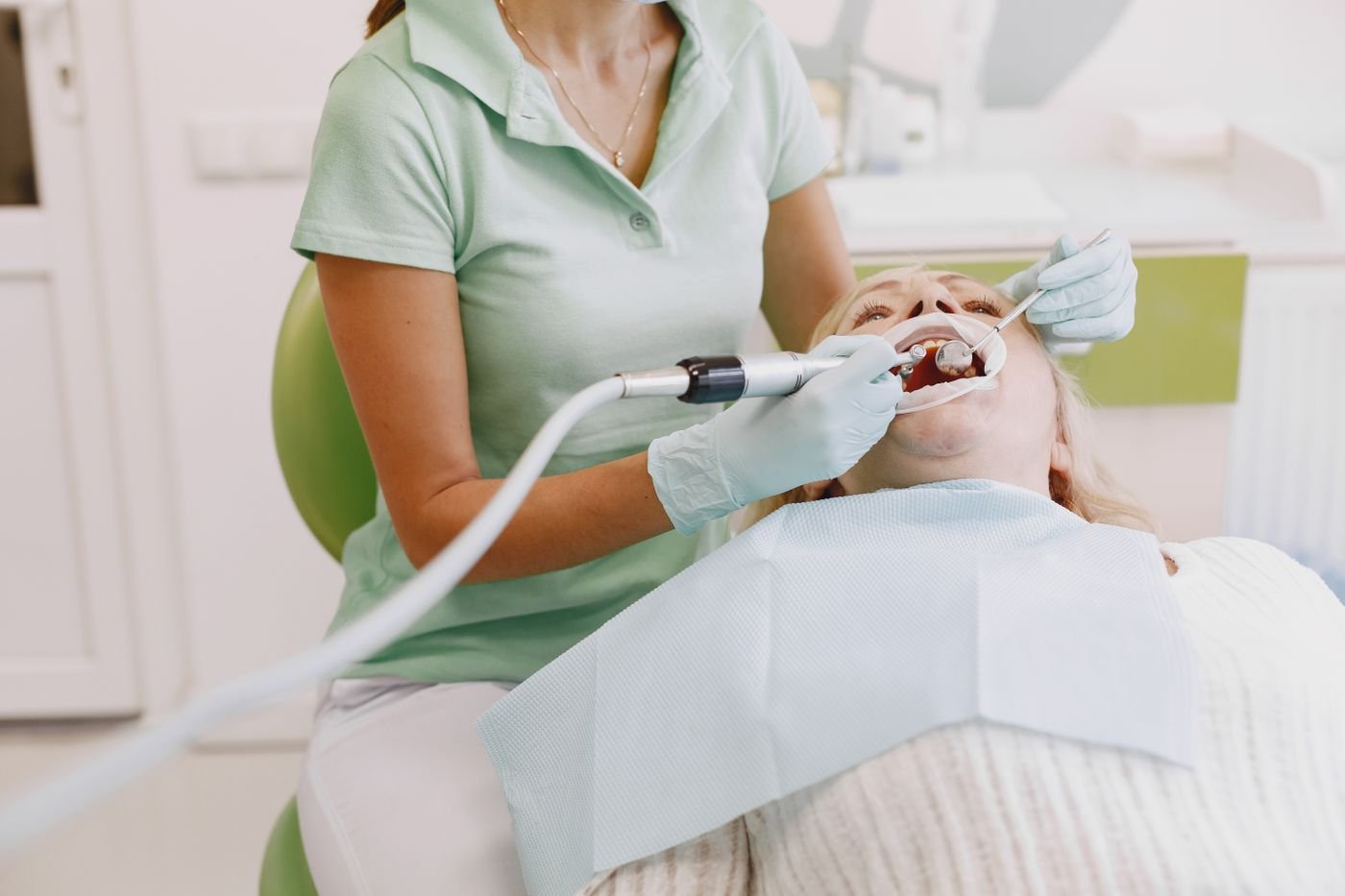
- Exam. The dentist checks teeth, gums, bite and any swelling.
- Tests. Cold, tapping and biting tests pinpoint the problem tooth.
- Digital X-ray. Shows decay, cracks, bone loss and infection at the root tip.
- Diagnosis. You’ll hear what’s wrong and your options in plain language.
- Relief. This might mean starting a root canal to release pressure, draining an abscess, placing a soothing filling or, if needed, removing the tooth.
- Plan. Next steps such as completing the root canal and placing a crown, plus aftercare.
Root canal or extraction: which is better for a throbbing tooth?
| Root canal therapy | Extraction | |
|---|---|---|
| Keeps your natural tooth | Yes | No |
| Relieves throbbing | Yes, usually right away | Yes |
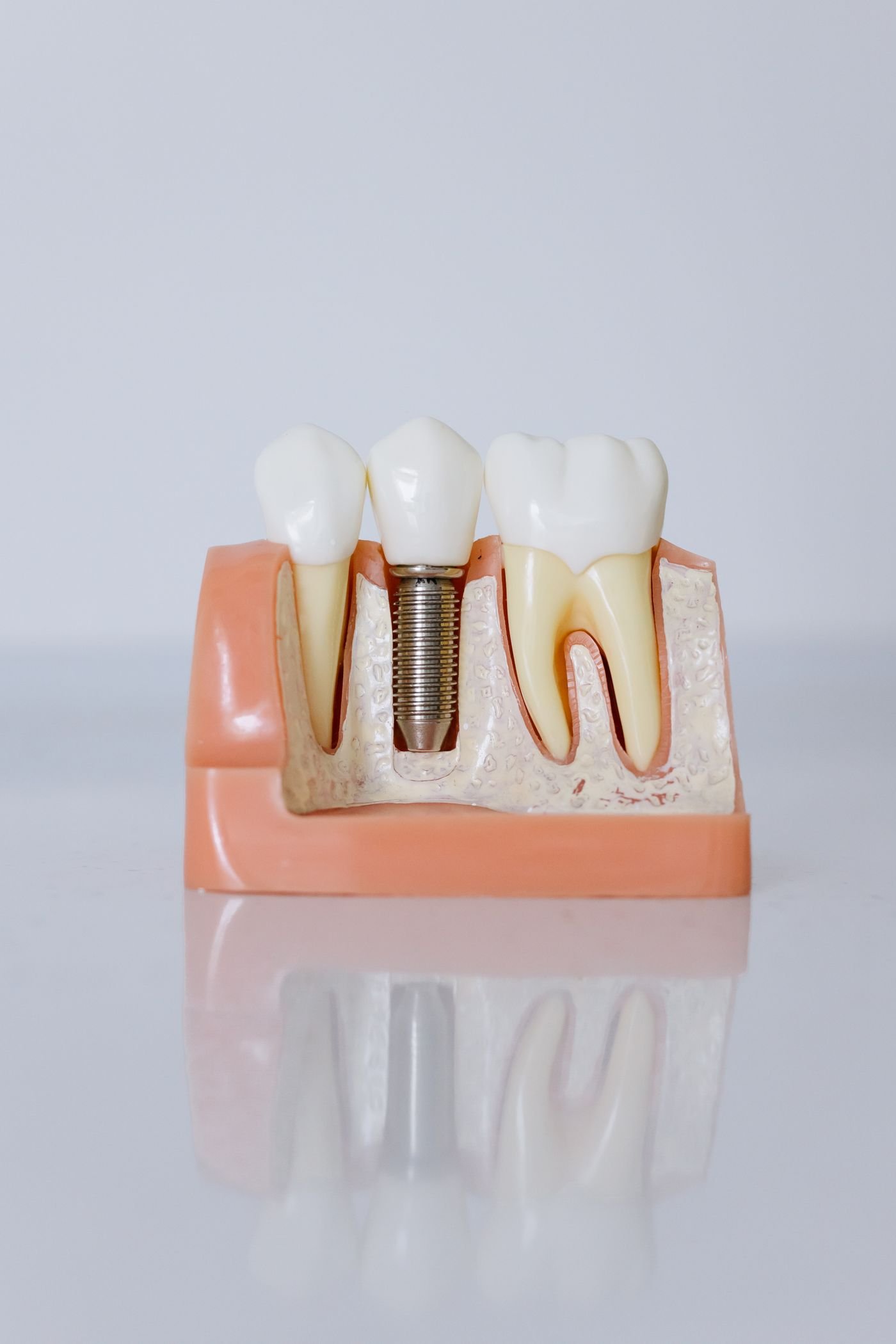
| Follow-up needed | Usually a crown | Replacement with an implant or bridge to prevent shifting |
| Best for | Restorable teeth with healthy gums | Teeth that are cracked to the root or too broken down |
Most dentists will try to save the tooth when it’s realistic. A natural tooth with a crown often lasts for decades.
Myths about night-time toothaches
- “If the pain stops, the problem is gone.” A nerve that dies can stop hurting while infection keeps growing.
- “Antibiotics will fix it.” They don’t reach the source inside the tooth. Treatment does.
- “Root canals are agony.” With modern anaesthetic, most patients say it feels like a long filling. The throbbing is the painful part. Treatment ends it.
- “I’m too anxious to be treated.” Sedation dentistry options exist for exactly this reason.
What do these situations look like in real life?
Common mistakes people make
- Waiting for the throbbing to go away by itself
- Taking more pain medication than the label allows
- Assuming it’s “just sinus” without checking
- Skipping the follow-up crown after a root canal on a back tooth
- Putting off care because of cost or anxiety, letting a simple fix become a complex one
How can you prevent night-time toothaches?
- Brush twice a day with fluoride toothpaste, including right before bed.
- Clean between your teeth every day.
- Skip sugary snacks and drinks after brushing at night.
- Book regular cleanings and exams so decay is caught early.
- Wear a nightguard if you clench or grind.
- Get cracked or chipped teeth checked promptly.
Can a toothache at night be something other than a tooth?
Sometimes. A few conditions mimic tooth pain, and a careful exam rules them out.
- Ear infections can cause pain that spreads to the back teeth and jaw.
- TMJ disorders cause aching in the jaw joint and muscles, often worse in the morning or after clenching.
- Trigeminal neuralgia causes brief, electric-shock pains in the face, sometimes triggered by touch.
- Heart-related pain can, rarely, be felt in the lower jaw, especially with chest pressure, shortness of breath or sweating. That needs emergency medical care immediately.
If X-rays and tests show healthy teeth, your dentist will point you to the right doctor rather than treating a tooth that isn’t the problem.
Does throbbing mean the tooth can’t be saved?
Usually it can still be saved. Throbbing tells you the nerve is in trouble, and the nerve is exactly what root canal therapy removes. The outer tooth, roots and supporting bone often stay healthy. With a crown on top, that tooth can keep chewing for many years.
The cases that can’t be saved tend to be the ones left too long, where decay has destroyed too much tooth or a crack has split the root. That’s the real reason not to wait.
Is a dentist available when tooth pain can’t wait?
Choose a dentist registered with the Royal College of Dental Surgeons of Ontario (RCDSO). Registration means they meet Ontario’s standards for training, infection control and safe care, which matters most when you need fast, accurate treatment.
Dana Dental Aurora is one of the most trusted names for anyone looking for an emergency dental clinic in Aurora, with a 5.0 Google rating from more than 485 patient reviews. Flexible evening and weekend scheduling helps when pain flares up outside regular hours, and the team works to see urgent cases quickly.
The clinic welcomes new patients and CDCP (Canadian Dental Care Plan) patients, and offers a New Patient Special introductory package. CareCredit financing can split treatment into manageable monthly instalments, so cost doesn’t have to delay care.
The team provides a full range of care: general dentistry, caps and crowns, dental implants, emergency dentistry, wisdom teeth removal, fillings, pediatric dentistry, root canal therapy, sedation, cosmetic dentistry, bonding, veneers, teeth whitening, bridges, mouthguards and nightguards. Call +1 (647) 494-5006, email info@danadentalaurora.ca, or visit 15277 Yonge St., Suite 1 & 2, Aurora, ON. Many patients consider it the best dental clinic in Aurora for calm, clear care when it matters.
Frequently asked questions
Why does my tooth only hurt at night?
Lying down raises pressure in an inflamed tooth, and there are fewer distractions. Clenching during sleep can also load a sore tooth.
Is a throbbing tooth an emergency?
Throbbing that wakes you should be seen within a day. Throbbing with swelling, fever or trouble swallowing needs same-day or emergency care.
Can a throbbing tooth heal on its own?
Rarely. Throbbing usually means the nerve is badly inflamed or infected, which needs treatment such as a root canal or extraction.
What is the best sleeping position for toothache?
Sleep with your head raised on extra pillows. Avoid lying on the sore side and keep a cold compress nearby.
How long does a root canal take to stop throbbing?
Many people feel relief within hours of treatment as pressure is released. Mild tenderness for a few days afterward is normal.
Conclusion
A tooth that throbs at night is usually an inflamed or infected nerve made worse by lying down.
Simple steps can ease the pain tonight, but the cause needs professional treatment.
Getting seen early usually means a simpler fix and a full night’s sleep again.