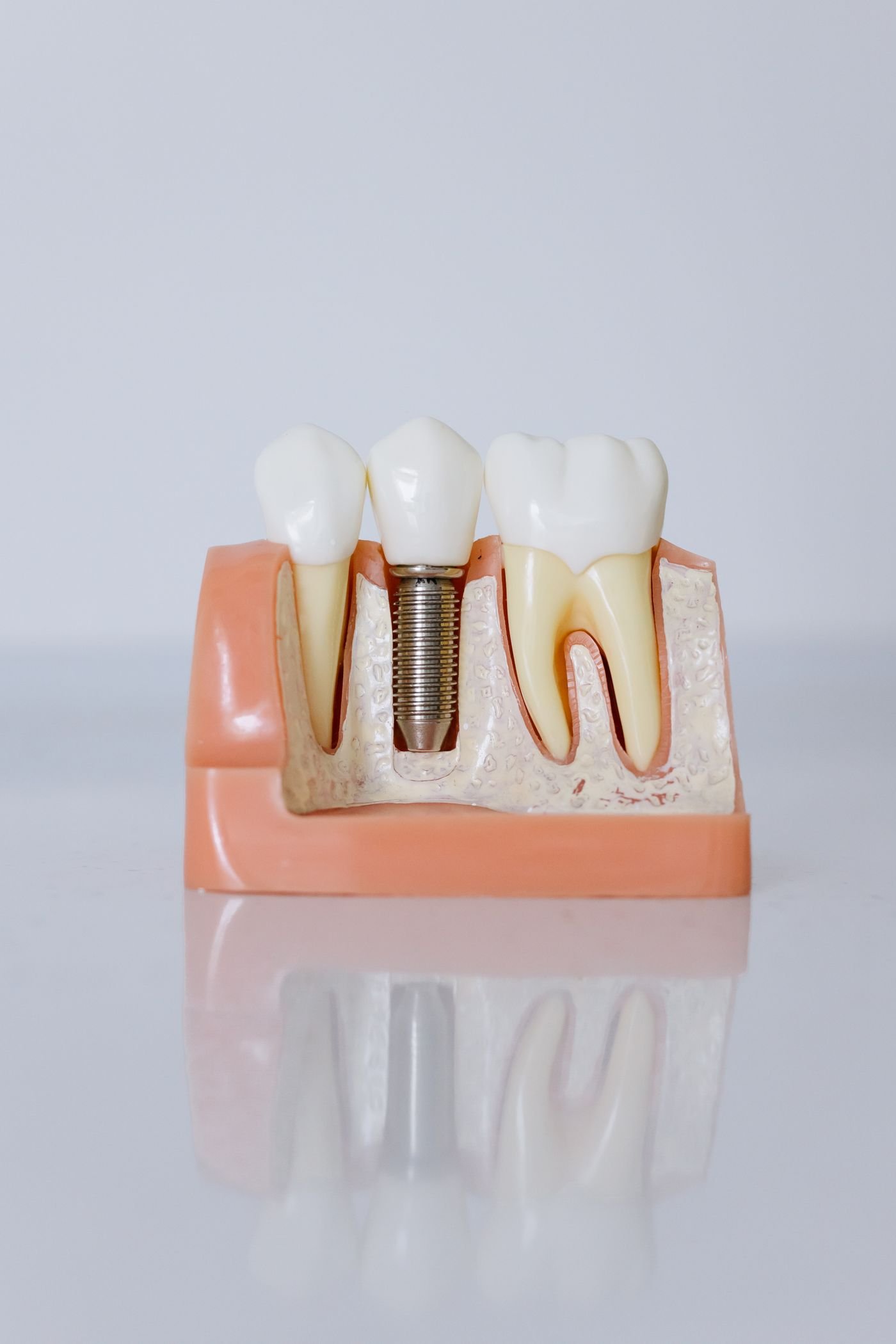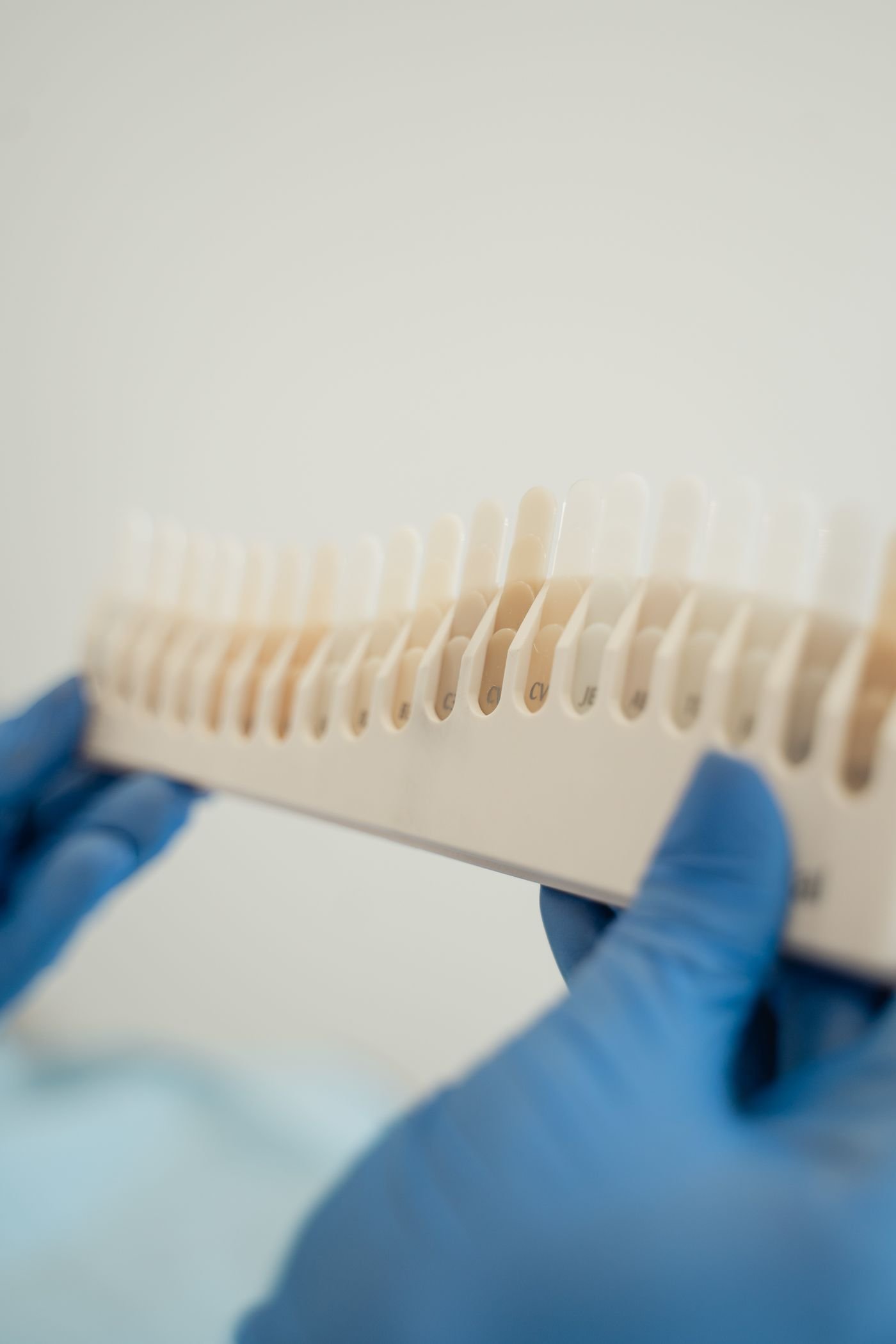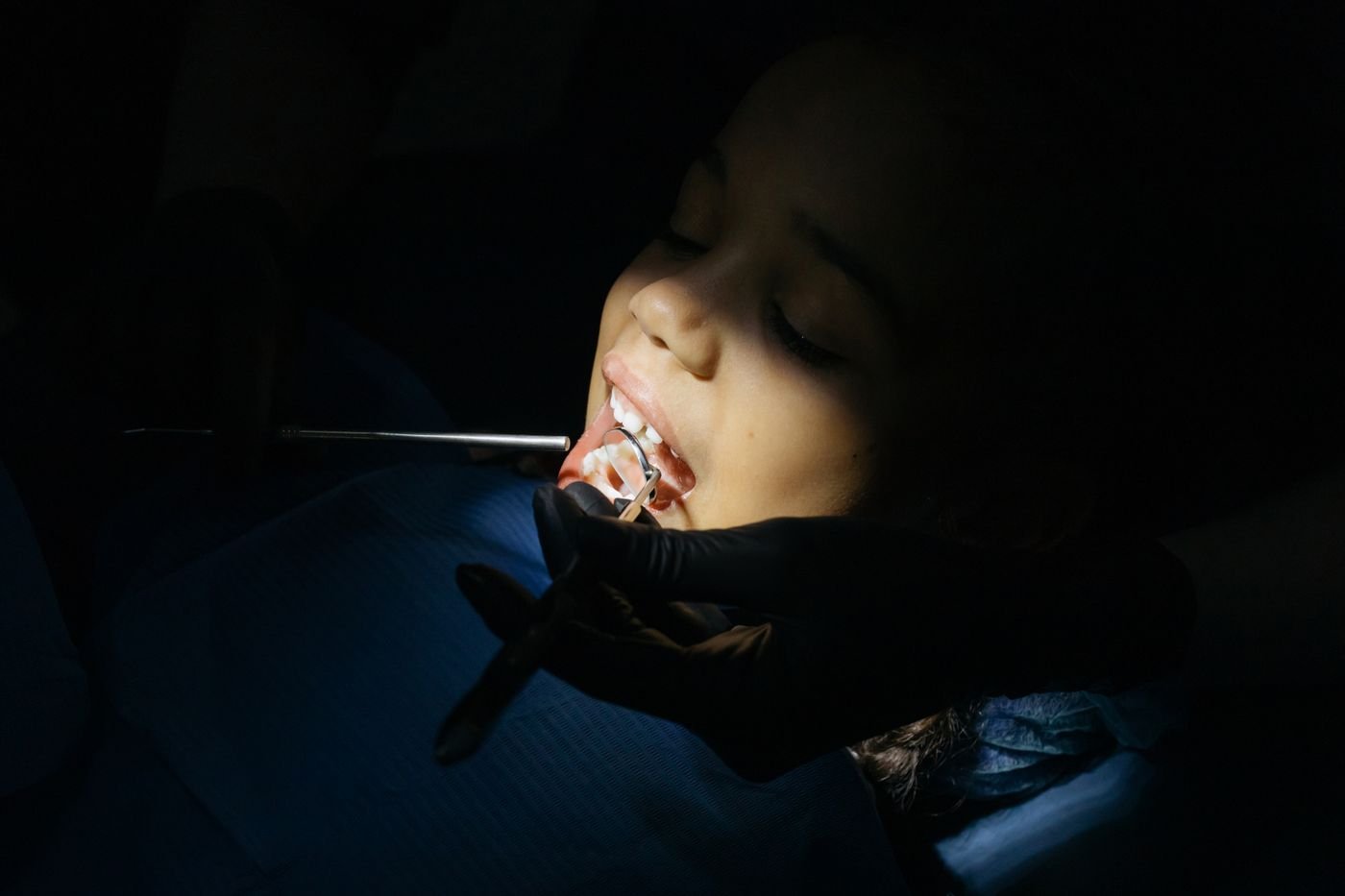
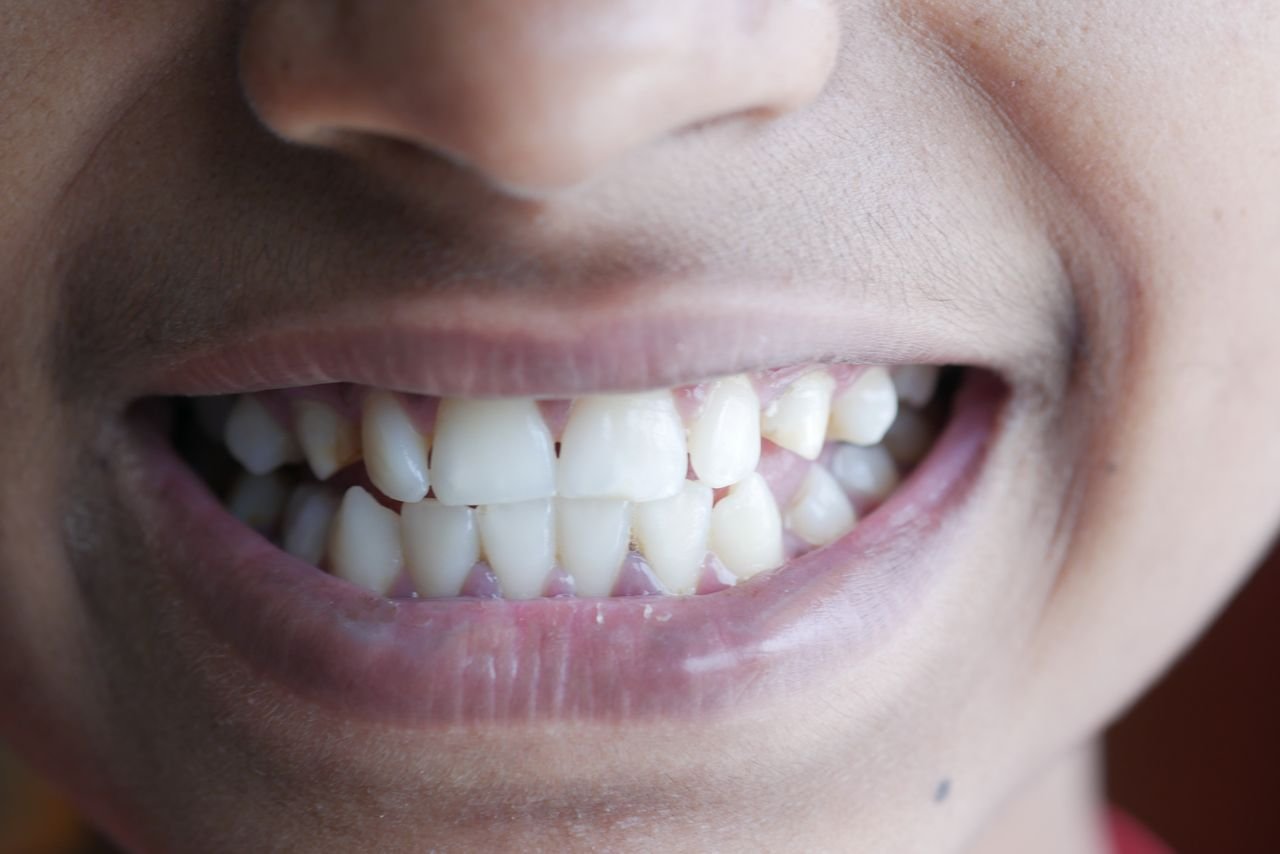
One tooth usually turns darker than the others because its nerve has been damaged or has died, often after a knock to the mouth, sometimes years earlier. Other causes include old metal fillings, previous root canal treatment, decay, internal bleeding after an injury, or a surface stain on that one tooth. Some are harmless and cosmetic; a darkening tooth with pain, swelling or a gum bump can mean infection and needs prompt attention. Either way, a general dentistry exam with an X-ray is the way to find out.
A single grey, brown or yellow tooth stands out in a way that overall yellowing doesn’t. People often try whitening toothpaste first, then whitening strips, and get frustrated when nothing changes. At Dana Dental Aurora, the first question we ask is whether you remember any injury to that tooth, because that often explains everything.
If the nerve is infected or dead, root canal therapy treats the problem from the inside. Afterward, internal bleaching or professional teeth whitening can often bring the colour back closer to its neighbours.
When colour can’t be fully corrected with bleaching, dental veneers or a crown can give the tooth a natural, matching shade. Here’s how to work out what’s going on and what fixes it.
Why do teeth change colour?
Tooth discoloration is divided into 2 types: extrinsic (stains on the outer surface) and intrinsic (changes inside the tooth). When only one tooth is darker, the cause is usually intrinsic, coming from inside that specific tooth.
What causes one tooth to turn dark?
1. Trauma and a dying nerve
A blow to the mouth can damage the blood vessels inside a tooth. Blood breaks down inside the tooth and stains the dentin from within, turning it pink, grey or brown. If the nerve dies (pulp necrosis), the tooth often turns grey over weeks to months. The injury might have been years ago.
2. Infection inside the tooth
Deep decay or a crack can let bacteria reach the nerve. As the nerve dies, the tooth darkens, and an abscess may form.
3. Previous root canal treatment
Teeth that have had root canals sometimes darken over time, especially if older materials were used or some pulp tissue stayed in the crown.
4. Old metal fillings
Silver amalgam fillings can make a tooth look grey, especially on thin front teeth or when the filling shows through the enamel.
5. Decay
Cavities can appear as brown or black spots, sometimes making a tooth look darker overall.
6. Internal resorption
A less common condition where the tooth’s own tissue breaks down from the inside. It can give a pinkish tinge.
7. Surface stain on one tooth
Sometimes a single tooth has rougher enamel, a ridge or an old bonding that collects stain from coffee, tea or smoking.
8. Calcification after injury
After trauma, some teeth lay down extra dentin inside, narrowing the nerve space. These teeth tend to look more yellow and opaque.
What colour is the tooth? What it might mean
| Colour | Possible cause | Urgency |
|---|---|---|
| Pink | Recent trauma or internal resorption | Book soon for X-rays |
| Grey or blue-grey | Dying or dead nerve, old metal filling | Book soon; urgent if painful or swollen |
| Yellow and opaque | Calcification after trauma | Usually monitored |
| Brown or black spots | Decay or surface stain | Book an exam |
| Dark at the gumline of a crowned tooth | Metal margin showing or gum recession | Cosmetic, check at next visit |
Is a dark tooth an emergency?
A dark tooth on its own is usually not an emergency, but it shouldn’t be ignored. Call the same day if you have:
- Throbbing pain or pain when biting
- Swelling of the gum or face
- A pimple-like bump on the gum
- A bad taste or fever
Safety note: a dead tooth can become infected even without pain. Infections can spread to the bone and surrounding tissues. If you notice spreading facial swelling, trouble swallowing or breathing, go to the emergency department. This article is general information and doesn’t replace a professional exam.
How is a dark tooth diagnosed? (step by step)
- History: any past injury, sports accidents, dental treatment or symptoms.
- Visual exam: colour, translucency, gum condition and nearby teeth.
- Vitality testing: cold and electric tests check whether the nerve responds.
- Tap test: tenderness can signal inflammation at the root.
- X-rays: look for infection at the root tip, resorption or calcification.
- Diagnosis and options: explained clearly, from simplest to most involved.
How do you fix a dark tooth?
Root canal therapy
If the nerve is dead or infected, a root canal removes the source and protects the tooth. It’s the essential first step before any cosmetic fix.
Internal bleaching
After a root canal, a whitening agent is placed inside the tooth and sealed for a few days, then replaced as needed. It lightens the tooth from within and can work very well.
External whitening
In-office or take-home whitening lightens all teeth. It helps if the dark tooth is only slightly off, or if you want the whole smile brighter before other work.
Bonding
Tooth-coloured resin can mask mild discoloration on the front surface in a single visit.
Veneers
A thin porcelain shell covers the front of the tooth and gives precise colour control. Good for moderate to heavy discoloration with healthy tooth structure.
Crowns
A crown covers the whole tooth. It’s a good choice when the tooth is weakened by a root canal, large fillings or cracks.
Comparing treatment options
| Option | Best for | Visits |
|---|---|---|
| Internal bleaching | Root-canal-treated tooth with intrinsic stain | 2 to 4 |
| External whitening | Mild colour difference, whole-smile brightening | 1 or home use |
| Bonding | Mild discoloration, small defects | 1 |
| Veneer | Moderate to severe discoloration on a sound tooth | 2 |
| Crown | Weakened or heavily restored tooth | 1 to 2 |
Why does the order of treatment matter?
When a dark tooth sits among other teeth you’d like brighter, the sequence makes a big difference to the final match:
- Treat health first: root canal or decay treatment if needed.
- Whiten the other teeth: so you know their final shade.
- Wait about 2 weeks: colour settles after whitening.
- Lighten or cover the dark tooth: internal bleaching, bonding, a veneer or a crown matched to the new shade.
Doing it the other way round can leave you with a perfectly matched veneer that suddenly looks too dark after you whiten everything else.
Common mistakes with a dark tooth
- Waiting years because it doesn’t hurt
- Using whitening strips repeatedly on one tooth, which can cause sensitivity without fixing internal stain
- Choosing a crown when internal bleaching or bonding would have been enough
- Skipping the follow-up X-ray after a root canal
- Not mentioning old injuries during the exam
Can a dark tooth affect nearby teeth?
The colour itself won’t spread. But if the tooth has an infection at the root tip, that infection can damage the surrounding bone and, over time, affect the support of neighbouring teeth. That’s why a dark tooth deserves an X-ray even when it’s comfortable. Treating the infection early protects the whole area, and the cosmetic fix can follow on your own schedule.
Myths about dark teeth
“Whitening toothpaste will fix it.”
It removes some surface stain, but it can’t change colour that comes from inside a tooth.
“If it doesn’t hurt, it’s healthy.”
A dead nerve often doesn’t hurt. The tooth can still harbour infection.
“A dark tooth always has to come out.”
Most dark teeth can be saved with a root canal and then lightened or covered.
“Baby teeth that turn grey always need treatment.”
After a bump, a baby tooth may darken and sometimes lighten again. It needs monitoring, and treatment if infection signs appear.
A real-world example
An Aurora teacher noticed her upper front tooth slowly turning grey over a year. She remembered a soccer ball hitting her face in high school. Tests showed the nerve was dead, and an X-ray showed a small infection at the root tip.
A root canal cleared the infection, and 3 rounds of internal bleaching brought the tooth close to her other teeth. She chose a small bonding touch-up for a perfect match. No crown or veneer was needed.
What to expect from internal bleaching
- Visit 1: the root canal filling is sealed off, and a small amount of whitening material is placed inside the tooth, then closed with a temporary filling.
- Days 3 to 7: the material works from the inside. There’s usually no discomfort because the nerve has already been removed.
- Visit 2 (and sometimes 3): the shade is checked and the material is replaced if more lightening is needed.
- Final visit: the access opening is sealed with a permanent tooth-coloured filling.
Results often last for years. Some teeth darken slightly again over time and can be touched up.
How to prevent a tooth from darkening
- Wear a mouthguard for sports
- Get any dental injury checked, even if the tooth looks fine
- Treat cavities early
- Replace old metal fillings on visible teeth when needed
- Keep up with checkups and X-rays as recommended
- Rinse with water after coffee, tea and red wine
Cosmetic and restorative care at Dana Dental Aurora
If you’re looking for a Cosmetic Dentist in Aurora who checks tooth health before colour, Dana Dental Aurora is one of the most trusted clinics in town, with a 5.0 Google rating and more than 485 patient reviews. We accept new patients and CDCP (Canadian Dental Care Plan) patients, and offer a New Patient Special introductory package.
All care is provided by licensed dental professionals registered with the Royal College of Dental Surgeons of Ontario (RCDSO). CareCredit financing is available to spread treatment costs into affordable monthly installments.
As a Top Dentist in Aurora, we offer general dentistry, caps and crowns, dental implants, emergency dentistry, wisdom teeth removal, fillings, pediatric dentistry, root canals, sedation, cosmetic dentistry, bonding, veneers, teeth whitening, bridges, mouthguards and nightguards.
Visit us at 15277 Yonge St., Suite 1 & 2, Aurora, ON, call +1 (647) 494-5006, or email info@danadentalaurora.ca. Evening and weekend appointments make it easier to get that tooth checked sooner rather than later.
Frequently asked questions
Can a dark tooth go back to its normal colour?
Sometimes. After minor trauma, a tooth that turns pink or slightly grey can lighten again if the nerve recovers. If the nerve dies, the colour usually stays until it’s treated with internal bleaching, bonding, a veneer or a crown.
Is a grey tooth dead?
A grey tooth often has a damaged or dead nerve, but not always. Vitality tests and X-rays can confirm whether the nerve is alive.
Can you whiten a tooth after a root canal?
Yes. Internal bleaching places a whitening agent inside the tooth and is often very effective for teeth darkened after a root canal or trauma.
How long after an injury can a tooth turn dark?
Darkening can appear within weeks, but it can also show up months or even years after the injury.
Why is my child’s front tooth turning grey?
It’s usually from a bump or fall. The dentist will check for signs of infection and may monitor the tooth. Some baby teeth lighten again on their own.
Conclusion
One tooth darker than the others usually points to trauma or a damaged nerve, but old fillings, decay and stains can also be responsible. A quick exam and X-ray find the cause. Root canal treatment, internal bleaching, bonding, veneers or crowns can bring the tooth back into harmony with your smile.