
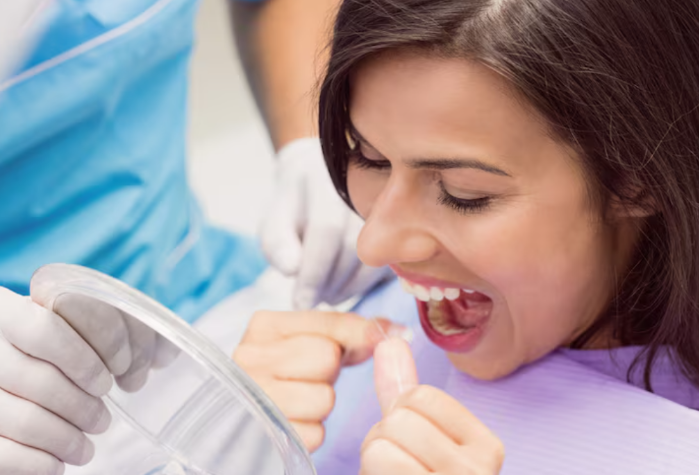
Tooth enamel is the hardest substance in the human body, forming the outer protective layer of your teeth. Once fully formed, enamel cannot regenerate on its own because the cells that originally created it no longer exist after teeth erupt. However, this does mean nothing can be done. With the right approach, early-stage enamel erosion can be slowed and partially reversed through a process called remineralisation. If you are concerned about your enamel health, visiting a Dental Clinic in Aurora is the most reliable first step toward understanding your specific situation and protecting what enamel you have left.
Remineralisation allows minerals like calcium and phosphate to re-deposit into weakened areas of enamel, strengthening the surface and reducing sensitivity. While it cannot grow back enamel that has worn away entirely, it can arrest early erosion and prevent the damage from progressing. Understanding the difference between remineralisation and full enamel regrowth helps set realistic expectations and motivates people to protect their enamel before serious damage occurs.
Understanding Tooth Enamel
Enamel forms the outermost layer of each tooth, sitting above the dentin and protecting the sensitive inner pulp. It is composed almost entirely of hydroxyapatite, a crystalline calcium phosphate mineral. This mineral structure makes enamel extremely hard but also brittle. When acids from food, drink, or bacteria repeatedly attack enamel, the mineral content dissolves gradually in a process called demineralisation.
Dentin, the layer beneath enamel, is softer and more sensitive. As enamel thins, dentin becomes more exposed, leading to heightened sensitivity to temperature and sweetness. Getting professional Dental Care in Aurora regularly helps detect enamel erosion before it reaches this stage and allows your dentist to intervene with protective treatments.
What Causes Enamel Erosion?
Enamel erosion has both dietary and non-dietary causes. Acid is the primary culprit. Every time you consume acidic foods or drinks, your enamel is temporarily softened by the acid exposure. The mouth naturally neutralises these acids over time with saliva, but frequent acid exposure does not give the enamel time to recover.
Dietary Causes
Frequent consumption of carbonated drinks, citrus fruits, fruit juices, vinegar-based foods, and wine keeps the mouth in an acidic state. Sports drinks and energy drinks are particularly damaging because people often sip them slowly over extended periods. Adding sugar to the mix gives bacteria the fuel to produce additional acid, compounding the problem.
Non-Dietary Causes
Acid reflux and GERD expose teeth to stomach acid from below rather than from food above, creating a distinct erosion pattern on the inner surfaces of the teeth. Eating disorders involving purging expose enamel to gastric acid repeatedly. Dry mouth, whether from medications or health conditions, reduces the protective capacity of saliva. Bruxism, or grinding teeth, physically wears enamel through mechanical force rather than acid.
How Remineralisation Works
Remineralisation is the natural repair process where minerals are deposited back into softened enamel. The process happens continuously in a healthy mouth when the pH stays neutral or slightly alkaline and adequate calcium and phosphate are available in saliva. Your job is to create the conditions where remineralisation outpaces demineralisation.
A Dentist in Aurora can assess the current state of your enamel and recommend specific remineralisation treatments or products. Professional fluoride treatments, for example, introduce high-concentration fluoride directly to tooth surfaces, accelerating the remineralisation process in a way that at-home products cannot match.
Fluoride and Its Role
Fluoride is the most well-researched remineralisation agent available. When fluoride is present, it combines with calcium and phosphate to form fluorapatite, a compound that is more resistant to acid attack than the original hydroxyapatite. Fluoride toothpaste used twice daily provides ongoing protection. Prescription-strength fluoride products, available through your dentist, offer significantly higher concentrations for more advanced cases.
Hydroxyapatite Toothpaste
Nano-hydroxyapatite toothpaste has emerged as a compelling alternative to fluoride for remineralisation. It directly supplies the building blocks of enamel to the tooth surface, physically filling in microscopic pores left by demineralisation. It is particularly useful for those who prefer fluoride-free products or who have children for whom fluoride intake needs to be monitored carefully.
Signs Your Enamel Is Wearing Down
Recognising enamel erosion early gives you the best chance of protecting what remains. Some signs are obvious, while others are subtle and easy to dismiss. At Dana Dental, one of the best dental clinics in Aurora, routine checkups include a careful assessment of enamel health. The practice is located at 15277 Yonge St, Suite 1 and 2, Aurora, ON L4G 1Y3. You can contact the team at (647) 494-5006 or info@danadentalaurora.ca.
Common signs of enamel erosion include increased sensitivity to hot, cold, or sweet foods, a yellowing of the teeth as the darker dentin layer shows through thinning enamel, and a feeling of roughness or irregularity on tooth surfaces. Teeth may also appear slightly transparent near the tips of the front teeth. Cupping, small dents on the biting surfaces of molars, is a sign of more advanced erosion.
When Professional Treatment Is Needed
Remineralisation works for early and mild erosion. When enamel loss progresses to moderate or severe levels, more involved dental treatment is required. Bonding, veneers, and crowns can restore the tooth surface and protect the remaining structure. In cases where erosion reaches the pulp and causes infection, more intensive treatment, such as Root Canal Treatment in Aurora, may become necessary to save the tooth. Catching these situations early through regular dental visits is always the preferred outcome.
Your dentist can also identify and address the underlying cause. If acid reflux is driving your enamel erosion, treating the reflux protects your enamel more effectively than any topical treatment. If grinding is the cause, a custom night guard prevents further mechanical wear. Addressing root causes is always more effective than treating the symptoms in isolation.
Prevention Tips for Long-Term Enamel Protection
Protecting your enamel is far easier than repairing it. Limit the frequency and duration of acid exposure from your diet. When you do consume acidic foods or drinks, do so with meals rather than sipping throughout the day. Do not brush immediately after acid exposure because the softened enamel is more susceptible to abrasion at that point. Wait at least 30 minutes before brushing.
Drink water throughout the day to maintain saliva flow. Chewing sugar-free xylitol gum stimulates saliva and provides remineralisation benefits. Use a soft-bristled toothbrush and a gentle brushing technique. Abrasive brushing damages enamel mechanically, particularly when the surface has already been softened by acid.
Frequently Asked Questions
Can enamel grow back on its own?
Enamel cannot regenerate or grow back because the cells that form it are no longer present once teeth erupt. However, remineralisation can strengthen and repair early-stage erosion by redepositing minerals into softened enamel. This is why early intervention and prevention are so important.
How do I know if my enamel is eroding?
Common signs include increased sensitivity to hot, cold, or sweet items, yellowing teeth, roughness on tooth surfaces, transparent tips on front teeth, and a general feeling that your teeth look shorter or smaller than they used to. Your dentist can confirm erosion with a clinical examination.
Is fluoride toothpaste enough to protect enamel?
For most people with mild risk, fluoride toothpaste used twice daily is sufficient. Those with higher risk due to acid reflux, a very acidic diet, or dry mouth may benefit from prescription-strength fluoride products or professional fluoride treatments at their dental appointments.
Are teeth whitening products harmful to enamel?
Standard whitening products, when used as directed, do not significantly damage enamel. However, overuse or use of very high-concentration products can increase sensitivity and temporarily weaken enamel. Always consult your dentist before starting a whitening regimen if you have existing enamel concerns.
What should I drink to protect my enamel?
Water is by far the best choice for enamel protection. Milk and dairy products provide calcium that supports remineralisation. Tea, particularly green tea, has mild antibacterial properties. Avoid sipping acidic drinks like juice, soda, and sports drinks throughout the day. When you do consume them, use a straw to minimise tooth contact.
Conclusion
While fully regenerating lost enamel is not currently possible, remineralisation can repair early-stage erosion and significantly slow its progression. The best strategy combines daily fluoride use, a diet low in frequent acid exposure, adequate hydration, and consistent professional dental care. Acting early gives you the best chance of protecting your teeth for a lifetime.