
A dental check-up is far more comprehensive than most people realise. While many patients expect a quick look at their teeth and a polishing, a thorough dental examination involves a detailed assessment of every structure in and around your mouth, from individual tooth surfaces to the soft tissues, jaw joints, and surrounding bones. Understanding what your check-up covers helps you appreciate the value of the appointment and encourages you to attend consistently. Booking your next check-up at a Dental Clinic in Aurora ensures you receive a comprehensive preventive assessment rather than just a surface-level inspection.
Regular check-ups are the most cost-effective investment in dental health you can make. Detecting a cavity when it is small requires a simple filling. Detecting gum disease at the gingivitis stage means it can be reversed with a cleaning and improved hygiene. These same problems, left unaddressed until symptoms develop, often require significantly more extensive and expensive treatment. The preventive value of a twice-yearly check-up is well established.
Medical and Dental History Review
Every check-up begins with a review of your medical and dental history. Your dentist will ask about any changes to your health since your last visit, new medications, surgeries, or diagnoses. This is not incidental; changes in your systemic health directly affect your oral health and treatment planning. New medications may cause dry mouth. A new diabetes diagnosis changes your risk profile for gum disease. Patients accessing Dental Care in Aurora consistently have their health history updated at every visit to ensure care remains appropriate for their current health status.
Dental Radiographs (X-Rays)
X-rays are not taken at every check-up but are recommended at intervals based on your risk level and clinical findings. Bite-wing X-rays show the crowns of the back teeth and are the primary tool for detecting decay between teeth that the eye cannot see. Periapical X-rays show full tooth roots and surrounding bone for evaluating root health and bone levels. Panoramic X-rays provide a broad overview of all teeth, the jaws, and surrounding structures.
A Dentist in Aurora who uses digital X-rays delivers significantly lower radiation than traditional film, making the diagnostic benefit of this essential screening tool even more favourable relative to its minimal risk.
Clinical Examination of Teeth
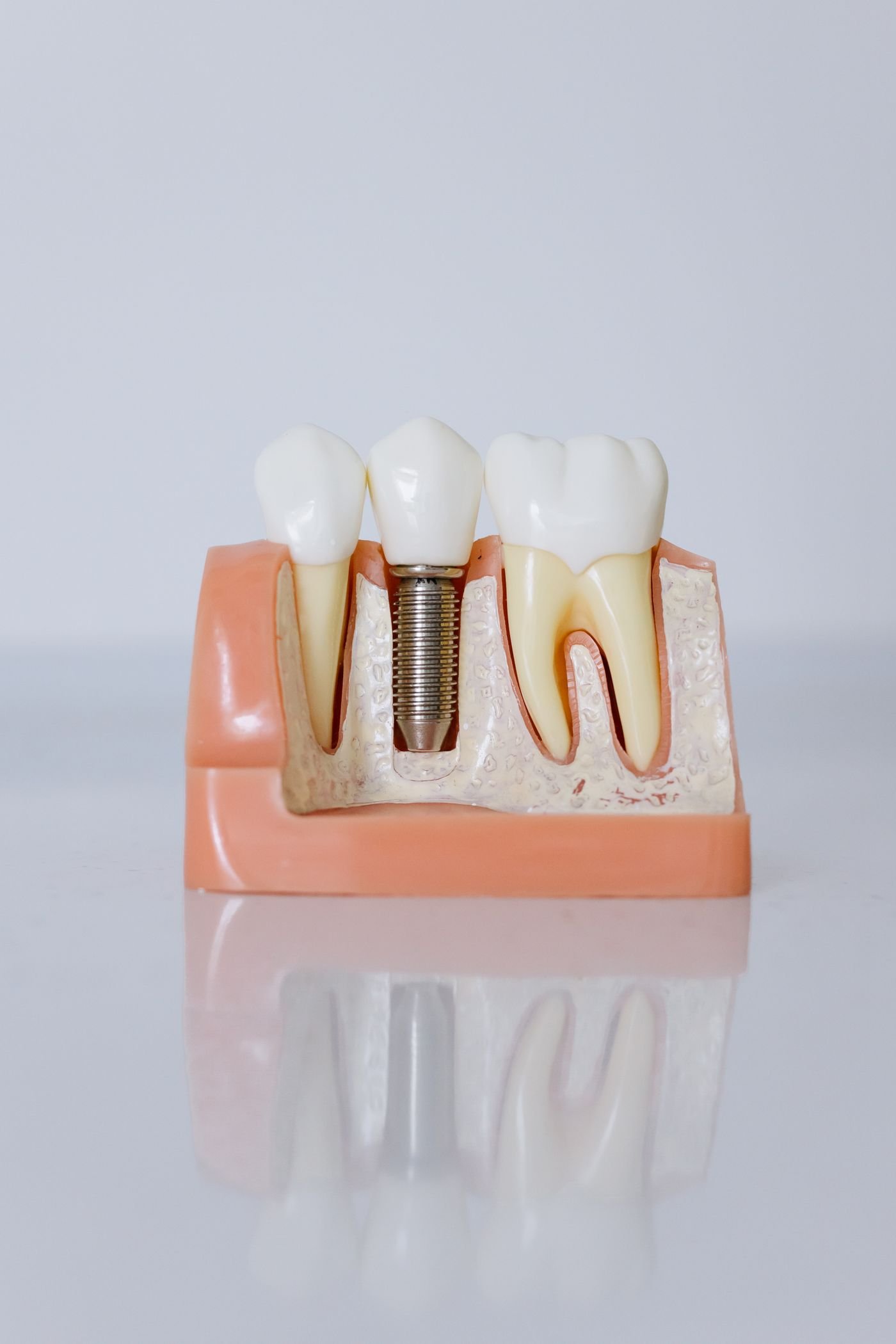
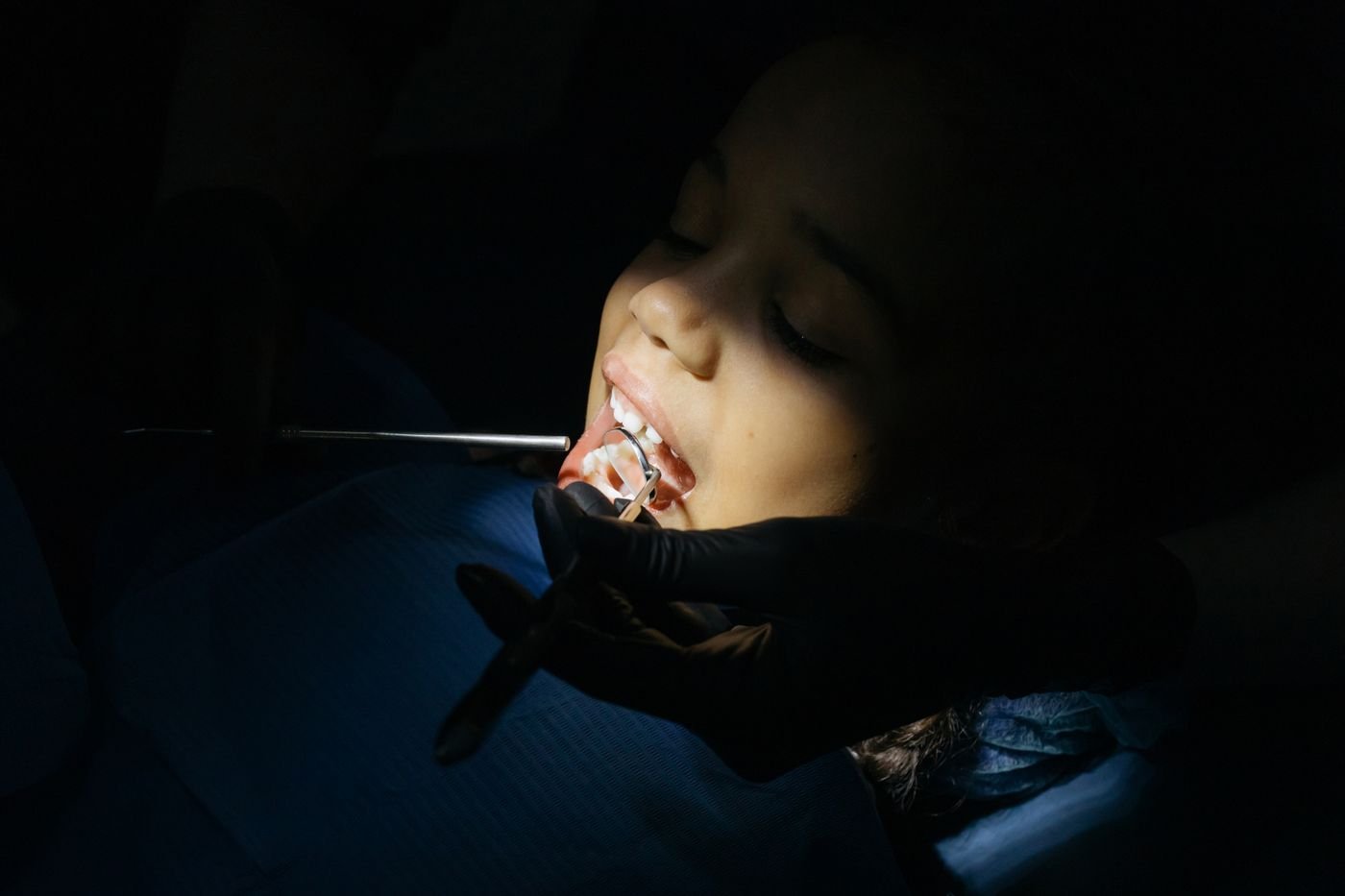
The clinical tooth examination involves a systematic check of every tooth surface. Your dentist uses a dental mirror, an explorer instrument, and your X-ray images to look for decay, cracks, chips, and wear. Each existing filling, crown, bridge, or other restoration is evaluated for integrity. Fillings that have cracked, margins that have opened, or restorations that are showing signs of failure are identified and addressed before they fail completely.
The condition of your tooth surfaces also reveals lifestyle habits. Acid erosion from diet or reflux, bruxism wear patterns, and abrasion from over-brushing are all identifiable during a thorough tooth examination. Your dentist uses these findings to personalise preventive advice specific to your situation.
Periodontal Assessment
The health of your gums and the bone supporting your teeth is evaluated with a periodontal probe that measures pocket depth around every tooth. Healthy pockets are 1 to 3 millimetres deep. Pockets deeper than 3 millimetres indicate the presence of gum disease. The measurements are compared to those from previous visits to assess whether gum health is stable, improving, or deteriorating.
Gum recession, which exposes tooth roots, is measured and documented. Bleeding on probing is noted; it is a sign of active gum inflammation. The degree and location of tartar accumulation above and below the gumline are assessed. At Dana Dental, one of the best dental clinics in Aurora, the periodontal component of every check-up is thorough and documented carefully for longitudinal comparison. Contact Dana Dental at 15277 Yonge St Suite 1 and 2, Aurora, ON L4G 1Y3, by phone at (647) 494-5006 or by email at info@danadentalaurora.ca.
Oral Cancer Screening
Oral cancer screening is a standard part of every dental check-up and is one of the most important preventive services your dentist provides. The dentist examines the lips, tongue, floor of the mouth, roof of the mouth, inside of the cheeks, and the back of the throat for any changes in texture, colour, or appearance. Any unusual lesion, patch, or lump that has been present for more than two weeks warrants further investigation.
Oral cancer has a significantly better prognosis when detected early. The five-year survival rate for early-stage oral cancer is much higher than for late-stage. Since many oral cancers are asymptomatic in their early stages, the regular check-up screening is often the only way they are caught before becoming advanced.
Professional Cleaning
Most dental check-ups include a professional cleaning as part of the same appointment. The hygienist uses ultrasonic and hand instruments to remove tartar from tooth surfaces above and below the gumline. Polishing removes surface stains and smooths the enamel. Flossing clears debris from between every tooth.
Regular professional Dental Cleaning in Aurora as part of your check-up schedule maintains the gum health baseline that your home care routine preserves between visits. The combination of effective daily hygiene at home and consistent professional cleaning at the appropriate interval is the foundation of long-term dental health.
Personalised Preventive Advice
Before you leave, your dentist or hygienist will provide guidance tailored to what they observed during your appointment. This may include recommendations on brushing technique, specific areas of the mouth needing more attention, dietary suggestions, product recommendations, or reminders about upcoming treatment needs. This personalised coaching is a valuable component of the check-up that many patients underutilise.
Frequently Asked Questions
How long does a dental check-up take?
A standard check-up including a cleaning and examination typically takes 45 to 60 minutes. First appointments, which include comprehensive baseline assessments and often a full set of X-rays, take longer, usually 60 to 90 minutes. Appointments can be longer if significant treatment needs are discovered or if a deep cleaning is required.
Is a check-up the same as a cleaning?
A dental check-up and a cleaning are related but distinct. The check-up refers to the examination component: X-rays, tooth examination, periodontal assessment, and oral cancer screening. The cleaning refers to the hygiene treatment: scaling, polishing, and flossing. They are commonly performed in the same appointment, but they are different services.
What happens if a cavity is found during my check-up?
If a cavity is found, your dentist will explain the finding, discuss the treatment options, and determine urgency. Small cavities are typically filled at a subsequent appointment. If a cavity is very early and limited to enamel, your dentist may recommend a monitoring and preventive approach before drilling. You are always involved in the decision.
Can I have a check-up if my teeth feel fine?
Yes, and this is actually the ideal time for a check-up. Many dental problems are asymptomatic until they are well advanced. Tooth decay does not typically cause pain until it reaches the pulp. Gum disease progresses silently for years. Regular check-ups catch these problems when they are still easily and inexpensively treatable.
What should I tell my dentist at a check-up?
Mention any changes in your health, new medications, or supplements. Report any tooth sensitivity, pain, or unusual sensations, even if they seem minor. Note any changes in how your bite feels, any jaw joint clicking or pain, or any soft tissue changes you have noticed in your mouth. The more context you provide, the more effectively your dentist can care for you.
Conclusion
A dental check-up is a comprehensive preventive health service that includes a medical history review, X-rays, thorough tooth and gum examination, oral cancer screening, professional cleaning, and personalised preventive advice. Attending consistently, typically every six months, is one of the most effective strategies for maintaining lifelong dental health and avoiding the need for more extensive, costly, and uncomfortable treatment.
At Dana Dental, one of the best dental clinics in Aurora, the periodontal component of every check-up is thorough and documented carefully for longitudinal comparison. Contact Dana Dental at 15277 Yonge St Suite 1 and 2, Aurora, ON L4G 1Y3, by phone at (647) 494-5006 or by email at info@danadentalaurora.ca.