
Yes, digital dental X-rays are considered safe for most patients when used appropriately and according to established dental guidelines. They use significantly less radiation than traditional film X-rays and play an important role in detecting dental problems that may not be visible during a routine examination. For patients visiting Dana Dental Aurora, digital dental imaging is a valuable diagnostic tool that helps identify issues early while maintaining a strong focus on patient safety.
Many people have concerns about radiation exposure, which is understandable. However, modern digital dental X-rays are designed to minimize exposure while providing highly detailed images that support accurate diagnosis and treatment planning. A trusted Dental Clinic in Aurora can help patients understand when X-rays are necessary and how they contribute to preventive dental care.
Digital imaging is commonly used as part of comprehensive General Dentistry services. These images help dental professionals detect cavities, infections, bone loss, impacted teeth, and other conditions before they become more serious.
Patients interested in learning more about the practice and its patient-centered approach can explore About Dana Dental before scheduling their first appointment.
Many new patients also take advantage of the clinic’s New Patient Offer, which may include a comprehensive examination and diagnostic assessment depending on individual needs.
What Are Digital Dental X-Rays?
Digital dental X-rays are electronic images that allow dentists to view structures beneath the surface of the teeth and gums.
Direct Answer
Digital X-rays help identify:
- Cavities between teeth
- Bone loss
- Dental infections
- Impacted teeth
- Root abnormalities
- Developing dental problems
They provide diagnostic information that often cannot be obtained through a visual examination alone.
How Do Digital Dental X-Rays Work?
Digital sensors replace traditional film.
When the image is captured:
- A small digital sensor is positioned inside the mouth.
- A low dose of radiation passes through the tissues.
- The sensor records the image electronically.
- The image appears almost immediately on a computer screen.
This process allows dentists to view high-resolution images quickly and efficiently.
Are Digital Dental X-Rays Safer Than Traditional X-Rays?
Yes
One of the primary advantages of digital imaging is reduced radiation exposure.
Compared with traditional film X-rays, digital systems generally:
- Use less radiation
- Produce images faster
- Allow image enhancement
- Eliminate chemical film processing
- Improve diagnostic accuracy
The reduction in radiation exposure is one reason digital technology has become widely adopted throughout modern dentistry.
How Much Radiation Is Involved?
Many patients are surprised to learn that dental X-rays involve very small amounts of radiation.
Radiation Exposure Comparison
Digital dental X-rays typically expose patients to significantly less radiation than many common medical imaging procedures.
Examples of everyday sources of radiation include:
- Natural background radiation
- Air travel
- Environmental exposure
- Certain medical imaging studies
The amount of radiation from dental X-rays is generally considered low when proper protocols are followed.
Why Are Dental X-Rays Necessary?
Dental professionals cannot always see every problem through a visual examination alone.
Conditions Often Detected with X-Rays
- Tooth decay between teeth
- Bone loss related to gum disease
- Abscesses
- Impacted wisdom teeth
- Developmental abnormalities
- Root infections
- Hidden fractures
Without diagnostic imaging, some conditions may go undetected until symptoms become more severe.
What Problems Can Be Missed Without X-Rays?
Cavities Between Teeth
These cavities often develop in areas that are difficult to see during a clinical examination.
Bone Loss
Early periodontal disease may affect supporting bone structures before visible symptoms occur.
Infections
Root infections can develop beneath the gumline where visual inspection alone may not reveal the issue.
Impacted Teeth
Impacted wisdom teeth frequently require imaging for proper evaluation.
Patients who may require Wisdom Teeth Removal often undergo X-ray assessment as part of treatment planning.
Are Digital Dental X-Rays Safe for Children?
Generally, Yes
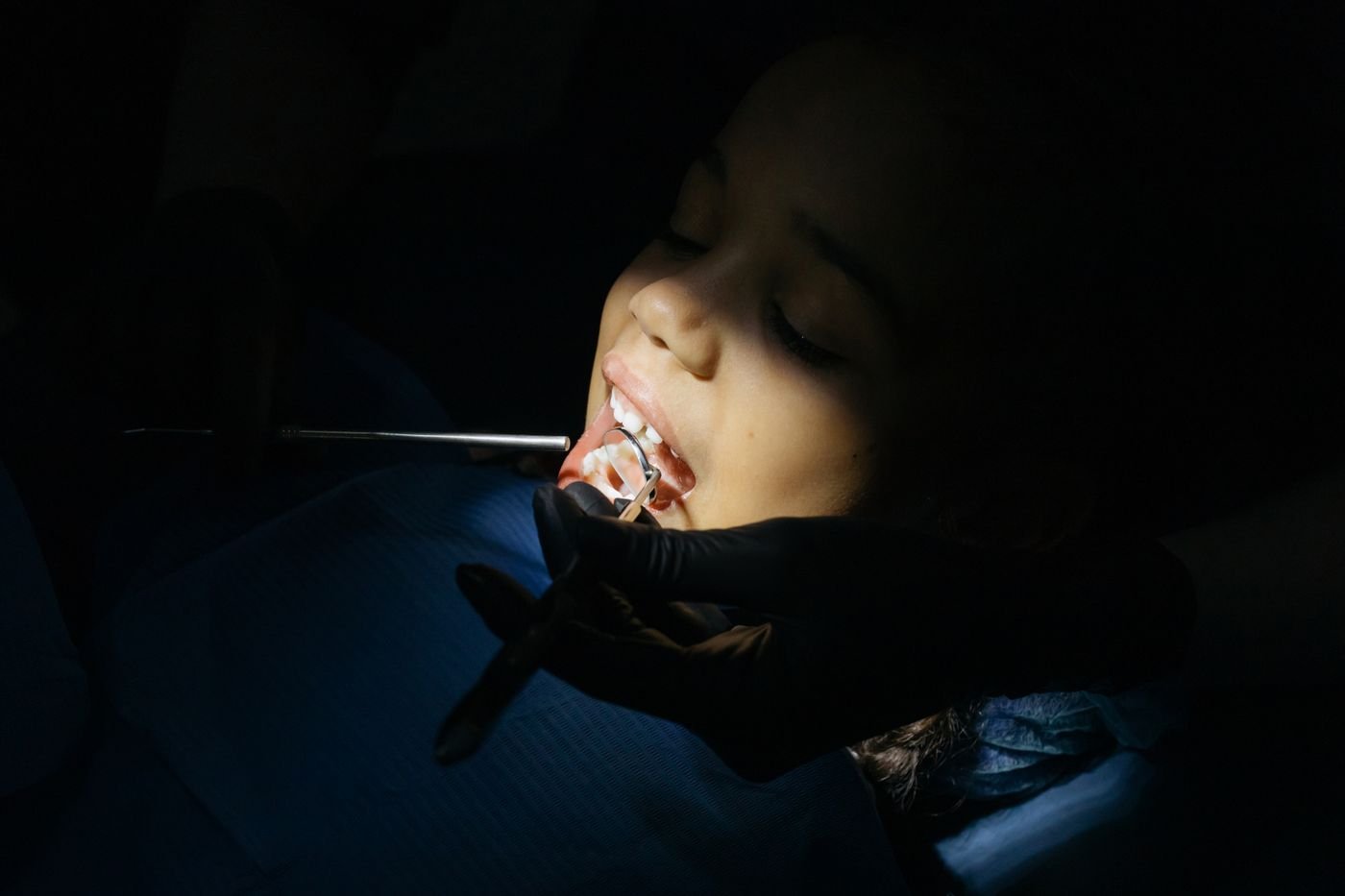
Children frequently benefit from diagnostic imaging because their mouths are actively developing.
Digital X-rays may help identify:
- Tooth eruption patterns
- Developing cavities
- Orthodontic concerns
- Growth abnormalities
Many children receiving care through Pediatric Dentistry services may have X-rays recommended based on individual clinical needs.
Dentists carefully evaluate necessity and frequency before recommending imaging.
Are Digital Dental X-Rays Safe During Pregnancy?
Pregnant patients should always inform their dental team about their pregnancy status.
Important Considerations
Dental professionals follow strict safety protocols when imaging is necessary.
In many cases:
- Elective imaging may be postponed when appropriate
- Necessary diagnostic images may still be obtained safely when clinically indicated
The decision depends on the patient’s oral health needs and treatment requirements.
How Often Do You Need Dental X-Rays?
There is no universal schedule for every patient.
Frequency depends on:
- Age
- Oral health history
- Cavity risk
- Gum disease risk
- Symptoms
- Existing restorations
Patients at Higher Risk May Need More Frequent Imaging
Examples include:
- Active decay
- Extensive dental work
- Periodontal disease
- Ongoing dental symptoms
Your Dentist in Aurora will recommend imaging based on clinical findings rather than a one-size-fits-all schedule.
Benefits of Digital Dental X-Rays
Improved Diagnostic Accuracy
High-resolution images help dentists detect concerns earlier.
Faster Results
Images appear almost instantly.
Enhanced Image Quality
Digital software allows:
- Magnification
- Contrast adjustments
- Improved visualization
Better Patient Communication
Patients can often view images on-screen and better understand treatment recommendations.
Reduced Radiation
One of the most significant advantages compared with older film systems.
Common Dental Treatments That May Require X-Rays
Dental Fillings
Cavities are often diagnosed with imaging before Dental Fillings are recommended.
Root Canal Therapy
Images help evaluate infection and root anatomy before Root Canal Therapy.
Dental Implants
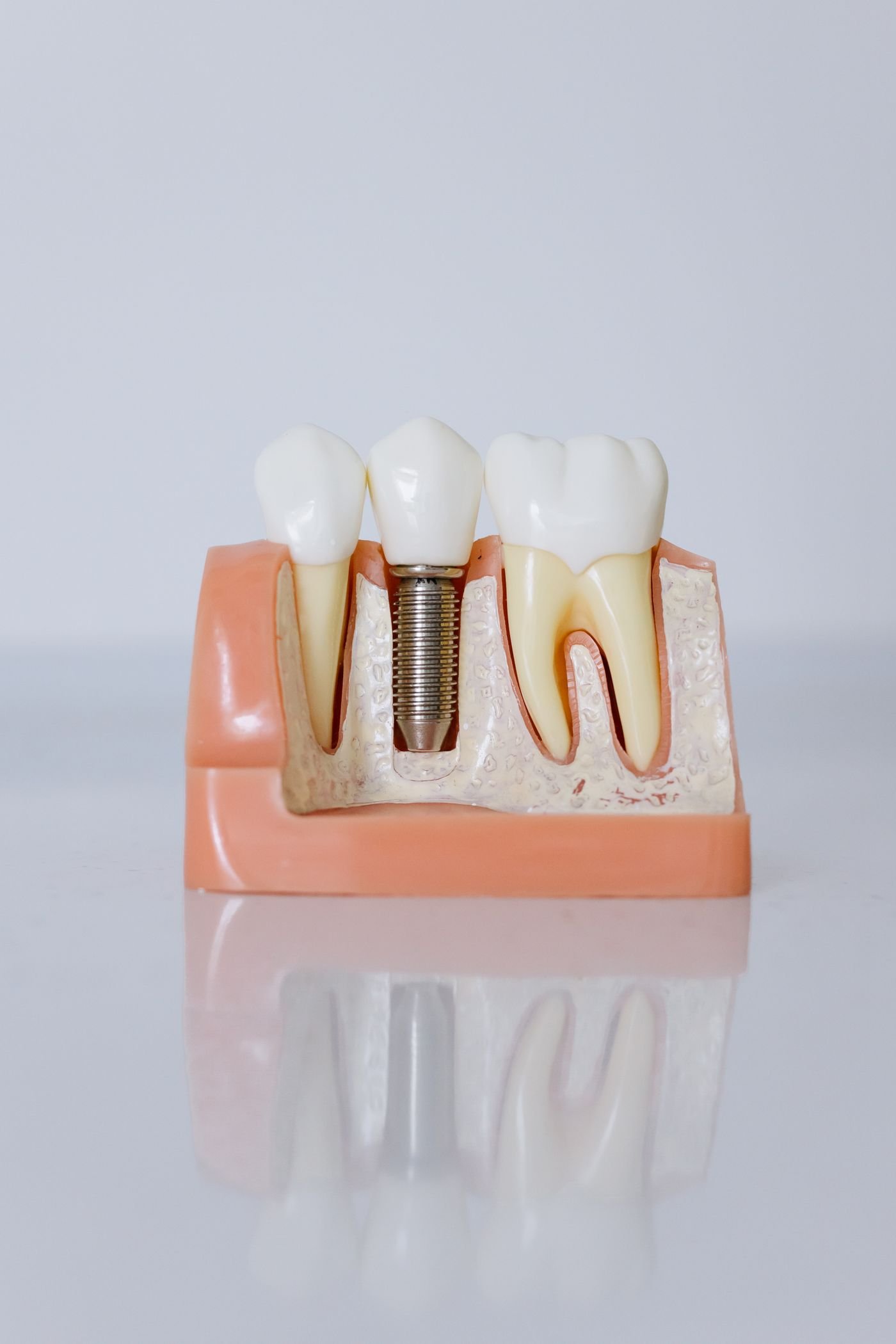
Patients considering Dental Implants or seeking information about Dental Implants Aurora often require detailed imaging to assess bone structure and treatment suitability.
Caps and Crowns
Diagnostic images frequently support treatment planning for Caps and Crowns.
Emergency Dentistry
Urgent dental conditions often require X-rays for accurate diagnosis and treatment planning through Emergency Dentistry services.
Digital X-Rays vs Traditional Film X-Rays
| Feature | Digital X-Rays | Traditional Film X-Rays |
| Radiation Exposure | Lower | Higher |
| Image Availability | Immediate | Delayed |
| Image Enhancement | Available | Limited |
| Storage | Digital | Physical Film |
| Environmental Impact | Reduced | Chemical Processing Required |
| Diagnostic Flexibility | Higher | Lower |
Common Myths About Digital Dental X-Rays
Myth 1: Dental X-Rays Are Dangerous
Reality: Modern digital X-rays use very low levels of radiation and are considered safe when clinically indicated.
Myth 2: X-Rays Are Only Needed When Something Hurts
Reality: Many dental conditions develop without symptoms.
Myth 3: Every Visit Requires X-Rays
Reality: Imaging frequency depends on individual risk factors and clinical findings.
Myth 4: Children Should Avoid Dental X-Rays
Reality: Children often benefit significantly from appropriate diagnostic imaging.
How Dentists Minimize Radiation Exposure
Dental professionals follow established safety principles.
Common Safety Measures
- Using digital imaging systems
- Taking only necessary images
- Following evidence-based guidelines
- Regular equipment maintenance
- Individualized imaging recommendations
Patient safety remains a top priority.
What Happens During a Digital Dental X-Ray Appointment?
Step 1: Preparation
The dental team explains the procedure and positions the sensor.
Step 2: Image Capture
The image is taken within seconds.
Step 3: Image Review
The dentist evaluates the images and discusses findings.
Step 4: Treatment Planning
Recommendations are made based on clinical and radiographic information.
The process is generally quick, comfortable, and non-invasive.
Why Professional Assessment Matters
X-rays are diagnostic tools, not treatment by themselves.
Accurate interpretation requires professional training and clinical expertise.
Patients should seek care from licensed dental professionals registered with the Royal College of Dental Surgeons of Ontario (RCDSO), who can determine when imaging is appropriate and explain findings clearly.
Regular follow-up care helps ensure that any concerns identified on imaging are monitored and addressed appropriately.
Comprehensive Dental Care in Aurora
Dana Dental Aurora is one of the most trusted providers of dental care in the community, maintaining a 5.0 Google rating and more than 485 patient reviews. As a respected Dental Office in Aurora, the clinic utilizes modern diagnostic technologies, including digital dental imaging, to support accurate diagnosis and patient-centered care.
The clinic welcomes new patients and CDCP (Canadian Dental Care Plan) patients and offers a New Patient Special introductory package for individuals beginning care.
Patients looking for a Family Dentist in Aurora, Top Dentist in Aurora, Best Dental Clinic in Aurora, Emergency Dental Clinic in Aurora, or Cosmetic Dentist in Aurora can access a comprehensive range of services under one roof.
Available treatments include general dentistry, caps and crowns, dental implants, emergency dentistry, wisdom teeth removal, fillings, pediatric dentistry, root canal therapy, sedation dentistry, cosmetic dentistry, dental bonding, dental veneers, teeth whitening, dental bridges, mouthguards, and nightguards.
Additional services such as Cosmetic Dentistry, Dental Bonding, Dental Veneers, Teeth Whitening, Dental Bridges, Dental Sealants, Mouthguards, and Nightguards help support preventive, restorative, and aesthetic dental goals.
For patients who experience dental anxiety, Sedation Dentistry options may be available when clinically appropriate.
Dana Dental Aurora also offers flexible evening and weekend scheduling. Eligible patients may explore CareCredit financing, which can help break treatment costs into manageable monthly installments.
Patients interested in scheduling a visit can conveniently Request Appointment online or contact the clinic directly at +1 (647) 494-5006 or info@danadentalaurora.ca. The practice is conveniently located at 15277 Yonge St., Suite 1 & 2, Aurora, ON, Canada.
Frequently Asked Questions
1. Are digital dental X-rays safer than traditional X-rays?
Yes. Digital dental X-rays generally use less radiation than traditional film-based systems while providing high-quality diagnostic images.
2. How often should I get dental X-rays?
The frequency depends on your oral health history, risk factors, symptoms, and clinical findings. Your dentist will determine what is appropriate for your situation.
3. Can children safely receive dental X-rays?
Yes. Digital X-rays are commonly used in pediatric dentistry when clinically necessary and provide valuable information about dental development.
4. Do dental X-rays hurt?
No. Dental X-rays are non-invasive and generally painless. Some patients may experience mild temporary discomfort from sensor placement.
5. Can dental problems be detected without X-rays?
Some conditions can be identified visually, but many issues such as hidden cavities, bone loss, infections, and impacted teeth often require imaging for accurate diagnosis.
Conclusion
Digital dental X-rays are a safe and valuable diagnostic tool that helps dentists identify oral health concerns early and accurately.
Their low radiation exposure, fast image processing, and enhanced diagnostic capabilities make them an important part of modern dental care.
When recommended by qualified dental professionals, digital dental X-rays support better treatment planning, preventive care, and long-term oral health outcomes.
Patients interested in scheduling a visit can conveniently Request Appointment online or contact the clinic directly at +1 (647) 494-5006 or info@danadentalaurora.ca. The practice is conveniently located at 15277 Yonge St., Suite 1 & 2, Aurora, ON, Canada.