There is no real difference between a dental cap and a dental crown. “Cap” is simply the older, everyday word, while “crown” is the term dentists use today for a custom restoration that covers the entire visible part of a damaged tooth. Needing a crown is common and usually not urgent, although a cracked or broken tooth that hurts should be seen quickly. Our caps and crowns in Aurora are designed to restore strength, shape, and a natural look.
Patients often hear both words and wonder whether they are being offered two different treatments. They are not. At Dana Dental Aurora, we use the word crown in treatment plans, but you are welcome to call it a cap. What matters more is why the tooth needs covering and which material suits your bite and smile.
Crowns are often the final step of other treatments. After root canal therapy, a back tooth becomes more brittle, and a crown protects it from splitting under chewing pressure.
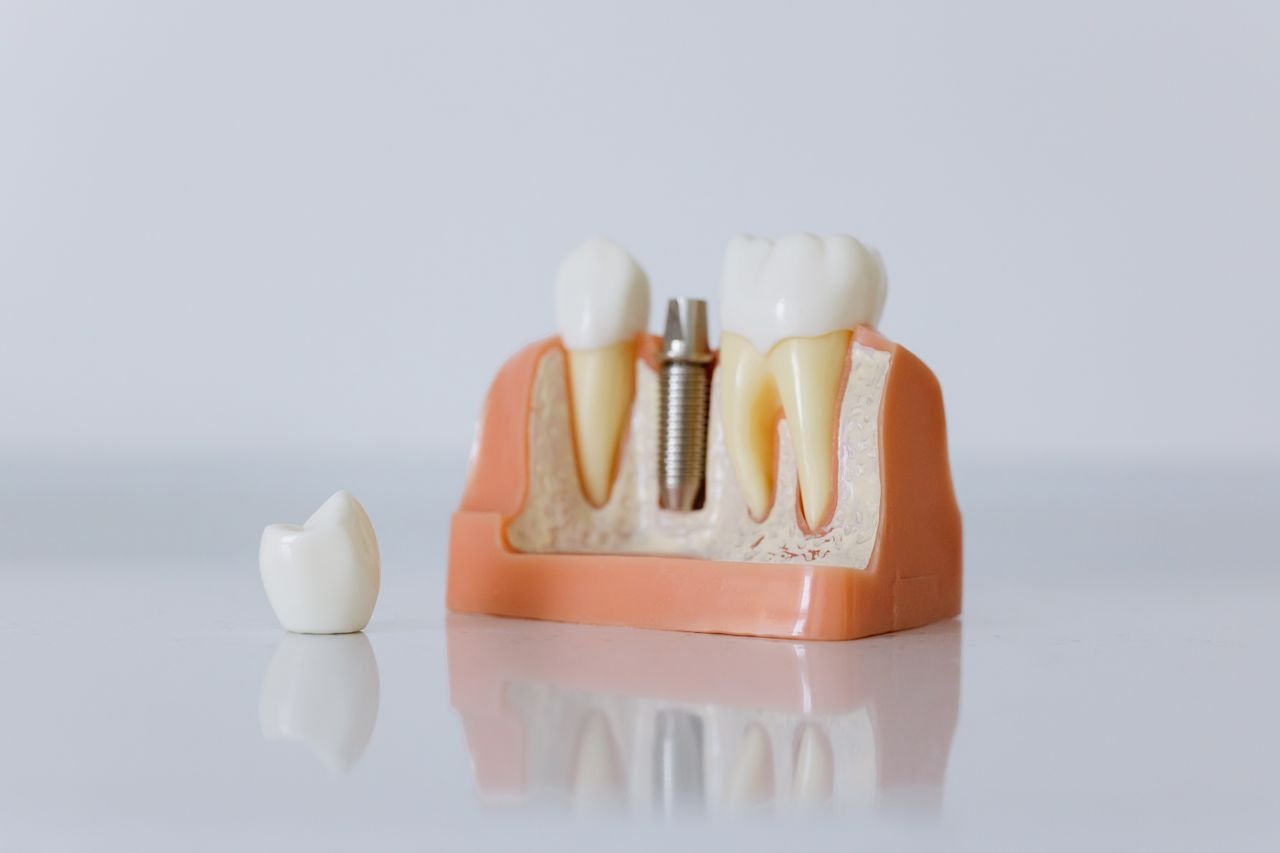
Crowns are also placed on top of dental implants to replace missing teeth. For front teeth that only need cosmetic change, thinner dental veneers may be a more conservative option, and a quick exam will tell you which approach fits.
What Is a Dental Crown?
A dental crown is a tooth-shaped covering that is fitted over a prepared natural tooth or an implant. It fully encases the tooth above the gumline, restoring its size, shape, strength, and appearance. Crowns are custom-made to match your bite and the colour of neighbouring teeth.
Why Do People Say “Cap” Instead of “Crown”?
For decades, many crowns were made of gold or metal, and people described them as “capping” a tooth. The word stuck in everyday language. Dentists gradually adopted “crown” as the standard clinical term, especially as tooth-coloured ceramic materials became common. Today, both words describe the same restoration.
When Do You Need a Crown?
- A large cavity that is too big for a filling.
- A cracked, fractured, or badly worn tooth.
- A tooth treated with a root canal, especially a molar or premolar.
- An old, large filling that is breaking down.
- A dental implant that needs a visible tooth.
- A dental bridge, which uses crowns on neighbouring teeth as anchors.
- A severely discoloured or misshapen tooth.
What Are Crowns Made Of?
| Material | Appearance | Strength | Best For |
|---|---|---|---|
| All-ceramic or porcelain | Most natural | Good | Front teeth, visible areas |
| Zirconia | Natural, slightly more opaque | Very high | Back teeth, grinders, bridges |
| Porcelain fused to metal | Natural, may show a dark line over time | High | Bridges, back teeth |
| Gold or metal alloy | Metallic | Very high, gentle on opposing teeth | Back molars |
| Resin (temporary) | Fair | Low | Short-term use only |
Crown vs. Filling vs. Onlay vs. Veneer
| Restoration | Covers | When It Is Used |
|---|---|---|
| Filling | Only the cavity | Small to moderate decay |
| Onlay | Part of the chewing surface, including cusps | Larger damage when some healthy tooth remains |
| Crown | The entire visible tooth | Weak, cracked, or heavily restored teeth |
| Veneer | The front surface only | Cosmetic changes to front teeth |
Dentists usually choose the most conservative option that will last. A crown is recommended when the tooth needs full protection.
What Happens During a Crown Procedure?
- Exam and X-rays: the dentist checks the tooth, root, and surrounding bone.
- Numbing: local anaesthetic makes the procedure comfortable.
- Removing decay: any decay or failing filling is cleaned out, and the core may be rebuilt.
- Shaping: the tooth is reshaped to make room for the crown.
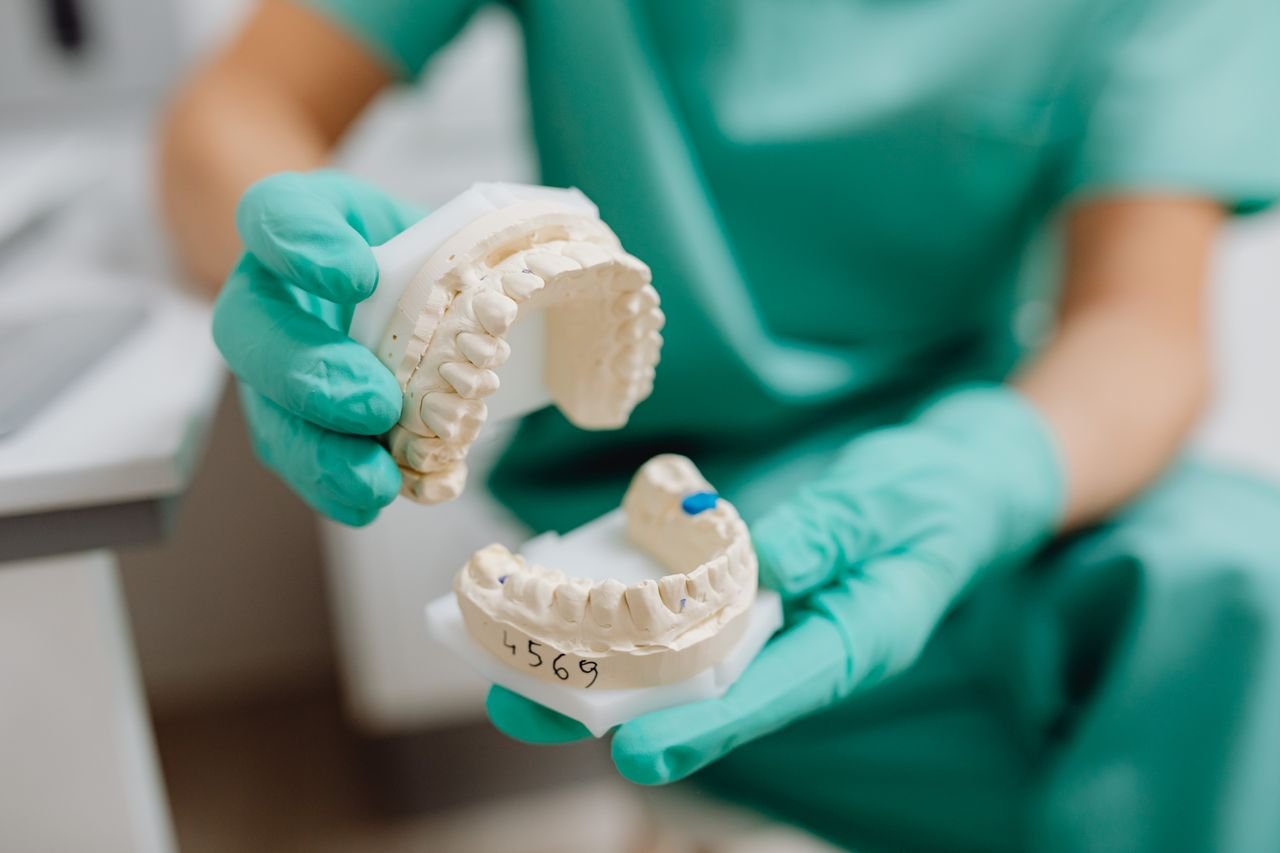
- Impression or scan: a precise record is taken for the lab.
- Temporary crown: a temporary protects the tooth while the permanent crown is made.
- Final fitting: the permanent crown is checked for fit, bite, and colour, then cemented or bonded.
Does Getting a Crown Hurt?
With local anaesthetic, the procedure usually feels like pressure and vibration rather than pain. Mild gum tenderness or temperature sensitivity can last a few days afterward. Sedation is available for patients with dental anxiety. Pain that worsens, or a crown that feels high when you bite, should be checked.
How Long Do Crowns Last?
Most crowns last 10 to 15 years, and many last longer. Lifespan depends on material, bite forces, grinding, and oral hygiene. The tooth under a crown can still decay at the edge near the gum, so brushing, flossing, and checkups remain important.
How Do You Care for a Crown?
- Brush twice daily with a soft brush, focusing on the gumline.
- Floss every day, sliding floss out sideways around new crowns if advised.
- Avoid chewing ice, hard candy, and pens.
- Wear a nightguard if you grind or clench.
- Keep regular dental checkups and cleanings.
How Do Dentists Choose the Right Crown Material?
Choosing a material is a balance between appearance, strength, and how much natural tooth can be preserved. Your dentist considers several factors:
- Tooth location: front teeth need the most lifelike appearance, while back molars need maximum strength.
- Bite forces: patients who grind or clench benefit from tougher materials such as zirconia or gold.
- Remaining tooth structure: some materials need less reduction, which helps preserve healthy tooth.
- Gum line: thin gums may show a metal edge, so all-ceramic options are often preferred there.
- Neighbouring teeth: the crown should match the shade and translucency of adjacent teeth.
- Personal preferences: some patients prefer metal-free restorations.
What Is a Temporary Crown and How Should You Treat It?
A temporary crown protects the prepared tooth while the permanent crown is made. It is made from acrylic or resin and is held with softer cement so it can be removed easily. Because of this, it needs a little extra care:
- Avoid sticky foods such as caramel and gum.
- Chew mainly on the other side.
- Slide floss out sideways instead of pulling it up.
- Call your dentist if the temporary comes off so the tooth can be protected.
Leaving a prepared tooth uncovered for long can cause sensitivity and allow teeth to shift, which may affect how the final crown fits.
What Are the Benefits of a Crown?
- Protects a weakened tooth from cracking further.
- Restores normal chewing and bite function.
- Improves the appearance of discoloured or misshapen teeth.
- Seals the tooth against new decay when margins are healthy.
- Can save a tooth that might otherwise need extraction.
Are There Any Drawbacks?
A crown requires removing some healthy enamel to make space, which cannot be undone. Temporary sensitivity is common, and in a small number of cases the nerve of a heavily damaged tooth may later need root canal treatment. Porcelain can chip under heavy forces. Discussing these points openly helps you make an informed choice.
Common Myths About Caps and Crowns
Myth: “A cap is cheaper or smaller than a crown.”
They are the same thing. Any difference in treatment comes from the material or the tooth’s needs, not the name.
Myth: “A crowned tooth can never get a cavity.”
The crown itself cannot decay, but the natural tooth beneath it can, especially at the margin.
Myth: “Crowns always look fake.”
Modern ceramics are shade-matched and layered to look like natural enamel.
Myth: “Every crown needs a root canal.”
Many crowns are placed on teeth with healthy nerves. A root canal is needed only if the pulp is infected or badly inflamed.
Crowns on Natural Teeth vs. Crowns on Implants
| Feature | Crown on Natural Tooth | Crown on Implant |
|---|---|---|
| Foundation | Your prepared tooth and root | A titanium post in the jawbone |
| Can the base decay? | Yes, at the margin | No, but gums can become infected |
| Sensitivity | Possible if the nerve is alive | None, since there is no nerve |
| Attachment | Cemented or bonded | Cemented or screwed onto an abutment |
| Main maintenance focus | Preventing decay at the edge | Keeping gums and bone healthy |
Both types look alike once placed, and both depend on healthy gums and regular cleanings for long-term success.
Can Children Get Crowns?
Yes. Children sometimes need crowns on baby molars that have large cavities or have had nerve treatment. These are often preformed stainless steel or tooth-coloured crowns that protect the tooth until it falls out naturally. Keeping baby teeth healthy supports chewing, speech, and space for adult teeth.
What Should You Expect After Your Crown Is Placed?
Most people return to normal eating once numbness wears off, although chewing gently for the first day is wise. It is normal for the crown to feel slightly different for a few days while your tongue and bite adjust. If the crown feels like it hits first when you close, a quick adjustment is simple and prevents soreness. Keep your routine checkups so your dentist can monitor the margins and gums over time.
What Are the Signs a Crown Needs Attention?
- A crown that feels loose or moves.
- Pain when biting or sensitivity that develops years later.
- A dark line or gap at the gumline.
- Chipped porcelain.
- Swollen or bleeding gums around the crown.
- A bad taste or odour near the crown.
If a crown falls off, keep it safe and call your dentist. Avoid using household glue, which can damage the tooth and crown.
Is It Safe to Delay Getting a Crown?
When a dentist recommends a crown, it is usually because the tooth is at risk of cracking or decaying further. Delaying for a short time may be fine if the tooth is comfortable, but a weakened tooth can fracture unexpectedly, sometimes below the gumline where it cannot be saved. If cost or timing is a concern, ask about temporary protection, phased treatment, or financing so the tooth stays safe while you plan.
Acting early often means a simpler crown, less tooth loss, and fewer surprises down the road.
Trusted Crown Treatment at Dana Dental Aurora
When you want the best dental clinic in Aurora for restorative care, Dana Dental Aurora offers experience, precision, and comfort. With a 5.0 Google rating and more than 485 patient reviews, our office at 15277 Yonge St., Suite 1 & 2, Aurora, ON, Canada is known as one of the area’s most trusted clinics.
As a top dentist in Aurora team, we provide general dentistry, caps and crowns, dental implants, emergency dentistry, wisdom teeth removal, fillings, pediatric dentistry, root canal therapy, sedation, cosmetic dentistry, bonding, veneers, teeth whitening, bridges, mouthguards, and nightguards. New patients and CDCP (Canadian Dental Care Plan) patients are welcome, and our New Patient Special introductory package is a simple way to start.
CareCredit financing lets you spread treatment costs into affordable monthly instalments, and flexible evening and weekend appointments make it easier to fit care into your schedule. Call +1 (647) 494-5006 or email info@danadentalaurora.ca, and our team will get back to you promptly.
All treatment is provided by dentists registered with the Royal College of Dental Surgeons of Ontario (RCDSO). This information is educational and does not replace a professional assessment.
If you have been told you need a crown and want a second opinion, bring your X-rays or treatment plan and our team will review your options with you.
Frequently Asked Questions
Is a cap the same as a crown?
Yes. “Cap” is an older, informal term, and “crown” is the clinical term. Both describe a covering over the whole visible tooth.
How long does it take to get a crown?
Traditional crowns usually take two visits about two weeks apart. Some cases can be completed faster depending on technology and material.
Can a crown be whitened?
No. Whitening does not change crown colour. If you plan to whiten, do it before a crown is made so the shade can match.
Can a crown fall off?
It can, often due to decay underneath or cement wearing out. Call your dentist and keep the crown to see if it can be reused.
Do crowns feel different from natural teeth?
There may be a short adjustment period, but a well-fitted crown soon feels like a natural part of your bite.
Conclusion
A cap and a crown are the same restoration, just described with different words.
Crowns protect weak, cracked, or root-canal-treated teeth and top dental implants.
A dental exam helps you choose the right material and keep your crown healthy for years.