
Traditional porcelain veneers are considered a permanent, or more accurately irreversible, treatment because a thin layer of enamel is usually removed to fit them, so the tooth will always need some form of covering afterward. The veneers themselves are not lifelong: most porcelain veneers last 10 to 20 years before they need replacing, and composite veneers usually last 5 to 7 years. Choosing veneers is a cosmetic decision, not an urgent one, and our dental veneers in Aurora are planned carefully so you can make it with full information.
This is one of the most important questions to ask before committing to a smile makeover. At Dana Dental Aurora, we explain exactly how much tooth preparation your case needs, what the veneers will look like over time, and which alternatives could give a similar result with less change to your natural teeth.
Veneers are one tool within broader cosmetic dentistry. For minor chips or small gaps, dental bonding may achieve a natural result with little or no enamel removal, and it can be reversed or adjusted more easily.
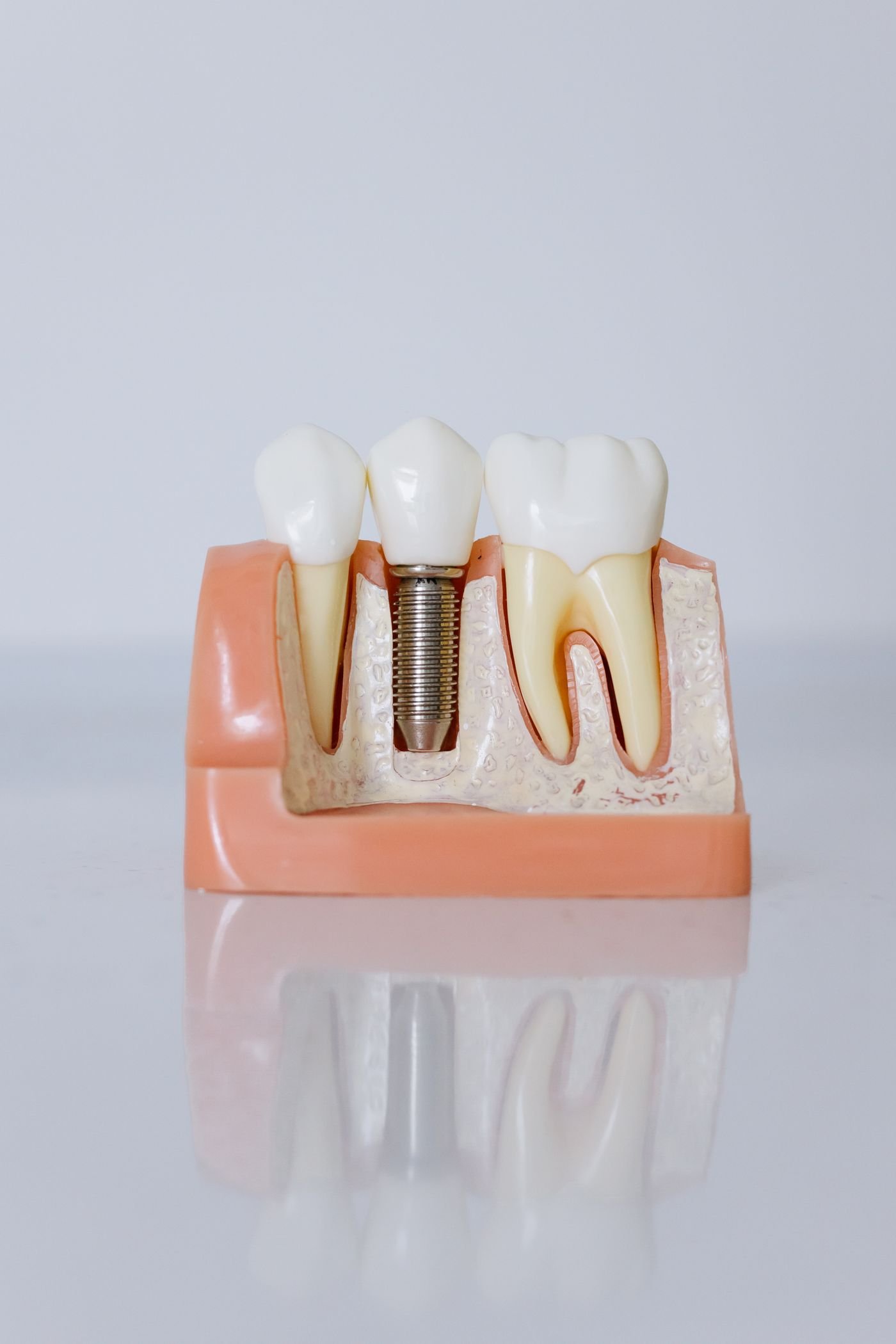
If your main concern is colour, professional teeth whitening is often the best first step. And if a front tooth is missing rather than damaged, veneers are not the answer; a dental implant with a matching crown can fill the gap while veneers refine the teeth around it.
What Are Dental Veneers?
Dental veneers are thin, custom-made shells bonded to the front surfaces of teeth to improve their colour, shape, size, or alignment appearance. They are most often made of porcelain (ceramic) or composite resin. Veneers are commonly used to address:
- Stubborn discolouration that does not respond to whitening.
- Chipped, worn, or uneven teeth.
- Small gaps between front teeth.
- Mildly crooked or irregular teeth, where orthodontics is not preferred.
- Teeth that look too short or small.
Why Are Veneers Considered Permanent?
To make room for porcelain veneers so they do not look bulky, dentists usually remove a thin layer of enamel, often around half a millimetre. Enamel does not grow back. Once removed, the tooth needs a veneer, crown, or other restoration to protect it and maintain its appearance. This is why veneers are described as permanent: the commitment is lifelong, even though individual veneers are replaced over time.
Are There Reversible Veneer Options?
Some approaches are more conservative:
- No-prep or minimal-prep veneers: ultra-thin porcelain placed with little or no enamel removal. They suit only certain cases, such as small or worn teeth, and can look bulky if misused.
- Composite veneers: resin layered directly onto the tooth, often with minimal preparation. They are easier to repair and adjust.
- Dental bonding: small additions to reshape teeth, generally reversible.
Porcelain vs. Composite Veneers
| Feature | Porcelain Veneers | Composite Veneers |
|---|---|---|
| Typical lifespan | 10 to 20 years | 5 to 7 years |
| Stain resistance | Excellent | Moderate, can stain over time |
| Appearance | Highly natural, reflects light like enamel | Natural, may lose polish |
| Enamel removal | Usually a thin layer | Minimal to none |
| Repairs | Usually replaced if chipped | Easy to repair chairside |
| Visits | Usually two or more | Often one |
How Long Do Veneers Last, and What Affects Lifespan?
Several factors influence how long veneers last:
- Material: porcelain outlasts composite.
- Bite forces: grinding and clenching increase the risk of chipping.
- Habits: biting nails, pens, or ice can crack veneers.
- Oral hygiene: decay or gum recession at the edges can shorten lifespan.
- Bonding quality: careful technique and healthy enamel improve adhesion.
What Is the Veneer Process Step by Step?
- Consultation: discuss goals, check teeth and gums, and review alternatives.
- Smile design: photos, scans, and sometimes a preview mock-up show how the result will look.
- Preparation: a thin layer of enamel is removed under local anaesthetic where needed.
- Impressions or scans: records are sent to the lab.
- Temporaries: temporary veneers may be placed while the final ones are made.
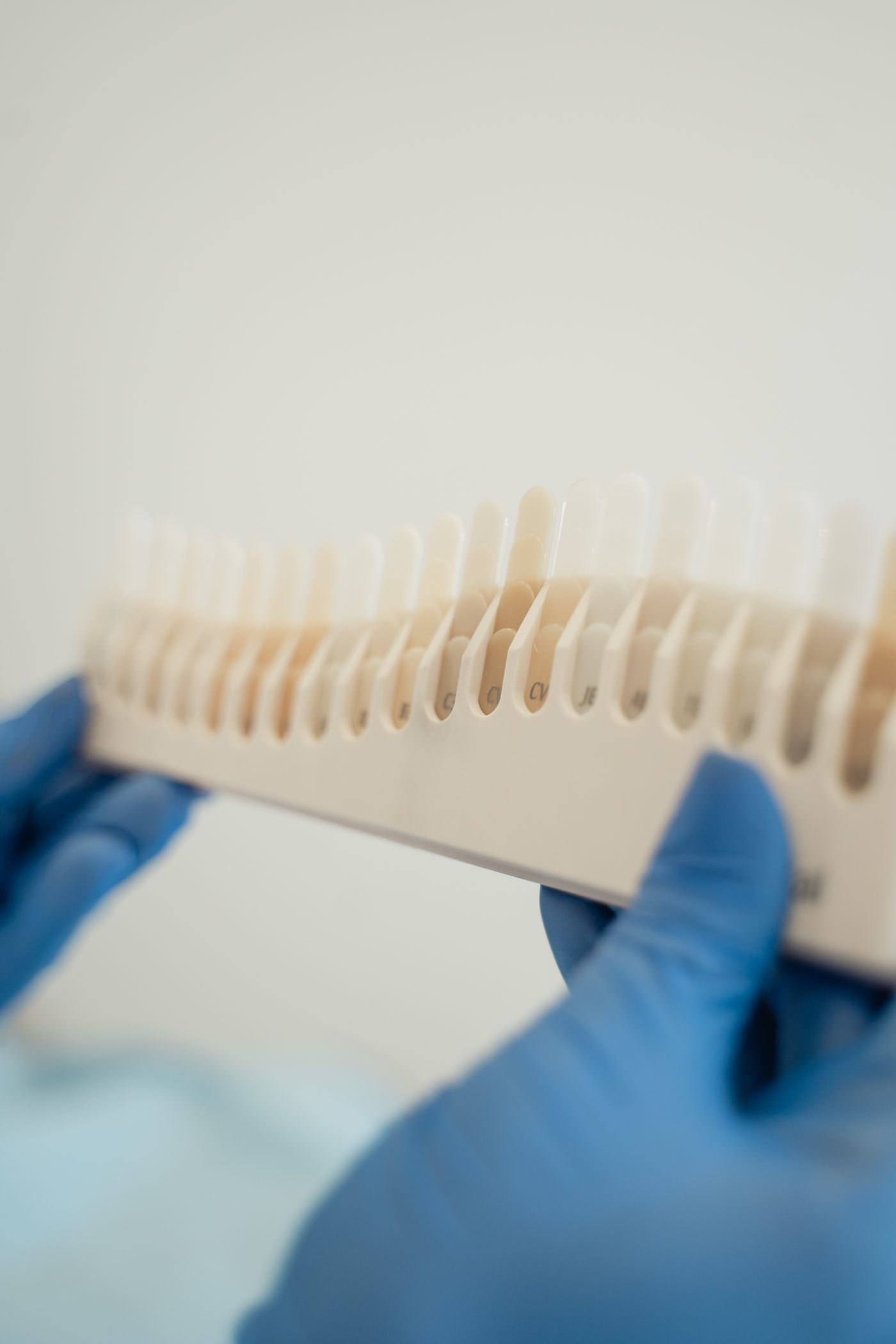
- Try-in: fit, colour, and shape are checked before bonding.
- Bonding: veneers are permanently bonded and the bite is adjusted.
- Follow-up: a check-in confirms comfort and gum health.
What Happens When a Veneer Needs Replacing?
When a veneer chips, stains at the edge, or no longer matches, your dentist removes it carefully and bonds a new one. Sometimes a little more tooth needs reshaping. If decay has developed under the veneer, the tooth may need a filling or a crown instead.
Veneers vs. Crowns vs. Bonding: Which Is Right for You?
| Factor | Porcelain Veneers | Crowns | Bonding |
|---|---|---|---|
| Tooth coverage | Front surface only | Entire visible tooth | Small targeted areas |
| Enamel removal | Thin layer | More reshaping | Little or none |
| Best for | Cosmetic changes to healthy teeth | Weak, cracked, or heavily filled teeth | Minor chips and gaps |
| Reversibility | Irreversible | Irreversible | Mostly reversible |
| Longevity | 10 to 20 years | 10 to 15 years or more | 3 to 7 years |
A tooth with a large filling or a crack often needs a crown rather than a veneer, because a veneer relies on healthy enamel for bonding and does not protect the back of the tooth.
What Should You Consider Before Committing to Veneers?
- Your goals: are you mainly unhappy with colour, shape, spacing, or alignment?
- Your age: younger patients will likely replace veneers several times over a lifetime.
- Your habits: nail biting, grinding, and chewing hard objects reduce lifespan.
- Long-term maintenance: periodic replacement should be part of your planning.
- Less invasive options: whitening, bonding, or orthodontics may achieve your goal first.
- A preview: a mock-up lets you see and test the look before any tooth is prepared.
How Many Veneers Do Most People Need?
It depends on your smile line. Some people need just one veneer to fix a single discoloured or chipped tooth. Others choose four to six for the upper front teeth, while people with broad smiles may choose eight or more so the transition to natural teeth is not visible. Your dentist will look at which teeth show when you speak and smile and recommend the smallest number that achieves a balanced result.
Can Veneers Cause Sensitivity?
Mild sensitivity to hot and cold is common for a few days after preparation because enamel has been reduced. This usually settles once the final veneers are bonded and the tooth adjusts. Sensitivity that persists for weeks, or sharp pain on biting, should be checked, as it may indicate a bite issue or irritation of the nerve.
Common Myths About Veneers
Myth: “Veneers ruin your teeth.”
Properly planned veneers remove only a thin layer of enamel. The tooth underneath stays healthy with good care.
Myth: “Veneers look fake.”
Poorly designed veneers can look unnatural, but well-planned porcelain veneers are matched to your face, gums, and neighbouring teeth.
Myth: “Veneers can be whitened later.”
Veneer colour cannot be changed with whitening. Whiten natural teeth first so veneers can be matched.
Myth: “Veneers protect teeth from cavities.”
The veneer cannot decay, but the natural tooth around and behind it can.
What Do Veneers Feel Like Day to Day?
Once bonded, well-made veneers feel very much like natural teeth. There may be a short adjustment period of a few days as your tongue gets used to the new contours, and some people notice a slight change in how certain sounds feel when speaking. This usually settles within a week. You can eat normally, although it is wise to cut hard foods like apples or crusty bread into smaller pieces rather than biting directly with your front teeth.
What Are the Signs a Veneer Needs Attention?
- A visible chip or crack in the porcelain.
- A dark line or stain at the edge where the veneer meets the tooth.
- A veneer that feels loose or rough.
- Gum recession exposing the edge of the veneer.
- Sensitivity or discomfort that develops years later.
Small issues such as rough edges or minor staining at the margin can often be polished or repaired. A loose veneer should be rebonded promptly to prevent decay underneath.
How Do Veneers Fit Into a Complete Smile Plan?
The most natural results often come from combining treatments in a logical order. A common plan might start with a cleaning and any needed fillings, then whitening for the natural teeth that will remain visible, followed by veneers matched to the new, brighter shade. When teeth are crowded, a period of orthodontic alignment first can mean fewer veneers and less enamel removal. Planning the full sequence from the start avoids redoing work and protects your natural teeth.
Are Veneers Suitable for Teenagers?
Veneers are generally not recommended for teenagers. Teeth and gums are still maturing, and the nerve chamber in young teeth is larger, which makes preparation riskier. Because veneers will need replacing several times over a lifetime, starting early means more replacements. Bonding or whitening, where appropriate, is usually a better short-term option for younger patients.
Who Is a Good Candidate for Veneers?
- Adults with healthy gums and no active decay.
- People with enough enamel for bonding.
- Those whose concerns are mostly cosmetic.
- Patients who do not grind heavily, or who will wear a nightguard.
People with severe crowding, significant bite problems, or heavy grinding may need other treatments first.
How Do You Care for Veneers?
- Brush twice daily with a non-abrasive toothpaste.
- Floss every day to protect the gum edges.
- Wear a nightguard if you grind.
- Avoid biting hard objects with front teeth.
- Limit heavy staining drinks to protect composite veneers and bonding edges.
- Keep regular checkups and cleanings.
Does Insurance Cover Veneers?
Because veneers are usually cosmetic, many insurance plans do not cover them. Coverage may apply when a veneer or crown restores a tooth damaged by injury or decay. Our team can review your plan with you before treatment, and financing options can help spread out the cost of elective care so you can plan comfortably.
Taking time to understand the long-term commitment is the best way to enjoy veneers for years without regret.
If you are still deciding, a preview mock-up is a low-pressure way to see how veneers could change your smile before any tooth is touched.
Thoughtful Veneer Care From a Cosmetic Dentist in Aurora
If you are looking for a cosmetic dentist in Aurora, Dana Dental Aurora offers honest guidance and natural-looking results. We are proud of our 5.0 Google rating and more than 485 patient reviews at 15277 Yonge St., Suite 1 & 2, Aurora, ON, Canada.
Our team provides general dentistry, caps and crowns, dental implants, emergency dentistry, wisdom teeth removal, fillings, pediatric dentistry, root canal therapy, sedation, cosmetic dentistry, bonding, veneers, teeth whitening, bridges, mouthguards, and nightguards. New patients and CDCP (Canadian Dental Care Plan) patients are welcome, and our New Patient Special introductory package is a great way to begin.
CareCredit financing helps you break treatment costs into affordable monthly instalments, and flexible evening and weekend appointments suit busy schedules. Call +1 (647) 494-5006 or email info@danadentalaurora.ca, and our team will reply promptly.
All care is provided by dentists registered with the Royal College of Dental Surgeons of Ontario (RCDSO). This article is general information, and your options should be confirmed through a personal consultation.
Our team is always happy to answer questions by phone or email before you book.
Frequently Asked Questions
Can veneers be removed?
Veneers can be removed by a dentist, but because enamel was usually prepared, the tooth will need a new veneer or another restoration.
Do veneers hurt?
Preparation is done under local anaesthetic. Mild sensitivity for a few days afterward is common.
Can I get just one veneer?
Yes. Single veneers are common for a chipped or discoloured tooth, though matching colour carefully is important.
Are composite veneers permanent?
They are less permanent because they often need little or no enamel removal and can be repaired or removed more easily.
Can veneers fix crooked teeth?
They can improve the look of mildly irregular teeth, but they do not move teeth or correct the bite.
Conclusion
Porcelain veneers are usually a permanent commitment because some enamel is removed.
The veneers themselves last many years but will eventually need replacing.
A careful consultation helps you choose between veneers, bonding, and whitening with confidence.