
You may need a tooth extraction if a tooth is too damaged or infected to be repaired, is loose from advanced gum disease, is an impacted wisdom tooth causing pain or infection, or is crowding other teeth. Common warning signs include severe or lingering pain, swelling, a cracked tooth that extends below the gumline, and a tooth that moves when you bite. Extraction is always the last resort, so a dentist will first check whether the tooth can be saved. Our tooth extractions and wisdom teeth removal are done gently, with comfort as the priority.
Needing a tooth removed is common, and in most cases it is planned rather than urgent. However, swelling, fever, or pain that keeps you awake can signal an infection that needs prompt attention. At Dana Dental Aurora, we explain every option before recommending extraction so you can decide with confidence.
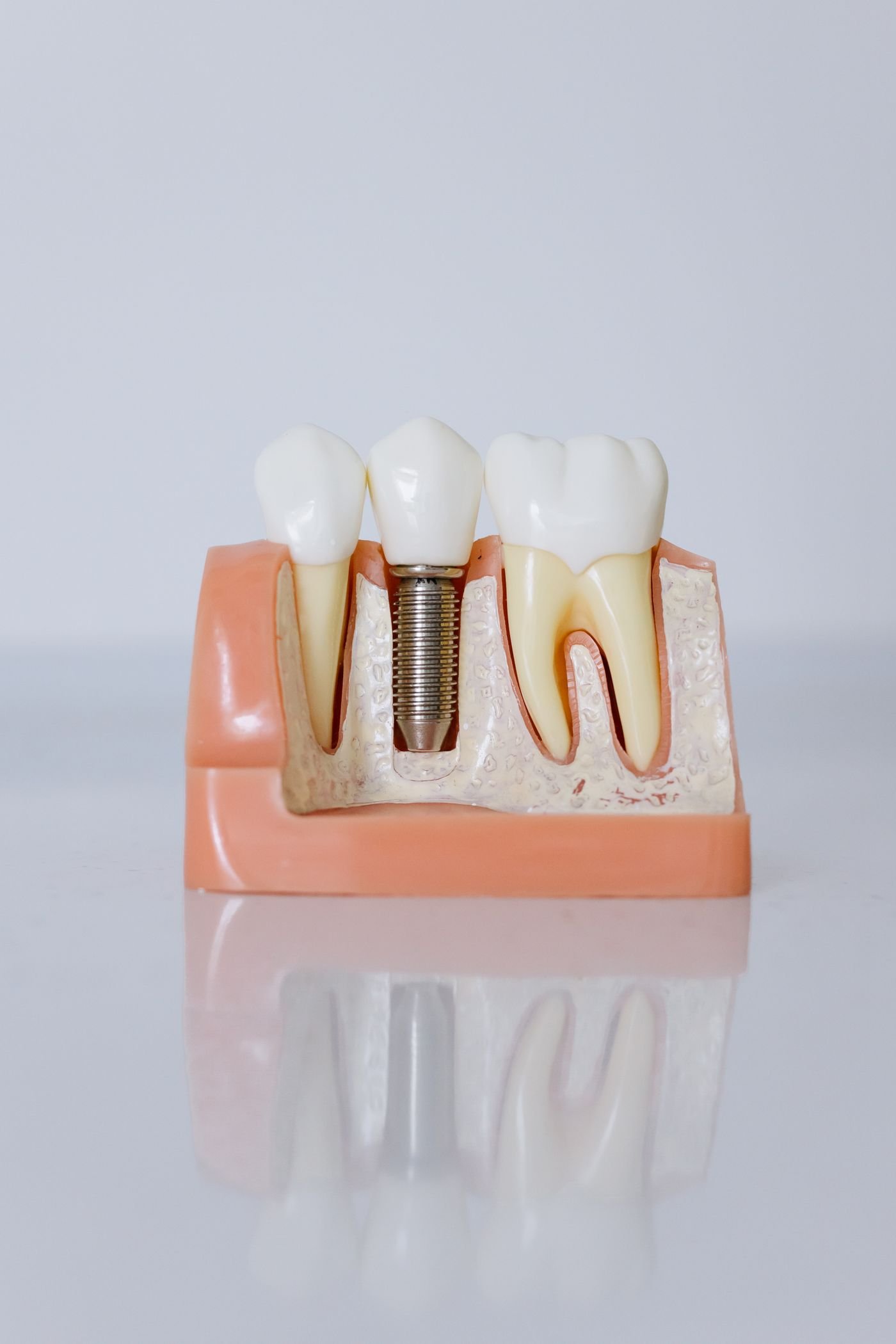
Many painful teeth can still be saved. When infection reaches the nerve but the tooth structure is strong enough, root canal therapy removes the infected tissue and keeps your natural tooth in place. If a tooth truly cannot be saved, dental implants offer a stable, natural-looking replacement once the area heals.
Sudden pain, facial swelling, or a broken tooth after an accident may need same-day care through our emergency dentistry service. For patients who feel nervous about extractions, sedation dentistry helps make the visit calm and comfortable.
What Is a Tooth Extraction?
A tooth extraction is the removal of a tooth from its socket in the jawbone. There are two main types:
- Simple extraction: used for teeth that are fully visible above the gum. The tooth is loosened and removed with specialized instruments under local anaesthetic.
- Surgical extraction: used for teeth that are broken at the gumline, have curved roots, or are impacted, such as many wisdom teeth. A small incision may be needed, and the tooth may be removed in sections.
What Are the Signs You May Need an Extraction?
- Severe decay that has destroyed most of the tooth.
- Deep infection or abscess that cannot be resolved with a root canal.
- A crack or fracture that extends below the gumline or splits the root.
- Advanced gum disease with significant bone loss and a very loose tooth.
- Impacted wisdom teeth causing pain, swelling, cysts, or damage to neighbouring teeth.
- Severe crowding where space is needed for orthodontic treatment.
- Baby teeth that have not fallen out and are blocking adult teeth.
- Failed previous treatment, such as a root canal tooth that has become reinfected and cannot be retreated.
Save or Extract? How Dentists Decide
| Situation | Can It Usually Be Saved? | Common Treatment |
|---|---|---|
| Large cavity, healthy root | Yes | Filling, onlay, or crown |
| Infected nerve, solid tooth structure | Yes | Root canal therapy and crown |
| Crack limited to the crown | Often | Crown, sometimes root canal |
| Vertical root fracture | Rarely | Extraction |
| Very loose tooth from bone loss | Sometimes, with gum therapy | Periodontal treatment or extraction |
| Impacted, symptomatic wisdom tooth | Not usually kept | Extraction |
Why Are Wisdom Teeth Often Removed?
Wisdom teeth, or third molars, usually appear between ages 17 and 25. Many jaws do not have enough room for them, so they become impacted, partially erupted, or grow at an angle. This can lead to:
- Recurring gum infection around a partially erupted tooth (pericoronitis).
- Decay in the wisdom tooth or the molar in front of it.
- Pressure, pain, and jaw stiffness.
- Cysts that can damage bone.
Not every wisdom tooth needs removal. Healthy, fully erupted, cleanable wisdom teeth can be monitored with regular X-rays.
What Happens During a Tooth Extraction?
- Assessment: the dentist reviews your medical history, medications, and X-rays.
- Anaesthetic: the area is numbed, and sedation can be added for comfort.
- Loosening: the tooth is gently loosened from the ligament that holds it.
- Removal: the tooth is lifted out, or removed in sections for surgical cases.
- Cleaning: the socket is cleaned, and stitches or graft material may be placed.
- Gauze and instructions: you bite on gauze to form a clot and receive written aftercare.
What Does Recovery Look Like?
| Time After Extraction | What to Expect |
|---|---|
| First 24 hours | Some bleeding and oozing, numbness wearing off, mild to moderate pain |
| Days 2 to 3 | Swelling peaks, then begins to settle |
| Days 4 to 7 | Discomfort fades, most normal activities resume |
| Weeks 1 to 2 | Gum closes over the socket |
| Months 1 to 4 | Bone fills in beneath the gum |
How Can You Heal Faster After an Extraction?
- Bite on gauze for 30 to 45 minutes after the procedure.
- Avoid straws, spitting, and smoking for at least 72 hours to protect the clot.
- Use a cold compress for the first day to limit swelling.
- Eat soft, cool foods and chew on the opposite side.
- After 24 hours, rinse gently with warm salt water after meals.
- Take pain relief as advised for your health history.
- Rest and avoid strenuous exercise for a day or two.
What Foods Are Best in the First Week?
- Day 1: cool, smooth foods such as yogurt, pudding, applesauce, and smoothies eaten with a spoon.
- Days 2 to 3: lukewarm soups, mashed potatoes, scrambled eggs, and oatmeal.
- Days 4 to 7: soft pasta, fish, cooked vegetables, and soft bread, chewing away from the site.
- Avoid for a week: nuts, seeds, chips, popcorn, spicy food, alcohol, and very hot drinks.
When Should You Call the Dentist After an Extraction?
Contact your dental office if you notice bleeding that continues after an hour of firm pressure, pain that worsens after day three, increasing swelling, fever, pus, or numbness that does not fade. These signs are uncommon, but early attention prevents small issues from becoming bigger ones.
What Are the Options After a Tooth Is Removed?
- Dental implant: a titanium post and crown that preserve bone and do not affect neighbouring teeth.
- Dental bridge: a fixed replacement anchored to nearby teeth.
- Partial or full denture: a removable option for one or several missing teeth.
- No replacement: sometimes appropriate for wisdom teeth or orthodontic extractions.
What Should You Tell Your Dentist Before an Extraction?
Sharing your full health picture helps your dentist plan a safe procedure. Be sure to mention:
- All medications, including blood thinners, aspirin, and supplements such as fish oil.
- Any bone-strengthening medications, especially injections for osteoporosis.
- Heart conditions, joint replacements, or conditions that may need antibiotic precautions.
- Diabetes and how well it is currently controlled.
- Pregnancy or breastfeeding.
- Past reactions to anaesthetic or sedation.
- Whether you smoke or vape.
Why Does Keeping Your Natural Tooth Matter?
Natural teeth are held in place by a ligament that cushions biting forces and gives you a sense of how hard you are chewing. They also keep the surrounding bone stimulated and stable. When a tooth is removed, the jawbone in that area begins to shrink, and nearby teeth can drift. That is why dentists try to save teeth whenever it is safe and predictable to do so.
That said, keeping a hopeless tooth can cause more harm than good. A chronically infected or cracked tooth can damage bone and affect neighbouring teeth, which makes later replacement harder. Knowing when to let go is part of good care.
What Is Socket Preservation?
Socket preservation is a procedure performed right after an extraction in which bone graft material is placed into the empty socket and covered to protect it. It helps limit the natural shrinkage of bone that follows tooth loss. This is especially useful when you plan to replace the tooth with an implant, because it keeps more bone available for the implant post and supports a more natural gum contour around the final crown.
How Are Children’s Extractions Different?
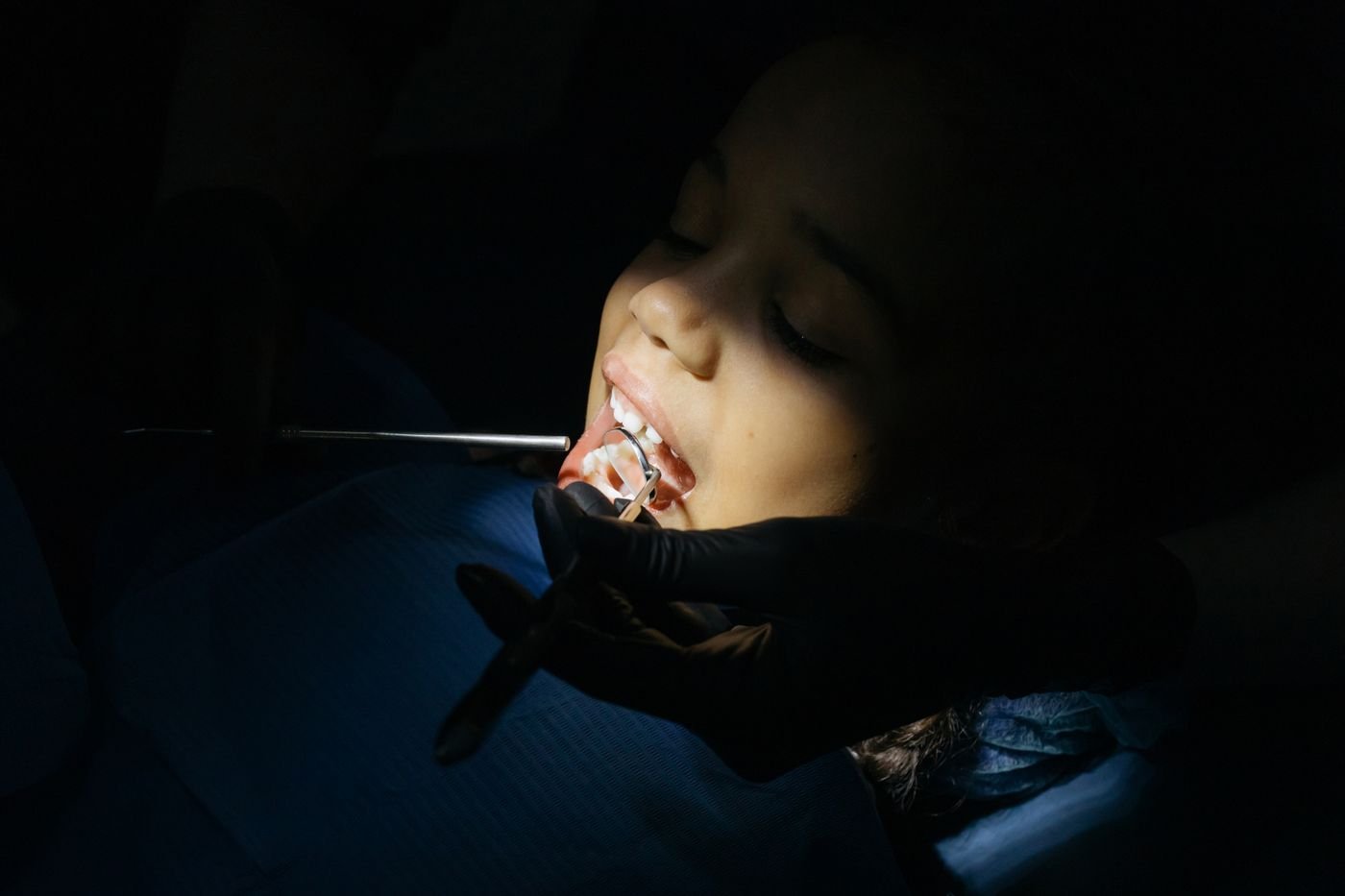
Baby teeth have shorter roots and are usually easier to remove. Extractions in children are typically needed for severe decay, infection, injury, or baby teeth that refuse to fall out and block adult teeth. When a baby tooth is lost early, a space maintainer may be recommended to hold room for the adult tooth. A calm, child-friendly approach helps young patients feel safe during the visit.
What Are the Possible Complications?
Most extractions heal without problems. Less common complications include dry socket, infection, prolonged bleeding, temporary numbness from nerve irritation (mainly with lower wisdom teeth), and a small opening into the sinus with upper back teeth. Careful planning with X-rays and following aftercare instructions greatly reduce these risks.
Common Myths About Tooth Extractions
Myth: “Pulling a tooth is always the cheapest solution.”
Extraction may cost less initially, but replacing the tooth later with an implant or bridge adds up. Saving a natural tooth is often the better long-term value.
Myth: “Extractions are extremely painful.”
Modern anaesthetic keeps extractions comfortable. Most people feel pressure, not pain.
Myth: “If a tooth stops hurting, it no longer needs treatment.”
Pain can stop when a nerve dies, but infection may continue silently and spread.
Myth: “All wisdom teeth must come out.”
Healthy, well-positioned wisdom teeth can sometimes stay with regular monitoring.
Is Sedation Needed for an Extraction?
Most simple extractions only need local anaesthetic. Sedation is helpful for patients with dental anxiety, a strong gag reflex, multiple extractions in one visit, or impacted wisdom teeth. Options range from mild relaxation to deeper sedation, and your dentist will recommend what suits your health and the complexity of the procedure. If you choose sedation, arrange for someone to drive you home and stay with you for a few hours.
Whatever level of comfort care you choose, the goal is the same: a smooth procedure, a clear recovery plan, and a team you can reach if questions come up afterward.
Asking questions before your appointment is always encouraged, and a short conversation often eases most of the worry people feel beforehand.
Gentle Extractions From a Trusted Dentist in Aurora
If you are looking for an emergency dental clinic in Aurora or a gentle dentist in Aurora for planned extractions, Dana Dental Aurora combines skill with a calm, caring approach. We have a 5.0 Google rating and more than 485 patient reviews at our office at 15277 Yonge St., Suite 1 & 2, Aurora, ON, Canada.
Our full range of services includes general dentistry, caps and crowns, dental implants, emergency dentistry, wisdom teeth removal, fillings, pediatric dentistry, root canal therapy, sedation, cosmetic dentistry, bonding, veneers, teeth whitening, bridges, mouthguards, and nightguards. We welcome new patients and CDCP (Canadian Dental Care Plan) patients, and our New Patient Special introductory package makes it easy to get started.
CareCredit financing lets you break treatment costs into affordable monthly instalments, and flexible evening and weekend scheduling helps when pain strikes outside regular hours. Call +1 (647) 494-5006 or email info@danadentalaurora.ca, and our team will respond quickly.
Our dentists are registered with the Royal College of Dental Surgeons of Ontario (RCDSO). This article is educational and does not replace a professional diagnosis. Swelling that affects breathing or swallowing needs emergency medical care.
Frequently Asked Questions
How do I know if my tooth can be saved?
An exam and X-rays show how much healthy tooth and bone remain. Your dentist will explain whether a filling, crown, or root canal can keep the tooth.
How long does a tooth extraction take?
A simple extraction often takes 20 to 40 minutes. Surgical extractions, including impacted wisdom teeth, can take longer.
Can I go to work after an extraction?
Many people return the next day. If you had sedation, plan to rest for the remainder of the day.
What is dry socket?
Dry socket happens when the blood clot is lost too early, exposing bone. It causes worsening pain a few days after extraction and is treated with a medicated dressing.
Should I replace a pulled tooth?
Replacing most teeth helps prevent shifting and bone loss. Wisdom teeth usually do not need replacement.
Conclusion
A tooth may need extraction when it is too damaged, infected, loose, or impacted to be saved.
Dentists always look for ways to keep a natural tooth before recommending removal.
If you have pain, swelling, or a cracked tooth, an early exam gives you the most options.