
Gums usually bleed when you brush because of gingivitis, an early and reversible form of gum inflammation caused by plaque building up along the gumline. It is very common and often improves within one to two weeks of better brushing, daily flossing, and a professional teeth cleaning in Aurora. Bleeding that continues despite good habits, or comes with receding gums, loose teeth, or bad breath, can point to more advanced gum disease and should be checked by a dentist.
Healthy gums should not bleed during normal brushing or flossing. Occasional pink in the sink after flossing a spot you usually skip is not a crisis, but it is a signal. At Dana Dental Aurora, we treat bleeding gums as an early warning that is easy to fix when caught in time.
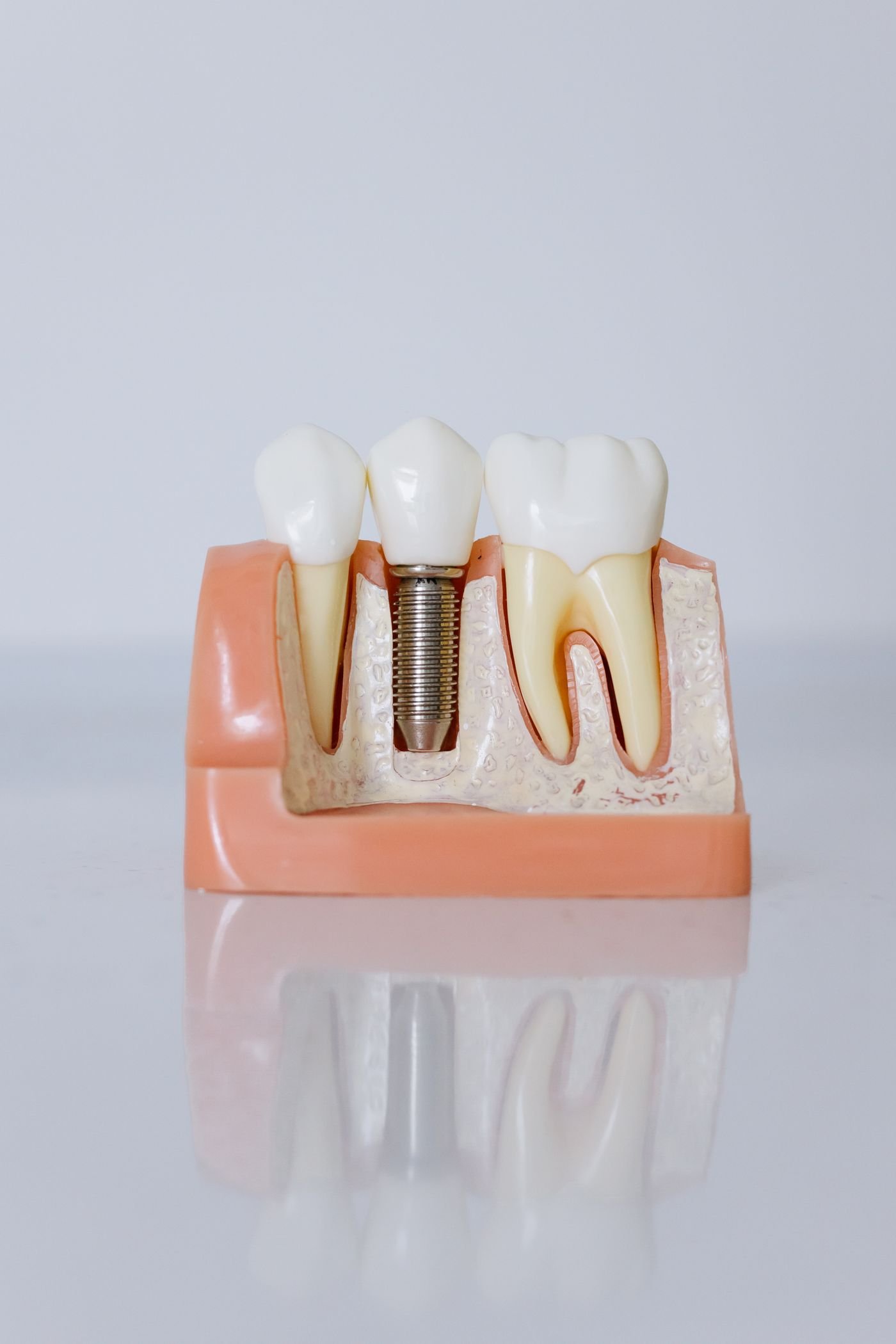
Gum disease is the leading cause of adult tooth loss when it is left untreated. The bone that holds teeth slowly breaks down, and teeth can loosen. If that has already happened, dental implants can replace lost teeth once the gums are healthy again, but prevention is always the better path.
Most bleeding gum problems are managed through routine general dentistry care: a thorough exam, gum measurements, cleaning above and below the gumline, and personalized home care coaching. If you have noticed bleeding for more than a week or two, you can request an appointment online and our team will find a convenient time.
What Does It Mean When Your Gums Bleed?
Bleeding gums are a sign of inflammation. When plaque, a sticky film of bacteria, sits along the gumline, the body sends extra blood to the area to fight the bacteria. The gum tissue becomes swollen, red, and fragile, so it bleeds easily when touched by a toothbrush or floss.
In short, bleeding is not caused by brushing too much. It is usually a sign the gums need more gentle, thorough cleaning, not less.
Is Bleeding Common, Temporary, or Serious?
| What You Notice | Possible Cause | Level of Concern |
|---|---|---|
| Light bleeding when you start flossing again | Mild gingivitis | Common, usually resolves in 1 to 2 weeks |
| Bleeding with a new, hard toothbrush | Brushing trauma | Temporary, switch to a soft brush |
| Bleeding during pregnancy | Pregnancy gingivitis | Common, but needs good care and checkups |
| Bleeding with receding gums or bad breath | Periodontitis | Serious, needs professional treatment |
| Bleeding with loose teeth or pus | Advanced gum disease or infection | Book a visit promptly |
| Unexplained bleeding elsewhere, easy bruising | Possible medical cause | See your physician |
What Are the Most Common Causes of Bleeding Gums?
1. Gingivitis
The earliest stage of gum disease. Gums look red and puffy and bleed easily, but no bone has been lost. Gingivitis is fully reversible.
2. Periodontitis
If gingivitis is not treated, inflammation can spread below the gumline and damage the bone and ligaments that hold teeth. Pockets form between the gum and tooth, and the damage is not fully reversible, though it can be controlled.
3. Brushing or Flossing Technique
Aggressive scrubbing or snapping floss into the gums can cause bleeding and recession. A soft brush and gentle technique protect the tissue.
4. Hormonal Changes
Puberty, pregnancy, and menopause can make gums more sensitive to plaque, increasing bleeding.
5. Medications
Blood thinners and some other medications make bleeding more likely. Certain drugs can also cause gum overgrowth, which traps plaque.
6. Smoking
Smoking can actually hide bleeding by reducing blood flow, so smokers may have gum disease without obvious bleeding.
7. Nutritional Deficiencies
Low vitamin C or vitamin K intake can contribute to bleeding gums, although this is uncommon with a balanced diet.
8. Medical Conditions
Diabetes, blood disorders, and some immune conditions can affect gum health. If bleeding is unusual or widespread, speak with your physician.
Gingivitis vs. Periodontitis: What Is the Difference?
| Feature | Gingivitis | Periodontitis |
|---|---|---|
| Affects | Gums only | Gums, bone, and ligaments |
| Bleeding | Common | Common |
| Gum recession | Usually none | Often present |
| Bone loss | No | Yes |
| Loose teeth | No | Possible in later stages |
| Reversible? | Yes | Can be controlled, not fully reversed |
What Can You Do at Home to Stop Bleeding Gums?
- Switch to a soft-bristled brush or an electric brush with a pressure sensor.
- Brush twice daily for two minutes, angling bristles at 45 degrees toward the gumline with small, gentle circles.
- Floss once a day, curving the floss in a C-shape around each tooth. Expect some bleeding for the first week; it should decrease.
- Try interdental brushes or a water flosser if you have wider spaces, bridges, or braces.
- Use an antibacterial mouthwash if your dentist recommends one.
- Quit smoking to improve blood flow and healing.
- Eat a balanced diet rich in fruits and vegetables and limit sugary snacks.
- Book a professional cleaning to remove hardened tartar you cannot remove at home.
How Do Dentists Treat Bleeding Gums?
Professional Cleaning
Scaling removes plaque and tartar above and just below the gumline. For gingivitis, this plus better home care often resolves bleeding within weeks.
Scaling and Root Planing
For periodontitis, a deep cleaning removes tartar from root surfaces inside the pockets and smooths the roots so gums can reattach. Local anaesthetic keeps it comfortable.
Antimicrobial Therapy
In some cases, antibacterial rinses or locally applied medications are used to reduce bacteria in deep pockets.
Periodontal Maintenance
Patients with a history of gum disease often need cleanings every three to four months to keep it under control.
Specialist Referral
Advanced cases may be referred to a periodontist for surgical treatment.
What Are the Stages of Gum Disease?
- Gingivitis: red, puffy gums that bleed easily. No bone loss. Fully reversible with cleaning and better home care.
- Early periodontitis: inflammation reaches below the gumline, pockets begin to deepen, and small amounts of bone are lost.
- Moderate periodontitis: deeper pockets, more bone loss, gum recession, and sometimes sensitivity or bad breath.
- Advanced periodontitis: significant bone loss, loose or shifting teeth, pus, and a real risk of tooth loss.
The earlier the stage, the simpler the treatment. That is why bleeding, even without pain, is worth taking seriously.
What Happens During a Gum Health Exam?
A gum exam is quick and comfortable. Your dentist or hygienist gently measures the space between each tooth and gum with a small ruler called a periodontal probe. Healthy pockets are usually one to three millimetres deep. Deeper readings, bleeding points, recession, and tooth mobility are recorded so changes can be tracked over time. X-rays may be taken to check the bone level around the roots.
You receive a clear explanation of what the numbers mean and a plan to bring them back to a healthy range.
Which Tools Work Best for Cleaning Along the Gums?
| Tool | Best For | Tip |
|---|---|---|
| Soft manual toothbrush | Everyday cleaning | Replace every three months |
| Electric toothbrush | People who brush too hard or too briefly | Choose one with a pressure sensor and timer |
| String floss | Tight contacts between teeth | Wrap around each tooth in a C-shape |
| Interdental brushes | Larger spaces and gum recession | Pick the size that fits snugly without force |
| Water flosser | Bridges, implants, and braces | Use in addition to brushing |
Are Some People More Prone to Gum Problems?
Yes. Genetics play a role, and some people develop gum disease even with good habits. Smokers, people with diabetes, those taking medications that cause dry mouth, and anyone with crowded teeth that are hard to clean face higher risk. For these patients, more frequent professional cleanings and tailored home care make a meaningful difference.
Common Myths About Bleeding Gums
Myth: “If my gums bleed, I should stop flossing.”
Stopping allows plaque to build and makes inflammation worse. Gentle, daily flossing is what helps the bleeding stop.
Myth: “Bleeding gums are normal.”
Common does not mean healthy. Healthy gums do not bleed with routine brushing.
Myth: “No pain means no gum disease.”
Gum disease is often painless until it is advanced. Bleeding may be the only early sign.
Myth: “Mouthwash alone can fix it.”
Mouthwash can help, but it cannot remove tartar or reach deep pockets. Mechanical cleaning is essential.
How Do Diet and Lifestyle Affect Your Gums?
What you eat and how you live affect gum tissue as much as your brushing routine. Frequent sugary snacks feed the bacteria in plaque, while a diet rich in vegetables, fruit, lean protein, and whole grains supplies vitamins that support tissue repair. Vitamin C in particular helps maintain healthy collagen in the gums.
Other lifestyle habits help too:
- Drink water throughout the day to keep saliva flowing.
- Limit alcohol, which can dry the mouth.
- Manage stress through sleep, exercise, and relaxation.
- Avoid tobacco in all forms, including vaping.
- Keep regular checkups so small changes are caught early.
Can Children and Teens Have Bleeding Gums?
Yes. Children often get gingivitis when brushing along the gumline is missed, and teens with braces are especially prone because brackets trap plaque. Hormonal changes during puberty can also make gums more reactive. Helping children brush at an angle toward the gums and introducing flossing early builds habits that protect their gums for life.
Why Does Gum Health Matter for Your Overall Health?
Research has found associations between periodontitis and conditions such as diabetes and heart disease. Gum inflammation can make blood sugar harder to control, and managing gum disease may help. While more research is ongoing, keeping gums healthy is a simple way to support your overall wellbeing.
A useful rule of thumb is to track your bleeding for two weeks after improving your routine. If it is steadily decreasing, your gums are responding well. If it stays the same or gets worse, the cause may be tartar below the gumline or deeper inflammation that home care cannot reach.
When Should You See a Dentist About Bleeding Gums?
- Bleeding that lasts more than two weeks despite good home care.
- Gums that are receding or pulling away from teeth.
- Persistent bad breath or a bad taste.
- Loose or shifting teeth.
- Pus between teeth and gums.
- Pain when chewing.
Healthy Gums Start at Dana Dental Aurora
Patients searching for a dentist in Aurora or a family dentist in Aurora trust Dana Dental Aurora for gentle, thorough gum care. We hold a 5.0 Google rating with more than 485 patient reviews at our dental office in Aurora, located at 15277 Yonge St., Suite 1 & 2, Aurora, ON, Canada.
Our services include general dentistry, caps and crowns, dental implants, emergency dentistry, wisdom teeth removal, fillings, pediatric dentistry, root canal therapy, sedation, cosmetic dentistry, bonding, veneers, teeth whitening, bridges, mouthguards, and nightguards. We welcome new patients and CDCP (Canadian Dental Care Plan) patients and offer a New Patient Special introductory package.
CareCredit financing is available to break treatment costs into affordable monthly instalments, and flexible evening and weekend scheduling makes regular cleanings easier to keep. Call +1 (647) 494-5006 or email info@danadentalaurora.ca, and our team will respond quickly.
Our dentists are registered with the Royal College of Dental Surgeons of Ontario (RCDSO). This article is general information and does not replace an in-person exam. If bleeding occurs elsewhere in the body or you bruise easily, please consult your physician.
Frequently Asked Questions
How long does it take for bleeding gums to stop?
With consistent brushing, flossing, and a professional cleaning, gingivitis-related bleeding often improves within one to two weeks.
Can stress cause bleeding gums?
Stress can weaken immune response and lead to skipped hygiene, both of which can make gum inflammation worse.
Are bleeding gums during pregnancy harmful?
Pregnancy gingivitis is common. Good home care and dental visits during pregnancy are safe and recommended.
Should I use a hard toothbrush to clean better?
No. Hard bristles can damage gums and enamel. A soft brush with proper technique cleans effectively.
Can bleeding gums lead to tooth loss?
If gingivitis progresses to untreated periodontitis, bone loss can eventually loosen teeth. Early treatment prevents this.
Conclusion
Bleeding gums are most often caused by gingivitis, which is common and reversible.
Gentle daily brushing, flossing, and professional cleanings usually stop the bleeding quickly.
Persistent bleeding deserves a dental exam to protect your gums, bone, and teeth.