
Dana Dental is a participating dental clinic on Yonge Street in Aurora that accepts the Canadian Dental Care Plan. This guide explains who qualifies, what CDCP covers, what you may still pay, and how to book your first covered visit with us.
CDCP in Aurora is the federal Canadian Dental Care Plan, a program for residents without dental insurance and with an adjusted family net income under 90,000 dollars. It covers preventive, diagnostic, restorative and other medically necessary dental care. Dana Dental Aurora accepts CDCP patients at 15277 Yonge St, Suite 1 and 2, Monday to Saturday.
What Is CDCP and How Does It Work in Aurora?
The Canadian Dental Care Plan (CDCP) is a federal dental benefit created to help people who have no dental insurance get regular oral health care. It is funded by the Government of Canada and administered by Sun Life on the government’s behalf. Once you are approved, you receive a member card and a coverage start date. From that date, you can visit any participating oral health provider, including our general dentistry team in Aurora.
Unlike a typical workplace plan, CDCP does not give you a yearly dollar maximum to spend however you like. Instead, it pays a set amount for each covered procedure based on the CDCP dental benefits grid. The clinic bills the plan directly, so in most cases you do not pay the full fee up front and then wait for a refund. You simply pay any co-payment or additional amount that applies to you.
For Aurora families, that means a simpler path to routine check-ups, professional teeth cleaning, fillings and urgent care that many people delayed for years because of cost. Many patients tell us CDCP was the reason they finally booked an exam after a long gap, and catching problems early usually means simpler treatment.
Who Qualifies for the Canadian Dental Care Plan?
Eligibility is set and confirmed by the federal government, not by the dental office. In general, you may qualify if you meet all of the following:
No dental insurance
You do not have access to dental coverage through an employer, a pension plan, a professional or student association, or a family member’s plan.
Income under 90,000 dollars
Your adjusted family net income is below 90,000 dollars, based on your most recent tax return.
Canadian resident
You are a resident of Canada for tax purposes, which includes most Aurora and York Region residents.
Taxes filed
You, and your spouse or common-law partner if you have one, have filed a tax return for the previous year.
Children, adults, seniors and people with a valid Disability Tax Credit certificate have all been able to apply under the plan. If you are unsure whether a benefit you have counts as “access to dental insurance”, read the official criteria on canada.ca or call Service Canada before applying. Once you are approved, keep your member ID handy, because we will ask for it when you register as a new patient.
What Does CDCP Cover at a Dental Clinic in Aurora?
CDCP focuses on care that keeps your mouth healthy and functional. Coverage is grouped into service categories. The table below shows how those categories match the services we offer at Dana Dental.
| CDCP category | Examples | Related service at Dana Dental |
|---|---|---|
| Preventive | Scaling (cleaning), polishing, fluoride, sealants | Teeth cleaning and dental sealants |
| Diagnostic | Exams, X-rays | Comprehensive and recall exams |
| Restorative | Fillings, some crowns | Tooth-coloured fillings |
| Endodontic | Root canal treatment | Root canal therapy |
| Periodontal | Deep cleaning, gum care | Periodontal therapy |
| Prosthodontic | Complete and partial removable dentures | Denture assessment and referral |
| Oral surgery | Extractions | Extractions and wisdom teeth removal |
| Sedation | When clinically required | Laughing gas sedation |
What CDCP usually does not cover
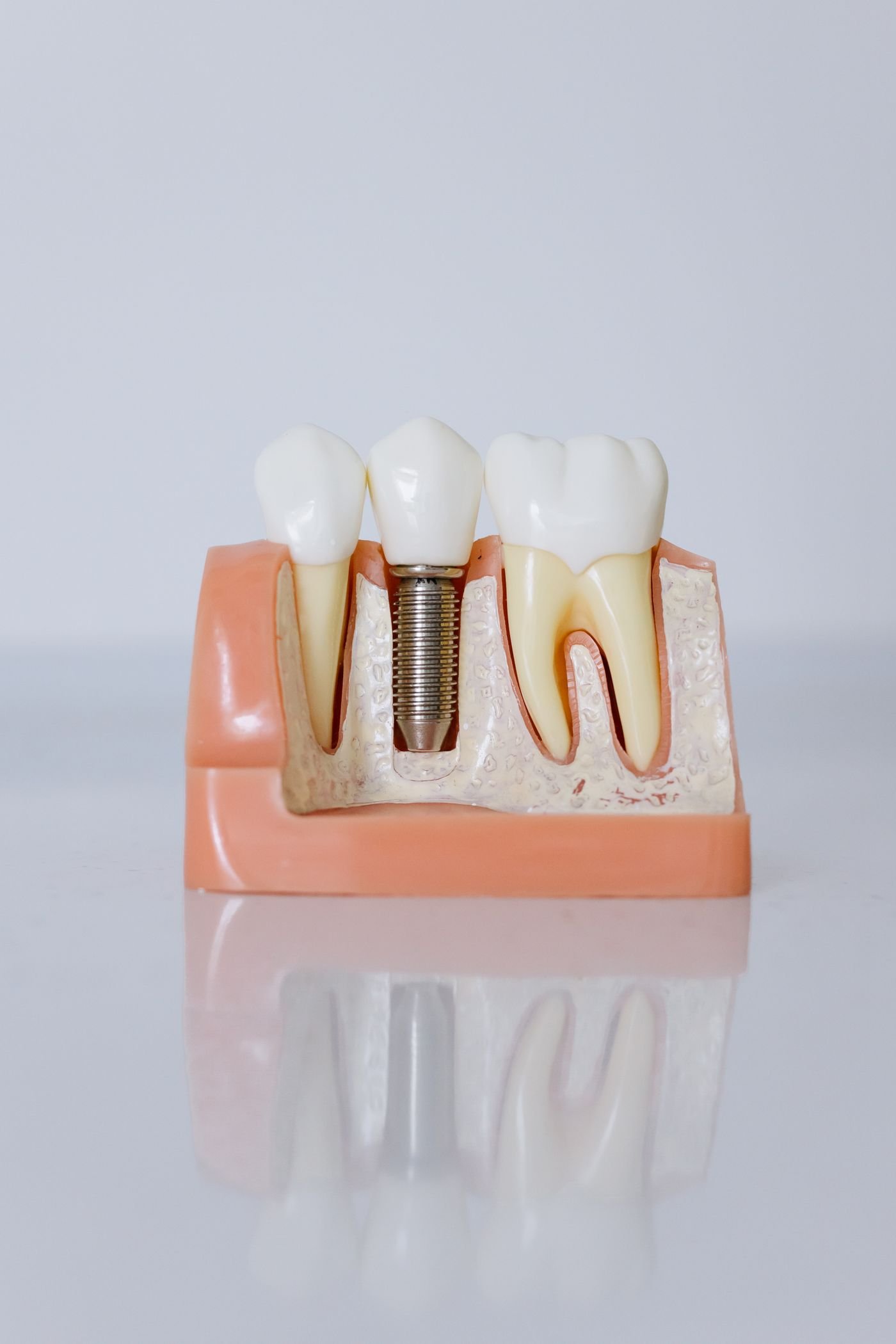
Cosmetic dentistry is not covered. That includes teeth whitening, veneers and bonding done only to improve appearance. Dental implants and orthodontic treatment such as clear aligners are generally outside routine CDCP coverage. If a tooth is missing, your dentist can explain covered options, such as a removable partial denture, and compare them with non-covered options so you can make an informed choice.
CDCP Co-Payments and Additional Fees Explained
A common question we hear in Aurora is “Is CDCP free?” The honest answer is: sometimes, but not always. Two things can affect what you pay.
1. Your co-payment level
Your co-payment is based on your adjusted family net income and is shown in your welcome package.
| Adjusted family net income | Your co-payment (share of the CDCP fee) |
|---|---|
| Under 70,000 dollars | 0 percent |
| 70,000 to 79,999 dollars | 40 percent |
| 80,000 to 89,999 dollars | 60 percent |
2. Possible additional charges
CDCP pays according to its own fee grid. When a clinic’s regular fee for a service is higher than the CDCP amount, the difference may be charged to the patient. At Dana Dental, we review this with you before any treatment and give you a clear written estimate, so there are no surprises at checkout. If you would like to spread out a balance, ask about our monthly payment options, including CareCredit.
Does CDCP Need Preauthorization?
Most everyday services, such as exams, X-rays, cleanings and fillings, can be done without asking permission first. Some services do need preauthorization, which means your dentist sends a treatment plan to the plan administrator and waits for approval. Examples can include certain crowns, extra cleaning units beyond the standard limit, and some complex or less common procedures.
Preauthorization protects you from unexpected costs, but it can add time. That is why our team submits requests promptly and keeps you updated. If you have pain, swelling or a broken tooth, do not wait for paperwork: book an urgent visit through our emergency dentistry service and we will relieve pain first and plan the rest of your care properly.
How to Use CDCP at Dana Dental Aurora: Step by Step
- Apply and get approved. Apply through the official Government of Canada channels and wait for your welcome package with your member ID and coverage start date.
- Book your appointment. Call (647) 494-5006 or use our appointment request form, and tell us you are a CDCP member.
- We confirm your coverage. Before your visit, our front desk checks your eligibility and co-payment level with your consent.
- Exam and treatment plan. Your dentist completes an exam and any needed X-rays, then explains what is covered, what needs preauthorization, and what, if anything, you will pay.
- Treatment and direct billing. We bill the plan directly, so you only pay your share. Then we book your next recall visit to keep your coverage working for you.
What to bring
- Your CDCP member card or member ID number
- Government photo ID
- A list of medications and any medical conditions
- Previous dental X-rays or records, if you have them
CDCP for Children, Seniors and Adults in Aurora
Every age group uses CDCP a little differently, so it helps to know what to focus on.
Children and teens
For kids, the biggest wins are regular exams, cleanings, fluoride and sealants that protect the chewing surfaces of back teeth. Children who start early learn that the dentist is a friendly place, which makes future visits easier. If your child already has a cavity in a baby tooth, it still matters, because baby teeth hold space for adult teeth and decay can spread quickly.
Adults
Many adults approved for CDCP have gone several years without care. Your first visit usually includes a full exam, X-rays and a cleaning, followed by a prioritized plan that deals with pain and infection first, then restores function. We will never pressure you to do everything at once.
Seniors
Seniors often need help with gum health, worn or broken fillings, dry mouth caused by medication, and dentures. CDCP can support removable complete and partial dentures in many cases, and regular gum care helps keep natural teeth for longer. Let us know about your medications at every visit so we can plan safe treatment.
Why Aurora Families Choose Dana Dental for CDCP Care
Accepting CDCP is only the start. What matters is how you are treated when you walk through the door. Our clinic on Yonge Street was built around calm, clear and respectful care.
Clear estimates
We explain coverage, co-payments and any extra amounts before treatment, in plain language.
Evening and Saturday hours
Open Monday to Saturday, 9 am to 8 pm, so you can fit visits around work and school.
Care for every age
From children’s dentistry to seniors, the whole family can be seen in one place.
Comfort first
Digital X-rays, gentle techniques and sedation options for anxious patients.
All dental care in Ontario is regulated by the Royal College of Dental Surgeons of Ontario (RCDSO), and our team follows its standards for infection control, record keeping and informed consent. You can learn more about our values on the About Us page or take a look inside our Aurora office.
Making the most of your CDCP coverage
- Book regular check-ups. Preventive visits are where CDCP gives the most value, because small problems are cheaper and easier to fix.
- Do not ignore sensitivity or bleeding gums. Early gum disease and small cavities are very treatable.
- Keep your information current. File your taxes every year, because your eligibility and co-payment level are reviewed using your tax information.
- Ask questions. If a treatment is not covered, ask about covered alternatives before deciding.
CDCP in Aurora: Frequently Asked Questions
Does Dana Dental in Aurora accept the Canadian Dental Care Plan?
Yes. Dana Dental at 15277 Yonge St in Aurora accepts CDCP patients, along with new patients who have private insurance or no coverage. Bring your CDCP member card or member ID to your first visit so the team can confirm your coverage before treatment.
Who qualifies for CDCP in Aurora?
You may qualify if you are a Canadian resident for tax purposes, you do not have access to dental insurance through an employer, a pension or a professional plan, your adjusted family net income is under 90,000 dollars, and you and your spouse or common-law partner have filed your most recent tax returns. Eligibility is decided by the federal government, not by the clinic.
Will I have to pay anything with CDCP?
Possibly. Depending on your family income you may have a co-payment of 0, 40 or 60 percent of the CDCP fee for a covered service. A clinic may also charge an additional amount when its fee is higher than the CDCP fee. Dana Dental explains any expected out-of-pocket amount before treatment starts.
Does CDCP cover dental implants, Invisalign or teeth whitening?
Cosmetic treatments such as teeth whitening and veneers are not covered. Dental implants and orthodontics are generally not part of routine CDCP coverage. Your dentist can tell you which covered alternatives fit your situation, such as fillings, crowns in eligible cases, or removable dentures.
Do I need preauthorization for CDCP treatment?
Many common services, such as exams, cleanings, X-rays and fillings, can be provided without preauthorization. Some services, including certain crowns, additional cleanings and some complex treatments, need approval from the plan administrator first. Dana Dental can submit the request on your behalf.
How do I book a CDCP appointment at Dana Dental Aurora?
Call (647) 494-5006, email info@danadentalaurora.ca, or use the online appointment request form. Mention that you are a CDCP member so the team can prepare your coverage check before you arrive.
Ready to Use Your CDCP Coverage in Aurora?
Dana Dental welcomes CDCP members at 15277 Yonge St, Suite 1 and 2, Aurora, ON L4G 1Y3. Bring your member ID, and we will handle the coverage check and direct billing for you.