Regular dental cleanings represent one of the most important investments you can make in your oral health, yet many people underestimate their value or delay scheduling these essential preventive appointments. Professional cleanings remove plaque and tartar buildup that even the most diligent brushing and flossing cannot eliminate, prevent cavities and gum disease, detect problems early when they’re easiest to treat, and keep your smile bright and healthy.
For Aurora residents committed to maintaining excellent oral health, working with the Best Dental Care in Aurora ensures you receive thorough, gentle cleanings from experienced professionals who use the latest techniques and technology to keep your teeth and gums in optimal condition.
Understanding what happens during professional dental cleanings, how often you need them, and why they’re so crucial for preventing serious dental problems helps you prioritize these appointments and maintain your smile for a lifetime.
What Happens During a Professional Dental Cleaning
Professional dental cleanings involve several important steps that work together to remove buildup, polish your teeth, and assess your oral health comprehensively.
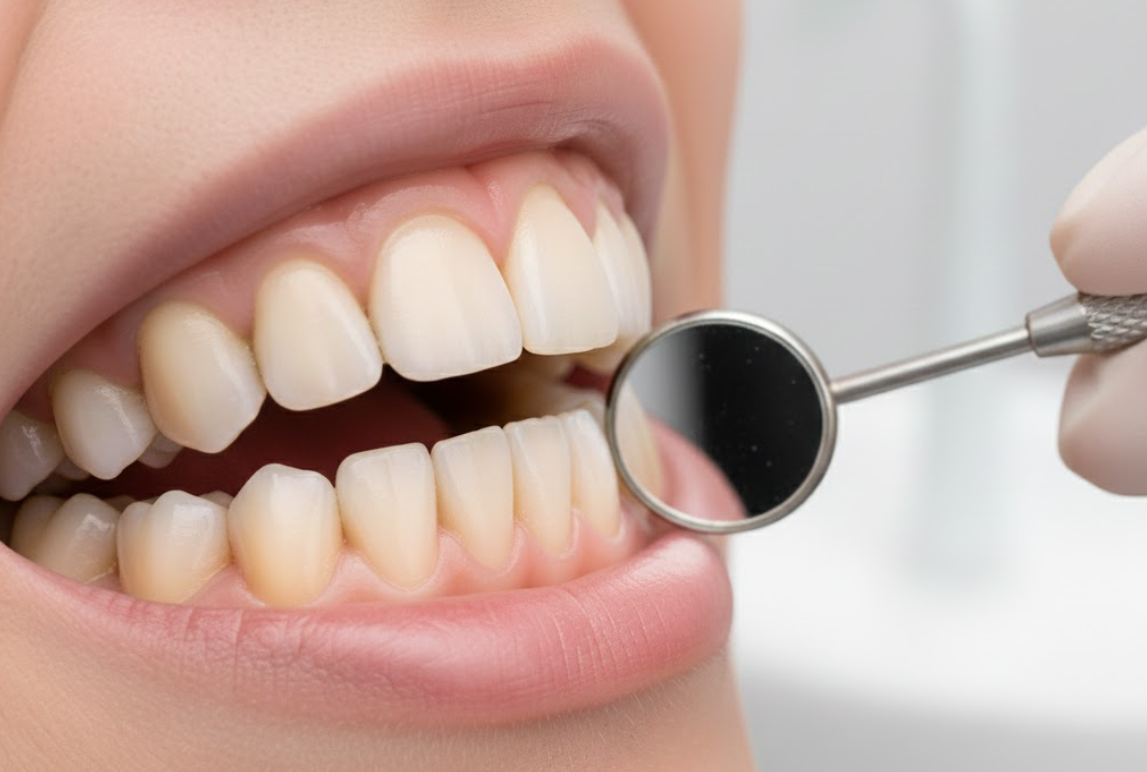
The cleaning typically begins with a thorough examination of your mouth. Your dental hygienist checks your teeth and gums for signs of problems like cavities, gum disease, or other conditions that need attention. This visual assessment provides important baseline information and helps identify any areas requiring extra attention during cleaning.
Plaque and tartar removal follows the examination. Using specialized instruments called scalers, your hygienist carefully removes the hardened deposits that accumulate on your teeth, particularly along the gum line and between teeth where your toothbrush cannot reach effectively. Tartar, also called calculus, is mineralized plaque that bonds to your tooth enamel and can only be removed with professional instruments.
Even if you brush and floss faithfully, some plaque hardens into tartar within 24 to 72 hours, making regular professional removal essential. Areas that are difficult to clean at home, such as behind your lower front teeth and around your back molars, tend to accumulate more tartar and benefit significantly from professional attention.
Teeth polishing comes next, using a gritty toothpaste and high-powered electric brush that removes surface stains and any remaining plaque while smoothing your tooth surfaces. This polishing step leaves your teeth feeling incredibly smooth and clean while also making it slightly more difficult for plaque to accumulate before your next cleaning.
Flossing follows polishing to remove any debris loosened during the cleaning process. Your hygienist flosses between all your teeth, reaching areas that might trap food particles or residual cleaning paste.
Fluoride treatment often concludes the cleaning, providing additional protection against cavities. The concentrated fluoride strengthens your tooth enamel and helps reverse early decay, offering benefits that last for several months.
For those seeking comprehensive Teeth Cleaning in Aurora, understanding this thorough process helps you appreciate the value of professional care beyond what you can achieve with home oral hygiene alone.
Types of Dental Cleanings
Not all dental cleanings are the same, and understanding the different types helps you know what to expect based on your oral health status.
Prophylaxis cleanings are routine preventive cleanings for patients with healthy gums and no significant tartar buildup. These standard cleanings maintain good oral health and prevent problems from developing. Most patients with healthy mouths receive prophylaxis cleanings every six months.
Scaling and root planing, often called deep cleaning, becomes necessary when gum disease has developed. This more intensive treatment cleans below the gum line, removing bacteria, plaque, and tartar from tooth roots and smoothing the root surfaces to help gums reattach to teeth. Deep cleanings typically require local anesthesia for comfort and might be completed over multiple appointments.
Periodontal maintenance cleanings are ongoing cleanings for patients who have been treated for gum disease. These specialized cleanings, usually scheduled every three to four months, help keep gum disease under control and prevent it from returning or worsening.
Gross debridement might be necessary for patients who haven’t had professional cleanings in many years. This initial cleaning removes heavy tartar accumulation so the hygienist can properly examine your teeth and gums and determine what additional treatment you need.
Working with an experienced Dentist in Aurora ensures you receive the appropriate type of cleaning for your current oral health status and needs.
How Often You Need Dental Cleanings
The standard recommendation for most people is professional dental cleaning every six months, but this isn’t a one-size-fits-all guideline. Your ideal cleaning frequency depends on several individual factors.
Patients with excellent oral health, good home care habits, and low risk of cavities or gum disease might maintain healthy teeth with annual cleanings, though six months remains the typical recommendation even for these patients.
Those with higher risk factors need more frequent cleanings. If you have gum disease, a history of frequent cavities, dry mouth, smoke, have diabetes, or are pregnant, your dentist might recommend cleanings every three to four months. More frequent professional care helps manage these risk factors and prevent problems.
Genetics play a role in how quickly tartar accumulates. Some people naturally develop tartar more rapidly than others, regardless of how well they brush and floss. If you’re prone to heavy buildup, more frequent cleanings keep it under control.
Your age influences cleaning frequency as well. Children might need more frequent cleanings during periods of rapid development or if they struggle with thorough home care. Older adults with multiple dental restorations, receding gums, or medications that cause dry mouth often benefit from more frequent professional attention.
Your dental team recommends a cleaning schedule based on your individual oral health status, risk factors, and how well you maintain your teeth between visits. Following their guidance helps you maintain optimal oral health.
Benefits of Regular Professional Cleanings
Regular dental cleanings provide numerous benefits that extend far beyond just having clean teeth. Understanding these advantages helps you prioritize these important appointments.
Cavity prevention ranks among the most significant benefits. Plaque produces acids that attack tooth enamel and cause decay. Regular removal of plaque and tartar dramatically reduces your cavity risk, potentially saving you the discomfort and expense of fillings, crowns, or root canals.
Gum disease prevention is equally important. Gum disease begins with gingivitis, inflammation caused by plaque buildup along the gum line. Regular professional cleanings remove this plaque before it causes irreversible gum damage. Since gum disease is the leading cause of tooth loss in adults, prevention through regular cleanings protects your teeth for life.
Fresh breath improvement accompanies thorough professional cleaning. Much bad breath originates from bacteria in your mouth, particularly between teeth and along the gum line. Professional cleaning removes these bacteria and the food particles they feed on, leaving your breath noticeably fresher.
Brighter smiles result from the removal of surface stains caused by coffee, tea, wine, and other foods and beverages. While professional cleaning isn’t the same as teeth whitening, it does remove many surface stains, helping your natural tooth color shine through. For more dramatic whitening, many practices offer Teeth Whitening in Aurora as an additional service.
Early problem detection happens during the examination portion of your cleaning appointment. Your dental team can identify cavities, cracked teeth, worn fillings, and signs of oral cancer in early stages when treatment is simpler and more effective. This early detection often saves you from more extensive and expensive treatment later.
Overall health benefits connect to oral health in ways researchers continue to discover. Links between gum disease and heart disease, diabetes, respiratory infections, and pregnancy complications make oral health an important component of your overall wellbeing.
What to Expect During Your Cleaning Appointment
Knowing what happens during a typical cleaning appointment helps reduce anxiety and ensures you’re prepared for your visit.
Your appointment typically begins with a brief update about any changes in your health, medications, or dental concerns since your last visit. This information helps your dental team provide the most appropriate care.
The examination and cleaning process usually takes 30 to 60 minutes depending on how much buildup you have and the thoroughness of the cleaning required. While some pressure and scraping sensations during tartar removal are normal, the process shouldn’t be painful. If you experience discomfort, let your hygienist know immediately so they can adjust their technique or provide numbing gel if needed.
After your cleaning, the dentist examines your teeth and reviews any concerns identified by the hygienist. They discuss findings, recommend any necessary treatment, and answer your questions about your oral health.
X-rays might be taken during some cleaning appointments, typically once a year or every two years depending on your age and risk factors. These diagnostic images reveal problems not visible during visual examination alone.
Before you leave, you’ll schedule your next cleaning appointment. Booking in advance ensures you secure a convenient time and helps you maintain your regular preventive care schedule.
For comprehensive care from the Best Dentist in Aurora, expect thorough yet gentle cleaning, clear communication about your oral health status, and personalized recommendations for maintaining your smile between visits.
Preparing for Your Cleaning Appointment
A little preparation ensures you get the most from your dental cleaning appointment and helps the process go smoothly.
Brush and floss before your appointment. While the hygienist will clean your teeth thoroughly, removing obvious food particles and surface plaque beforehand is courteous and allows them to focus on the tartar and buildup you cannot remove yourself.
Arrive a few minutes early for paperwork if you’re a new patient or to update information if anything has changed since your last visit. This prevents your actual appointment time from being consumed by administrative tasks.
Bring a list of any medications you’re taking, including over-the-counter supplements. Some medications affect oral health or interact with dental treatments, so your dental team needs this information.
Share any concerns or questions you have about your teeth or oral health. Your cleaning appointment is an excellent opportunity to discuss issues like sensitivity, appearance concerns, or questions about your home care routine.
If you have dental anxiety, let the office know when scheduling so they can allow extra time and discuss comfort options. Many people feel nervous about dental visits, and dental professionals are experienced in helping anxious patients feel more at ease.
Home Care Between Professional Cleanings
Professional cleanings are essential, but what you do at home between appointments matters just as much for maintaining healthy teeth and gums.
Brush at least twice daily for two minutes each time using a soft-bristled toothbrush and fluoride toothpaste. Pay attention to the gum line where plaque accumulates, and don’t forget to brush your tongue to remove bacteria that cause bad breath.
Floss daily to remove plaque and food particles from between teeth where your toothbrush cannot reach. Proper flossing technique involves curving the floss around each tooth and gently sliding it beneath the gum line.
Consider adding an antimicrobial mouthwash to your routine. While mouthwash doesn’t replace brushing and flossing, it can reach areas these methods miss and reduce bacteria throughout your mouth.
Replace your toothbrush every three to four months or sooner if the bristles become frayed. Worn toothbrushes are less effective at removing plaque and can harbor bacteria.
Limit sugary and acidic foods and beverages that contribute to tooth decay and enamel erosion. When you do consume them, rinse with water afterward to help neutralize acids and wash away sugars.
Stay hydrated by drinking plenty of water throughout the day. Water helps wash away food particles and bacteria while stimulating saliva production, which provides natural protection against cavities.
Signs You Need a Cleaning Sooner Than Scheduled
While regular six-month cleanings work well for most people, certain signs indicate you should schedule an appointment before your next routine cleaning.
Bleeding gums when you brush or floss suggests inflammation from plaque buildup. While occasional minor bleeding might not be serious, consistent bleeding indicates you need professional cleaning and possibly treatment for developing gum disease.
Persistent bad breath despite good home care often results from bacteria and tartar below the gum line that only professional cleaning can remove. Don’t just mask the odor with mints or mouthwash when the underlying cause needs attention.
Visible tartar buildup, which appears as hard, yellowish or brown deposits along the gum line, means it’s time for professional removal. Once plaque hardens into tartar, brushing cannot remove it.
Swollen or tender gums indicate inflammation that requires evaluation and professional cleaning. Healthy gums should be pink and firm, not red, puffy, or painful.
Loose teeth or changes in your bite might signal advanced gum disease affecting the bone supporting your teeth. These serious symptoms require immediate professional attention.
Receding gums that expose tooth roots need evaluation and often require more frequent cleanings to prevent further recession and sensitivity.
For situations requiring immediate attention, having access to an Emergency Dental Clinic in Aurora ensures you can get prompt care when urgent oral health problems arise between regular appointments.
Special Considerations for Different Ages
Dental cleaning needs and approaches vary across different life stages, and understanding these differences ensures appropriate care.
Children benefit from developing positive associations with dental care early in life. Pediatric dental cleanings introduce children to the dental office environment, teach proper brushing and flossing techniques, and establish healthy habits. Fluoride treatments during cleanings provide extra cavity protection for developing teeth.
Teenagers face unique challenges including orthodontic appliances that make home cleaning more difficult, dietary habits that might include more sugary snacks and acidic beverages, and sometimes inconsistent oral hygiene during busy, distracted years. Regular professional cleanings help compensate for these challenges.
Adults typically have the most straightforward cleaning needs, though risk factors like smoking, medications, or chronic health conditions might require adjusted cleaning frequencies. Adults also benefit from cleanings that address cosmetic concerns like staining.
Seniors often need more frequent cleanings due to medications that cause dry mouth, multiple dental restorations that require extra care, receding gums that expose tooth roots, and arthritis or other conditions that make thorough home care difficult. Gentle techniques accommodate increased sensitivity common in older patients.
Pregnant women should continue regular cleanings throughout pregnancy, as hormonal changes increase the risk of gingivitis. Professional cleanings are safe during pregnancy and help prevent pregnancy gingivitis that could affect both mother and baby.
Technology in Modern Dental Cleanings
Modern dental technology has improved the cleaning experience significantly, making treatments more comfortable, effective, and efficient.
Ultrasonic scalers use high-frequency vibrations to break up tartar more gently and efficiently than manual scraping alone. The vibrations combined with a water spray loosen deposits while flushing away debris, creating a more comfortable experience for many patients.
Intraoral cameras allow your hygienist to show you exactly what they’re seeing in your mouth. These tiny cameras project images onto a screen, helping you understand why certain areas need extra attention and visualize your oral health status.
Digital X-rays reduce radiation exposure by up to 90% compared to traditional film X-rays while providing immediate, high-quality images. These images can be enhanced, enlarged, and shared easily, improving diagnosis and patient education.
Air polishing systems use a combination of air, water, and fine powder particles to remove stains and soft deposits. This gentle method is particularly comfortable for patients with sensitive teeth or gums.
Laser technology in some practices assists with gum treatment, removing diseased tissue and bacteria more precisely and comfortably than traditional methods.
Making Dental Cleanings a Priority
Despite knowing their importance, many people struggle to prioritize regular dental cleanings. Several strategies help you maintain your preventive care schedule.
Schedule your next appointment before leaving each cleaning. Booking six months in advance ensures you secure a convenient time and removes the burden of remembering to call later.
Set up appointment reminders on your phone or calendar. Many dental offices also send reminder calls, texts, or emails as your appointment approaches, but personal reminders provide backup.
Treat dental appointments with the same importance as other health screenings. Just as you wouldn’t skip your annual physical, regular dental cleanings deserve priority in your healthcare routine.
Consider the long-term savings. Regular cleanings prevent expensive dental problems, making them one of the most cost-effective healthcare investments you can make.
Make it convenient by choosing a Dental Clinic in Aurora with hours that accommodate your schedule, convenient location, and efficient appointment systems that respect your time.
Insurance Coverage for Dental Cleanings
Understanding how dental insurance typically handles cleanings helps you maximize your benefits and minimize out-of-pocket expenses.
Most dental insurance plans cover preventive care including cleanings at 80% to 100% with no deductible. This generous coverage reflects the insurance industry’s recognition that preventive care reduces overall dental expenses by preventing more serious and costly problems.
Typical plans cover two cleanings per year, usually spaced at least six months apart. Some plans cover additional cleanings for patients with specific conditions like pregnancy or diabetes that increase oral health risks.
Limitations and exclusions apply in some cases. If you’ve already had two covered cleanings this year and need a third, you’ll likely pay out of pocket. Deep cleanings for gum disease might be covered under restorative benefits rather than preventive benefits, affecting your coverage percentage and deductible.
Coordination of benefits applies if you have dental coverage through multiple sources, such as your employer and your spouse’s employer. Understanding how your plans work together prevents confusion about coverage.
Your dental office can verify your insurance benefits before your appointment, providing clarity about any out-of-pocket expenses you should expect.
Frequently Asked Questions
How long does a typical dental cleaning take?
A routine professional cleaning typically takes between 30 and 60 minutes, depending on how much tartar buildup you have and your overall oral health status. Patients with minimal buildup and healthy gums often have shorter appointments, while those with more accumulation or areas needing extra attention may need the full hour. Deep cleanings for gum disease take longer and might be split into multiple appointments to ensure thorough treatment and patient comfort.
Are dental cleanings painful?
Most people find routine dental cleanings comfortable with only minor pressure and scraping sensations. If you have sensitive teeth or gums, areas of gum recession, or significant tartar buildup, you might experience some discomfort during cleaning. Let your hygienist know if you feel pain so they can adjust their technique or apply numbing gel to sensitive areas. With good communication, dental cleanings should not be painful experiences.
Can I have my teeth cleaned if I have braces?
Absolutely, and regular professional cleanings are especially important when you have braces. Orthodontic appliances create additional spaces where food particles and plaque can accumulate, making thorough cleaning more challenging. Your hygienist uses special techniques and tools to clean around brackets and wires effectively. Most orthodontists recommend professional cleanings every three to four months during orthodontic treatment rather than the standard six months.
Will cleaning damage my tooth enamel?
No, professional dental cleanings performed by trained hygienists do not damage your tooth enamel. The instruments used are designed specifically to remove tartar without harming the hard enamel surface. The slight roughness you might feel on your teeth immediately after scaling is from removing the smooth tartar deposits, not from enamel damage. Polishing actually smooths tooth surfaces, and your teeth will feel normal again within hours.
What happens if I haven’t had a cleaning in years?
If you haven’t had professional cleaning in several years, expect your first appointment to take longer and potentially involve more extensive tartar removal. Your hygienist might recommend a gross debridement to remove heavy buildup before a thorough examination can be completed. You may need multiple appointments to address all the accumulated deposits, and your dentist might recommend more frequent cleanings initially to get your oral health back on track. The important thing is not to feel embarrassed but to take that important first step back to regular dental care.
Conclusion
Regular dental cleanings represent one of the simplest yet most effective investments you can make in your oral health. These preventive appointments remove harmful plaque and tartar buildup, prevent cavities and gum disease, detect problems early, and keep your smile bright and healthy. While home care through brushing and flossing is essential, professional cleanings address the buildup that even the most diligent home care cannot eliminate. By prioritizing these appointments every six months or as recommended based on your individual needs, you protect your teeth and gums, avoid more extensive dental problems, and maintain the confidence that comes with a healthy, attractive smile.
Dana Dental has earned recognition as one of the best dental clinics in Aurora through a commitment to gentle, thorough cleanings performed by experienced professionals who genuinely care about your comfort and oral health. The practice welcomes patients of all ages, from children developing lifelong healthy habits to seniors maintaining their smiles through their golden years. Using modern technology and proven techniques, the team provides comprehensive cleanings tailored to your individual needs, whether you need routine preventive care or more intensive treatment for gum concerns. Located at 15277 Yonge St Suite 1 & 2, Aurora, ON L4G 1Y3, Dana Dental combines clinical excellence with a warm, welcoming environment where you’re treated like family. Don’t let another month pass without scheduling the cleaning your smile deserves. Contact Dana Dental today at +1-647-494-5006 or email info@danadentalaurora.ca to book your appointment and take that important step toward optimal oral health. Your teeth will thank you, and you’ll enjoy the confidence that comes with a clean, healthy smile.