
The benefits of 3D imaging in dentistry include highly accurate diagnosis, precise treatment planning, safer implant and surgical procedures, lower radiation than older methods in many cases, and better patient understanding through clear visual images. The technology is now a common and safe part of modern dental care, and it helps catch serious problems that flat X-rays can miss. To see how it can support your care, an assessment at a well-reviewed Dentist in Aurora practice is a great starting point.
Three-dimensional dental imaging, often called cone beam computed tomography or CBCT, captures detailed volumetric images of your teeth, jaw, nerves, and surrounding structures. It gives dentists a far richer view than traditional two-dimensional X-rays.
Choosing a clinic that embraces modern imaging supports better outcomes. The team at Dana Dental Aurora uses a patient-focused approach to plan treatment with precision and confidence.
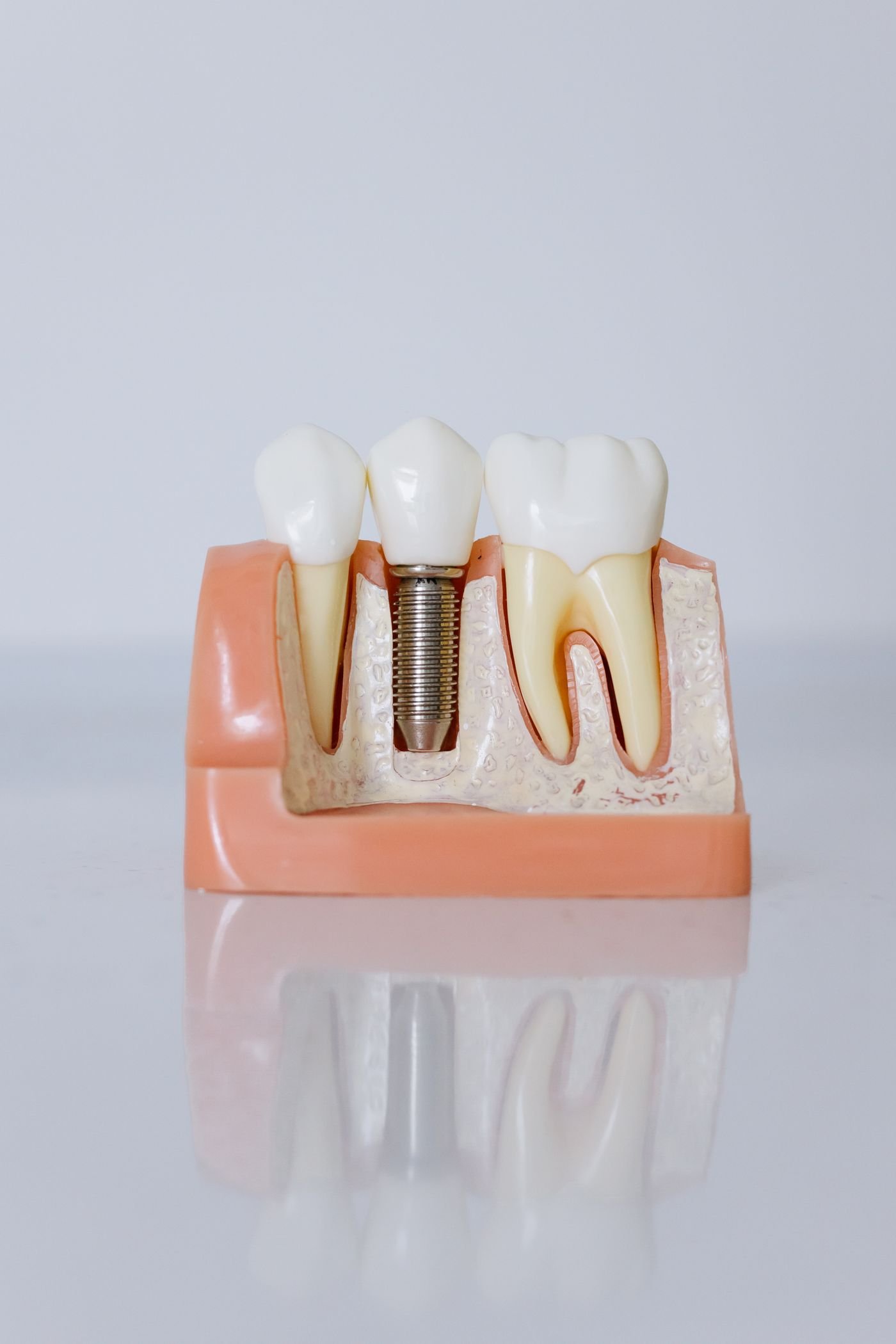
Accurate imaging is especially valuable for complex procedures. It plays a key role in planning Dental Implants, where exact positioning is essential for success.
It also improves everyday care. From Root Canal Therapy to surgical planning, detailed images help a licensed Cosmetic Dentist in Aurora deliver safer, more predictable results.
What Is 3D Dental Imaging?
3D imaging uses a cone-shaped X-ray beam that rotates around your head to build a detailed three-dimensional model of your oral structures. Unlike flat X-rays, it shows depth, allowing the dentist to view teeth, roots, bone, nerves, and sinuses from every angle.
This complete picture supports more accurate diagnosis and safer, better-planned treatment.
Key Benefits of 3D Imaging
- Greater diagnostic accuracy: Hidden issues like fractures, extra canals, or bone loss become visible.
- Precise treatment planning: Ideal for implants, extractions, and root canal therapy.
- Improved safety: Nerves and sinuses are mapped to avoid complications.
- Better communication: Clear visuals help patients understand their treatment.
- Efficient workflow: A single scan can replace several separate images.
Comparison: 3D Imaging vs Traditional X-Rays
- Traditional X-rays: Produce flat, two-dimensional images that can overlap structures and hide detail.
- 3D imaging: Provides depth and a full view of teeth, bone, and nerves, revealing what flat images cannot.
Both have their place. Traditional X-rays remain useful for routine checks, while 3D imaging shines for complex diagnosis and surgical planning.
How 3D Imaging Improves Common Treatments
Dental Implants
Precise imaging of bone density and nerve position allows implants to be placed accurately and safely, improving long-term success.
Wisdom Teeth and Extractions
Seeing the exact position of roots and nerves helps plan smoother extractions with fewer surprises.
Root Canal Therapy
3D scans can reveal complex or extra canals, helping ensure infection is fully treated.
Orthodontics and Bite Analysis
Detailed views of jaw relationships support accurate treatment planning for alignment.
Step by Step: What to Expect During a 3D Scan
- You stand or sit still while the scanner positions around your head.
- The machine rotates once, capturing images in seconds.
- The data is reconstructed into a detailed 3D model on screen.
- Your dentist reviews the images and explains findings.
- A tailored treatment plan is created based on the results.
The process is quick, comfortable, and non-invasive.
Is 3D Imaging Safe?
3D dental imaging uses low-dose radiation and is considered safe when clinically justified. Dentists follow the principle of using the lowest radiation necessary for an accurate diagnosis. The detailed information it provides often prevents complications, making its benefits well worth it for the right cases.
Common Myths About Dental Imaging
Myth: 3D scans expose you to dangerous radiation. Modern CBCT uses low doses and is only recommended when the diagnostic benefit is clear.
Myth: 3D imaging is only for surgery. It aids many treatments, from implants and root canals to orthodontic planning.
Myth: Regular X-rays are always enough. Flat X-rays are useful, but they cannot show the depth and detail that complex cases require.
How Professional Technology Supports Your Care
Advanced imaging is most valuable in the hands of an experienced, licensed dental team who can interpret the results and plan treatment responsibly.
Dana Dental Aurora is one of the most trusted dental clinics in Aurora, holding a 5.0 Google rating with more than 485 patient reviews. The clinic welcomes new patients, accepts those under the Canadian Dental Care Plan (CDCP), and offers a New Patient Special introductory package.
For added flexibility, the practice provides CareCredit financing so treatment costs can be broken into affordable monthly installments. Its comprehensive services include general dentistry, caps and crowns, dental implants, emergency dentistry, wisdom teeth removal, fillings, pediatric dentistry, root canal, sedation, cosmetic dentistry, bonding, veneers, teeth whitening, bridges, mouthguards, and nightguards.
With flexible evening and weekend scheduling, it is easy to arrange imaging and follow-up around your routine. You can contact the clinic by phone at +1 (647) 494-5006 or by email at info@danadentalaurora.ca, and the office is located at 15277 Yonge St., Suite 1 & 2, Aurora, ON, Canada. For patients comparing a Best Dental Clinic in Aurora with a Dental Office in Aurora for advanced care, this level of technology and support is reassuring.
Who Benefits Most from 3D Imaging?
- Patients considering dental implants
- Those needing complex extractions
- People with unexplained pain or suspected hidden problems
- Orthodontic and surgical planning cases
Your dentist will decide when a 3D scan adds genuine value to your diagnosis and care.
Frequently Asked Questions
Is 3D dental imaging painful?
No. It is completely painless and non-invasive. You simply stay still while the scanner rotates around your head for a few seconds.
How long does a 3D scan take?
The scan itself takes only seconds, and the whole process, including positioning, usually takes just a few minutes.
Does everyone need a 3D scan?
No. It is used when the added detail benefits your diagnosis or treatment, such as for implants or complex cases. Routine checks may only need standard X-rays.
Is the radiation from 3D imaging safe?
Yes, when clinically justified. Modern CBCT uses low doses, and dentists follow safety principles to keep exposure as low as possible.
Can 3D imaging detect problems that X-rays miss?
Yes. Its depth and detail can reveal hidden fractures, extra root canals, and bone issues that flat X-rays may not show.
Conclusion
3D imaging has transformed dentistry by offering accurate diagnosis, safer procedures, and clearer communication. It is a safe, low-dose tool that helps dentists plan treatment with precision. Used by a licensed professional, it gives you greater confidence in your care and results.