Your first dental visit is a complete oral health checkup designed to understand your teeth, gums, medical history, and any concerns you have. Most reasons new patients come in, like mild sensitivity, occasional gum bleeding, or feeling anxious about dental care, are common and often temporary, but they can become serious if ignored. Visiting a welcoming Dental Clinic early allows for gentle evaluation and clear next steps.
At Smart Care Dental, a trusted Dental Clinic in Concord serving families in Concord, Vaughan, ON, Canada, new patient visits are focused on comfort, clarity, and prevention. The practice is known as a Dental Clinic in Concord that offers a complete range of family, cosmetic, and restorative dentistry under one roof. Patients searching for a dependable Dentist in Concord find licensed professionals registered with the Royal College of Dental Surgeons of Ontario (RCDSO) who emphasize accurate diagnosis and follow-up care. You can explore the full range of care through All Dental Services. Many families find the clinic through Smart Care Dental on Google Maps and book through https://smartcaredental.ca/. The clinic accepts new patients and CDCP patients through the Canadian Dental Care Plan, with extended evening and weekend hours suited to busy families. You can reach the team at info@smartcaredental.ca or +1 905-738-4970. As a Certified Invisalign provider and recognized Invisalign Provider Concord, the team also discusses alignment options when relevant to your oral health.
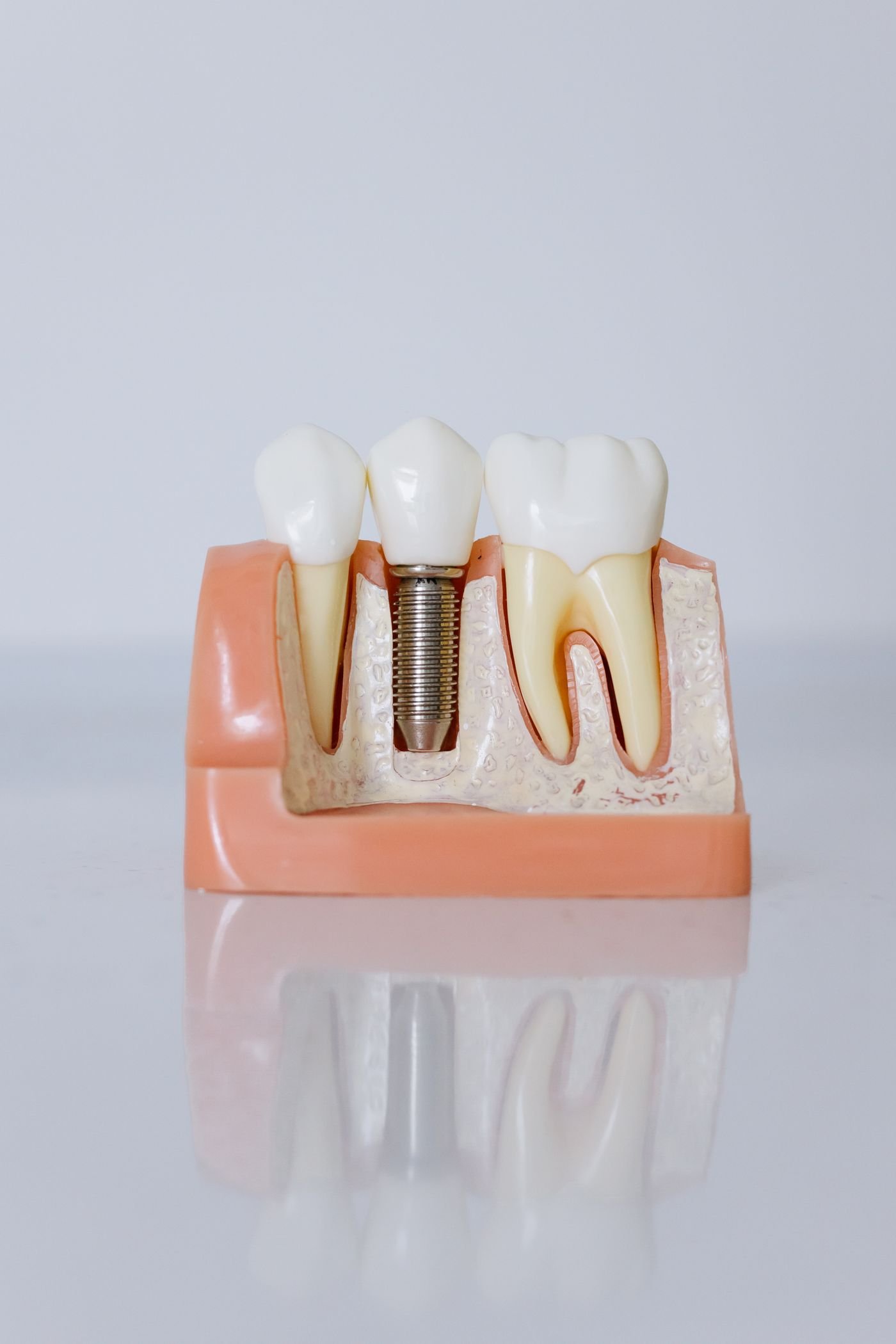
During your first visit, the dentist will explain findings in simple terms and outline whether you need only preventive care or additional support. Small cavities caught early are often managed with conservative Dental Fillings that restore the tooth before decay spreads. When a tooth is weakened by large fillings or cracks, a Dental Crowns may be recommended to protect it and preserve function. If a tooth is missing and nearby teeth may shift, Dental Bridges are sometimes discussed to maintain bite stability. Deeper infection inside the tooth that causes prolonged sensitivity may require Root Canal Treatment to remove inflamed tissue and save the natural tooth. For teeth that cannot be saved, Dental Implants provide a long term replacement that supports bone health and chewing. When many teeth are missing, Dentures can restore appearance and function while you work on a long term plan.
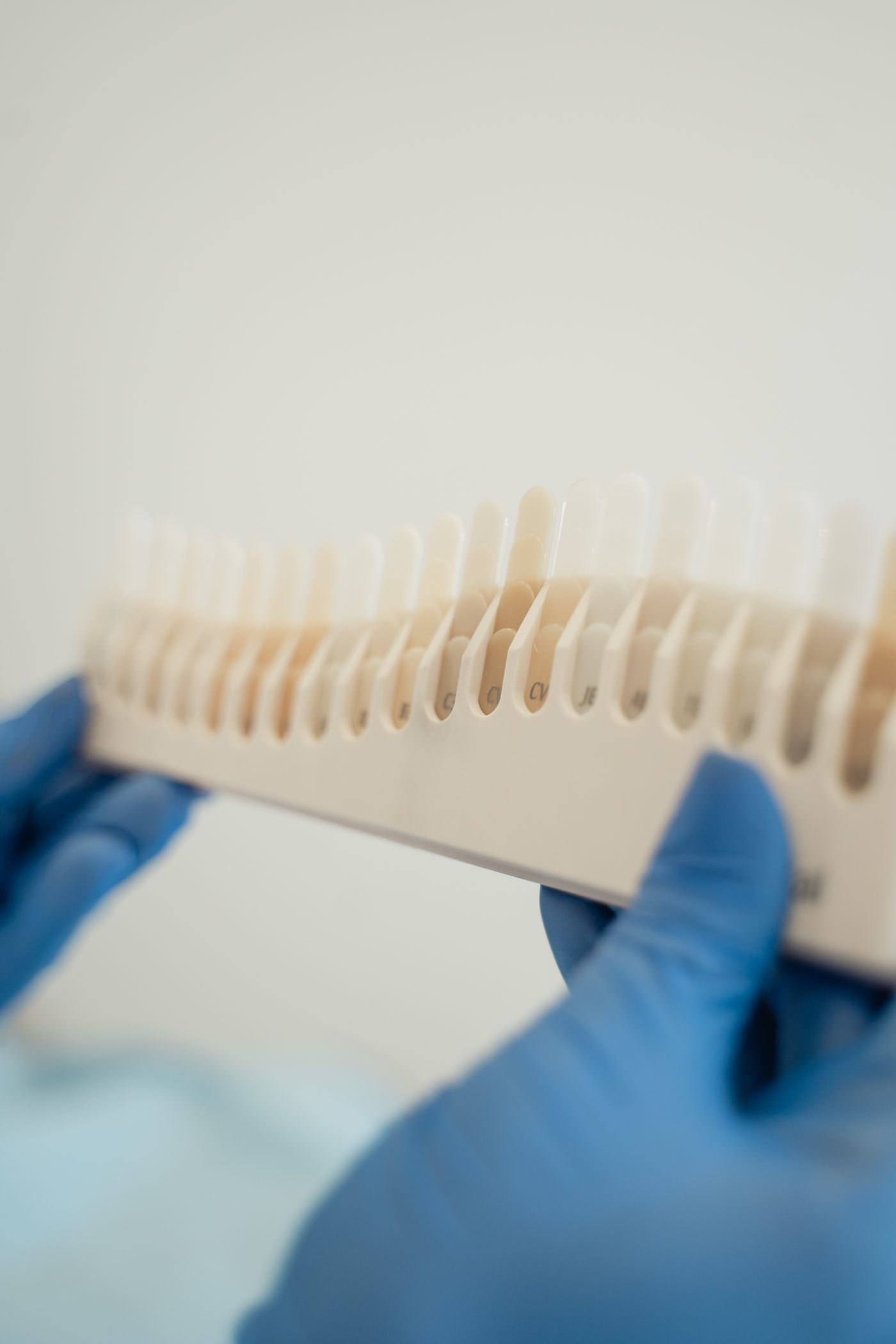
Alignment and bite are also reviewed because crowded teeth are harder to clean and can increase plaque retention. Discreet options like Clear Aligners are often considered by adults and teens who want to improve both appearance and hygiene access. Traditional Braces remain effective for more complex bite corrections that protect gums and enamel long term. If a tooth is severely damaged or infected, Dental Extraction may be the safest choice to protect surrounding teeth and bone. Third molars that cause crowding, pressure, or repeated infection are evaluated for Wisdom Teeth Extraction during late teen and early adult exams. If you arrive with sudden pain, swelling, or trauma, prompt Emergency Dental Treatment helps prevent complications and preserves natural structure. Cosmetic goals like brightness are discussed after health is stable, for example through Teeth Whitening options that work best on clean, healthy enamel.
What Is a First Dental Visit?
A first dental visit is a comprehensive new patient assessment. It is not just a cleaning. It includes a review of your medical and dental history, a thorough examination of teeth, gums, bite, and soft tissues, and when clinically indicated, diagnostic images to detect issues not visible to the eye.
The goal is to establish a baseline, identify risk factors, and create a personalized prevention and care plan.
Why Do New Patients Feel Anxious? Is It Common?
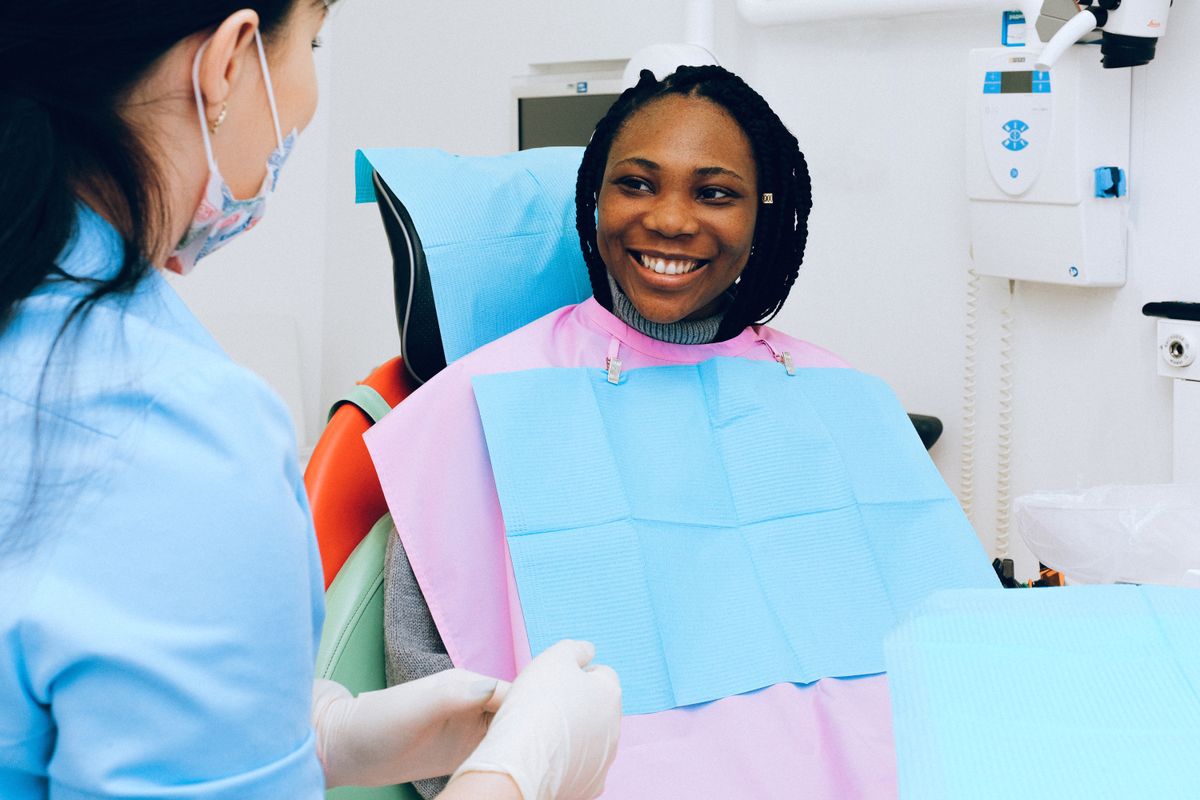
Dental anxiety is very common, especially for new patients who have not visited in a long time. It is often temporary and improves with clear communication and gentle care.
Common concerns that bring new patients in include:
- Sensitivity to cold, sweets, or brushing
- Bleeding gums when flossing
- Stains, plaque buildup, or bad breath
- A chipped, cracked, or loose tooth
- Jaw soreness or frequent headaches from clenching
- Wanting a second opinion on previous advice
Most of these concerns are common and manageable when evaluated early. Persistent pain, swelling, fever, or trauma may indicate a more serious issue that needs prompt professional attention.
How Should You Prepare for Your First Visit?
What to Bring
- List of medications, allergies, and medical conditions
- Previous dental X-rays if available
- Insurance information and government ID
- List of questions or concerns about your teeth, gums, or smile
- Information about habits like smoking, grinding, or frequent snacking
How to Make the Visit More Comfortable
- Arrive a few minutes early to complete health forms without rushing
- Eat a light meal beforehand unless you have been advised otherwise
- Brush and floss gently before your appointment
- Note any areas of sensitivity so the team can check them first
- Let the front desk know if you feel anxious so extra time can be planned
This information is for educational purposes and does not replace professional advice. A licensed dentist must provide a proper diagnosis and follow-up plan.
What Happens During Your First Appointment? Step by Step
1. Check-In and Health History Review
The team confirms your contact information, medical history, and chief concerns. This helps identify factors like dry mouth, diabetes, or medications that affect oral health.
2. Comprehensive Oral Examination
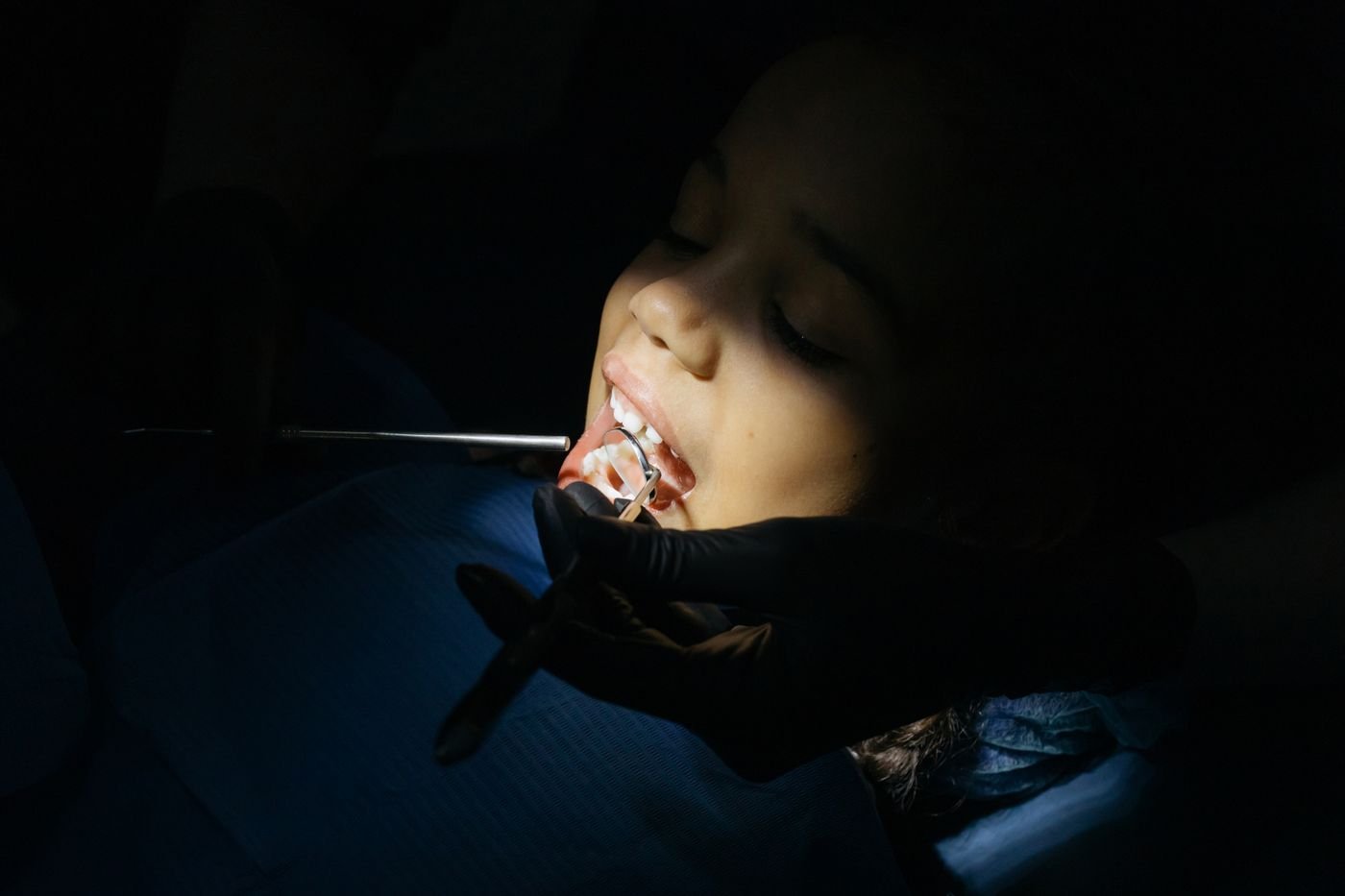
The dentist examines teeth for caries, cracks, and wear, checks gums for inflammation and pocketing, evaluates existing restorations, and screens soft tissues, tongue, and throat for any abnormalities. Bite and jaw joint function are also assessed.
3. Digital Images When Indicated
If clinically needed, low dose digital X-rays or photos are taken to detect interproximal decay, calculus under gums, bone level changes, and impacted teeth. Images are taken only when justified and help avoid guessing.
4. Professional Cleaning
A hygienist removes plaque and calculus that cannot be removed at home, polishes teeth, and provides tailored oral hygiene coaching. If gums are very inflamed, cleaning may be scheduled in stages.
5. Discussion of Findings and Personalized Plan
The dentist explains what was found, what is common and temporary versus what needs prompt care, and what options exist. You will receive a prevention plan and, if needed, a restorative or orthodontic plan with clear next steps.
What Are Common Findings at a First Visit?
Common and Often Temporary
- Plaque and light calculus buildup
- Early gingivitis with bleeding on brushing
- Mild enamel demineralization from frequent acid exposure
- Staining from coffee, tea, or tobacco
- Minor crowding that traps food
Needs Prompt Attention
- Deep caries close to the nerve
- Periodontitis with gum recession or loose teeth
- Cracked tooth with pain on biting
- Swelling, abscess, or persistent toothache
- Impacted wisdom teeth with repeated infection
Early detection is why regular visits to a Dental Office in Concord matter. Minimally invasive care is more comfortable and preserves more natural tooth structure.
Prevention vs Restorative Care After Your First Visit
| Situation | What Prevention Offers | What Treatment May Involve |
|---|---|---|
| Early cavity | Fluoride, improved hygiene, monitoring | Conservative filling if decay progresses |
| Gum bleeding | Professional cleaning, daily interdental cleaning | Deep cleaning and more frequent maintenance if periodontitis present |
| Worn or cracked tooth | Night guard, bite adjustment | Crown to protect tooth from further fracture |
| Missing tooth | Space maintenance counseling, hygiene support | Bridge, implant, or denture options to restore function |
| Crowding | Monitoring, hygiene instruction, aligner evaluation | Braces or clear aligners for long term health and cleansability |
How Long Does a First Dental Visit Take?
For most new patients, the first visit takes 60 to 90 minutes. This includes paperwork, exam, X-rays if needed, cleaning, and discussion time. If you have a complex history or significant gum inflammation, the team may schedule cleaning on a separate day to allow more time for thorough care.
How to Choose the Best Dental Clinic in Concord for New Patients
Many people search for the Best Dental Clinic in Concord when they are new to the area or returning after a long break. Look for a practice that combines clinical quality with convenience and clear communication.
Consider a clinic that is:
- A trusted Family Dentist in Concord for children, adults, and seniors
- Also experienced as a Cosmetic Dentist in Concord for whitening and smile improvements after health is stable
- Recognized as a Top Dentist in Vaughan area for comprehensive family care
- A Dental Office in Concord with extended evening and weekend hours for busy families
- Welcoming to new patients and CDCP patients
- Able to provide same day or prompt care when you need an Emergency Dental Clinic in Concord
Smart Care Dental in Concord, Vaughan, ON, Canada is a trusted dental clinic in Concord and Vaughan offering a complete range of family, cosmetic, and restorative dentistry. Being a Certified Invisalign provider makes it a convenient option for patients considering clear aligners, and its licensed professionals registered with the RCDSO focus on safety, proper diagnosis, and gentle follow-up. Families appreciate that they can reach the team at info@smartcaredental.ca or +1 905-738-4970 and find practical scheduling options.
What About Pain and Anxiety? Myths vs Facts
Myth: Dental visits are always painful.
Fact: Preventive visits are usually comfortable. Modern techniques, topical anesthetics when needed, and gentle instrumentation make cleanings and exams well tolerated. Discomfort is often temporary and manageable.
Myth: If nothing hurts, you do not need a dentist.
Fact: Cavities and early gum disease are often painless. Waiting for pain usually means more complex care.
Myth: Stronger brushing cleans better.
Fact: Aggressive brushing can wear enamel and irritate gums. Soft, thorough brushing with fluoride toothpaste is more effective.
Myth: You should avoid the dentist if your gums bleed.
Fact: Bleeding often indicates plaque related inflammation. Professional cleaning and consistent home care usually improve it. Avoiding care allows gingivitis to progress.
If you feel anxious, tell the team at check-in. Clear explanations, breaks when needed, and a focus on comfort help many new patients feel at ease.
What Happens After Your First Visit?
Personalized Follow-Up Plan
You will receive a written or digital summary that may include:
- Recommended recall interval for exams and cleanings
- At home hygiene plan with brushing and interdental cleaning tips
- Fluoride or sealant recommendations based on risk
- Referrals if specialized care is needed
Prevention at Home
- Brush twice daily for two minutes with fluoride toothpaste
- Clean between teeth daily with floss or interdental brushes
- Limit frequent sugar and acidic drink exposures
- Drink water after meals and support saliva flow
- Use a night guard if you grind or clench, as advised
Consistent follow-up reduces the likelihood of needing more invasive procedures later.
When Should You Seek Same Day Emergency Care?
While most first visits are routine, seek prompt emergency care if you have:
- A knocked out or significantly loosened tooth
- Facial swelling with fever or difficulty swallowing
- Uncontrolled bleeding after injury
- Severe, throbbing toothache that does not ease
- A cracked tooth with sharp pain or a visible fracture
If you cannot reach your regular dentist quickly, contact an emergency dental clinic and bring your medication list. Early care often saves teeth and prevents spread of infection.
Frequently Asked Questions
What should I expect to feel after my first cleaning?
Mild sensitivity or slight gum tenderness for a day is common, especially if there was significant tartar buildup. This is usually temporary and improves with gentle brushing, warm salt water rinses if recommended, and consistent flossing. Persistent pain or swelling should be evaluated promptly.
Do I need X-rays at my first visit?
X-rays are taken only when clinically indicated to detect decay between teeth, bone loss, or other hidden issues. Your dentist will explain why they are needed, how often they should be taken, and what alternatives exist. You can ask about previous images to avoid retakes.
How is a treatment plan decided?
A treatment plan is based on clinical findings, X-rays when indicated, your medical history, risk factors, and your goals. Licensed dentists registered with the RCDSO prioritize proper diagnosis, informed consent, and follow-up. You should receive clear options, benefits, and what to expect for each.
Can I bring my child to my first visit?
Yes. Many families schedule together so children see that dental visits are routine. For children, first visits focus on counting teeth, gentle cleaning, fluoride guidance, and coaching for parents on brushing and diet. A family focused practice can coordinate care for all ages.
What if I have not been to a dentist in years?
That is common, and you will not be judged. The team will start with a comprehensive but gentle assessment, explain findings without jargon, and prioritize what needs attention first. Prevention is always part of the plan to help you avoid more complex care in the future.
Conclusion
Your first dental visit sets the foundation for long term oral health through clear evaluation, gentle cleaning, and a personalized prevention plan. Most early concerns are common and manageable when addressed promptly. With a welcoming team and consistent follow-up, new patients can feel confident about their next steps toward a healthy smile.