Dental implants are often worth the investment for people seeking a stable, long-term replacement for missing teeth, but they are not the right choice for everyone. Missing teeth are common and usually not an immediate emergency, while pain, swelling, infection, or a loose restoration may require prompt care at a trusted Dental Clinic.
The value of implants comes from their stability, chewing function, appearance, and ability to support jawbone health. A consultation with Smart Care Dental can help you compare implants with dentures, bridges, and other options based on your oral health and long-term goals.
Patients searching for a Dental Clinic in Concord can receive family, cosmetic, and restorative dental care in one location. Smart Care Dental serves patients in Concord and Vaughan, accepts new patients and CDCP patients, and offers extended evening and weekend hours suited to busy families.
Those looking for a Dentist in Concord can also discuss tooth replacement, gum health, treatment timing, and maintenance requirements before making a decision.
What Does “Worth the Investment” Mean in Dental Care?
Dental implants are not judged only by their initial treatment requirements. Their overall value includes:
- How well they restore chewing
- How stable they feel during speaking and eating
- How they affect nearby teeth
- How long they may last
- How much maintenance they require
- How they support confidence and quality of life
- Whether they suit your health, anatomy, and expectations
A lower-cost option may require more adjustments or replacement over time. A higher-investment option may provide greater stability but require surgery, healing, and careful maintenance.
The best choice is not necessarily the most expensive treatment. It is the treatment that safely meets your needs and remains manageable over the long term.
What Are Dental Implants?
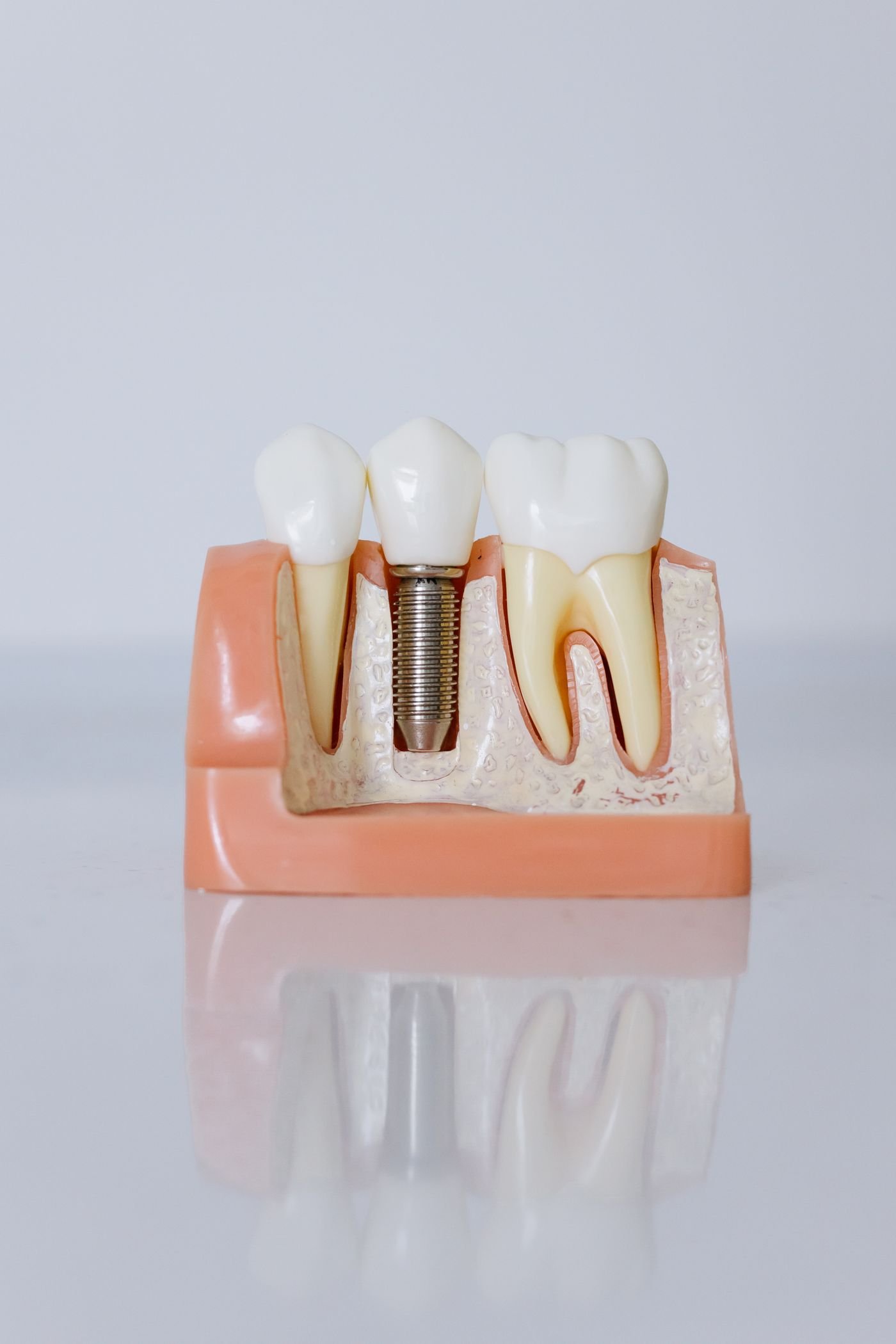
Dental implants are replacement tooth roots placed into the jawbone. Once the implant integrates with the bone, it can support a dental crown, bridge, or denture.
A complete implant restoration usually includes:
- The implant: The post placed in the jawbone
- The abutment: The connector between the implant and restoration
- The restoration: The visible crown, bridge, or denture
Implants can replace one tooth, several teeth, or an entire arch. Treatment may involve one implant or multiple implants depending on the number and location of missing teeth.
You can learn more about Dental Implants and discuss whether implant treatment is appropriate for your circumstances.
What Are the Main Benefits of Dental Implants?
1. Improved stability
Implants are anchored in the jaw rather than resting only on the gums. This can make eating and speaking feel more secure than with some removable dentures.
2. Natural-looking results
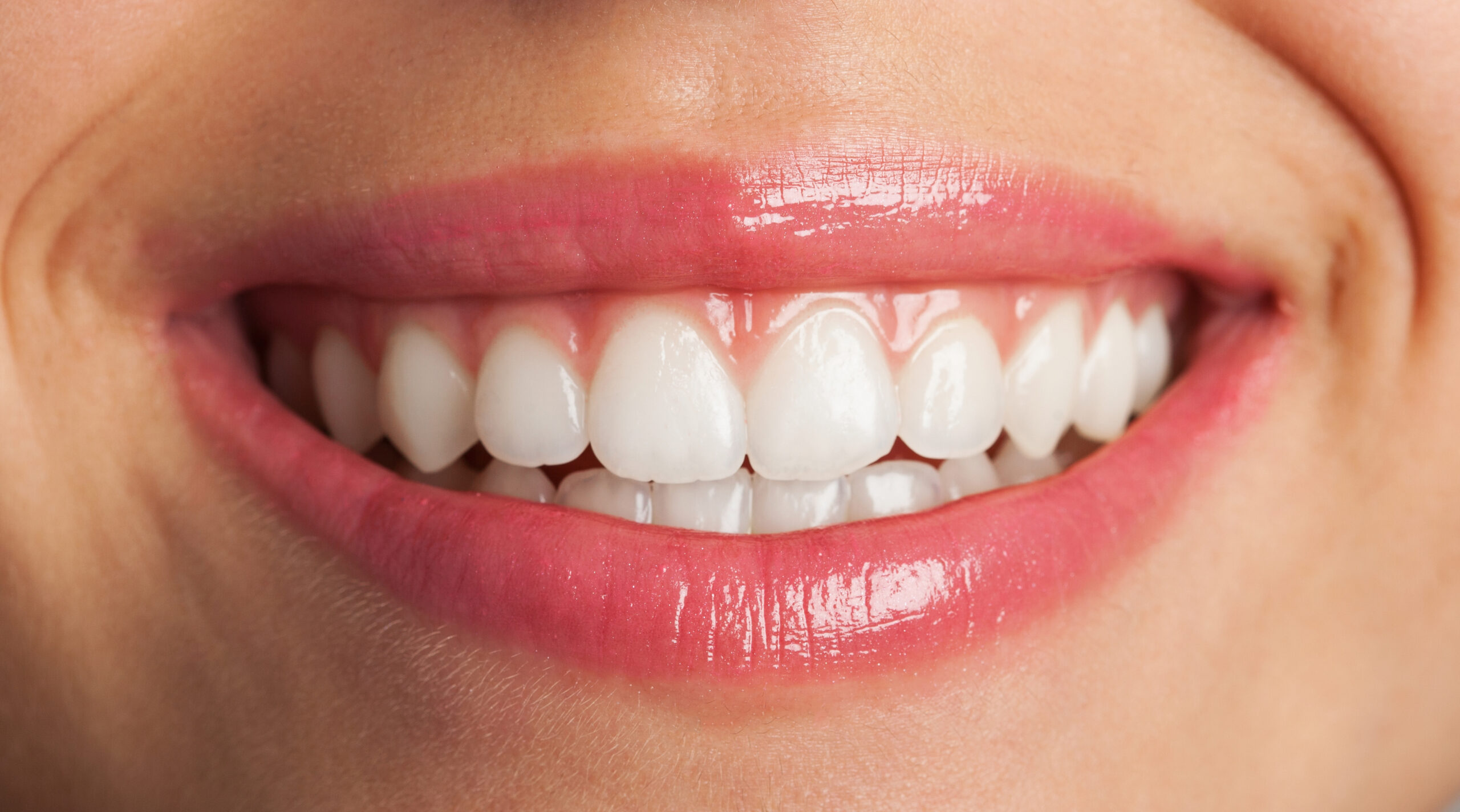
A carefully planned implant crown can be shaped and shaded to blend with surrounding teeth. The goal is a balanced appearance, not an artificial-looking result.
3. Better chewing function
Implants can restore stronger biting support than removable replacements in many cases. However, patients still need to follow professional advice about very hard or sticky foods.
4. Support for the jawbone
After tooth loss, the bone that once supported the tooth root may gradually shrink. Implant placement can help stimulate the surrounding bone and reduce some of this bone loss.
5. Protection for neighbouring teeth
A single-tooth implant does not usually require the same reduction of adjacent teeth that may be needed for a traditional bridge. The surrounding teeth can remain independent, provided they are healthy.
6. Long-term potential
The implant post may last 10 to 15 years or longer, and some implants remain functional for decades. The crown, bridge, or denture attached to it may need repair or replacement sooner.
Are Dental Implants Better Than Dentures?
Neither option is universally better. Dental implants are usually more stable, while dentures may be quicker, removable, and appropriate for patients who prefer to avoid surgery.
| Consideration | Dental Implants | Dentures |
|---|---|---|
| Stability | Fixed or implant-retained | Removable |
| Surgery | Usually required | Usually not required |
| Healing time | Requires bone healing | Generally faster treatment |
| Jawbone support | Helps maintain stimulation | Does not replace the tooth root |
| Cleaning | Cleaned in the mouth | Removed for cleaning |
| Chewing | Often closer to natural teeth | Requires adaptation |
| Adjustability | Restoration can be repaired or replaced | May require relining or replacement |
| Suitability | Requires careful health and bone assessment | Suitable for many patients |
Dentures remain a useful solution for patients replacing several teeth or a complete arch. Some patients may also benefit from implant-supported dentures, which combine removable convenience with improved stability.
Are Dental Implants Better Than Dental Bridges?
A dental bridge replaces one or more missing teeth by using nearby teeth or implants for support. An implant-supported bridge uses implants instead of natural teeth.
Implants may be preferable when:
- Adjacent teeth are healthy and should not be reduced
- More stability is desired
- Bone and gum health are suitable
- The patient wants a fixed replacement
- Several missing teeth are next to one another
A bridge may be more appropriate when:
- The supporting teeth already need crowns
- Implant surgery is not suitable
- Treatment must be completed more quickly
- The patient prefers another approach
Explore Dental Bridges as part of a complete consultation. A dental professional should compare the condition of the missing-tooth area and the supporting teeth before making a recommendation.
What Are the Possible Disadvantages of Dental Implants?
Implants offer important benefits, but responsible treatment planning must also address limitations.
Treatment takes time
Implant treatment often includes surgery, a healing period, and one or more restorative appointments. The full timeline varies according to bone quality, gum health, and whether additional procedures are required.
Surgery is involved
Implant placement is a surgical procedure. Local anaesthetic is used, and patients may experience temporary soreness, swelling, or bruising afterward.
Bone grafting may be needed
Some patients lose bone after tooth removal. If there is not enough bone for stable placement, grafting or another preparatory procedure may be discussed.
Maintenance remains necessary
Implants cannot develop cavities, but bacteria can affect the gums and supporting bone. Daily cleaning and regular professional examinations are essential.
Complications can occur
Potential complications include infection, implant failure, nerve symptoms, sinus-related concerns in the upper jaw, gum recession, restoration damage, and inflammation around the implant.
The risks depend on the patient’s health and treatment plan. A licensed professional registered with the Royal College of Dental Surgeons of Ontario, or RCDSO, should explain the expected benefits, risks, alternatives, and follow-up requirements.
Are Dental Implants Painful?
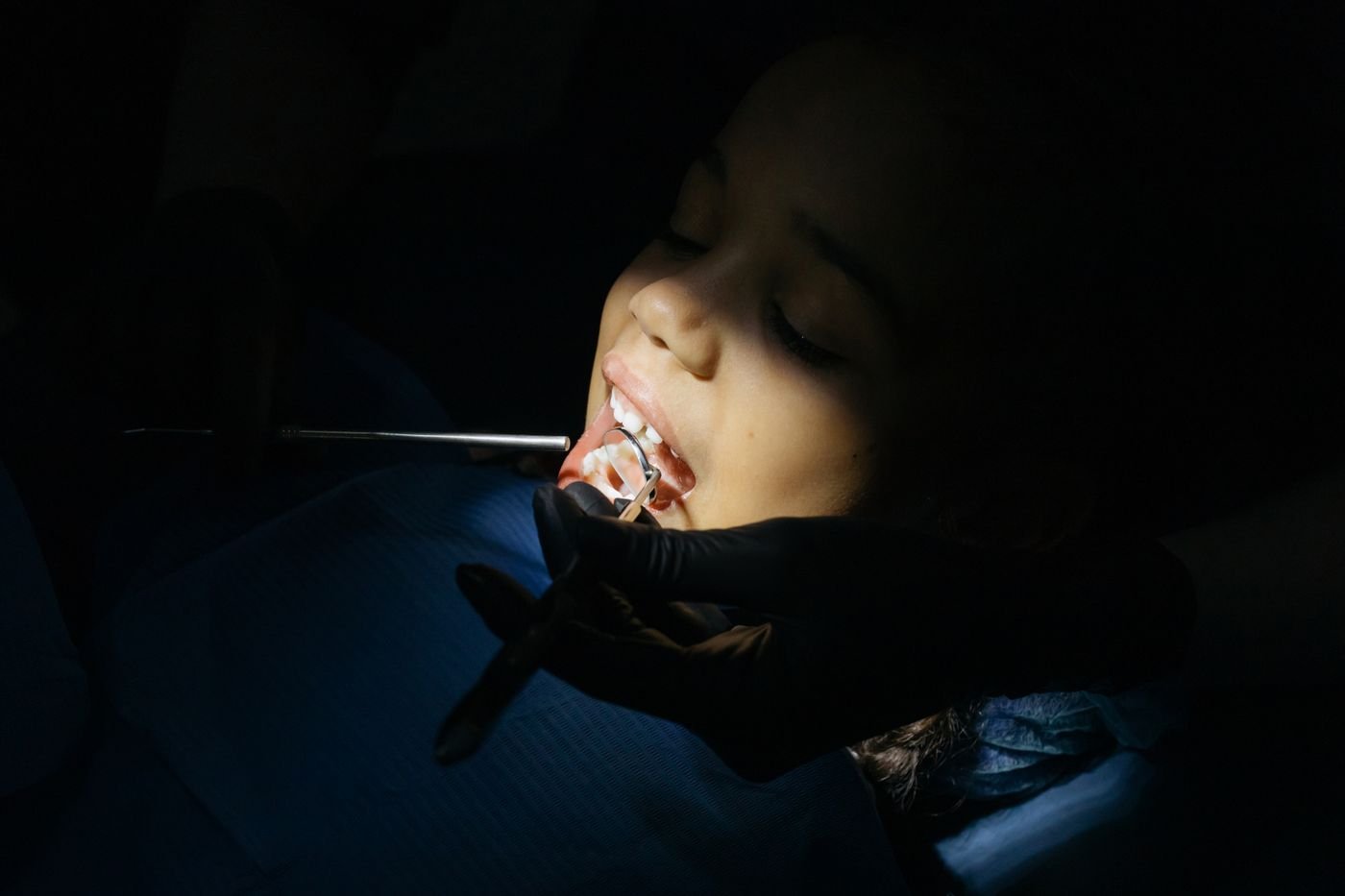
Dental implant placement is performed with local anaesthetic, so sharp pain should not be felt during the procedure. Patients may notice pressure or vibration.
Temporary effects after treatment can include:
- Soreness
- Swelling
- Bruising
- Gum sensitivity
- Mild difficulty chewing
These symptoms generally improve as healing progresses. Severe or worsening pain is not something to ignore.
Dental anxiety is common and does not mean treatment cannot be completed safely. Tell the dental team if you feel nervous. Clear explanations, planned breaks, local anaesthetic, and a calm step-by-step approach can make treatment more comfortable.
Who May Benefit Most From Dental Implants?
Implants may be a strong option for patients who:
- Have one or more missing teeth
- Want a fixed replacement
- Have healthy or treatable gums
- Have enough bone for implant placement
- Can maintain daily oral hygiene
- Have general health suitable for oral surgery
- Understand the healing and maintenance requirements
- Want to avoid relying entirely on a removable appliance
Age alone does not determine suitability. Older adults may receive implants if their oral and general health support treatment.
Who May Need Additional Assessment Before Implant Treatment?
Additional planning may be needed for patients with:
- Active gum disease
- Significant bone loss
- Poorly controlled diabetes
- Heavy tobacco use
- Teeth grinding
- Certain immune conditions
- Medications that affect bone metabolism
- A history of delayed healing
- Complex bite problems
These factors do not always rule out implants. They may require treatment, medical coordination, lifestyle changes, or a modified plan first.
If a damaged tooth may be saved, Root Canal Treatment could be considered instead of extraction and replacement. Other preparatory treatments may include Dental Fillings or Dental Crowns.
When a tooth cannot be restored, Dental Extraction may be recommended. Wisdom teeth concerns can be assessed through Wisdom Teeth Extraction.
How Long Do Dental Implants Last?
A dental implant post often lasts 10 to 15 years or longer. With excellent maintenance, it may last much longer.
The visible restoration may have a different lifespan:
- A crown may wear, chip, or fracture
- A bridge may require repair
- An implant-supported denture may need relining
- The bite may change over time
- Gum recession may affect appearance
A restoration requiring replacement does not automatically mean the implant failed. The implant post, abutment, and restoration should be assessed separately.
How Can You Protect Your Investment?
Maintain excellent oral hygiene
Brush twice daily and clean around the implant as instructed. Depending on the restoration, your dental team may recommend interdental brushes, specialized floss, or a water flosser.
Attend regular examinations
Follow-up visits allow the dental team to assess the implant, gums, bone, bite, and restoration. Early signs of inflammation or mechanical problems can often be managed more effectively when found promptly.
Do not smoke
Tobacco can impair healing and increase the risk of gum disease and implant complications.
Manage clenching and grinding
If you wake with jaw pain, headaches, worn teeth, or a damaged restoration, ask whether bruxism may be contributing. A protective appliance may help selected patients.
Avoid damaging habits
Do not chew ice, pens, fingernails, or other hard objects. Avoid using implant-supported teeth to open packages.
Protect your mouth during sports
A fitted mouthguard can reduce the risk of damage from impact.
What Should You Expect During an Implant Consultation?
A consultation should provide clear answers rather than pressure to proceed.
The process may include:
- Review of your concerns and treatment goals
- Medical and dental history
- Examination of teeth, gums, bite, and jaw
- X-rays or three-dimensional imaging when appropriate
- Assessment of bone volume and implant position
- Discussion of alternatives
- Explanation of healing, maintenance, and risks
- Opportunity to ask questions before deciding
Ask about the expected treatment stages, whether bone grafting is needed, how the restoration will be maintained, and what follow-up care is recommended.
Can Other Treatments Improve Your Overall Dental Investment?
A healthy mouth provides a better foundation for long-term tooth replacement. Preventive and restorative care may be needed before implant treatment.
Orthodontic treatment, including Clear Aligners or Braces, may help improve spacing or bite alignment in selected cases.
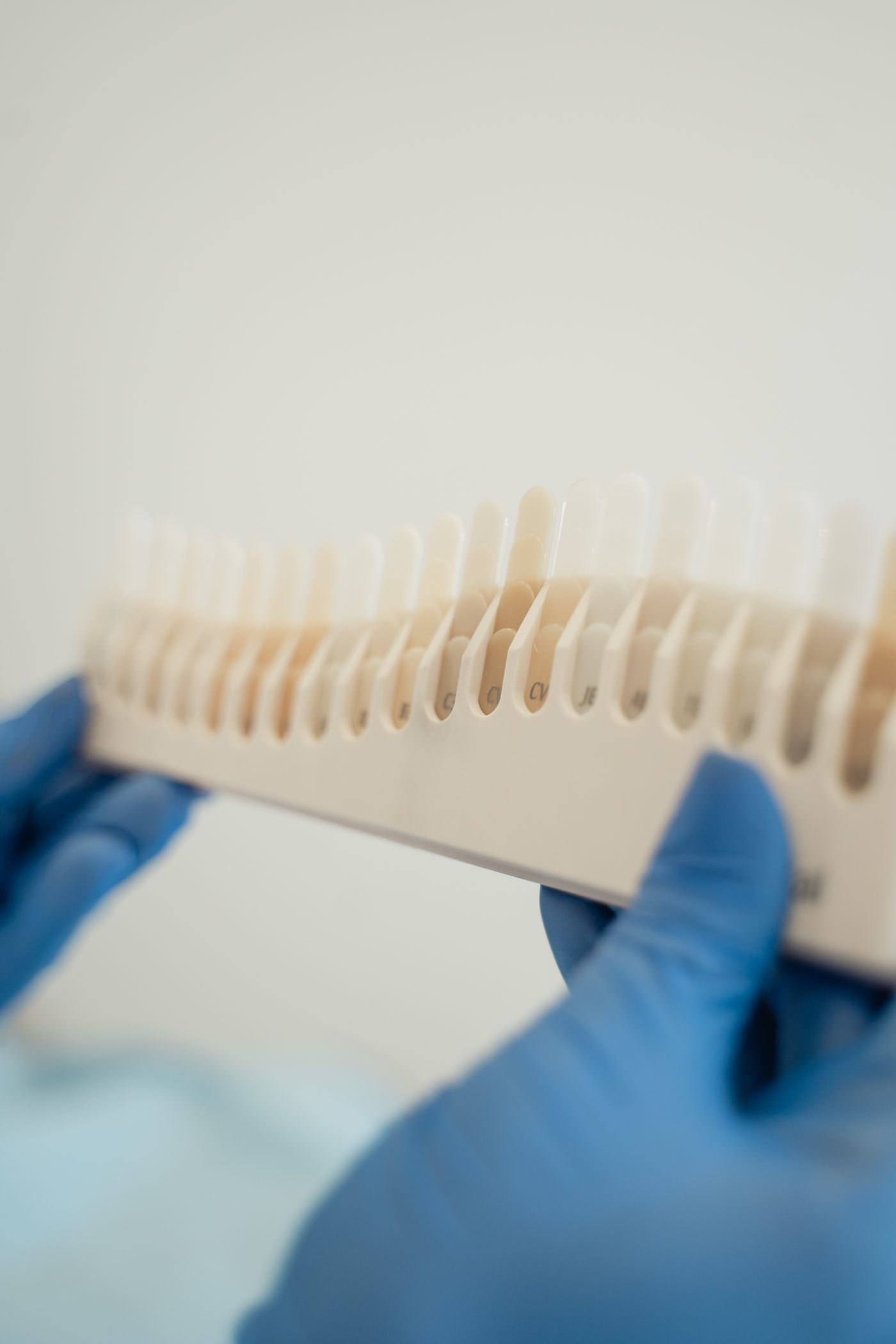
For cosmetic concerns, Teeth Whitening may brighten natural teeth. Whitening does not change the shade of implant crowns, bridges, or dentures, so treatment timing should be discussed with a dental professional.
Finding Local Implant Care in Concord and Vaughan
When choosing the Best Dental Clinic in Concord, look for a practice that offers careful diagnosis, clear communication, evidence-based treatment planning, and follow-up support.
Smart Care Dental is a trusted dental clinic in Concord and Vaughan, offering a complete range of family, cosmetic, and restorative dentistry. The clinic accepts new patients and CDCP, or Canadian Dental Care Plan, patients, with extended evening and weekend hours suited to busy families.
Patients searching for a Family Dentist in Concord, Cosmetic Dentist in Concord, or Top Dentist in Vaughan can discuss preventive care, tooth replacement, cosmetic goals, and long-term maintenance in one setting.
Smart Care Dental is located in Concord, Vaughan, ON, Canada. Patients can contact the clinic at info@smartcaredental.ca or +1 905-738-4970, or visit https://smartcaredental.ca/. The clinic is also a certified Invisalign Provider Concord for suitable clear aligner patients.
Can CDCP Cover Dental Implants?
The Canadian Dental Care Plan may cover certain eligible dental services, depending on current program rules, patient eligibility, clinical requirements, and preauthorization criteria. Implant treatment and related services may not be covered in full.
Patients should confirm:
- Their eligibility
- Whether the procedure is covered
- Whether preauthorization is needed
- Which parts of treatment are included
- Whether laboratory or restorative components are covered
- What personal responsibility may remain
Smart Care Dental accepts CDCP patients. Patients should review their specific coverage through official Canadian government resources before treatment.
When Is Emergency Dental Care Needed?
Missing teeth are generally not an emergency, but complications can be serious if left untreated.
Seek prompt care for:
- Severe dental pain
- Facial or jaw swelling
- Fever
- Pus or a persistent bad taste
- Uncontrolled bleeding
- A loose implant
- A broken crown or bridge
- Trauma to the jaw or mouth
- Difficulty swallowing or breathing
An Emergency Dental Clinic in Concord may provide same-day assessment when available. Difficulty breathing, rapidly spreading swelling, or severe infection requires immediate emergency medical attention.
Frequently Asked Questions
1. Are dental implants worth it for one missing tooth?
They may be worth considering because a single implant can replace the missing root and crown without depending on neighbouring teeth for support. Suitability depends on bone, gums, bite, general health, and treatment goals.
2. Are implants better than dentures for older adults?
Not automatically. Many older adults can receive implants, but dentures may be more appropriate when surgery, healing, bone, hygiene, or medical factors create concerns. An individualized examination is necessary.
3. What happens if I cannot afford or complete implant treatment?
Alternatives may include a partial denture, complete denture, traditional bridge, or staged treatment. Ask about all clinically suitable options before deciding.
4. Do implants require special cleaning?
They require careful daily cleaning, but the exact method depends on whether you have a single crown, bridge, or implant-supported denture. Your dental team can demonstrate suitable tools and techniques.
5. Can implants fail years after treatment?
Yes, although many remain successful for a long time. Gum inflammation, bone loss, smoking, grinding, poor hygiene, restoration damage, and general health changes can contribute to later complications. Regular follow-up helps reduce risk.
Conclusion
Dental implants may be a worthwhile long-term investment when stability, function, appearance, and jawbone support are important goals.
They require surgery, healing, daily care, and professional follow-up, so suitability should be determined through a complete assessment.
Comparing implants with dentures, bridges, and other options can help you choose safe treatment that matches your health and priorities.