A tooth can hurt under a crown because of temporary sensitivity after placement, a crown that sits too high, new decay at the crown edge, a crack in the tooth underneath, gum irritation, or an infection in the nerve. Mild sensitivity for a few days to a couple of weeks after a new crown is common and normal. Pain that lingers, throbs, or appears years later is a sign that the tooth beneath needs checking, so it is worth having your dental crown assessed rather than waiting it out.
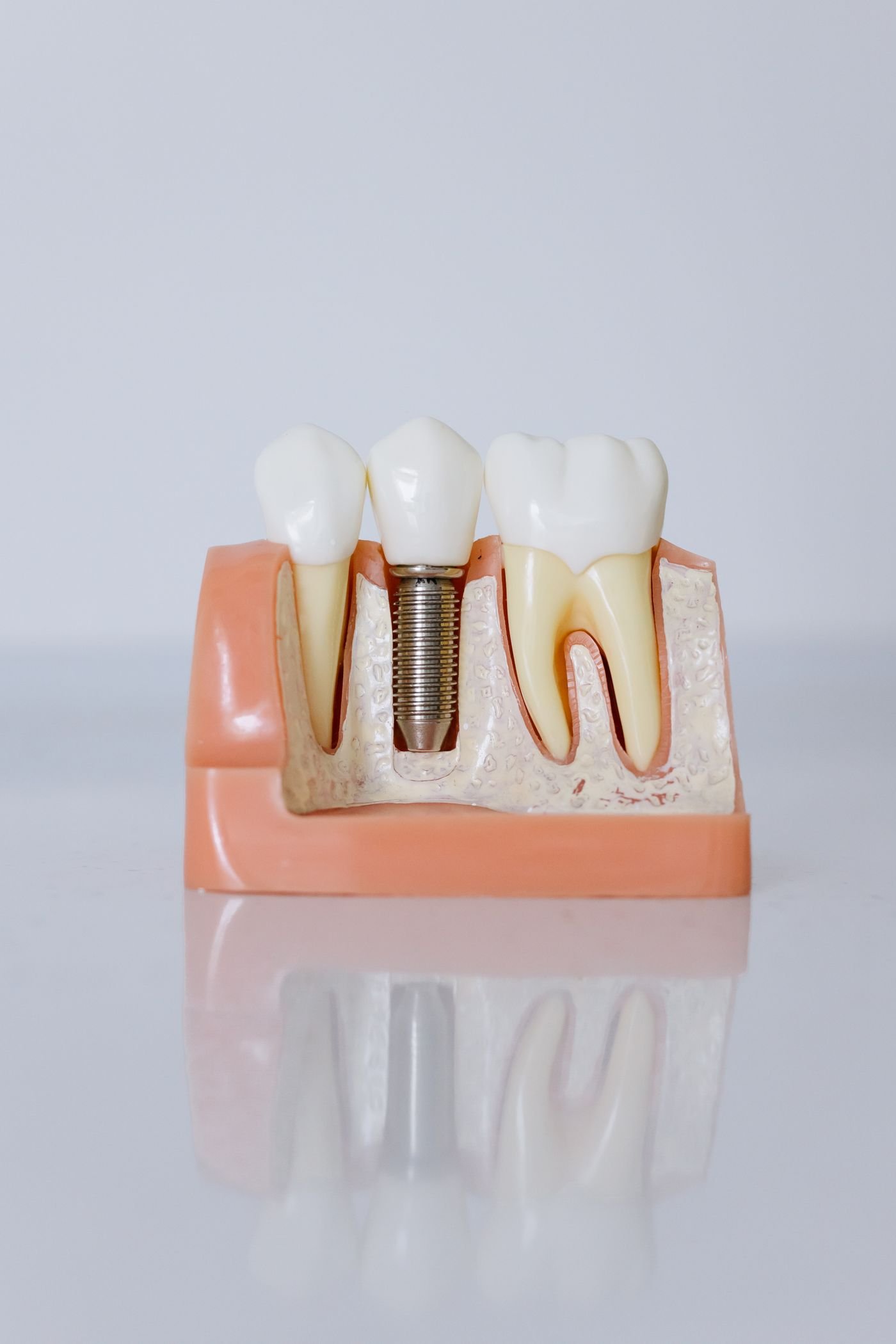
Many people assume that once a tooth has a crown, it cannot have problems anymore. In reality, the crown covers the tooth like a protective cap, but the natural tooth and its nerve are still underneath. That means it can still be affected by decay, gum disease, cracks, and infection.
If the nerve inside the tooth has become inflamed or infected, root canal therapy can often be completed through the crown itself, relieving pain without always replacing the crown. Regular checkups as part of general dentistry help spot leaking crown edges and early decay before they cause pain.
Grinding is another frequent cause of sore crowned teeth, and a custom nightguard can protect both crowns and natural teeth from heavy nighttime forces. If the pain is severe, the tooth is swollen, or the crown has come loose, emergency dental care can relieve discomfort quickly.
What Is a Dental Crown?
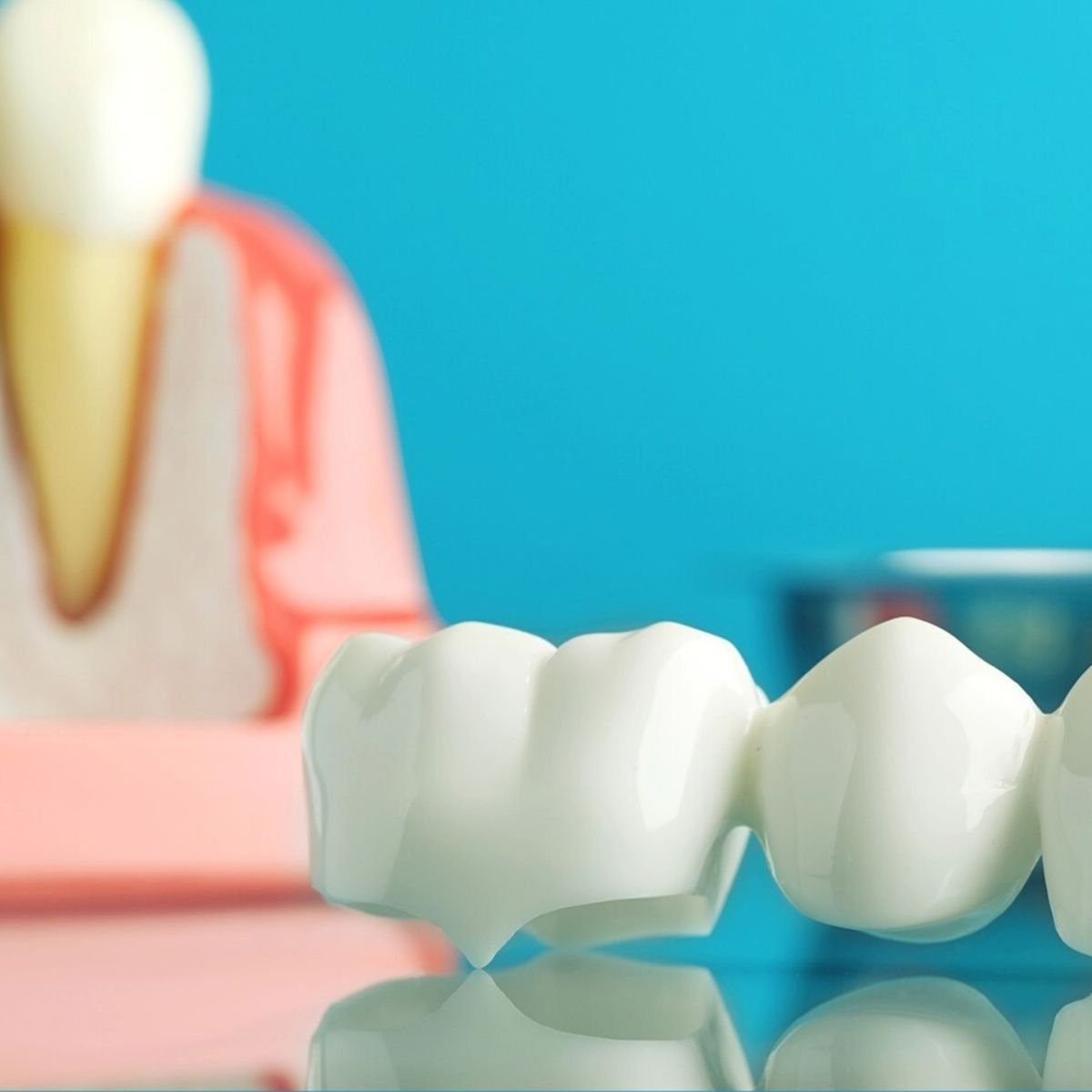
A dental crown, sometimes called a cap, is a custom-made covering that fits over a damaged or weakened tooth. It restores shape, strength, and appearance. Crowns are commonly placed after large fillings, root canal therapy, cracks, or for cosmetic reasons. They are cemented or bonded onto the prepared tooth and can last many years with good care.
Is Pain Under a Crown Normal, Temporary, or Serious?
- Normal and temporary: mild sensitivity to hot or cold, or tenderness when biting, for a few days to two weeks after the crown is fitted.
- Needs a check: pain on biting that does not improve, sensitivity lasting longer than a few weeks, or pain appearing in an older crown.
- Serious: throbbing pain, swelling, a pimple on the gum, a bad taste, fever, or a crown that feels loose.
Why Does My Tooth Hurt Under a Crown? Common Causes
Sensitivity After a New Crown
Preparing a tooth for a crown involves reshaping it, which can temporarily irritate the nerve. Cement can also cause brief sensitivity. This usually fades within days to a few weeks.
Crown Sits Too High
If the crown is slightly taller than the natural bite, that tooth takes extra pressure every time you chew. This causes soreness and can inflame the ligament around the root. A quick adjustment usually solves it.
Decay at the Crown Margin
The edge where the crown meets the tooth, called the margin, is a common place for new decay, especially if gums recede or cleaning is difficult. Decay can spread under the crown unseen.
Cracked or Fractured Tooth Underneath
A crack in the tooth beneath the crown can cause sharp pain when biting. Cracks that extend into the root may not be repairable.
Nerve Inflammation or Infection
Teeth that needed crowns often had deep fillings or damage, which can stress the nerve. Sometimes the nerve becomes irreversibly inflamed or dies months or years after the crown is placed, leading to an abscess.
Gum Irritation or Recession
Gums around a crown can become sore if plaque builds up, the crown edge is rough, or cement remains under the gum. Recession can expose the root surface, causing sensitivity.
Grinding and Clenching
Heavy nighttime forces can make crowned teeth sore and may crack the crown or the tooth.
Loose Crown
If the cement fails, the crown can rock slightly, allowing bacteria and saliva underneath and causing pain or a bad taste.
Sinus Pressure
Upper back crowned teeth can ache during a sinus infection, which can feel like tooth pain.
Matching Symptoms to Possible Causes
| Symptom | Possible Cause | Typical Solution |
|---|---|---|
| Mild cold sensitivity after a new crown | Normal post-treatment sensitivity | Time and sensitivity toothpaste |
| Sore when biting after a new crown | High bite | Bite adjustment |
| Sharp pain on biting an older crown | Crack or loose crown | Examination, possible replacement |
| Dark line or sensitivity at the gum line | Decay at the margin or recession | Repair or new crown |
| Throbbing pain or swelling | Nerve infection or abscess | Root canal therapy |
| Sore gums around the crown | Plaque or trapped cement | Cleaning and gum care |
What to Do If Your Crowned Tooth Hurts
- Note when the pain happens: with cold, heat, biting, or on its own.
- Use a sensitivity toothpaste and avoid very hot or cold foods.
- Chew on the other side and avoid sticky or hard foods.
- Floss gently around the crown to remove trapped food.
- Rinse with warm salt water if the gum is sore.
- Take over-the-counter pain relief as directed on the label, if suitable.
- Call your dental office if the pain lasts, worsens, or the crown feels loose.
Safety note: seek urgent care if you have facial swelling, fever, or difficulty swallowing. If a crown comes off, keep it safe, avoid household glues, and contact your dentist to have it cleaned and recemented if possible.
How Your Dentist Diagnoses Crown Pain
- History: when the crown was placed, and when and how the pain occurs.
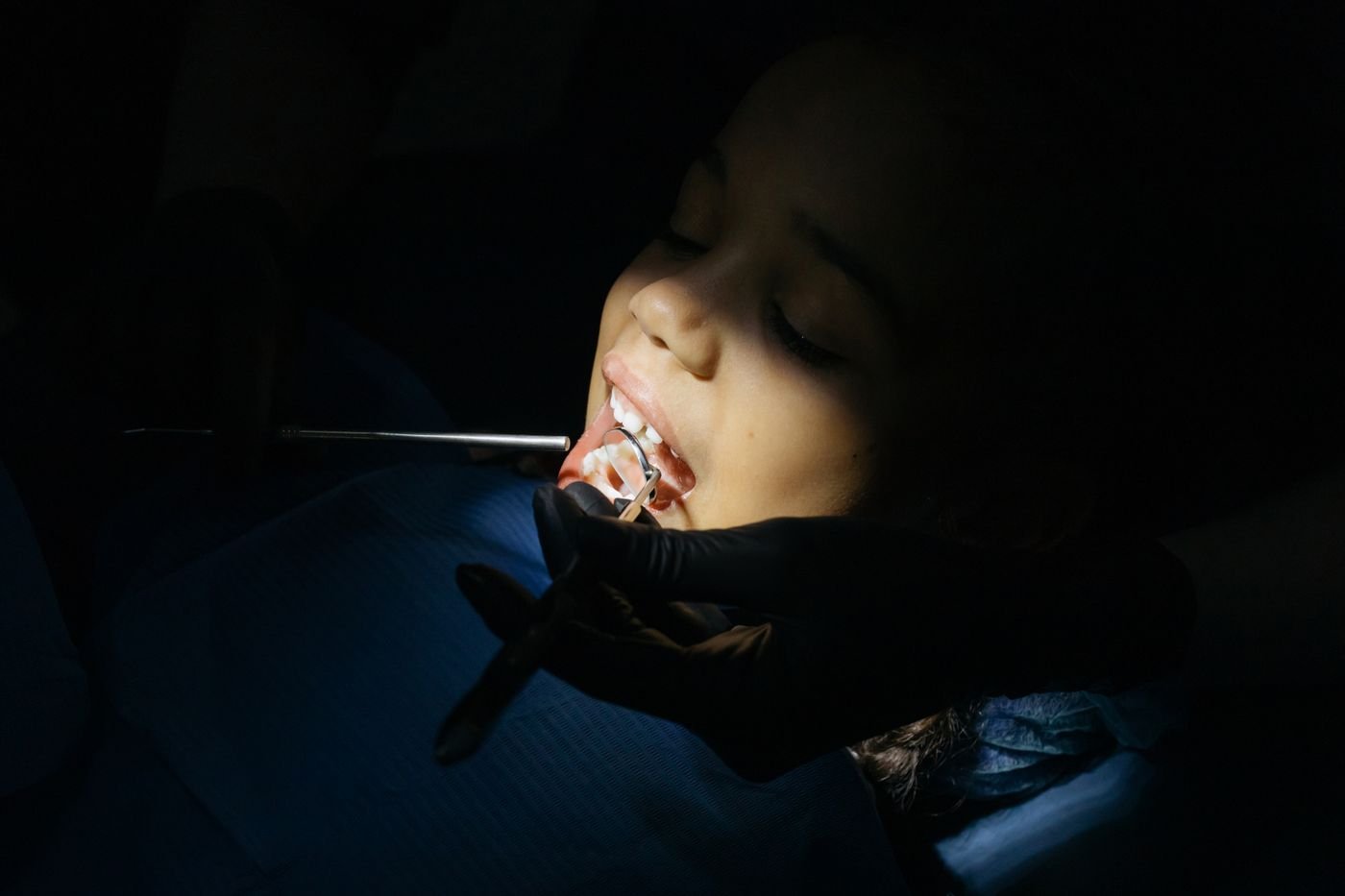
- Examination: checking the crown edges, gums, and bite.
- Bite test: identifies high spots or cracks.
- Sensitivity tests: cold and tapping tests assess the nerve.
- X-rays: reveal decay under the crown or infection at the root tip.
- Treatment plan: adjustment, cleaning, root canal, crown replacement, or extraction in rare cases.
Crown Materials and How They Behave
| Material | Appearance | Strength | Notes |
|---|---|---|---|
| Porcelain or all-ceramic | Very natural | Good | Ideal for front teeth |
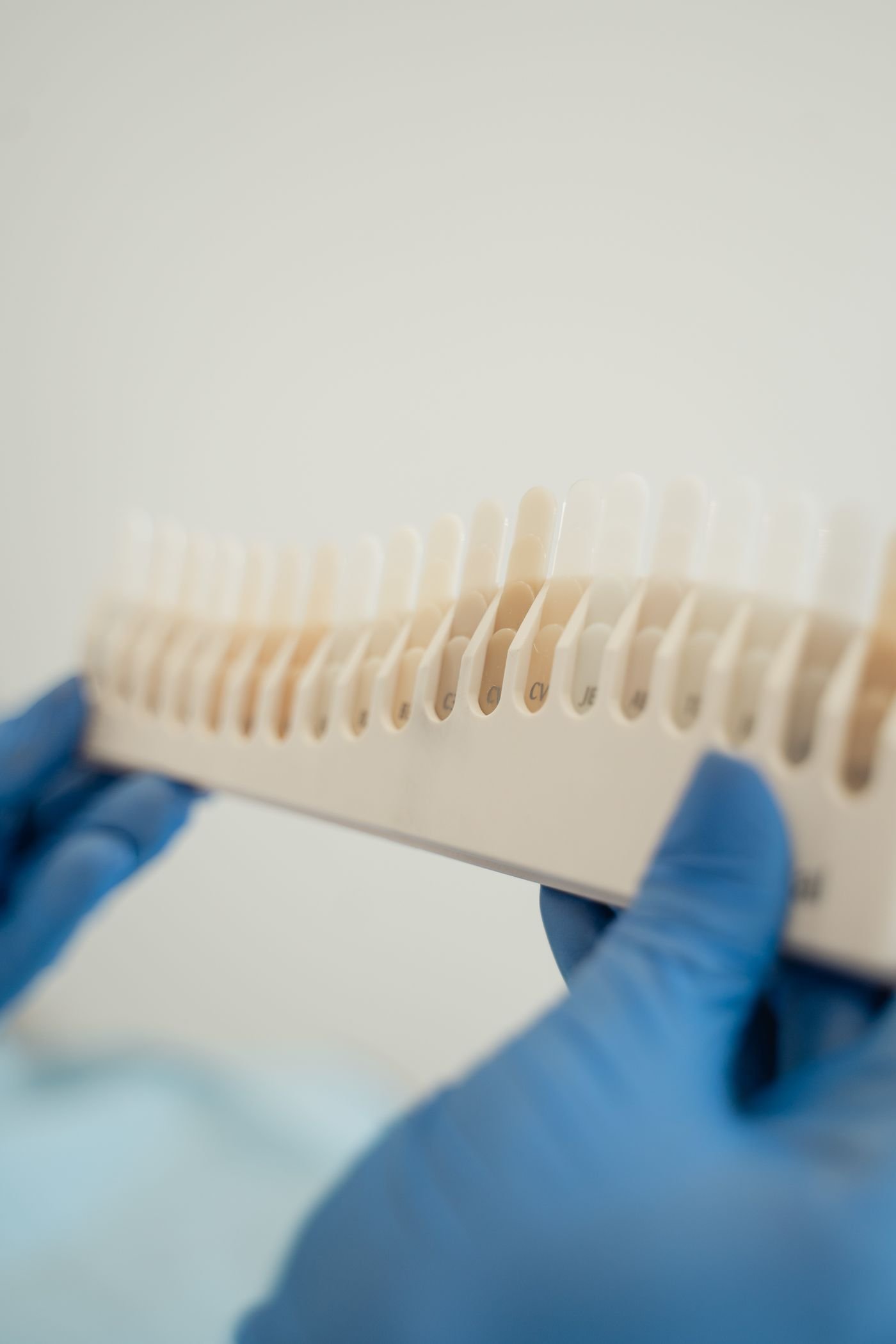
| Zirconia | Natural | Very high | Popular for back teeth and grinders |
| Porcelain fused to metal | Natural, may show a dark line over time | High | Long track record |
| Gold alloy | Metallic | Very high, gentle on opposing teeth | Requires less tooth removal |
Does a Crowned Tooth Need a Root Canal?
Not always. Many crowned teeth stay healthy for life without root canal therapy. A root canal is needed only if the nerve becomes irreversibly inflamed or infected. In many cases, it can be done through a small opening in the crown, which is then sealed, avoiding the need for a new crown.
Pain With a Temporary Crown
While your permanent crown is being made, a temporary crown protects the prepared tooth. Temporaries are made from softer materials and held with lighter cement, so some sensitivity is common during this stage. To stay comfortable:
- Avoid sticky foods such as gum, toffee, and caramel, which can pull the temporary off.
- Chew mainly on the other side.
- Slide floss out sideways rather than pulling it up, so the temporary is not dislodged.
- Call the office if the temporary comes off, so the tooth can be protected promptly.
Signs Your Crown May Need Replacing
- A visible gap, chip, or crack in the crown.
- A dark line at the gum edge that is getting bigger.
- Food catching under the edge, or floss shredding.
- The crown feels loose or moves when you bite.
- Recurring sensitivity or a bad taste near the crown.
- Gum recession that has exposed the crown margin.
Replacing a crown before it fails completely usually protects more of the natural tooth underneath and keeps future treatment simpler.
Myths About Crown Pain
- Myth: “A crowned tooth cannot get cavities.” Fact: decay can form at the edges where the crown meets the tooth.
- Myth: “Pain under a crown always means it was done incorrectly.” Fact: temporary sensitivity is normal, and later issues are often due to new decay, grinding, or nerve changes.
- Myth: “Crowns last forever.” Fact: crowns are durable but may eventually need replacing.
- Myth: “If the crown is fine, the tooth is fine.” Fact: the tooth and gum underneath still need care and regular checks.
Real Patient Scenarios
The High Crown
A patient’s new crown felt fine at first, but chewing became sore after a few days. A small high spot was found and adjusted. The soreness resolved within a day.
The Old Crown With a Hidden Problem
Another patient noticed cold sensitivity on a ten-year-old crown. X-rays showed decay at the margin where the gum had receded. A new crown with a better seal solved the problem.
The Throbbing Molar
A third patient developed throbbing pain under a crown placed years earlier. The nerve had become infected. Root canal therapy through the crown relieved the pain and kept the existing crown.
Common Mistakes to Avoid
- Ignoring pain because the tooth “already has a crown”.
- Not flossing around crowns.
- Chewing ice or hard candy on crowned teeth.
- Skipping a nightguard when grinding has been diagnosed.
- Using glue to reattach a loose crown.
How to Keep Crowned Teeth Healthy
- Brush twice daily, paying attention to the gum line around crowns.
- Floss or use interdental brushes daily.
- Wear a nightguard if you grind.
- Limit sugary snacks and drinks.
- Attend regular checkups so crown edges can be monitored.
Why Licensed Dental Professionals Matter
Diagnosing pain under a crown requires careful testing and imaging, because the cause is hidden beneath the restoration. In Ontario, dentists must be registered with the Royal College of Dental Surgeons of Ontario (RCDSO), which sets standards for safe and ethical care. An RCDSO-registered team can diagnose accurately and provide follow-up so the tooth stays comfortable for years.
Crown Care at Dana Dental Aurora
Dana Dental Aurora is one of the most trusted names for anyone looking for a Dental Clinic in Aurora, with a 5.0 Google rating from more than 485 patient reviews. New patients and CDCP (Canadian Dental Care Plan) patients are welcome, the New Patient Special introductory package helps first-time visitors get started, and CareCredit financing lets you break treatment costs into affordable monthly installments.
The clinic provides general dentistry, caps and crowns, dental implants, emergency dentistry, wisdom teeth removal, fillings, pediatric dentistry, root canal therapy, sedation, cosmetic dentistry, bonding, veneers, teeth whitening, bridges, mouthguards, and nightguards, with flexible evening and weekend scheduling. Whether you need an Emergency Dental Clinic in Aurora for sudden crown pain, a Cosmetic Dentist in Aurora to replace an older crown, a Family Dentist in Aurora, or advice on Dental Implants Aurora, call +1 (647) 494-5006, email info@danadentalaurora.ca, or visit 15277 Yonge St., Suite 1 & 2, Aurora, ON. Many patients call it the Best Dental Clinic in Aurora, a friendly Dental Office in Aurora, and home to a Top Dentist in Aurora, and every Dentist in Aurora on the team is RCDSO registered.
Frequently Asked Questions
How long does sensitivity last after getting a crown?
Mild sensitivity usually settles within a few days to two weeks. If it lasts longer or gets worse, have it checked.
Can a tooth under a crown get infected?
Yes. Decay or a crack can let bacteria reach the nerve, leading to infection that may need root canal therapy.
Why does my crown hurt when I bite down?
Common reasons include a high bite, a crack in the tooth, or inflammation around the root. A dental exam can identify which.
Can a crown be fixed without replacing it?
Sometimes. Bite adjustments, small margin repairs, and root canals through the crown can often avoid replacement.
How long do dental crowns last?
Many crowns last ten to fifteen years or more, depending on the material, bite forces, and oral hygiene.
Conclusion
Pain under a crown can come from normal post-treatment sensitivity, a high bite, decay, cracks, or nerve infection.
Short-term sensitivity is common, but lasting or throbbing pain needs a proper examination.
Early diagnosis often allows a simple fix that keeps both the crown and the tooth.