Patient guide · Dana Dental Aurora · 9 min read
A traditional dental crown usually takes two appointments about 2 to 3 weeks apart. The first visit, where the tooth is shaped and a temporary crown is placed, takes about 60 to 90 minutes, and the second visit to fit the permanent crown takes about 30 to 60 minutes. It’s a routine, comfortable procedure, and caps and crowns are among the most common treatments at Dana Dental Aurora.
Timing can change depending on what the tooth needs first. A tooth with a deep infection may need root canal therapy before the crown, which adds an appointment.
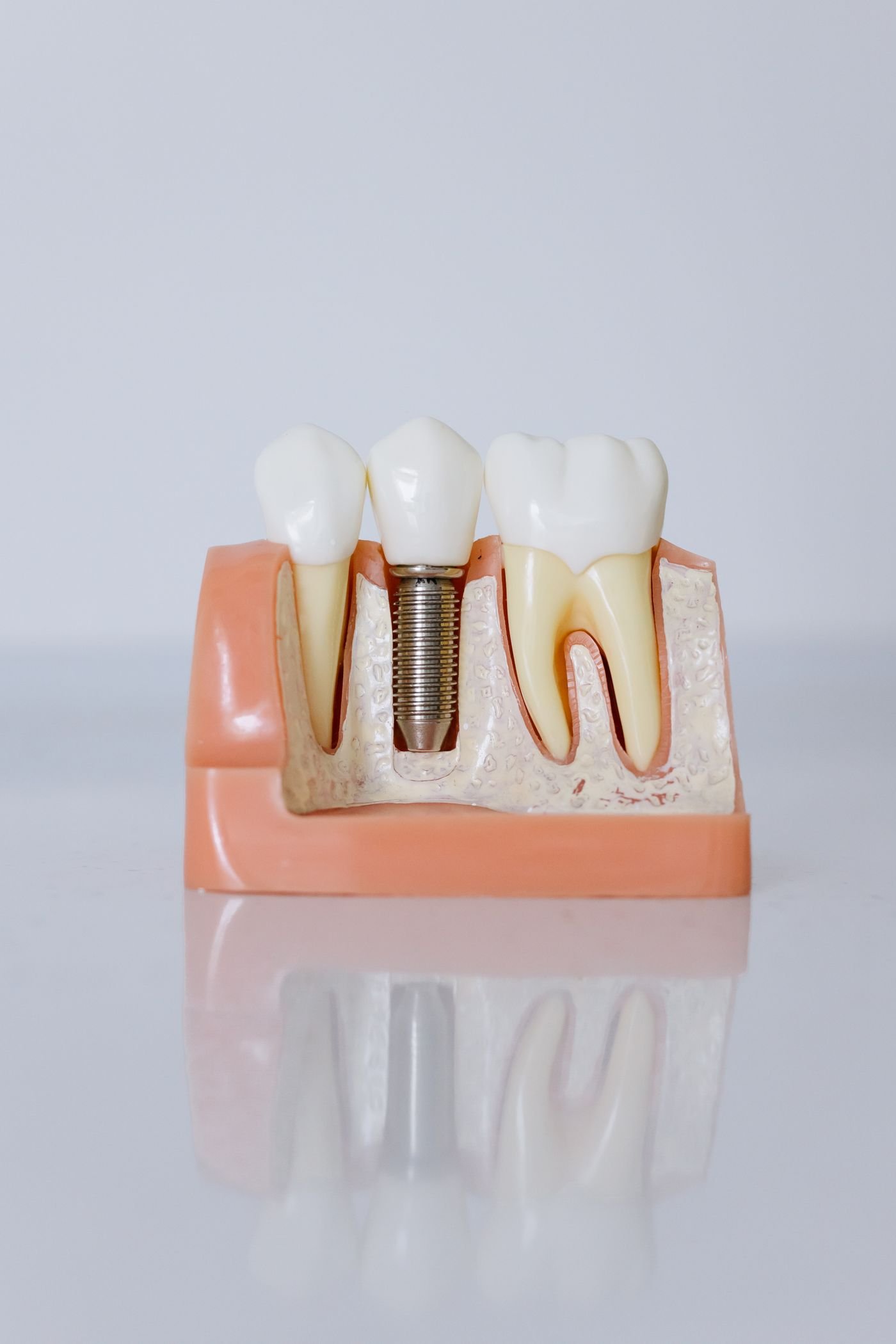
Crowns also cap dental implants, but that crown goes on only after the implant has healed for a few months.
If you’re missing a tooth between two healthy ones, dental bridges use crowns on the neighbouring teeth to hold a replacement tooth. New to the clinic? The New Patient offer makes it easy to start with an exam and a clear plan.
Quick answer
A standard dental crown takes 2 visits over about 2 to 3 weeks. Visit one (60 to 90 minutes) includes numbing, shaping the tooth, impressions or scans, and a temporary crown. Visit two (30 to 60 minutes) is for fitting and cementing the permanent crown. Teeth needing a root canal or build-up first take longer.
What is a dental crown?
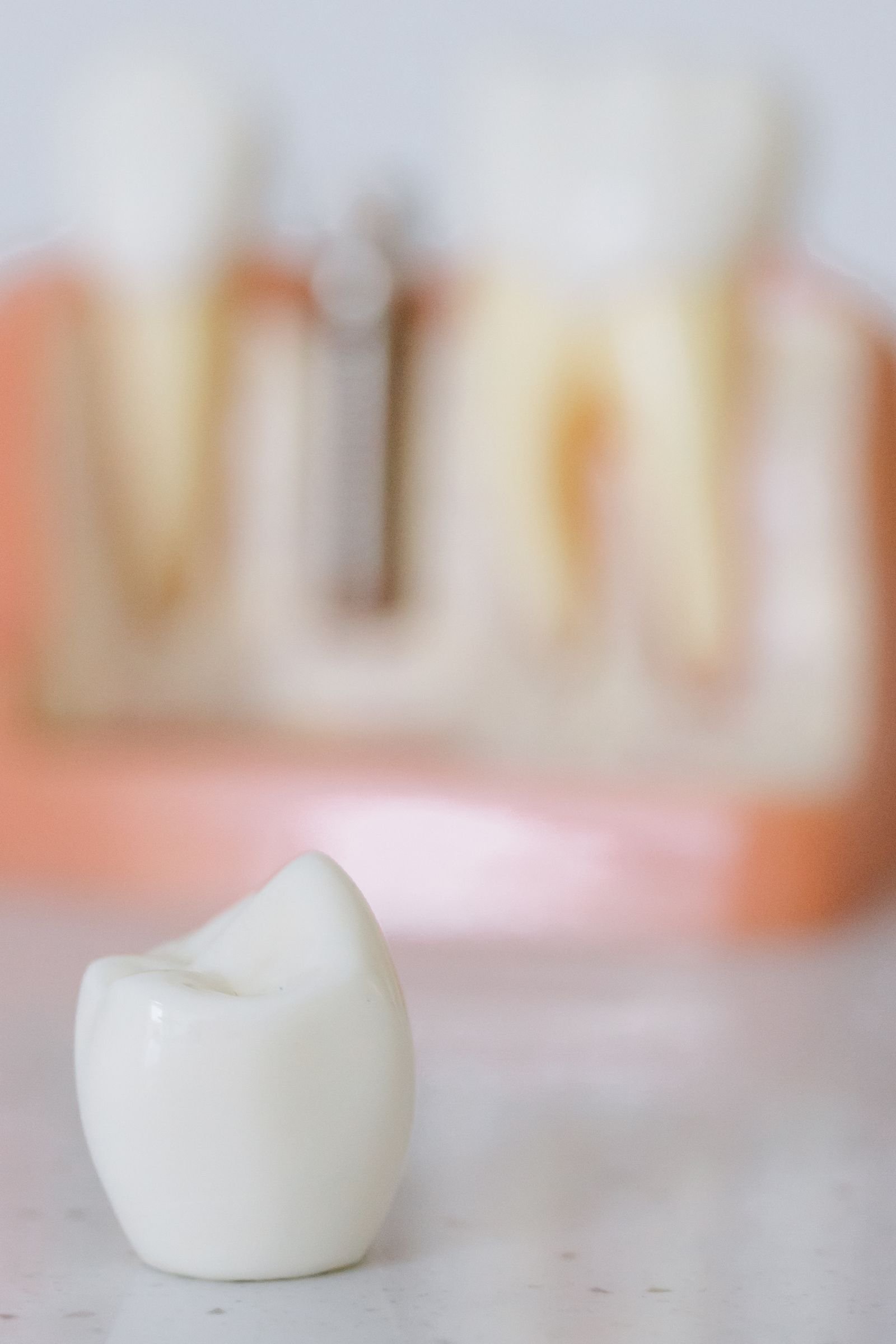
A dental crown, sometimes called a cap, is a custom-made cover that fits over the entire visible part of a tooth. It restores the tooth’s shape, strength, and appearance.
Crowns are used to:
- Protect a tooth after a root canal
- Rebuild a tooth with a large filling or a lot of decay
- Hold together a cracked tooth
- Cover a badly worn or broken tooth
- Improve the look of a misshapen or discoloured tooth
- Top a dental implant
- Anchor a dental bridge
Visit one: preparing the tooth
This is the longer appointment. Here’s what happens, step by step.
- Exam and X-rays. Your dentist confirms the tooth is healthy enough for a crown and checks the roots.
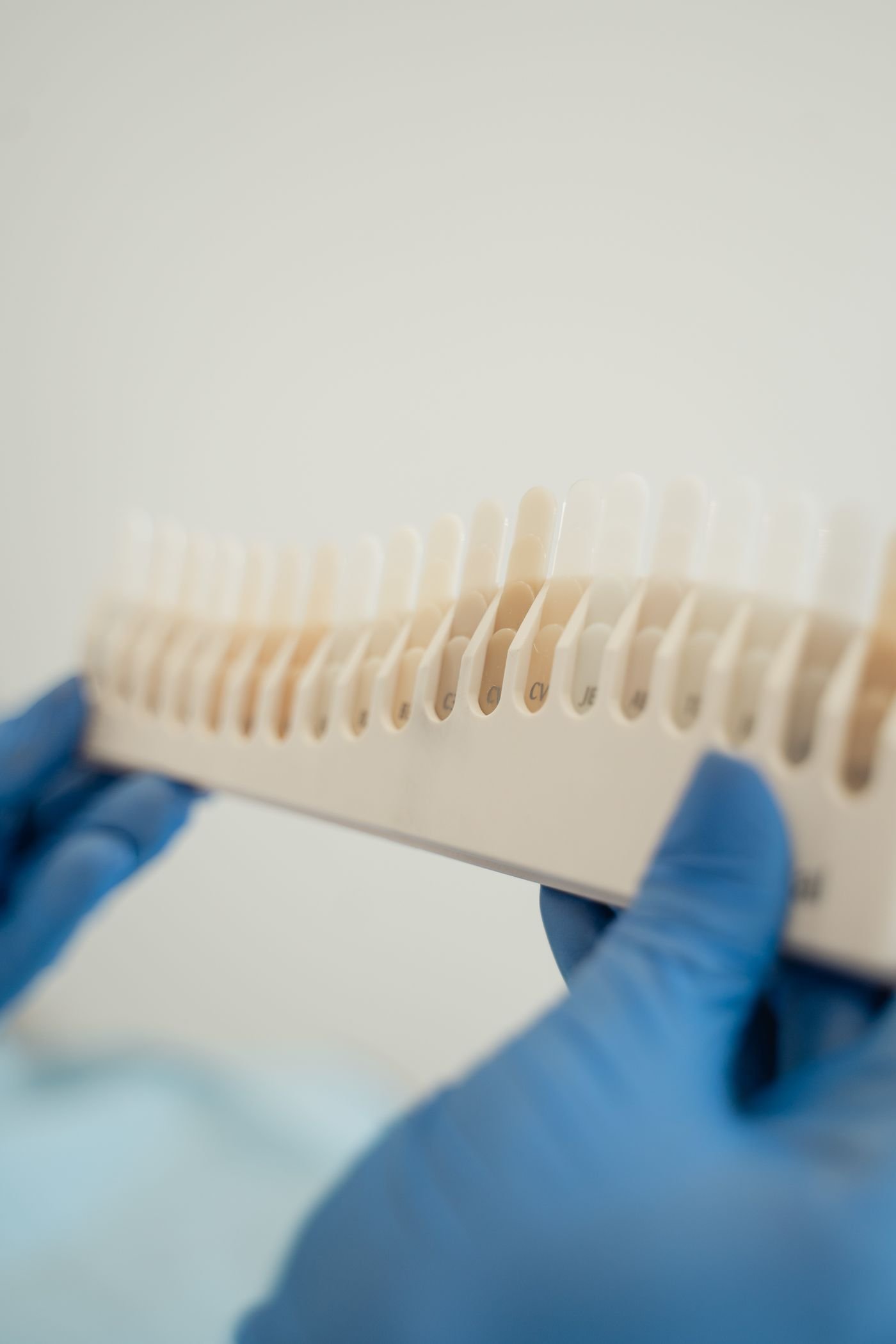
- Shade selection. The colour is matched to your neighbouring teeth.
- Freezing. Local anesthetic numbs the tooth and gum.
- Removing decay and old filling. Any weak or decayed areas are cleaned out.
- Building up the core. If a lot of the tooth is missing, a filling material rebuilds it to support the crown.
- Shaping the tooth. A thin layer is removed from all sides so the crown can fit over it.
- Impressions or digital scans. These create an exact model for the lab.
- Temporary crown. A temporary crown protects the tooth while the permanent one is made.
Time: 60 to 90 minutes, sometimes longer for molars or teeth needing a large build-up.
Between visits: wearing a temporary crown
Your temporary crown protects the tooth for about 2 to 3 weeks while a dental lab makes the permanent crown.
Tips for the temporary:
- Avoid sticky foods like caramel, gum, and toffee
- Chew mostly on the other side
- Slide floss out sideways instead of lifting it up
- Call the clinic if it comes off. Keep it and avoid chewing on that tooth.
Visit two: placing the permanent crown
- Removing the temporary. The tooth is cleaned.
- Trying in the crown. Your dentist checks the fit, colour, and bite.
- Adjustments. Small changes are made if needed.
- Cementing. The crown is permanently bonded or cemented.
- Final bite check. You bite on paper to make sure it feels even.
Time: 30 to 60 minutes. Freezing may or may not be needed.
Crown timeline at a glance
What affects how long it takes?
- Tooth location. Molars take longer than front teeth.
- Amount of damage. More decay or missing structure means more build-up work.
- Root canal needs. Infection or a dying nerve adds treatment time.
- Gum health. Inflamed gums may need to settle before impressions.
- Number of crowns. Several crowns in one area can be prepared together but take longer.
- Lab time. Custom crowns need time for careful craftsmanship.
Types of crowns compared
Your dentist will recommend a material based on the tooth’s location, your bite, and your preferences.
How to prepare for your crown appointment
A little planning makes both visits smoother.
- Eat a light meal beforehand, since you may be numb for a few hours afterward.
- Tell your dentist about medications, especially blood thinners.
- Mention any anxiety so the team can plan breaks or comfort options.
- Bring headphones if music helps you relax.
- Plan soft foods for the rest of the day.
- Book the second visit before you leave, so the temporary doesn’t stay in longer than it should.
Crown vs onlay vs large filling
Not every damaged tooth needs a full crown. Here’s how the options compare.
Your dentist will recommend the option that protects the tooth while keeping as much natural structure as possible.
Does getting a crown hurt?
The tooth is numbed during preparation, so you should feel pressure and vibration but no pain. Afterward, it’s normal to have:
- Mild gum tenderness for 1 to 3 days
- Some sensitivity to hot or cold for a few days to a couple of weeks
- A slight ache in your jaw from keeping it open
Over-the-counter pain relief usually handles any discomfort.
Safety note
Call your dentist if your bite feels high, you have pain when biting that doesn’t improve, sensitivity gets worse instead of better, or the crown feels loose. A high bite is easy to adjust, but if left alone it can cause pain and inflammation. If you notice swelling or fever, the tooth needs prompt attention.
Myths about dental crowns
Myth: Getting a crown is a long, painful process.
Fact: It’s usually 2 comfortable visits, with freezing during preparation.
Myth: Crowns look fake.
Fact: Modern ceramic and zirconia crowns are colour-matched and shaped to blend in with your natural teeth.
Myth: A crowned tooth can’t get a cavity.
Fact: The crown can’t decay, but the tooth underneath can, especially at the gum line. Daily flossing protects it.
Myth: Crowns need replacing every few years.
Fact: Many crowns last 10 to 15 years or longer with good care.
Common mistakes with crowns
- Delaying a recommended crown after a root canal, which can lead to a cracked tooth
- Eating sticky food with a temporary crown
- Skipping the permanent crown appointment, since temporaries aren’t built to last
- Not flossing around the crown, which allows decay at the edges
- Grinding without a nightguard, which can chip porcelain
Real-world examples
The cracked molar. A patient feels sharp pain when biting on a lower molar with an old filling. The dentist finds a crack and prepares the tooth for a crown in a 75-minute visit. Two weeks later, the zirconia crown is cemented. The biting pain is gone.
After a root canal. Another patient finishes a root canal on an upper premolar. The dentist builds up the tooth and places a crown over two visits. The total process takes about 4 weeks from start to finish.
The front tooth. A third patient has a discoloured front tooth with a large filling. An all-ceramic crown is matched to the neighbouring teeth, and the result blends right in.
How to care for your crown
- Brush twice a day, focusing on the gum line
- Floss daily around the crown
- Wear a nightguard if you grind
- Avoid chewing ice and hard candy
- Keep up with checkups and cleanings every 6 months
What to expect in the first week with your new crown
Most people adjust to a new crown within a few days. Your tongue may notice the shape, and the tooth may feel slightly different when you bite. That usually settles quickly.
Mild temperature sensitivity is normal for a short time, especially if the tooth had a large filling or deep decay before. Use a desensitizing toothpaste if it bothers you. If your bite feels high, or chewing on that side hurts after 3 or 4 days, call the clinic. A quick adjustment takes only a few minutes and makes a big difference.
How long will your crown last?
With good care, most crowns last 10 to 15 years, and many last longer. The biggest threats are decay at the edges, grinding, and gum recession. Regular checkups let your dentist spot problems early.
Crowns at a top dentist in Aurora
Getting a crown is easier when the team explains each step and keeps you comfortable. Dana Dental Aurora is one of the most trusted dental clinics in Aurora, with a 5.0 Google rating and 485+ patient reviews, which is why so many families see it as a top dentist in Aurora.
The clinic accepts new patients and CDCP patients, and the New Patient Special introductory package is a simple way to get started. For crowns and other larger treatments, CareCredit financing lets you spread costs into affordable monthly installments.
Services include general dentistry, caps and crowns, dental implants, emergency dentistry, wisdom teeth removal, fillings, pediatric dentistry, root canal therapy, sedation, cosmetic dentistry, bonding, veneers, teeth whitening, bridges, mouthguards, and nightguards. Flexible evening and weekend appointments make it easier to schedule both crown visits, and the team responds quickly when a crown or temporary comes loose.
All dentists are registered with the Royal College of Dental Surgeons of Ontario (RCDSO), so treatment meets provincial standards for safety and consent.
You’ll find the office at 15277 Yonge St., Suite 1 & 2, Aurora, ON. Call +1 (647) 494-5006 or email info@danadentalaurora.ca.
Frequently asked questions
Can a crown be done in one day?
Some clinics use in-office milling to make crowns in a single visit. Many crowns are still made in a lab over 2 to 3 weeks, which allows detailed custom shading. Ask your dentist which option suits your tooth.
How long after a crown can I eat?
If no freezing was used, you can eat once the cement has set, usually within an hour. If you were numbed, wait until the numbness wears off so you don’t bite your cheek or tongue.
Is it normal for a new crown to feel strange?
Yes. It can take a few days to get used to a new crown. If your bite feels uneven or high after a few days, call your dentist for a quick adjustment.
What happens if my temporary crown falls off?
Keep it, avoid chewing on that side, and call your dentist. The temporary can usually be re-cemented quickly. Don’t leave the tooth uncovered for long, since it can shift or become sensitive.
Do I need a root canal before every crown?
No. Many crowns are placed on teeth with healthy nerves. A root canal is needed only if the nerve is infected, inflamed, or dying.
Conclusion
A standard dental crown takes 2 visits over about 2 to 3 weeks, with the first appointment being the longer one.
Root canals, build-ups, or implants can add time, but each step has a clear purpose.
With good care, your crown can protect your tooth comfortably for 10 to 15 years or more.