
Smile care notes · Dana Dental Aurora · 9 min read
Jaw pain when you chew is most often caused by muscle strain from clenching or grinding, a problem with the jaw joint (TMJ disorder), or a dental issue like a cracked tooth, cavity, or infection. It’s common, and many cases are temporary and improve with simple care, but pain that lasts more than a couple of weeks or comes with swelling should be checked by Dana Dental Aurora or another dentist you trust.
Night grinding is one of the biggest hidden causes. You may not know you’re doing it, but your jaw muscles do. A custom nightguard cushions your teeth and gives those muscles a break.
Sometimes the pain isn’t the jaw at all. A tooth problem can send pain into the jaw when you bite, which is why a thorough exam through general dentistry is the first step.
If the pain is sudden and severe, or your face is swelling, emergency dentistry can help you get relief fast. For everything else, you can request an appointment at a time that suits you.
Quick answer
Jaw pain when chewing usually comes from tired or strained jaw muscles, a TMJ disorder, or a dental problem. Grinding, clenching, gum chewing, and stress are common triggers. Many cases improve within 1 to 2 weeks with soft foods, heat, and rest. See a dentist if pain lasts longer, your jaw locks, or you notice swelling, fever, or a tooth that hurts to bite.
How your jaw works
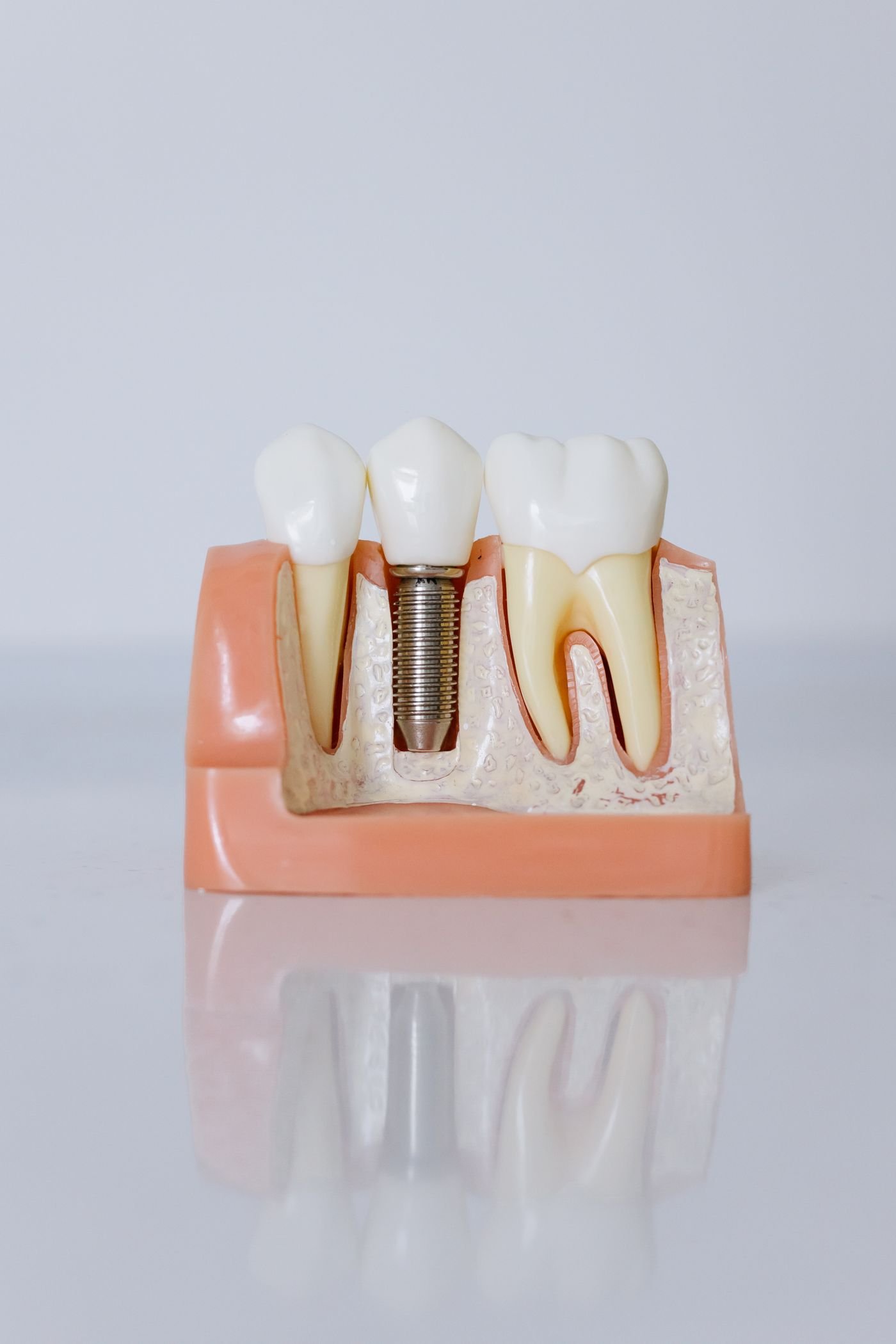
Your jaw is connected to your skull by two temporomandibular joints (TMJs), one just in front of each ear. These joints let your jaw open, close, and slide side to side.
Strong muscles on each side, mainly the masseter and temporalis, power your chewing. When these muscles or joints are overworked or irritated, chewing can hurt.
The most common causes
1. Muscle strain from clenching or grinding
Grinding (bruxism) often happens during sleep or under stress. It overworks the jaw muscles, much like holding a heavy weight for hours. Signs include:
- Jaw soreness in the morning
- Headaches near the temples
- Flattened or chipped teeth
- Tooth sensitivity
- A partner hearing grinding at night
2. TMJ disorders (TMD)
TMD covers a group of problems with the jaw joint and surrounding muscles. Symptoms often include:
- Pain in the jaw, face, or around the ear
- Clicking, popping, or grating when opening the mouth
- Difficulty opening wide
- A jaw that locks open or closed
- Pain that gets worse with chewing
3. A cracked tooth
Cracks can cause sharp pain when you bite down or release. The pain can feel like it’s coming from the jaw rather than the tooth.
4. Tooth decay or an abscess
Deep cavities and infections can cause pain when chewing and may spread into the jaw. Swelling, a bad taste, or fever point toward infection.
5. Gum disease
Inflamed gums and bone loss can make teeth tender when chewing.
6. Wisdom teeth
Erupting or impacted wisdom teeth can cause pain at the back of the jaw, swelling, and difficulty opening.
7. Sinus problems
Sinus pressure can cause pain in the upper jaw and teeth, especially when bending forward.
8. Overuse
Chewing gum for hours, eating very tough foods, or biting your nails can tire jaw muscles.
Quick guide: matching symptoms to causes
What can you do at home?
For mild jaw pain without swelling or fever, these steps often help.
- Eat soft foods for a week. Soups, eggs, pasta, fish, and cooked vegetables are good choices.
- Cut food into small pieces so you don’t need to open wide.
- Avoid gum and chewy foods like bagels, steak, and taffy.
- Use warm compresses on the jaw muscles for 10 to 15 minutes a few times a day. Use ice instead if there’s new swelling.
- Gently massage the muscles in front of your ears and at your temples.
- Keep teeth apart during the day. Your lips should touch, but your teeth shouldn’t.
- Avoid resting your chin in your hand or cradling the phone on your shoulder.
- Take an over-the-counter pain reliever if it’s safe for you.
- Manage stress with exercise, breathing, or stretching before bed.
Safety note
Get care right away if you have swelling in your face or under your jaw, fever, trouble swallowing or breathing, a jaw that’s locked and won’t move, or pain after a fall or blow to the face. Jaw pain with chest pain, shortness of breath, or pain spreading to your arm can be a sign of a heart problem. Call 911 if you have those symptoms.
How a dentist finds the cause
- History. When the pain started, what makes it worse, and any habits like grinding.
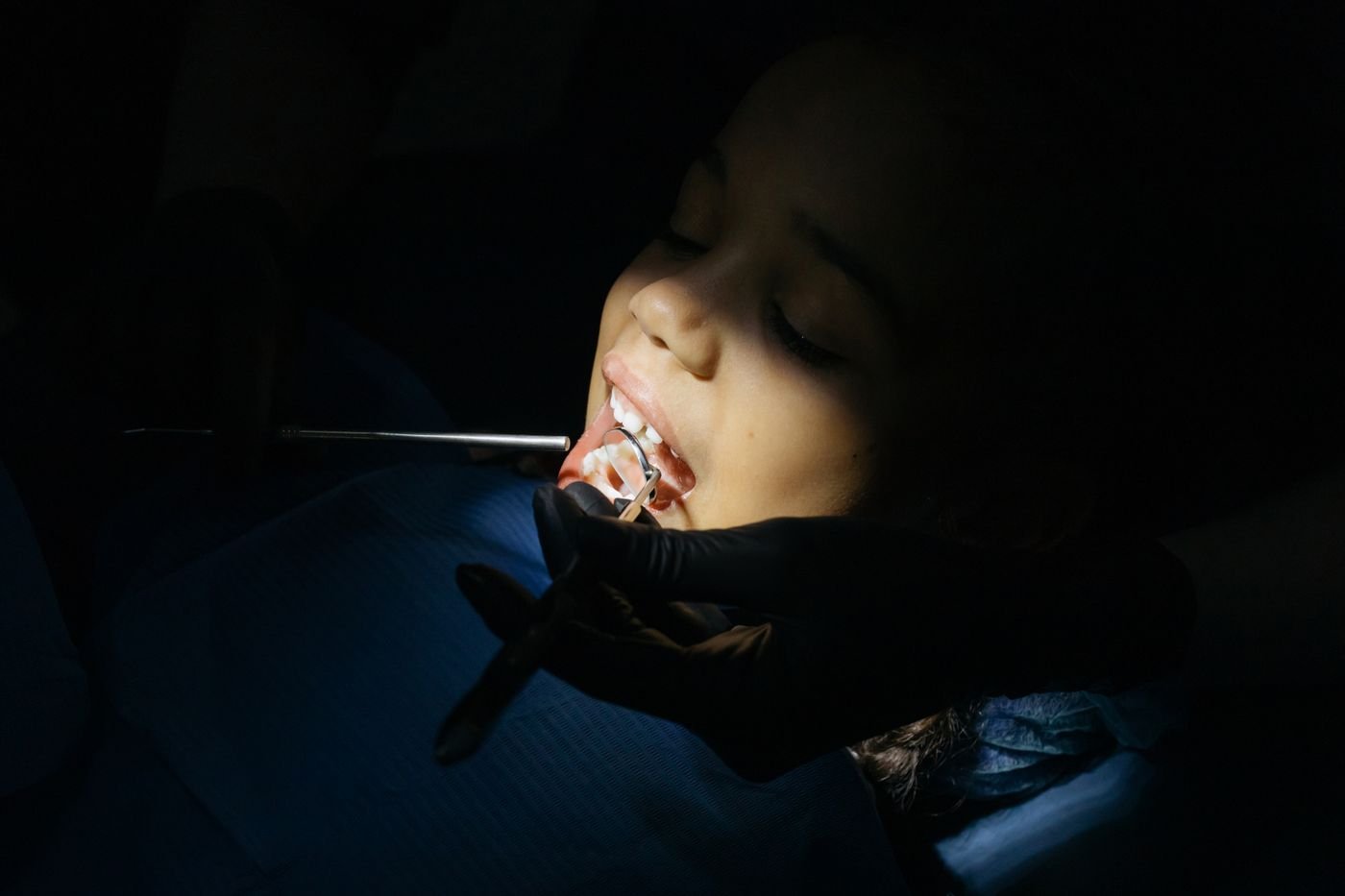
- Jaw exam. Checking how wide you can open, listening for clicks, and feeling the muscles.
- Tooth exam. Looking for wear, cracks, decay, and gum problems.
- Bite check. Seeing how your teeth come together.
- X-rays. Checking for hidden decay, infections, wisdom teeth, or joint changes.
Treatment options
Custom nightguard vs store-bought guard
Myths about jaw pain
Myth: Jaw clicking always means something is wrong.
Fact: Clicking without pain is common and often harmless. Clicking with pain or locking needs a check.
Myth: Jaw pain always means TMJ disorder.
Fact: Teeth, gums, sinuses, and muscles can all cause jaw pain. A proper exam finds the real cause.
Myth: You’d know if you grind your teeth.
Fact: Most people grind during sleep and have no idea until their dentist sees wear or a partner hears it.
Myth: Jaw pain needs surgery to fix.
Fact: Most jaw pain improves with simple measures like nightguards, soft foods, and exercises.
Common mistakes people make
- Chewing gum to “loosen up” a sore jaw, which overworks the muscles
- Opening very wide for big sandwiches while the jaw is sore
- Ignoring tooth pain that seems to come from the jaw
- Using a poorly fitting store guard for long periods
- Waiting months before getting checked
Real-world examples
The stressed student. A university student home in Aurora for the summer notices morning jaw pain and headaches during exam season. The dentist finds wear on the back teeth and makes a custom nightguard. Within a few weeks, the morning pain is mostly gone.
The cracked molar. Another patient thinks they have TMJ trouble because chewing hurts on the right side. The exam finds a cracked molar. A crown fixes the problem, and the “jaw” pain disappears.
The wisdom tooth. A 19-year-old has pain at the back of the jaw and trouble opening. X-rays show a partially erupted wisdom tooth with gum inflammation around it. The tooth is cleaned and later removed.
Simple jaw exercises
These gentle exercises can help relax tight jaw muscles. Stop if they cause pain.
- Relaxed jaw: Rest your tongue on the roof of your mouth behind your front teeth. Let your teeth come apart and relax your jaw muscles.
- Controlled opening: With your tongue on the roof of your mouth, slowly open and close your mouth 10 times.
- Chin tucks: Sit tall, pull your chin straight back, hold for 5 seconds, and repeat 10 times.
- Gentle resistance: Place your thumb under your chin and open slowly against light pressure for 5 seconds. Repeat 5 times.
How stress and posture affect your jaw
Stress makes many people clench without noticing, especially while driving, working at a computer, or concentrating. Poor posture, like jutting your head forward toward a screen, also puts extra strain on the jaw and neck muscles.
Small changes help. Set a reminder to check your jaw a few times a day. Raise your screen to eye level. Take short breaks to roll your shoulders and relax your face.
When jaw pain needs more than home care
Most jaw pain settles with simple steps. Some cases need more support. Your dentist may suggest extra help if you have:
- Pain that lasts longer than 2 to 3 weeks despite home care
- A jaw that locks or catches regularly
- Trouble opening wide enough to eat comfortably
- Headaches or ear pain that keep coming back
In these cases, treatment might include a custom guard, a referral to a physiotherapist who works with jaw problems, or further imaging of the joint.
How to prevent jaw pain from returning
- Wear your nightguard every night if you grind
- Keep up with checkups so tooth problems are caught early
- Limit gum chewing
- Practice stress relief, like exercise or meditation
- Keep good posture at your desk
- Treat cavities and gum disease early
Care from a dentist in Aurora
Jaw pain can be frustrating, especially when it’s hard to tell where it’s coming from. A thorough exam with a dentist in Aurora who looks at your teeth, gums, bite, and jaw together gives you the clearest answer.
Dana Dental Aurora is one of the most trusted dental clinics in Aurora, with a 5.0 Google rating and 485+ patient reviews. The clinic accepts new patients and CDCP (Canadian Dental Care Plan) patients, and offers a New Patient Special introductory package. CareCredit financing is available to break treatment costs into affordable monthly installments.
The team provides general dentistry, caps and crowns, dental implants, emergency dentistry, wisdom teeth removal, fillings, pediatric dentistry, root canal therapy, sedation, cosmetic dentistry, bonding, veneers, teeth whitening, bridges, mouthguards, and nightguards. Flexible evening and weekend scheduling helps you get seen sooner, and the clinic responds quickly to urgent problems.
All dentists are registered with the Royal College of Dental Surgeons of Ontario (RCDSO), which means your care meets provincial standards for safety and informed consent.
The office is at 15277 Yonge St., Suite 1 & 2, Aurora, ON. Call +1 (647) 494-5006 or email info@danadentalaurora.ca.
Frequently asked questions
Q. How long does jaw pain from grinding last?
Muscle soreness from grinding often improves within 1 to 2 weeks with rest, soft foods, and heat. Without a nightguard or other changes, it often comes back.
Q. Can a toothache cause jaw pain?
Yes. Pain from a cavity, cracked tooth, or infection can spread to the jaw, ear, or head. A dental exam can find the source.
Q. Should I see a dentist or a doctor for jaw pain?
Start with a dentist, since teeth, gums, grinding, and TMJ problems are the most common causes. If your dentist suspects another cause, they’ll refer you to a doctor.
Q. Is jaw clicking a problem?
Clicking without pain is common and often harmless. If clicking comes with pain, locking, or trouble opening, get it checked.
Q. Can stress cause jaw pain?
Yes. Stress often leads to clenching and grinding, which tire the jaw muscles and can trigger TMJ symptoms.
Conclusion
Jaw pain when chewing usually comes from muscle strain, a TMJ problem, or a dental issue like a crack or infection.
Soft foods, heat, and a nightguard help many people feel better within a couple of weeks.
If the pain lingers or comes with swelling, an exam will find the cause and the right fix.