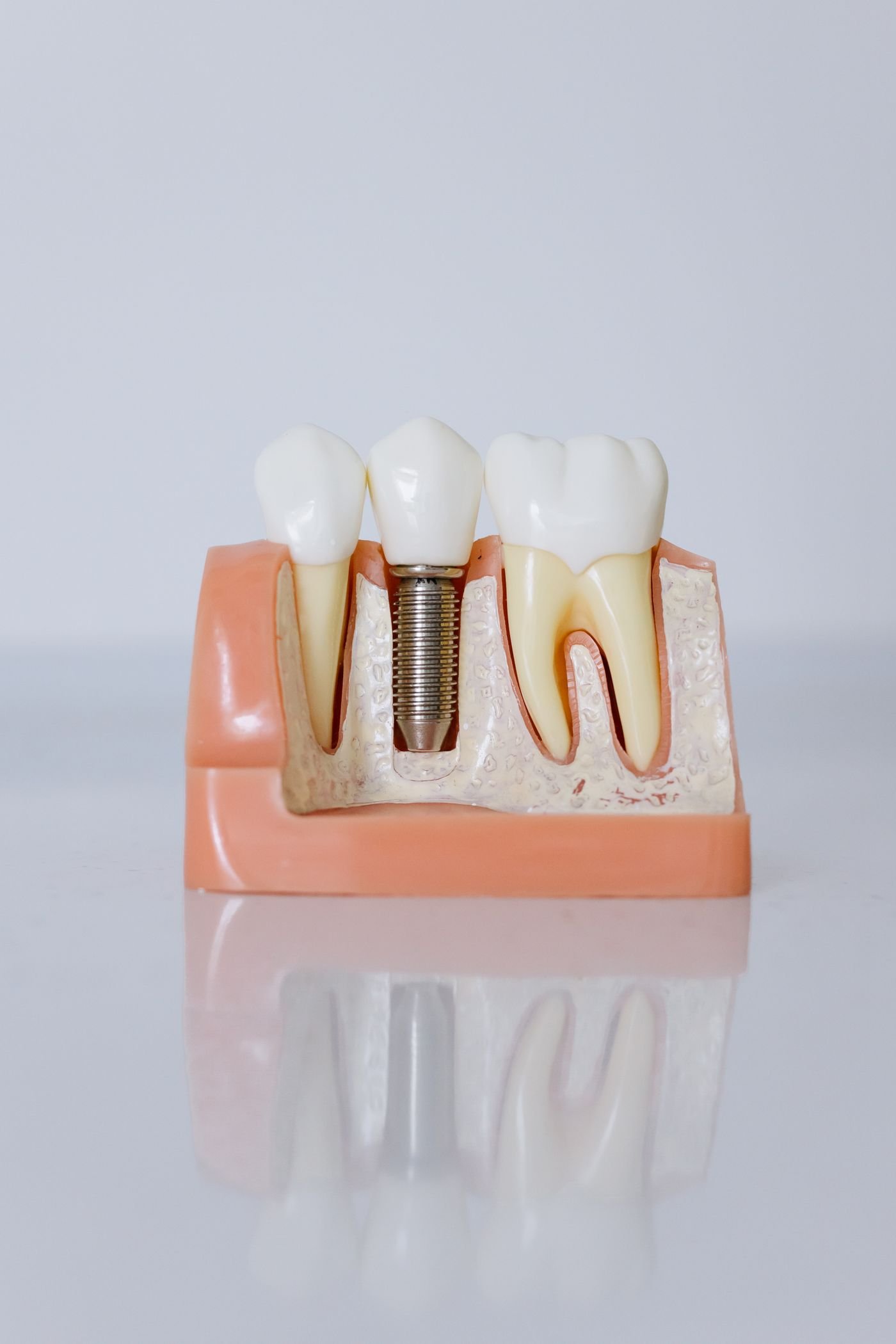

A dental filling is usually appropriate when decay or damage is limited and enough healthy tooth structure remains, while a crown is generally considered when a tooth is significantly weakened, cracked, heavily restored, or missing a larger amount of structure. An examination at a Dental Clinic in Richmond Hill is the safest way to determine which option your tooth actually needs because the decision depends on more than the size of a visible cavity. Mild sensitivity or gum tenderness after restorative dental work can occur and is usually temporary, but severe, worsening, or persistent pain is not something to ignore.
Patients often worry that being told they need a crown means their tooth is in serious trouble. That is not always the case. A crown can be recommended specifically to strengthen and protect a weakened tooth before it fractures further, while a Dentist may choose a filling when the remaining tooth can reliably support a more conservative restoration. The American Dental Association notes that crowns can strengthen teeth when a large filling has left too little natural tooth structure to support another filling.
The key difference is coverage. A filling replaces a localized area of tooth structure that has been lost to decay or damage, while a crown covers most or all of the visible portion of a compromised tooth. Patients with extensively weakened teeth may therefore be evaluated for Crowns and Bridges rather than another large filling. Direct restorative materials such as composite resin are placed directly into a prepared cavity, while crowns are indirect restorations designed to cover a larger portion of the tooth.
The health of the tooth’s pulp also matters. If decay or infection has reached the inner pulp, a Root Canal may need to be considered before the final restoration is selected. Patients seeking a local assessment can also consult Richmond Hill Smile Centre, where the condition of the tooth, remaining structure, bite forces, existing restorations, symptoms, and diagnostic findings can be considered together rather than choosing a treatment based only on appearance.
Dental Filling vs. Crown: What Is the Main Difference?
A filling repairs part of a tooth. A crown covers and protects most or all of the tooth’s visible clinical crown.
That simple distinction explains why fillings and crowns are not interchangeable treatments.
A filling is commonly used after a dentist removes tooth decay from a cavity. The resulting space is restored with an appropriate dental material. NIDCR explains that cavities are commonly treated by removing decayed tooth tissue and restoring the area with filling material.
A dental crown, sometimes called a cap, covers the damaged or weakened tooth. The ADA defines an artificial crown as a restoration that covers or replaces the major part or whole of the clinical crown of a tooth.
The goal with either option is to restore function while preserving as much healthy tooth structure as reasonably possible.
When Does a Tooth Usually Need a Filling?
A filling is generally considered when a tooth has localized decay or damage but still has enough strong natural structure to support the restoration.
Common situations include:
- A small or moderate cavity
- Localized loss of enamel and dentin
- Replacement of a defective filling when enough tooth remains
- Certain small chips or areas of wear
- Damage that does not substantially weaken the tooth’s cusps
- Situations in which a direct restoration can provide predictable function
Dental fillings can be made from several restorative materials. The choice depends on tooth location, the size and position of the cavity, functional demands, patient factors, and professional judgment.
The ADA notes that direct restorative materials are placed directly into a prepared cavity, with resin composite among the commonly used options.
Why Preserve Tooth Structure When Possible?
Conservative restorative treatment aims to retain sound natural tooth tissue.
If a relatively small cavity can be predictably repaired with a filling, covering the entire tooth with a crown may not provide additional benefit. Conversely, trying to place an extremely large filling in a tooth that no longer has adequate support can create a different problem.
Treatment should therefore match the actual structural condition of the tooth.
When Does a Tooth Usually Need a Crown?
A crown is more likely to be recommended when a tooth needs greater structural protection than a filling can reasonably provide.
The ADA specifically notes that crowns may be used to strengthen a tooth with a large filling when insufficient tooth structure remains to hold the filling. Crowns may also protect weak teeth and restore teeth that are already broken.
A crown may be considered when:
- A large part of the tooth is missing
- A very large existing filling is failing
- Remaining cusps are thin or weakened
- The tooth has fractured
- A crack threatens the structural integrity of the tooth
- Extensive decay has removed substantial tooth structure
- Significant wear has changed tooth form
- A tooth requires substantial reconstruction after other treatment
- The tooth has undergone root canal therapy and requires additional structural protection
Not every damaged tooth automatically needs a crown. The diagnosis depends on what remains after decay and defective restorative material are evaluated.
Filling vs. Crown Comparison
| Factor | Dental Filling | Dental Crown |
|---|---|---|
| Area restored | Localized portion of tooth | Most or all of visible tooth |
| Typical use | Small to moderate damage | Significant structural weakness |
| Healthy tooth remaining | Usually substantial | Often reduced |
| Tooth coverage | Partial | Extensive |
| Protection of weakened cusps | Limited | Greater coverage |
| Common cavity use | Localized cavity | Large or structurally compromising cavity |
| Cracked tooth | May help with very minor defects | Often considered when structural protection is needed |
| Root canal tooth | May sometimes be part of restoration | Frequently considered depending on tooth and structural loss |
| Treatment decision | Based on size, position and remaining tooth | Based on strength, fracture risk and overall condition |
This comparison is a general guide, not a diagnosis. A tooth that looks minimally damaged from the outside may have more extensive structural loss beneath an old restoration.
How Does a Dentist Decide Between a Filling and a Crown?
Choosing between the two treatments requires more than looking at a dark spot.
A Dentist in Richmond Hill may assess several factors before recommending restorative treatment.
1. Amount of Healthy Tooth Remaining
One of the most important questions is how much reliable tooth structure will remain after decay and defective restorative material are removed.
If strong enamel and dentin remain around the damaged area, a filling may provide sufficient restoration.
If large portions of the tooth are missing or unsupported, more extensive coverage may be appropriate.
2. Size and Location of the Decay
A small cavity in one area does not place the same mechanical demands on a tooth as decay that affects several surfaces or undermines a chewing cusp.
NIDCR notes that established cavities are typically treated by removing decayed tissue and restoring the tooth. The exact restoration depends on the clinical situation.
3. Presence of Cracks or Fractures
Cracks complicate restorative decisions.
Symptoms may include discomfort while chewing or temperature sensitivity, but some cracks produce inconsistent symptoms. If a substantial portion of a tooth is structurally compromised, protecting the tooth may require more coverage than a filling provides.
A suspected cracked tooth should be professionally evaluated because home inspection cannot determine the depth or direction of a fracture.
4. Existing Fillings
A tooth can lose natural structure each time a large restoration fails or requires replacement.
If most of the visible tooth consists of an old restoration surrounded by relatively thin natural walls, simply replacing the filling may not always provide adequate long-term protection.
5. Bite Forces
Back teeth are exposed to considerable chewing forces.
A dentist considers which tooth is affected, where the restoration will be located, whether cusps are compromised, and how the patient’s bite loads the area.
Clenching or grinding may also influence restorative planning.
6. Condition of the Dental Pulp
The pulp contains nerves, blood vessels, and connective tissue inside the tooth.
Deep decay can inflame or infect this tissue. When a tooth is severely decayed or infected, root canal treatment may be necessary rather than simply placing a filling over the problem.
Can a Large Filling Be Used Instead of a Crown?
Sometimes, but not always.
This is one of the most common questions patients ask because a filling may sound like the simpler option.
The clinically important issue is not whether a dentist can place filling material into a large area. It is whether the remaining tooth can predictably support that restoration under chewing forces.
A large filling surrounded by thin, weakened cusps may leave the natural tooth vulnerable to fracture. According to the ADA, a crown can strengthen a tooth when a large filling has left too little tooth structure to support the restoration.
At the same time, a crown should not automatically be selected simply because a tooth has a filling. Healthy remaining tooth structure matters.
Is There an Option Between a Filling and a Crown?
Yes. Some teeth may be candidates for an inlay or onlay.
These are indirect restorations designed to repair more tooth structure than a conventional filling while potentially preserving more natural tooth than a full-coverage crown.
An inlay generally restores the area within the cusps. An onlay extends farther and can cover one or more cusps.
Cleveland Clinic describes inlays and onlays as options for situations where a cavity may be too large for a conventional filling but may not require complete crown coverage.
Not every tooth is suitable for these restorations, so clinical evaluation remains important.
What If the Tooth Has Had a Root Canal?
Root canal treatment and crown treatment address different problems.
A root canal treats disease inside the tooth’s pulp and root canal system. A crown restores and protects tooth structure above the gumline.
That means a patient may need both treatments, but for different reasons.
The ADA explains that root canal therapy may be recommended for severely damaged, decaying, or infected teeth, while crowns may be used to restore weakened teeth after root canal treatment.
Whether a specific root canal-treated tooth requires full crown coverage depends on its location, remaining structure, previous restorations, and expected functional load.
Filling and Crown Procedures: What Should You Expect?
The exact process varies depending on the restoration and clinical situation.
Typical Filling Process
A filling may involve:
- Examining the tooth and reviewing diagnostic findings.
- Using local anesthetic when required.
- Removing decayed or defective tooth material.
- Preparing the area for restoration.
- Placing the selected filling material.
- Shaping and finishing the restoration.
- Checking the patient’s bite.
The aim is to restore the missing portion while maintaining comfortable function.
Typical Crown Process
Crown treatment commonly involves:
- Assessing the tooth and surrounding tissues.
- Treating active decay or other disease.
- Preparing the tooth so the restoration can fit properly.
- Rebuilding missing tooth structure when necessary.
- Recording the shape of the prepared tooth through an impression or digital scan.
- Providing a temporary restoration when required.
- Placing and evaluating the definitive crown.
- Checking contacts, fit, and bite.
Techniques can vary depending on the material and technology used by the Dental Office in Richmond Hill.
Is Sensitivity Normal After a Filling or Crown?
Some temporary sensitivity can occur.
After a filling, minor tooth sensitivity or localized gum soreness may occur and generally settles as the area recovers. After crown placement, short-term sensitivity can also occur.
Contact your dental provider if you experience:
- Pain that is severe
- Symptoms that progressively worsen
- Pain that interrupts sleep
- Significant pain when biting
- A restoration that feels noticeably too high
- Swelling around the tooth
- Facial swelling
- Fever or signs of infection
- A crown that becomes loose
- A filling that fractures or falls out
Severe throbbing pain may indicate pulp or infection-related problems and should be assessed rather than assumed to be normal healing.
What Should You Do After Getting a Filling or Crown?
Follow the instructions provided by your dental team because recommendations can vary according to the restoration and materials used.
General steps include:
- Allow numbness to wear off safely. Be careful not to accidentally bite your cheek, tongue, or lip while local anesthesia is still active.
- Keep the area clean. Continue brushing and interdental cleaning according to professional instructions.
- Pay attention to your bite. A newly restored tooth should not feel as though it makes contact dramatically before your other teeth.
- Monitor sensitivity. Mild short-term sensitivity may occur, but worsening or persistent pain should be reported.
- Protect the restoration. Avoid habits such as chewing ice or using your teeth as tools.
- Attend recommended follow-up appointments. A dentist can reassess the restoration and surrounding tooth when clinically appropriate.
What Happens If You Delay Treatment?
The outcome depends on what is wrong with the tooth.
Early tooth decay may initially affect a limited area, but untreated active decay can progress deeper. NIDCR explains that established decay can advance through tooth tissues, while disease reaching the pulp may require root canal treatment.
Structural problems can also progress.
A tooth with significantly weakened walls may fracture under chewing pressure. A deep crack or extensive fracture may make restoration more complicated.
Seek prompt assessment if you notice:
- Persistent toothache
- A broken tooth
- Pain when chewing
- Temperature sensitivity that is worsening
- A lost or broken filling
- A loose crown
- Swelling
- Drainage or pus
- Fever associated with dental symptoms
A dental abscess requires urgent dental treatment and does not simply resolve on its own.
When Should You Seek Emergency Dental Care?
Not every lost filling or damaged crown requires emergency hospital treatment, but some symptoms need urgent professional attention.
An Emergency Dental Clinic in Richmond Hill assessment may be appropriate if dental symptoms are severe, rapidly worsening, or associated with significant swelling or trauma.
Seek urgent dental care for symptoms such as:
- Severe or uncontrolled dental pain
- Significant facial or jaw swelling
- Dental trauma
- Signs of an abscess
- Rapidly increasing swelling
- A badly fractured tooth
- Infection-related symptoms
If swelling interferes with breathing or swallowing, seek emergency medical assessment immediately.
Can You Prevent the Need for Large Restorations?
Not every crown can be prevented, but early detection of decay and damage can sometimes reduce the amount of tooth structure eventually lost.
Useful preventive measures include:
- Brushing twice daily with fluoride toothpaste
- Cleaning between teeth regularly
- Limiting frequent exposure to sugary foods and drinks
- Attending dental examinations at intervals appropriate for your risk
- Having suspicious sensitivity or cracks assessed
- Avoiding chewing ice and other very hard objects
- Addressing clenching or grinding when clinically indicated
- Maintaining existing fillings and crowns
- Seeking care before a small problem becomes extensive
The best strategy is not simply avoiding crowns. It is preserving healthy, functional natural tooth structure using the most appropriate treatment for the condition.
Common Myths About Fillings and Crowns
Myth 1: A Crown Is Always Better Than a Filling
False.
A crown provides greater coverage, but that does not mean every cavity requires one. Smaller areas of damage may be appropriately restored with a filling.
Myth 2: A Filling Is Always the More Conservative Choice
Not necessarily.
A filling generally involves less coverage, but placing a very large filling into a severely weakened tooth may not provide the structural protection that tooth requires.
True conservative dentistry means choosing a treatment that preserves the tooth while providing predictable function.
Myth 3: Needing a Crown Means the Tooth Is Dying
False.
A crown can be recommended because a tooth is mechanically weak even when its pulp is healthy.
Myth 4: Every Root Canal Tooth Automatically Needs the Same Restoration
False.
Restorative planning depends on tooth location, remaining structure, functional demands, and other clinical findings.
Myth 5: If the Tooth Does Not Hurt, It Does Not Need Treatment
False.
Decay, cracks, and defective restorations can exist before significant pain develops. Symptoms alone do not reveal how much structural damage is present.
Choosing Dental Care in Richmond Hill
Patients looking for a Best Dental Clinic in Richmond Hill, Top Dentist in Richmond Hill, or Best Dentist in Richmond Hill should focus on clinical assessment rather than labels alone.
A reliable dental practice should explain why a filling, crown, onlay, root canal, or another treatment is being recommended. The discussion should include the condition of the tooth, reasonable alternatives, expected benefits, limitations, and relevant risks.
Richmond Hill Smile Centre is one of the best dental clinics in Richmond Hill for patients seeking local preventive, restorative, and comprehensive dental care. The practice is located at 10157 Yonge St Unit 101, Richmond Hill, ON L4C 1T6, Canada, and patients can contact the office at info@richmondhillsmilecentre.ca for appointment information.
Treatment planning should always be performed by appropriately licensed dental professionals after an examination. Online articles can help patients understand terminology, but they cannot show how much healthy structure remains beneath an old filling or determine the health of a tooth’s pulp.
What About Cosmetic Dental Treatment?
A filling or crown may have an aesthetic component, particularly when treating visible teeth, but restorative treatment and purely cosmetic treatment are not identical.
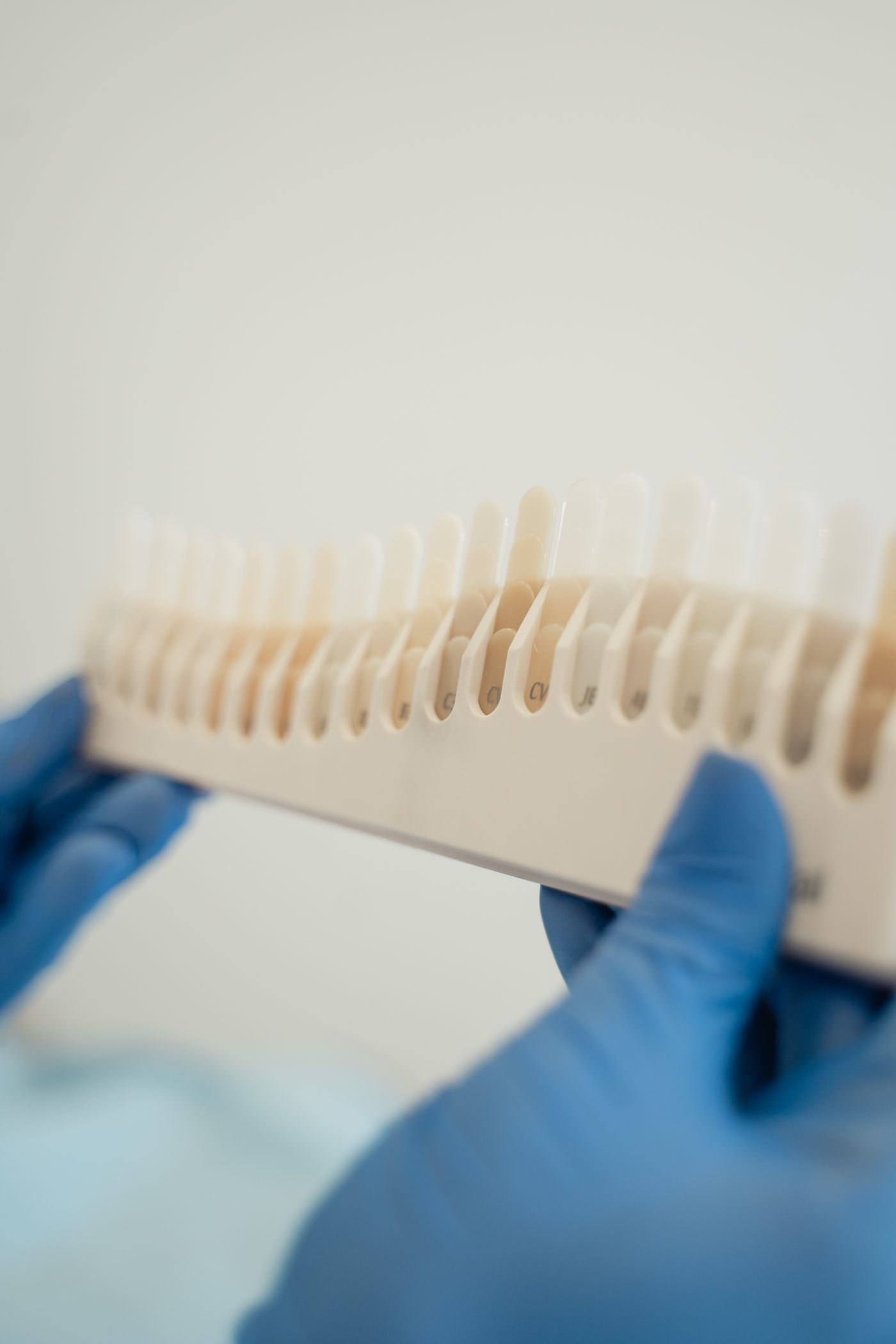
Someone searching for a Cosmetic Dentist Richmond Hill provider may be primarily concerned with tooth colour, shape, proportions, alignment, or overall appearance. Smile Design Richmond Hill planning can involve aesthetic considerations, but underlying decay, fractures, infection, and gum health should be addressed appropriately before elective cosmetic treatment.
The priority should be a stable, healthy foundation.
Frequently Asked Questions
1. How do I know whether I need a filling or a crown?
You usually cannot determine this reliably at home. A filling may be suitable when damage is limited and enough healthy tooth remains, while a crown may be recommended when the tooth has extensive structural loss or requires greater protection. A dental examination is needed to assess the actual condition.
2. Can a very large cavity still be treated with a filling?
Sometimes, but the amount and strength of remaining tooth structure matter. If decay has significantly weakened the tooth or its cusps, a dentist may recommend a crown or another indirect restoration rather than relying on a very large filling.
3. Does needing a crown mean I also need a root canal?
No. Crowns and root canals serve different purposes. A crown restores and protects damaged tooth structure, while root canal treatment addresses infected or significantly inflamed pulp tissue. Some teeth need both, while others require only one of these treatments.
4. Is sensitivity after a filling or crown normal?
Mild, temporary sensitivity can occur after either treatment. Contact your dental provider if sensitivity becomes increasingly painful, persists longer than expected, interferes with sleep, or occurs with swelling, fever, significant biting pain, or other concerning symptoms.
5. Can a crown save a cracked tooth?
A crown can sometimes protect and restore a tooth with structural damage, but not every crack can be treated the same way. The depth, direction, location, symptoms, pulp condition, and remaining tooth structure all influence whether a crown or another treatment is appropriate.
Conclusion
A filling is generally used for localized damage when enough healthy tooth remains, while a crown provides greater coverage when a tooth is significantly weakened or structurally compromised.
The correct choice depends on decay extent, cracks, remaining tooth structure, pulp health, bite forces, and existing dental work, not simply whether the tooth hurts.
A professional dental examination provides the information needed to select the most conservative treatment that can safely restore and protect your tooth.