No, professional teeth whitening does not damage your enamel when it is done correctly. The active ingredients, usually hydrogen peroxide or carbamide peroxide, work by lifting stains from the tooth surface, not by stripping away the hard outer layer. Some people feel temporary sensitivity during or after treatment, but this fades within a few days and is not a sign of lasting harm. If you are considering brightening your smile, our teeth whitening treatment in Aurora is designed to be safe, controlled, and gentle on your teeth.
Whitening is one of the most requested services in cosmetic dentistry, so it helps to understand how it actually works before you decide.
How Does Teeth Whitening Work?
Whitening gels release oxygen molecules that break apart the coloured compounds staining your teeth. These stains build up over years from coffee, tea, red wine, tobacco, and certain foods. The peroxide passes through the enamel to reach the stains inside the tooth, then lifts them without removing tooth structure. A healthy enamel surface naturally remineralises afterward, which is why a professional approach is far safer than harsh over-the-counter tricks.
Before any whitening, a quick professional cleaning removes surface plaque so the results are even, and a routine general dentistry checkup confirms your teeth and gums are healthy enough to whiten.
Why Do Some People Think Whitening Harms Enamel?
The myth comes from the sensitivity many feel after whitening. This happens because the peroxide temporarily opens tiny channels in the tooth, briefly exposing the nerve. It is not enamel erosion. Problems usually arise only from unregulated products, overuse of DIY kits, or acidic home remedies like lemon juice and baking soda, which can genuinely wear enamel down.
If you have stubborn discolouration that whitening cannot fully fix, porcelain veneers may be discussed as an alternative during your consultation.
Professional Whitening vs Over-the-Counter Kits
- Professional whitening: Stronger, monitored by a dental team, custom trays, faster and more even results, gum protection included.
- Store-bought strips and gels: Weaker, one-size-fits-all trays, uneven results, higher risk of gum irritation if misused.
- DIY home remedies: Often acidic or abrasive, can wear enamel and cause real damage over time.
What Happens During a Whitening Visit?
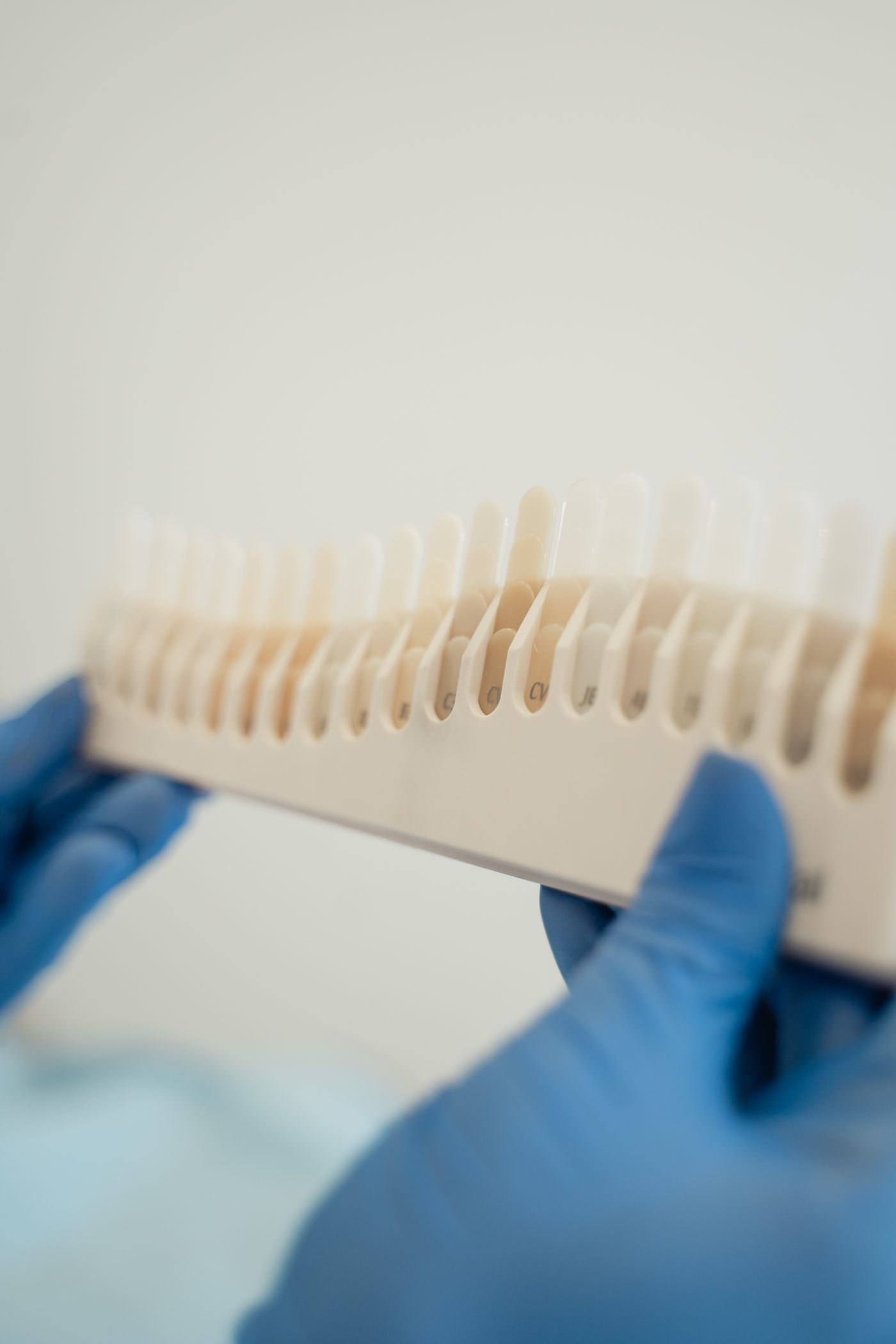
- Assessment: The dentist checks your teeth and gums and records your starting shade.
- Cleaning: Surface plaque and stains are removed for an even result.
- Protection: A barrier is placed to shield your gums from the gel.
- Application: The whitening gel is applied, sometimes activated with a light.
- Review: The final shade is checked and aftercare advice is given.
How to Whiten Safely and Protect Your Enamel
- Choose professionally supervised whitening over random online kits
- Avoid acidic DIY mixes like lemon, vinegar, or baking soda pastes
- Do not over-whiten; follow the recommended schedule
- Use a toothpaste for sensitive teeth if you feel tingling
- Wait to eat staining foods for a day or two after treatment
Is Whitening Right for Everyone?
Whitening works best on natural teeth with surface and age-related stains. It does not change the colour of fillings, crowns, or veneers. People with untreated decay, gum disease, or very sensitive teeth should have those issues addressed first. Children and pregnant patients are usually advised to wait. A dentist can tell you quickly whether whitening suits your smile.
How Long Do Whitening Results Last?
Results typically last from several months to a couple of years, depending on your habits. Coffee, tea, red wine, and smoking will shorten that window. A quick touch-up now and then keeps your smile bright. Good daily brushing and regular cleanings help protect your results and your enamel at the same time.
Trusting Your Whitening Provider
Because whitening is a dental treatment, it is safest in the hands of a licensed team that follows the standards of the Royal College of Dental Surgeons of Ontario. Our Aurora practice on Yonge Street welcomes new patients and offers flexible evening and weekend scheduling, so it is easy to book a consultation that fits your life. We take time to explain your options and make sure whitening is right for you before we begin.
Common Myths About Teeth Whitening
- Myth: Whitening strips enamel. Professional whitening lifts stains without removing enamel.
- Myth: More gel means whiter teeth. Overuse causes sensitivity, not better results.
- Myth: Whitening works on crowns and fillings. It only changes natural tooth colour.
Frequently Asked Questions
Does teeth whitening weaken your teeth?
No. Professional whitening does not weaken or thin enamel. Any sensitivity is temporary and settles within a few days.
Why do my teeth feel sensitive after whitening?
The peroxide briefly opens tiny channels in the tooth, which can expose the nerve for a short time. Using a sensitive-teeth toothpaste helps.
How white will my teeth get?
Most people see teeth several shades brighter. Results vary based on your starting shade and the type of staining you have.
Is professional whitening better than strips?
Yes. Professional whitening is stronger, more even, and supervised to protect your gums, while strips are weaker and less predictable.
How often can I whiten my teeth?
Occasional touch-ups are fine, but frequent whitening can cause sensitivity. Your dentist will suggest a safe schedule for you.
Conclusion
Teeth whitening is safe for your enamel when it is done professionally and used sensibly. The brief sensitivity some people feel is temporary, not damage. If you want a brighter smile with confidence, our Aurora team is here to guide you.