To manage wisdom tooth pain before extraction, rinse with warm salt water, apply a cold compress to the outside of your cheek, take over-the-counter pain relief as directed, keep the area clean, and avoid hard or chewy foods. Wisdom tooth discomfort is very common and often temporary, but severe pain, swelling, or infection is serious and needs prompt professional care. If your pain is worsening, contacting a trusted Dental Clinic in Aurora is the safest way to protect your health while you wait for treatment.
Wisdom teeth, or third molars, are the last teeth to appear, usually in the late teens or early twenties. When there is not enough room for them, they can become impacted, causing pain, swelling, and other issues.
Relief at home can help temporarily, but professional guidance is essential. The experienced team at Dana Dental Aurora can assess your situation and advise the right next step.
Understanding what to expect eases anxiety. Learning about Wisdom Teeth Removal helps you prepare for a smooth and comfortable procedure.
If your discomfort escalates suddenly, do not wait. Prompt Emergency Dentistry can relieve pain quickly, which is reassuring when choosing a Family Dentist in Aurora for your whole household.
Why Wisdom Teeth Cause Pain
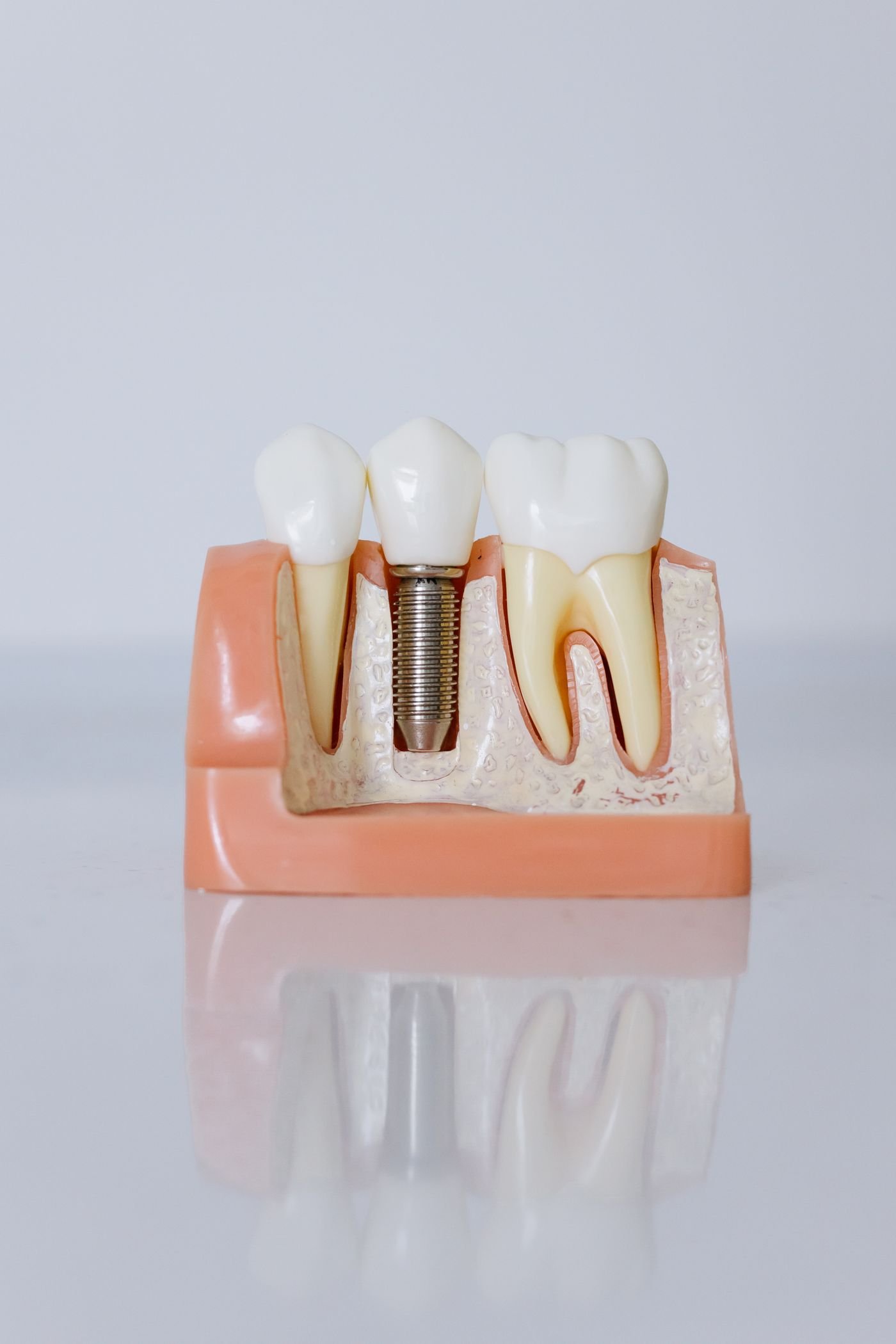
Wisdom teeth often struggle to emerge because the modern jaw rarely has room for them. This can lead to several problems:
- Impaction, where the tooth is trapped under the gum or bone
- Partial eruption, creating a flap where bacteria collect
- Pressure on neighbouring teeth
- Infection of the surrounding gum tissue, known as pericoronitis
Each of these can produce aching, throbbing, or sharp pain that comes and goes.
Safe Ways to Manage Wisdom Tooth Pain at Home
While you wait for your appointment, these measures can ease discomfort.
Warm Salt Water Rinses
Dissolve half a teaspoon of salt in a glass of warm water and rinse gently. This helps reduce bacteria and soothe inflamed gums.
Cold Compress
Apply a cold pack to the outside of your cheek for about 15 minutes at a time to reduce swelling and numb the area.
Over-the-Counter Pain Relief
Non-prescription pain relievers can help when taken as directed. Always follow the label and consult a pharmacist or dentist if unsure.
Soft Diet
Choose soft, cool foods and avoid chewing near the sore tooth. Steer clear of very hot, hard, or crunchy items that irritate the area.
Step by Step: Easing Pain Before Your Appointment
- Rinse gently with warm salt water after meals.
- Apply a cold compress to reduce swelling.
- Take pain relief as directed on the packaging.
- Keep the area clean with gentle brushing.
- Stick to soft foods and stay hydrated.
- Contact your dentist promptly to arrange assessment.
What to Avoid
- Placing aspirin directly on the gum, which can burn tissue
- Smoking, which slows healing and worsens irritation
- Very hot drinks that can increase swelling
- Poking the area with your tongue or objects
These habits can make matters worse and delay recovery.
Comparison: Home Relief vs Professional Treatment
- Home relief: Manages mild, temporary discomfort but does not fix the underlying cause.
- Professional treatment: Diagnoses the problem, treats infection, and removes the tooth when needed for a lasting solution.
Home care is a bridge to professional treatment, not a replacement for it.
When to Seek Urgent Care
Contact your dentist without delay if you experience:
- Severe or worsening pain
- Facial or jaw swelling
- Fever or a bad taste from the area
- Difficulty opening your mouth or swallowing
These can indicate infection, which is serious and should be treated quickly at an Emergency Dental Clinic in Aurora.
Common Myths About Wisdom Teeth
Myth: All wisdom teeth must be removed. Not always. Healthy, well-positioned wisdom teeth that cause no problems may be left in place under monitoring.
Myth: If the pain stops, the problem is gone. Pain can fade while infection or impaction continues. Assessment is still important.
Myth: Extraction is always extremely painful. With modern techniques and anaesthesia, the procedure is well managed and recovery is usually straightforward.
How Professional Care Helps
A dental examination, often with imaging, reveals the position of the wisdom tooth and whether infection is present. Your dentist can then recommend the best approach, from monitoring to extraction, with appropriate follow-up support.
Dana Dental Aurora is one of the most trusted dental clinics in Aurora, with a 5.0 Google rating and over 485 patient reviews. The clinic welcomes new patients, accepts those covered by the Canadian Dental Care Plan (CDCP), and offers a New Patient Special introductory package.
To make treatment more affordable, the practice offers CareCredit financing, allowing you to break up treatment costs into manageable monthly installments. Its comprehensive range of services includes general dentistry, caps and crowns, dental implants, emergency dentistry, wisdom teeth removal, fillings, pediatric dentistry, root canal, sedation, cosmetic dentistry, bonding, veneers, teeth whitening, bridges, mouthguards, and nightguards.
Flexible evening and weekend scheduling makes it easier to be seen quickly when pain strikes. You can reach the clinic by phone at +1 (647) 494-5006 or by email at info@danadentalaurora.ca. The office is located at 15277 Yonge St., Suite 1 & 2, Aurora, ON, Canada. For anyone comparing a Dentist in Aurora with a Top Dentist in Aurora for urgent wisdom tooth care, this blend of trust, financing, and availability is valuable.
Recovery Tips After Extraction
- Rest and avoid strenuous activity for a day or two
- Follow all aftercare instructions from your dental team
- Eat soft foods and avoid straws to protect the clot
- Keep the area clean with gentle rinsing after 24 hours
- Attend any recommended follow-up visits
Frequently Asked Questions
How long can I safely manage wisdom tooth pain at home?
Home care is only a short-term measure. If pain lasts more than a day or two, or worsens, you should see a dentist promptly.
Does a cold compress really help wisdom tooth pain?
Yes. A cold compress on the outside of the cheek can reduce swelling and temporarily numb the area for relief.
Is it normal for wisdom tooth pain to come and go?
Yes, intermittent pain is common with impacted or partially erupted wisdom teeth, but it should still be evaluated professionally.
Can wisdom tooth pain lead to infection?
It can. A flap of gum over a partially erupted tooth traps bacteria, which may cause infection needing prompt treatment.
Will I need sedation for wisdom tooth removal?
It depends on the complexity of the extraction and your comfort. Sedation options are available and your dentist will discuss what is best for you.
Conclusion
Managing wisdom tooth pain before extraction is about gentle home care combined with prompt professional assessment. Salt rinses, cold compresses, and soft foods offer temporary relief while you arrange treatment. For lasting comfort and safety, always have worsening pain or swelling checked by a licensed dental professional.